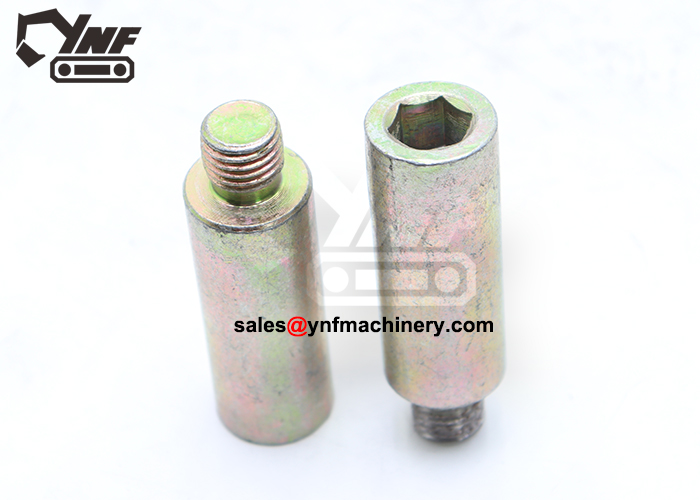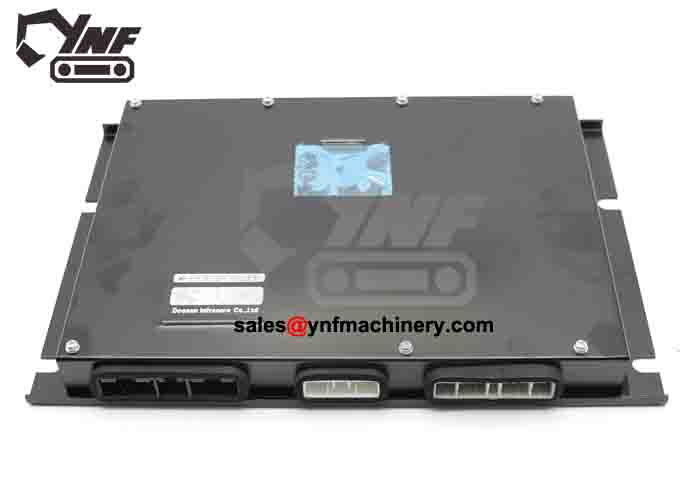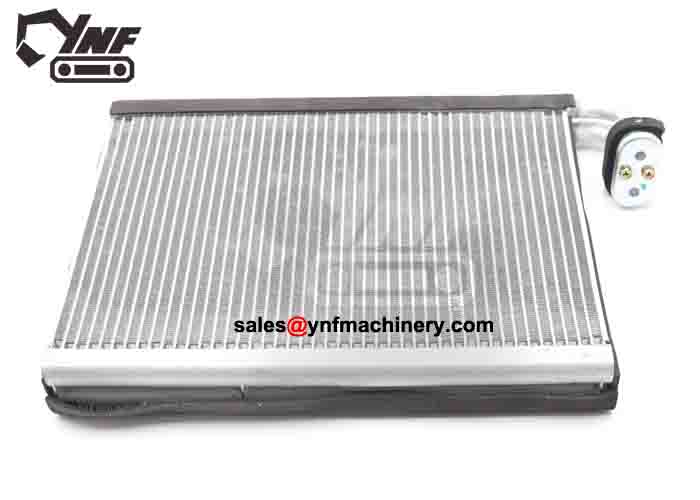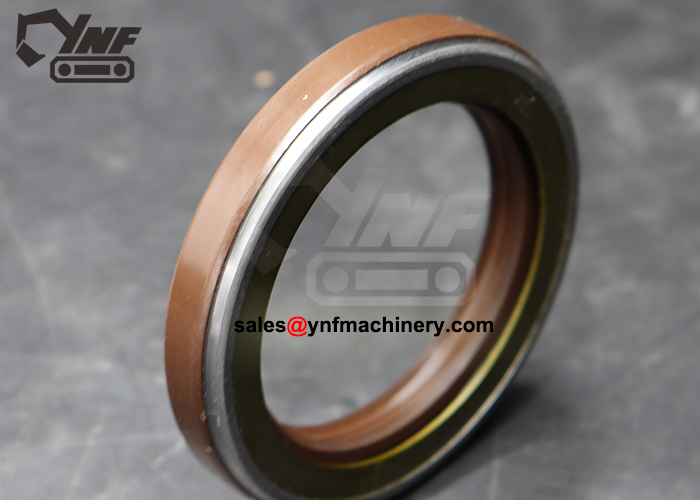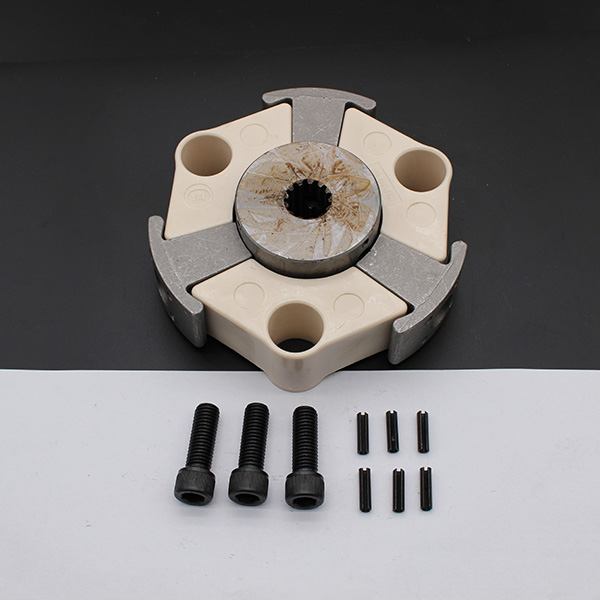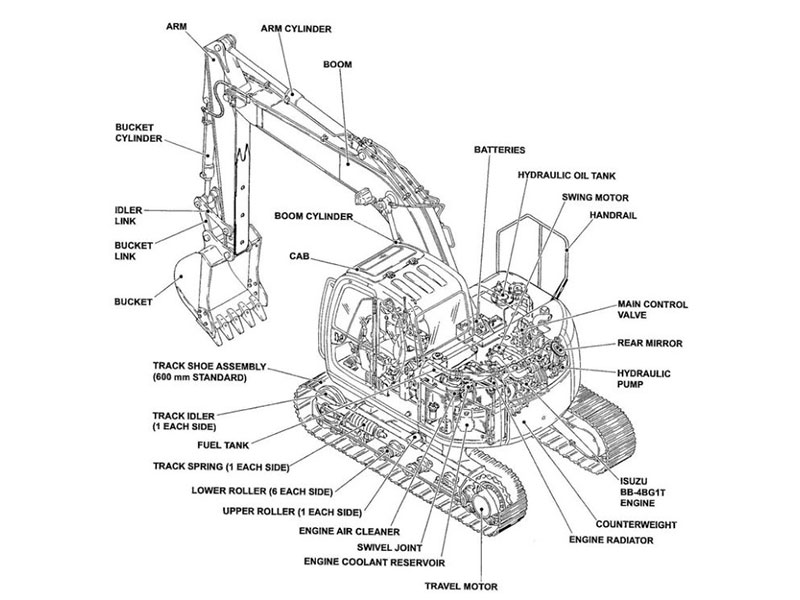


You need plastic packaging for excavator parts to stop rust. This packaging keeps out water and dirt. Water and dirt can hurt your excavator. Plastic packaging also stops bumps and scratches when shipping. You get short-term rust protection with good packaging. Always pick plastic packaging that fits your needs. Follow the instructions for handling and storage. Custom packaging works best if you check every detail.
Key Takeaways
-
Use plastic packaging to keep excavator parts safe from rust. It stops moisture and dirt from getting in.
-
Always clean and dry metal parts before you pack them. This helps stop rust from starting.
-
Pick the right size and kind of packaging, like VCI films. This gives the best protection from rust and damage.
-
Check your packaging often for holes or damage. This helps keep rust away.
-
Follow clear handling steps to take care of your excavator parts. Store them the right way.
Why Plastic Packaging for Excavator Parts Works
Rust Prevention Mechanism
You need strong rust prevention for your excavator metal parts. Plastic packaging gives you a barrier that keeps out moisture and oxygen. These two things cause rust and corrosion on metal. When you use rust-prevention packaging, you stop water and air from touching the metal surface. This stops oxidation and corrosion before they start.
-
Vapor Corrosion Inhibitors (VCIs) in some packaging create a shield around your metal parts. The VCIs vaporize and cover every part, even the hard-to-reach spots. This means you get full corrosion protection for your excavator parts.
-
Metal wrap fabric also works well. It blocks moisture and oxygen, so rust cannot form. It also keeps out dust and dirt, which can trap water and lead to rust.
You want your metal parts to last a long time. Rust-prevention packaging helps you do that. You get comprehensive protection for every piece. This keeps your excavator running and saves you money.
Tip: Always check that your packaging is sealed tight. Even a small gap can let in moisture and oxygen, which leads to rust.
Physical Protection Benefits
Plastic packaging does more than stop rust. It also protects your excavator metal parts from bumps and scratches. When you ship or store these parts, they can move around. Good packaging holds them in place and absorbs shocks.
-
Tailored packaging fits your metal parts perfectly. This reduces movement and lowers the risk of damage.
-
Bubble wrap and foam add extra layers of protection. They keep your excavator parts safe from drops and hits.
You need to think about both rust and physical damage. Using the right packaging gives you double protection. Your metal parts stay strong, clean, and ready to use.
Preparation for Rust-Prevention Packaging
Cleaning Excavator Parts
Start with metal parts that are clean and dry. Dirt, oil, and rust can hurt your excavator. First, check each part for safety and quality. Look for any rust or damage on the metal. If you see rust, take it off right away. Use cleaning products by dipping, spraying, or brushing. Do not let the cleaner dry on the metal. After cleaning, use a safe neutralizer to get the parts ready for packaging.
You have to get rid of all dirt and oil. Diesel particle filters and other parts collect dust and grime. These things can block filters and cause rust. Use a cleaner degreaser to remove dirt and oils. This step helps stop rust and keeps your parts in good shape.
Tip: Always check your cleaning products. Pick ones that work on many metals and remove rust, oil, and grease.
Drying and Contaminant Removal
After cleaning, dry the metal parts all the way. Any water left can cause rust. Use a clean cloth or let the parts air dry. Make sure there is no water left on the metal. Check every part for hidden water, even in small spaces.
You must get rid of all dirt before packaging. Dust, carbon, and grime are common on these parts. These things can hold water and make rust form faster. Clean every surface and corner well. Oils and grease also cause trouble. They stop rust prevention products from working. Use a cleaner that takes away these things.
Note: Clean and dry metal parts help stop rust best. Do not skip this step.
Common Mistakes to Avoid
People often make mistakes when getting parts ready. These mistakes can cause rust and damage. Here is a table that shows common mistakes and how to fix them:
|
Common Error |
Solution |
|---|---|
|
Storing parts without proper cleaning |
Make a rule to always clean parts before storage. |
|
Inadequate environmental control leading to corrosion |
Use climate control and check the area often. |
|
Overstacking bins leading to component damage |
Follow weight rules and label bins to avoid mix-ups. |
You need to avoid these mistakes. Always clean and dry your metal parts. Keep the storage area safe from moisture. Do not stack bins too high. Label everything so you know what it is.
Reminder: Careful steps keep your excavator metal parts safe from rust and harm. Take your time and do each step right.
Choosing Rust-Prevention Packaging Materials
You need good packaging to stop rust on excavator metal parts. Strong packaging keeps your parts safe when shipping and storing. Pick materials that fit your needs and the shape of your parts. This helps your excavator work well and lowers damage.
VCI Films and Foams
VCI films and foams are smart for stopping rust. VCI means Vapor Corrosion Inhibitor. These materials send out safe vapors that cover metal parts. The vapors make a thin shield on the metal. This shield stops moisture and air from causing rust. You do not need to use oil or grease. VCI works on all surfaces, even in small spaces.
Check the table below to see how VCI packaging compares to other ways:
|
Method |
Mechanism of Action |
Effectiveness |
Cost Consideration |
|---|---|---|---|
|
VCI Packaging |
Sends out vapors that make a shield on metal |
Stops rust without mess, works for tricky shapes and inside parts |
Costs more at first but needs less care later |
|
Desiccants |
Take in moisture from the air |
Does not cover metal; can cause rust if too wet |
Costs less at first but needs to be changed often and may not work if too wet |
VCI films and foams give you the best rust protection. They last a long time and keep your metal parts safe. You can use them for bucket wear parts, gears, and bolts. VCI packaging is good for shipping and storing.
Bubble Wrap and Foam for Shock Absorption
You must keep metal parts safe from bumps and drops. Bubble wrap and foam are great for this. They give a soft layer that absorbs shocks and keeps parts safe.
Cushioning materials: Foam, bubble wrap, or other shock-absorbing materials.
-
Cushioning keeps products safe from shock and shaking.
-
It absorbs impacts, lowers damage, and makes products safer.
-
It is made to fit a product’s fragility, weight, and handling needs, so it protects well during shipping.
Wrap each metal part with bubble wrap or foam before packing. This step stops scratches and dents. It keeps bucket wear parts in good shape. You get double protection from rust and damage.
Optimizing Container Size
Pick the right container size for your metal parts. If the container is too big, parts move around. This can cause scratches, dents, and rust if parts rub together. If the container is too small, it can crush or bend parts.
Choose a container that fits your parts closely. Use dividers or extra foam to fill empty spaces. This keeps each part in place during shipping and storage. You lower the risk of rust and damage. You also make stacking and storing easier.
Tip: Always check the fit before sealing your packaging. A good fit gives better protection for your metal parts.
If you want the best rust prevention packaging, trust YNF Machinery. They have lots of experience and offer many types of packaging for metal parts. You get products that protect against rust, corrosion, and damage. YNF Machinery helps you keep your bucket wear parts safe during shipping and storage.
Sealing and Handling Strategies
Airtight Sealing Methods
You need to seal your excavator parts tightly. This keeps them safe from rust. The right sealing keeps water out of the packaging. There are different ways to seal your packaging. Each way works best for certain parts and uses. The table below shows the best ways to make an airtight seal for excavator parts:
|
Sealing Method |
Description |
Tips |
|---|---|---|
|
Heat Sealing |
Bonds the edges of VCI poly film or bags to make a tight seal. |
Use a heat sealer set to the right temperature for the film. |
|
Folding and Taping/Stapling |
Wraps parts in VCI film and secures the edges with tape or staples. |
Fold neatly so water does not collect when opened. |
|
Resealable Zip Top |
Bags that are easy to open and close with a strong seal. |
Make sure the zipper grooves line up after closing. |
|
Wire, Twist, or Zip Ties |
Fast way to close small parts and keep out moisture. |
After tying, fold and tape the opening to stop gaps. |
Heat sealing gives you the strongest seal. It blocks water and air from getting in. Folding and taping also help, but you must check for holes. Zip top bags are easy to use and open. Zip ties are good for small parts, but you should tape the opening after tying. Always check your packaging for tight seals before storing or shipping your excavator parts.
Tip: Check every seal after you finish packing. Even a tiny hole can let in water and ruin your protection.
Adding Handling Instructions
Clear instructions help keep your excavator parts safe. You lower the chance of rust and damage by following these steps. Handling instructions show you and your team how to clean and pack parts the right way. They also protect your parts during storage and moving.
-
Use special cleaning agents and tools to clean parts with stains or light rust.
-
Dry cleaned parts so leftover water does not cause more rust.
-
Put anti-rust oil or preservatives on parts, and add another protective coating to parts that rust easily.
-
Check stored parts often and clean or protect them right away if you see rust or bending.
-
Watch warehouse conditions like temperature, humidity, and air flow to stop damage from the environment.
Attach handling instructions to every package. These instructions remind you to check the seal and follow the right steps. You get better protection for your excavator parts when you use clear instructions. Good packaging and a tight seal keep your parts safe from rust and harm.
Extra Wear Protection Strategies for High-Humidity
Desiccant Packaging
Storing excavator parts in humid places is hard. Moisture can get inside and cause rust. You need ways to keep moisture away. Desiccants help by soaking up water in the air. These small packets go inside the packaging with your metal parts. They keep the air dry and help stop rust from forming.
Pick the right desiccant for your packaging. Silica gel works for most wear protection strategies. Clay desiccants are good in very humid places. Check your packaging size and use enough desiccant for the space. Change the desiccants when they are full of water. This keeps your wear protection solutions working well.
Tip: Always look at the desiccant packets before you seal the packaging. If packets are wet or broken, they will not protect your parts.
Double Wrapping Techniques
You need more wear protection solutions when it is very humid. Double wrapping gives extra safety. First, wrap your excavator parts in VCI film. Then, add another layer of plastic packaging. This keeps out moisture and keeps your parts safe.
Double wrapping is best for parts stored in very humid places. Use this method for long storage or shipping through wet areas. Make sure each layer fits tightly around the parts. You can put foam or bubble wrap between layers for more wear protection strategies.
Here is a simple table to help you know when to use double wrapping:
|
Situation |
Double Wrapping Needed? |
Reason |
|---|---|---|
|
High humidity storage |
Yes |
Blocks moisture and adds security |
|
Long shipping routes |
Yes |
Protects against climate changes |
|
Short-term dry storage |
No |
Single layer is enough |
Double wrapping helps your wear protection solutions work better. It keeps moisture out and protects your excavator parts from rust and harm. You can feel sure your packaging will last in tough places.
Storage and Maintenance for Rust Prevention
Controlled Environment Storage
You should keep excavator parts in a safe place. This place must protect them from rust. Pick a storage area with steady temperature and low humidity. Wet air makes metal rust, so keep the air dry. Use dehumidifiers and fans to control the air. Put temperature and humidity sensors in the storage room. These sensors help you watch for changes and keep your packaging working.
Keep dust prevention tools clean. Dust can land on metal parts and hold water. Clean the storage area often to stop dust from piling up. Set up your parts so air can move around them. Do not stack packages too high or too close together. This stops damage and lets you check each part easily.
Tip: Write down the temperature and humidity every day. This helps you find problems early and keep your metal parts safe.
|
Storage Condition |
Why It Matters |
Action Steps |
|---|---|---|
|
Low humidity |
Stops moisture from causing rust |
Use dehumidifiers |
|
Stable temperature |
Prevents condensation |
Monitor with sensors |
|
Clean environment |
Keeps dust off metal |
Clean regularly |
Inspection and Maintenance Tips
You need to check your packaged excavator parts often. Daily checks help you find problems before rust starts. Give someone the job to check the air and make sure machines work. Clean dust prevention tools every week. Check and fix sensors and fans every week to keep the room safe.
Look at metal parts that stay in storage for a long time. If you see rust or bent parts, clean them and use new packaging right away. Write down all checks and repairs in reports. Make daily, weekly, and monthly reports about temperature, humidity, and packaging.
-
Walk through the storage area every day.
-
Fix sensors and machines every week.
-
Clean dust prevention tools often.
-
Check metal parts for rust or damage.
-
Change packaging if you see any problems.
Note: Checking and fixing things often keeps your metal parts safe. You protect your money and make sure your excavator parts are ready to use.
Common Rust Prevention Mistakes
You want your excavator parts to stay safe from rust. Some people make mistakes that let water and air touch the metal. These mistakes can ruin your packaging and cause rust. Learn how to stop these problems so your parts last longer.
Skipping Preparation Steps
You must clean and dry metal parts before packing. If you skip cleaning, dirt and oil hold water. This water makes rust form faster. Drying is just as important as cleaning. Water left on metal starts rust quickly. Always check every part for hidden water and dirt. Take your time when getting parts ready. You keep your parts safe from rust and save money.
Tip: Make a checklist for cleaning and drying. Use it every time you pack metal parts.
Using Inadequate Packaging
You need strong packaging to keep out water and air. Thin or loose packaging lets water touch the metal. This causes rust and damage. Pick packaging that fits each part tightly. Use VCI films or foams for extra safety. Bubble wrap and foam help stop bumps and drops. If you use weak packaging, your parts will not stay safe.
|
Mistake |
Result |
Solution |
|---|---|---|
|
Thin packaging |
Water gets inside |
Use thicker materials |
|
Loose packaging |
Parts move and rub |
Fit packaging to each part |
|
No VCI protection |
Rust risk goes up |
Add VCI films or foams |
Ignoring Environmental Factors
You must watch the storage area. High heat makes rust happen faster. The ’10-degree rule’ means rust can double every 10°C warmer. Humidity over 60% makes rust more likely. Water on metal starts rusting. Use dehumidifiers and sensors to control air and heat. VCI packaging helps protect metal in wet places.
-
High heat makes rust form faster.
-
Humidity over 60% brings more water and rust.
-
VCI packaging keeps metal safe in wet air.
Note: Always check the storage room for heat and humidity. Change packaging if you see any rust.
You can stop rust and damage on excavator parts with good packaging. Using the right packaging every time helps you save money. It also keeps your machines working well. VCI technology, NOX-RUST products, and desiccants block water from getting in. If you follow the best steps, your bucket parts last longer. Checking your parts often and using clear instructions makes packaging work better.
Remember: Keep checking your packaging to make sure parts stay safe and last longer.
-
Pick packaging that fits each part well.
-
Use packaging that keeps out water.
-
Look at packaging often for holes or damage.
-
Always follow the instructions for handling each package.
FAQ
What is the best way to store excavator parts after packaging?
You should keep packaged parts in a dry, cool place. Use shelves to keep them off the ground. Check the storage area for leaks or high humidity. Good storage keeps your packaging working well.
How often should I inspect my packaging for damage?
Inspect your packaging every week. Look for holes, tears, or loose seals. If you find damage, replace the packaging right away. Regular checks help you stop rust before it starts.
Can I reuse packaging for excavator parts?
You should not reuse packaging. Old packaging may have small holes or weak spots. New packaging gives you the best protection against rust and damage.
What should I do if I see moisture inside the packaging?
Open the packaging and dry the part right away. Replace the packaging with a new, dry one. Add a desiccant if needed. Moisture inside means the packaging did not seal well.
Why is choosing the right packaging material important?
The right packaging material keeps out water and dirt. It also protects parts from bumps. Good packaging helps your excavator parts last longer and work better.