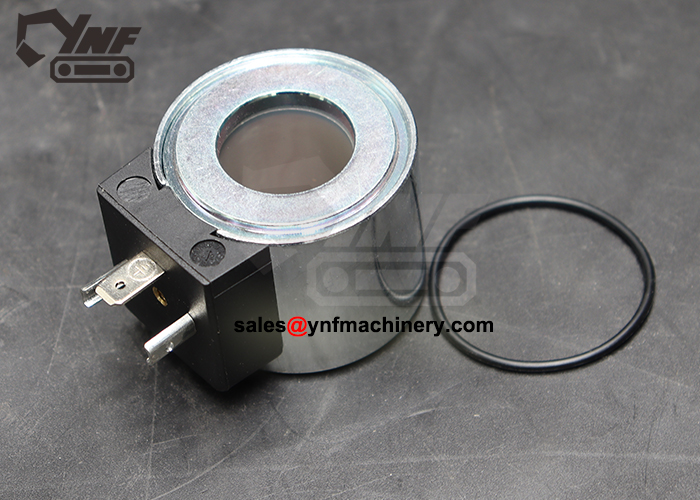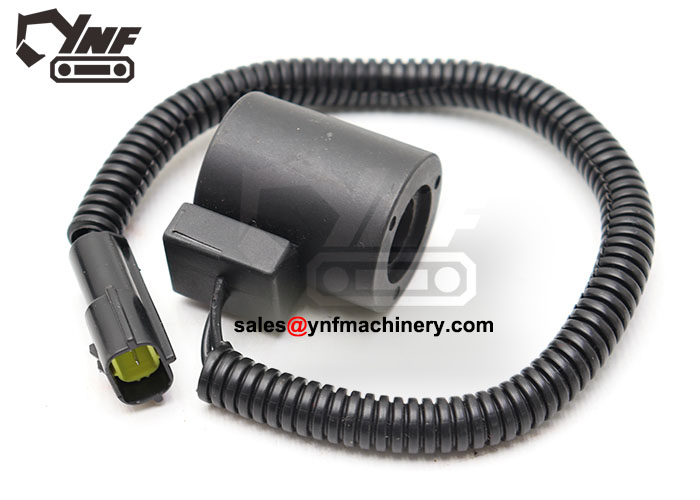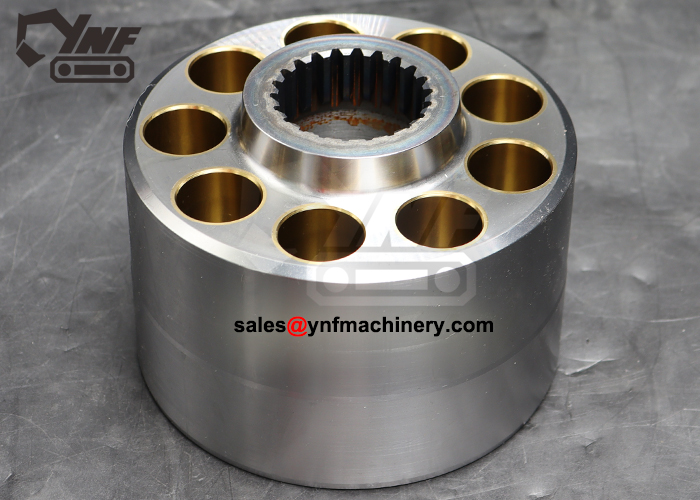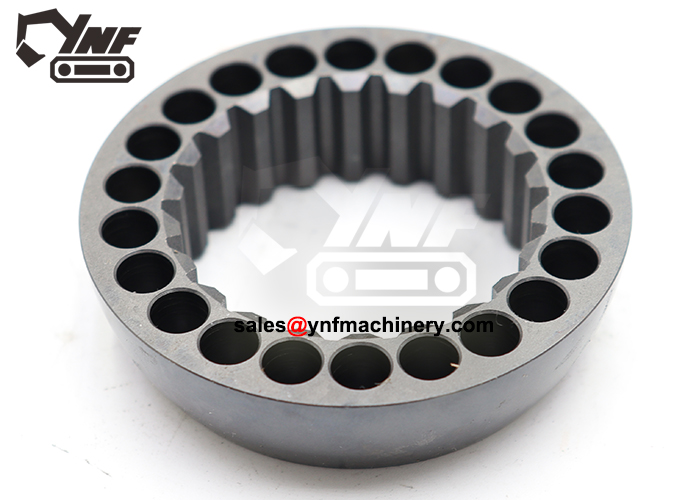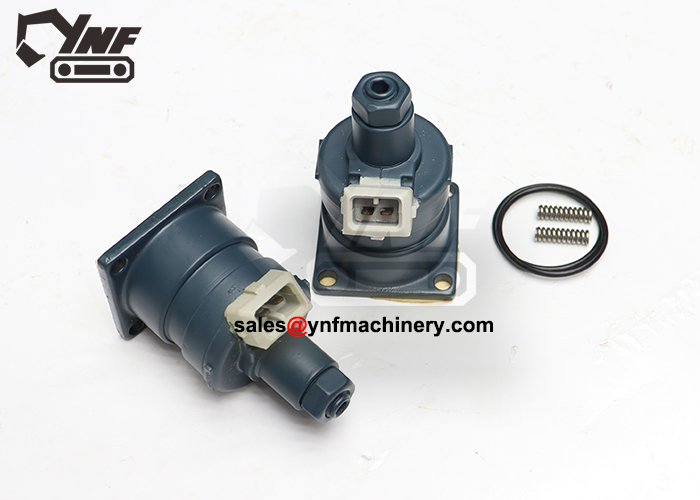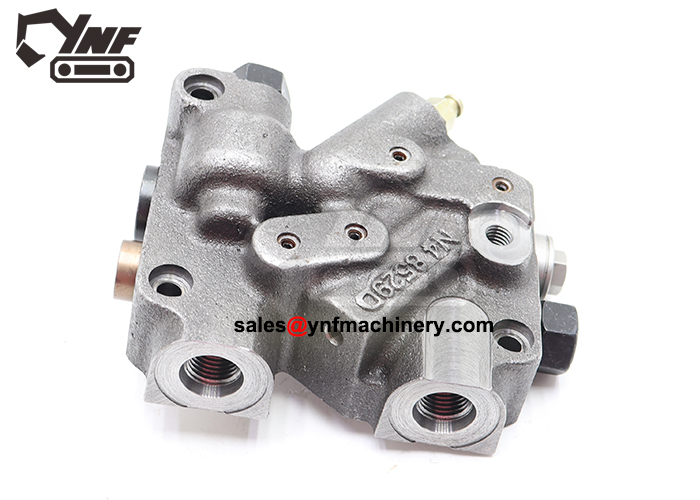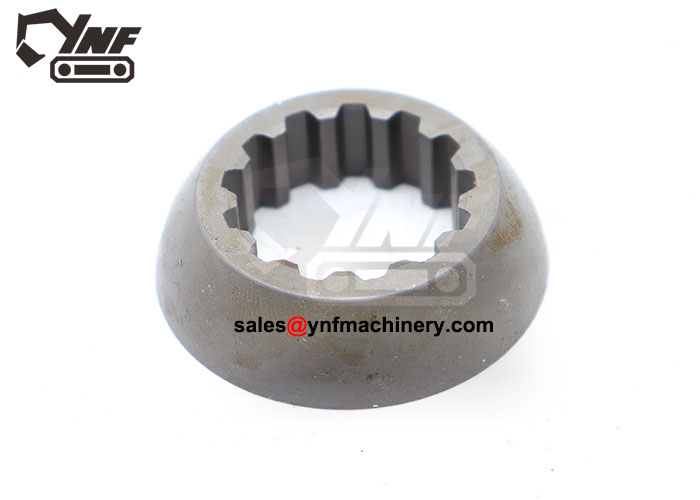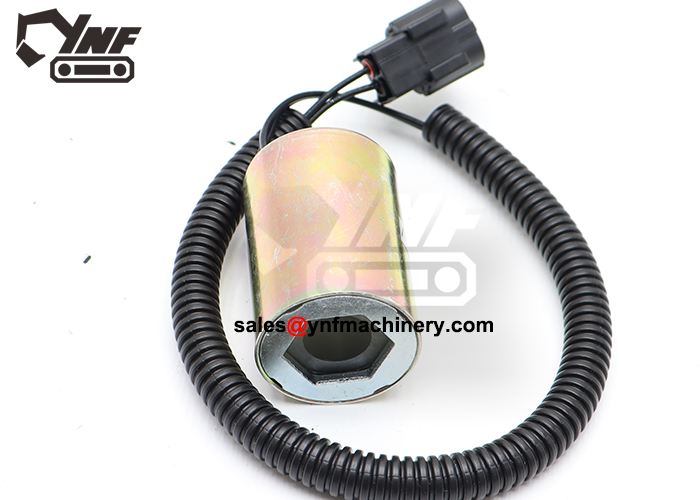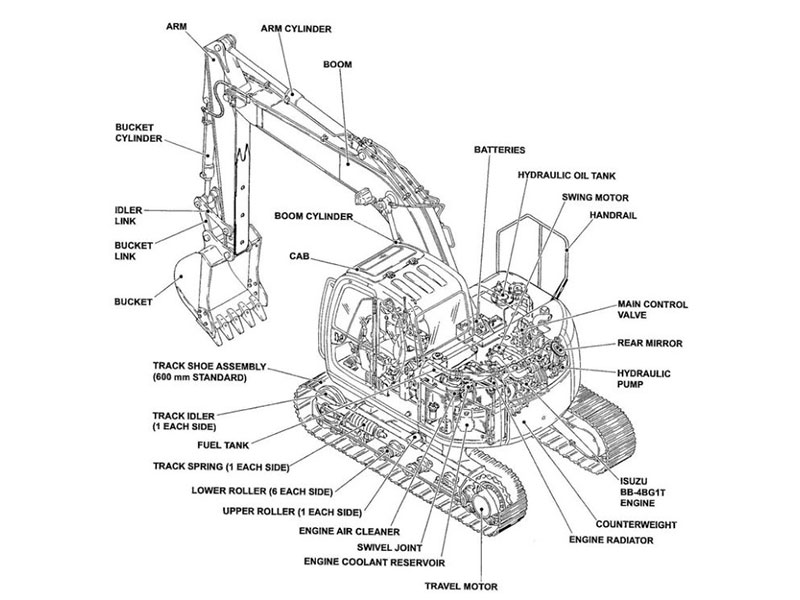


Maintaining the valve block for excavator parts is essential, as it involves checking, cleaning, and replacing these components to ensure your machine operates efficiently. Regular excavator maintenance is crucial to prevent unexpected breakdowns, enhancing both performance and longevity. By addressing issues early, you can save time and money. Many simple maintenance tasks can be performed by yourself, such as checking fluids, inspecting parts, and cleaning components. Here’s a quick guide to help you avoid costly repairs and improve performance:
|
Frequency |
Maintenance Task |
Description |
|---|---|---|
|
Daily |
Check fluid levels |
Check hydraulic oil, coolant, and grease to keep your machine working well. |
|
Daily |
Inspect tracks/undercarriage |
Look for damage and clean dirt to keep your machine stable and moving. |
|
Weekly |
Test hydraulic hoses |
Look for leaks to stop hydraulic problems. |
|
Weekly |
Examine bucket teeth and pins |
Make sure they are not broken for good operation. |
|
Monthly |
Replace filters |
Change air, fuel, and hydraulic filters to keep your machine efficient. |
|
Monthly |
Inspect electrical systems |
Check cab’s electrical parts to make sure they work. |
|
Annually |
Schedule professional inspections |
Have experts check engine parts and structure for safety. |
Key Takeaways
-
Doing valve block maintenance often stops breakdowns. It helps your excavator work well.
-
Check every day for leaks, fluid levels, and worn parts. This helps you find problems early and saves money on fixing them.
-
Clean the valve block with compressed air, ultrasonic methods, or soft brushes. This makes sure it works smoothly.
-
Change worn parts right away and use good quality replacements. This helps your excavator last longer.
-
Stick to a maintenance schedule. This makes your machine work better, have less downtime, and keeps job sites safer.
Valve Block Maintenance Overview
What Is Valve Block Maintenance?
Valve block maintenance helps your excavator work well. You need to check parts often. Clean the valve block if you see dirt. Replace parts that are worn out. This stops problems before they happen. It keeps your excavator from breaking down. Regular maintenance protects the hydraulic system. It makes sure all parts work together.
Look for leaks or signs of wear in the valve block. Clean away dirt or debris right away. Use the correct tools for the job. Follow the steps in your excavator manual. Good maintenance means you fix things early. You do not wait for problems to get worse. This keeps your machine working great.
Tip: Always turn off your excavator before you start maintenance. This keeps you safe and protects your equipment.
Why Excavator Maintenance Matters
Excavator maintenance is more than fixing broken parts. You use maintenance to keep your excavator strong. If you skip maintenance, your excavator can lose power. It may slow down and not work well. This can lead to expensive repairs.
You want your excavator to last many years. Regular maintenance helps you reach this goal. When you check the valve block and other parts, you find small issues early. This saves money and keeps your excavator ready for work.
-
Regular maintenance improves performance.
-
It reduces downtime and avoids costly repairs.
-
It keeps your excavator safe for everyone at the job site.
If you want your excavator to work hard every day, make maintenance important. Good maintenance leads to better performance and longer machine life.
Valve Block Function in Excavator Hydraulic System
Role in Excavator Operation
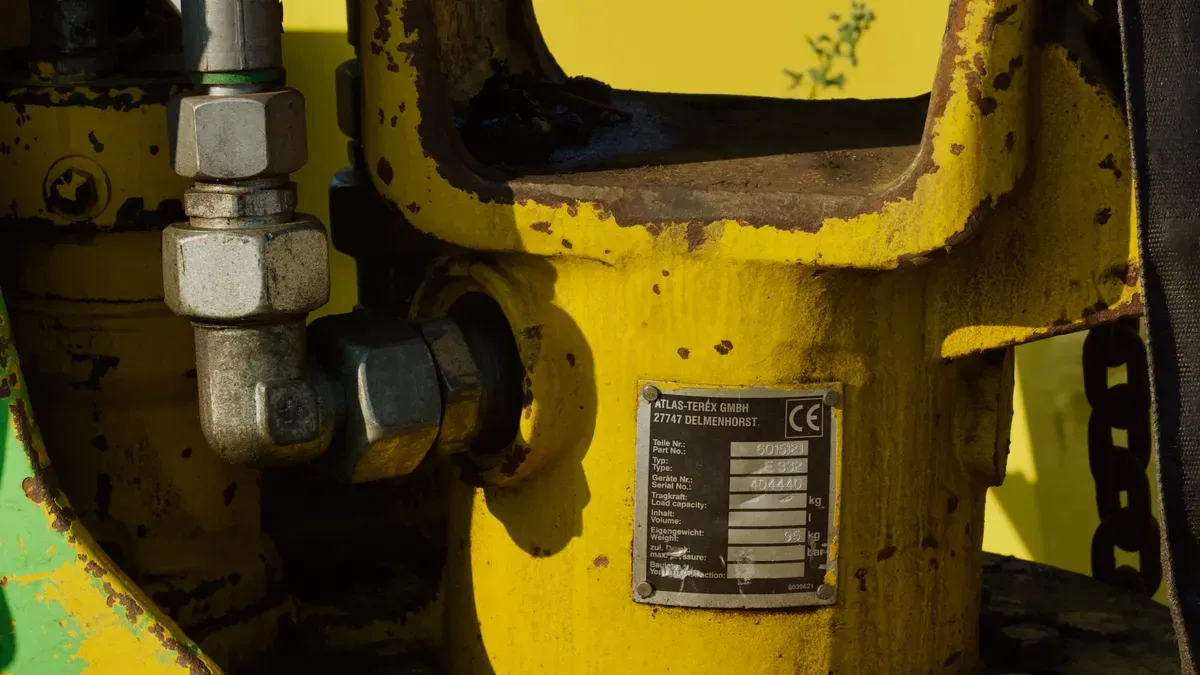
The valve block helps control how your excavator moves. It is the main part of the hydraulic system. It sends hydraulic fluid to the right cylinders and motors. This lets you move the boom, arm, bucket, and swing parts. The valve block also controls the pressure of the hydraulic fluid. You can lift heavy things or move the arm smoothly because it changes the pressure for each job. When you want to change speed, the valve block changes how fast the fluid flows. This lets you lift slowly or dump the bucket quickly. The valve block also sends fluid back to the reservoir. This keeps the hydraulic system working.
-
The valve block sends hydraulic fluid to cylinders and motors. This lets you control the boom, arm, bucket, and swing.
-
It changes the pressure of hydraulic fluid for each job. This helps you lift or move parts easily.
-
The valve block changes how fast the fluid flows. This lets you move slowly or quickly.
-
It sends fluid back to the reservoir. This finishes the hydraulic cycle.
The valve block makes your excavator’s hydraulic system work better. There are fewer leaks because there are fewer connections. The inside paths are made to lose less pressure. This gives you smoother operation. The valve block is small, so you can control the excavator’s parts faster and more accurately.
|
Contribution to Efficiency |
Description |
|---|---|
|
Reduction of Leakage Points |
Fewer connections mean fewer leaks. This makes your excavator safer and more reliable. |
|
Improved Flow Management |
The inside paths are made to lose less pressure. This gives you smoother movement. |
|
Enhanced System Performance |
The small design lets you control parts faster and more precisely. This makes your excavator work better. |
Note: If you take care of the valve block, your excavator’s hydraulic system will stay reliable and efficient. This means less downtime and fewer repairs.
Key Valve Block Components
You should know the main parts of the valve block. This helps keep your excavator working well. Valve faces can get pits, cracks, or burn marks. These problems make it hard for the valve to seal. Valve seats can wear out, bend, or lose material. This affects compression. Valve guides can wear down or get loose. This makes the valves line up wrong. Valve stems can get scratched, bent, or worn out. This makes them hard to use.
-
Valve faces: Can get pits, cracks, or burn marks. This makes sealing harder.
-
Valve seats: Can wear out, bend, or lose material. This affects compression.
-
Valve guides: Can wear down or get loose. This makes the valves line up wrong.
-
Valve stems: Can get scratched, bent, or worn out. This makes them hard to use.
Check these parts often when you do excavator maintenance. If you find problems early, you can fix them before they get worse. Clean hydraulic fluid and good filters help protect these parts. Dirt in the hydraulic system can cause parts to wear out, leak, or block flow lines. Always check your filter system and change filters when needed. This keeps your excavator’s hydraulic system working well.
Valve Block Maintenance Steps
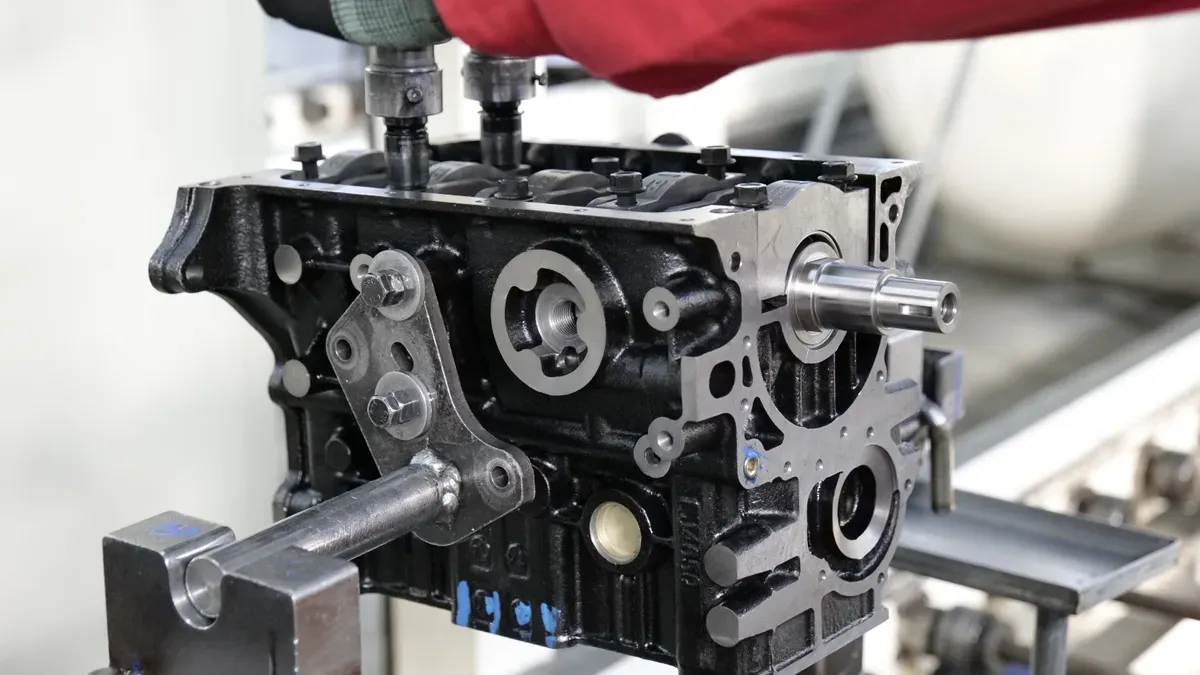
Safety Precautions for Excavator Maintenance
You need to be careful before you start any excavator maintenance. First, turn off the engine and take out the key. Let out all the hydraulic pressure in the system. This stops the excavator parts from moving by accident. It keeps you safe. Wear gloves, safety glasses, and steel-toed boots. Never go under a raised boom or arm unless it is supported.
Here are safety rules for valve block for excavator parts:
-
Check the hydraulic system’s standard pressure. Use the manual to find the right numbers.
-
Stop the excavator and let out all hydraulic pressure before you touch any safety valve.
-
Use a pressure gauge to check and set the main safety valve pressure. Make sure it matches the standard.
-
Always use the correct tools from your excavator maintenance checklist.
Tip: Keep your work area clean and wipe up oil spills. This helps stop slips and falls when you do maintenance.
Inspection Techniques for Valve Block for Excavator Parts
Regular checks help you find problems early. Add these steps to your daily inspections and your excavator maintenance checklist:
-
Clean the valve block for excavator parts. Look for cracks, rust, or worn spots on every surface.
-
Use a flashlight or dye to find small cracks in the valve block.
-
Check for leaks around the valve block and hydraulic lines. If you think there is a leak, pressure-test the block.
-
Use a straight edge and feeler gauge to check if the valve block deck is flat. Warping can hurt performance.
-
Make sure all fittings and connections are tight. Loose parts can leak and lower performance.
Write down what you find in your maintenance log. This helps you see changes and plan repairs before they get worse.
Cleaning Methods: Compressed Air, Ultrasonic, and Manual
Keeping the valve block for excavator parts clean helps it work well. Pick the best cleaning method for the dirt and the part’s condition.
-
Compressed Air: Blow away dust and loose dirt from the valve block. Hold the nozzle far enough away so you do not hurt the parts. Wear eye protection so nothing gets in your eyes.
-
Ultrasonic Cleaning: Put the valve block in an ultrasonic cleaner with the right cleaning liquid. The machine uses sound waves to clean hard-to-reach spots. This method cleans deeply and does not hurt the excavator parts.
-
Manual Cleaning: Use a soft brush and a lint-free cloth to wipe off oil and grime. Do not use metal brushes because they can scratch the valve block for excavator parts.
Note: Never use strong chemicals that can harm seals or the excavator lubrication system. Always use cleaning products from your excavator maintenance checklist.
Lubrication and Hydraulic Oil Replacement
Good lubrication helps your excavator run smoothly. The excavator lubrication system needs regular care. Grease all moving parts to lower friction and stop wear. Greasing is very important. Add greasing to your daily inspections and your excavator maintenance checklist.
Check the level and quality of excavator lubrication oil every day. Add more oil if needed. Change the oil filter when your schedule says to. Only use the oil your excavator lubrication system needs.
Manufacturers say to change excavator lubrication oil every 2,000 to 4,000 hours. The exact time depends on how hard you use your excavator and your job site. Changing oil often keeps the hydraulic system working well and saves money on repairs.
-
Change oil more often if you work in dusty or wet places.
-
Always throw away used oil safely and follow local rules.
Callout: A good excavator lubrication system helps your valve block for excavator parts last longer and work better.
Replacing Worn Valve Block Parts
Worn valve block for excavator parts can leak, work badly, or even break the system. Add part replacement to your excavator maintenance checklist. Check all parts during your regular maintenance. Look for signs of wear, rust, or damage.
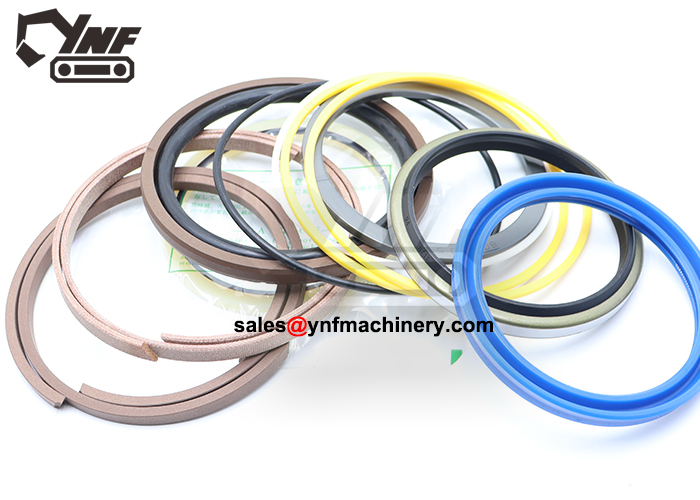
If you see worn or broken parts, change them right away. Only use good parts that fit your excavator model. YNF Machinery has strong valve block for excavator parts. Their parts fit most big brands and meet high standards.
Follow these steps to change worn parts:
-
Turn off the excavator and let out all hydraulic pressure.
-
Take out the old valve block parts using the right tools from your checklist.
-
Clean the area and look for more damage.
-
Put in the new parts and make sure all seals and fittings are tight.
-
Fill up the excavator lubrication oil and check for leaks.
-
Test the excavator to make sure it works right.
Reminder: Always update your excavator maintenance checklist after you change parts. This helps you keep track of maintenance and plan future checks.
By following these valve block maintenance steps, you protect your excavator, help it work better, and have less downtime. Make these steps part of your regular excavator maintenance routine for the best results.
Excavator Maintenance Schedule and Signs of Wear
Recommended Maintenance Intervals
You need a good plan to keep your excavator working well. A set schedule helps you stop sudden breakdowns. It also keeps all parts in good shape. Use a checklist to track every job. This helps you remember each step.
Here is a table that shows when to do important jobs:
|
Maintenance Task |
Recommended Interval (Operating Hours) |
|---|---|
|
Filter Changes |
250 to 500 |
|
Lubrication |
50 to 100 |
|
Varies (based on wear levels) |
|
|
Fluid Changes |
250 to 500 (engine oil), 1,000 to 2,000 (hydraulic fluid and coolant) |
|
Component Inspections |
250 to 500 |
|
Track and Undercarriage Maintenance |
250 to 1,000 |
You should also do jobs every day, week, month, and year. Use your checklist to help you remember:
-
Daily: Check fluid levels, filters, battery, tires, tracks, undercarriage, and controls.
-
Weekly: Change engine oil and filter, look at the hydraulic system, sharpen or change bucket teeth, and check the machine’s strength.
-
Monthly: Look at the fuel and cooling systems, check the electrical system, and clean the whole machine.
-
Annually: Change all fluids and do a deep check of main parts.
A good schedule and checklist help you find problems early. This keeps your excavator safe and working well.
Common Signs of Valve Block Failure
You need to look for signs that the valve block is failing. Finding problems early helps you stop bigger issues and saves money. Add these checks to your schedule and checklist:
-
Oil leaks near the valve body or screw mean a seal or O-ring is bad.
-
Small leaks may not look serious but can let air and dirt in.
-
If the valve does not move fluid right, you need to change the valve and seals.
-
Cracks in the valve block are a big problem. You must change the whole part.
-
If you see oil on the ground or parts, check the valve block right away.
Tip: If you see any of these signs, stop using the excavator and check the parts. Acting fast can save you time and money.
Keep your checklist up to date and follow your schedule closely. If you need new parts, YNF Machinery has good choices for most excavators.
Troubleshooting Excavator Valve Block Issues
Valve block problems can make your excavator lose power. It might leak oil or stop working. You need a good troubleshooting plan to keep your machine running. This section shows you how to use the right steps. You will learn how to find problems. You will know when to fix things yourself or call for help.
Identifying Leaks and Pressure Problems
Leaks and pressure issues happen often in valve blocks. You can spot these problems early with a careful checklist. Here are some steps for troubleshooting:
-
Look for leaks on hoses, lines, and cylinders. Oil on the ground or wet spots mean there is a leak.
-
Watch how your excavator works. If it has less power or moves slowly, there may be internal leakage.
-
Check the hydraulic fluid. If you see dirt or metal in the oil, a seal may be broken.
-
Inspect seals and o-rings. Bad seals or o-rings often cause leaks.
-
Examine the valve block for cracks. Cracks can cause big leaks and need quick repair.
Tip: Add these checks to your daily checklist. Finding problems early helps you avoid bigger repairs. It keeps your excavator safe.
Diagnosing Valve Block Malfunctions
You need the right tools and a clear plan to find valve block problems. Use your checklist to guide you. Here are signs and tools you should use:
-
A bad valve can cause wrong flow and poor performance.
-
Leaks from seals, o-rings, or cracks show trouble.
-
Strange noises or jerky movements mean the valve block may not work right.
You can use these tools for troubleshooting:
|
Diagnostic Tool |
Price Range |
|---|---|
|
Digital multimeter |
$30–50 |
|
Flashlight or headlamp |
N/A |
|
Magnet |
N/A |
A digital multimeter checks electrical parts. A flashlight or headlamp helps you see leaks or cracks. A magnet finds metal pieces in the hydraulic fluid. Always add these tools to your checklist.
Note: If you find a problem, stop using the excavator until you finish repairs. This stops more damage and keeps your machine safe.
When to DIY or Seek Excavator Repair
You must decide if you can fix the problem yourself or need a repair service. Use your checklist and these rules to help you choose:
|
Scenario |
Fix Criteria |
Replace Criteria |
|---|---|---|
|
Minor Seal Leaks or Hose Damage |
Seals are easy to reach; hoses are standard sizes; cylinder and rod are fine; repair cost is under 30% of replacement |
Cylinder barrel is scored; rod is bent or pitted; hoses need custom work; parts are hard to find |
|
Hydraulic Pump Wear or Failure |
Pump can be rebuilt; wear is moderate; rebuild cost is 40-60% of new; downtime is acceptable |
Pump has major damage; model is obsolete; rebuild cost is 70%+ of new; machine downtime is costly |
If you have small leaks or standard hose damage, you can often fix it yourself. Use your checklist and follow your manual. If you find deep damage, custom parts, or high costs, call a repair service.
Callout: For hard-to-find parts or expert repairs, YNF Machinery offers strong valve block parts and fast service for most excavator brands.
A good troubleshooting plan and regular maintenance help you avoid expensive repairs. Always know your limits. If you feel unsure, get professional help to keep your machine safe and working.
Tools and Safety for Valve Block Maintenance
Essential Tools for Excavator Maintenance
You need the right tools to keep your excavator working well. Good tools help you fix things safely and fast. Always check your toolbox before you start any job. Here are the main tools you need for valve block maintenance:
-
Wrenches and socket sets help you take off bolts and fittings.
-
Use a torque wrench to tighten bolts just right.
-
A pressure gauge checks hydraulic pressure.
-
Flashlights help you see in dark or small spaces.
-
Soft brushes and lint-free cloths clean parts gently.
-
An ultrasonic cleaner cleans valve block parts deeply.
-
Seal pick sets help you remove old seals.
-
Safety gloves and goggles protect your hands and eyes.
You can buy good tools and parts from trusted sellers. YNF Machinery has strong tools and parts for excavator maintenance.
Skills and Training Needed
You need the right skills and training to do valve block maintenance safely. You must know how your excavator works and how to use each tool. Here are the main skills and training you should have:
-
You need technical knowledge about different valve models and how they work.
-
Get hands-on training with someone who knows the job well.
-
Learn safety rules for risky maintenance jobs.
-
Industry certifications show you are ready for this work.
Tip: Keep learning new things. New tools and methods help you do better maintenance and keep your excavator running longer.
Safety Tips
You must follow safety rules every time you work on your excavator. These steps keep you and your machine safe. Here are the best safety tips for valve block service:
-
Turn off the excavator before you start any work.
-
Make sure all moving parts have stopped.
-
Lock and tag each energy device in the right order.
-
Check that the lockout works and the machine is safe.
-
Always check the pressure gauge before you open or fix any part.
-
Wear gloves, goggles, and boots to protect yourself.
-
Keep your work area clean so you do not slip or fall.
Note: Never skip safety steps. Careful work keeps your excavator safe and ready to use.
Preventive Maintenance Tips for Excavator Longevity
Best Practices for Valve Block Health
You can help your excavator last longer by doing regular maintenance. Start each day with a checklist that covers all parts of the machine. Look at the valve block for leaks, damage, or worn spots. Check the fluid levels and make sure the oil is clean. Use the right grease and oil to stop parts from rubbing too much. Change out old or broken parts with good ones that fit your machine. Pick parts that match your excavator model so everything works right.
-
Check the system often to find leaks or damage early.
-
Make sure to check fluids so oil stays clean and full.
-
Put grease and oil on all moving parts.
-
Only use good parts that fit your machine when you replace things.
-
Always follow your checklist for every job.
These steps help stop your excavator from breaking down. Greasing and changing oil keeps the lubrication oil clean and working well. Doing regular maintenance saves money and keeps your machine running. YNF Machinery has good parts for valve block care. Their parts work with many excavator brands and meet top standards.
Record-Keeping and Monitoring
Write down every maintenance job you do. Keep notes about problems and repairs in your checklist. Writing things down helps you see if the same problem happens again. You can use special tools to watch your excavator and find issues before they get worse.
Writing down problems and doing these end-of-day jobs keeps your machine in great shape and helps stop big repairs before they start.
Modern maintenance means you check your machine every day and use new tools to watch for trouble. You do regular checks, add grease, and change filters. Fix problems fast to keep your excavator working well. This lowers the chance of breakdowns and helps your machine work better. Safety goes up and you spend less money. Always follow the schedule from the maker for the best results.
-
Do regular checks and add grease.
-
Change filters and oil when needed.
-
Watch how your machine works and update your checklist.
-
Fix problems as soon as you see them.
-
Use a set schedule for maintenance.
Keeping good records and watching your machine helps it last longer. You keep the oil fresh and the hydraulic system strong. It is easier to fix problems when you have notes. Your excavator stays safe and ready for work.
Doing regular valve block maintenance helps your excavator stay strong. If you follow a set schedule, you lower the chance of big repairs. This also helps your excavator last longer and work better. The table below shows how daily checks can stop problems:
|
Benefit |
Impact on Excavator Maintenance |
|---|---|
|
Fewer Catastrophic Failures |
Daily inspections cut failures by 65% |
|
More Prevented Failures |
Planning stops 85% of issues |
Always use the right tools. Check your manual for help. Ask a professional if you are not sure.
FAQ
How often should you check the valve block on your excavator?
Check the valve block every 250 to 500 hours. Look at it every day to find leaks or damage early. A regular schedule helps your excavator work well.
What are the signs that your excavator valve block needs maintenance?
Look for oil leaks, slow moves, or weird sounds. If your excavator loses power or stops working right, check the valve block. Fixing problems early stops bigger trouble.
Can you clean the valve block yourself, or do you need a professional?
You can clean the valve block with compressed air or a soft brush. If you need deep cleaning or see big damage, call a professional. YNF Machinery has experts and good parts for your excavator.
What tools do you need for basic excavator valve block maintenance?
You need wrenches, a pressure gauge, soft brushes, and safety gear. An ultrasonic cleaner is good for deep cleaning. Always use tools that fit your excavator.
Where can you find reliable parts for your excavator valve block?
You can get good parts from YNF Machinery. They have strong valve block parts for many excavator brands. Their service helps keep your machine working well.