
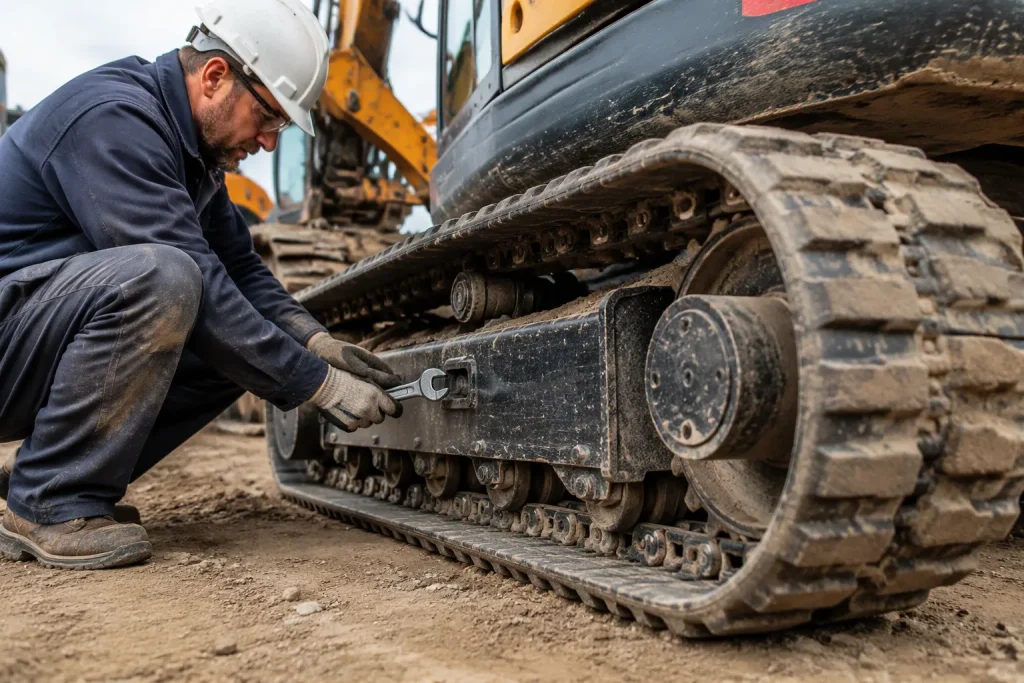
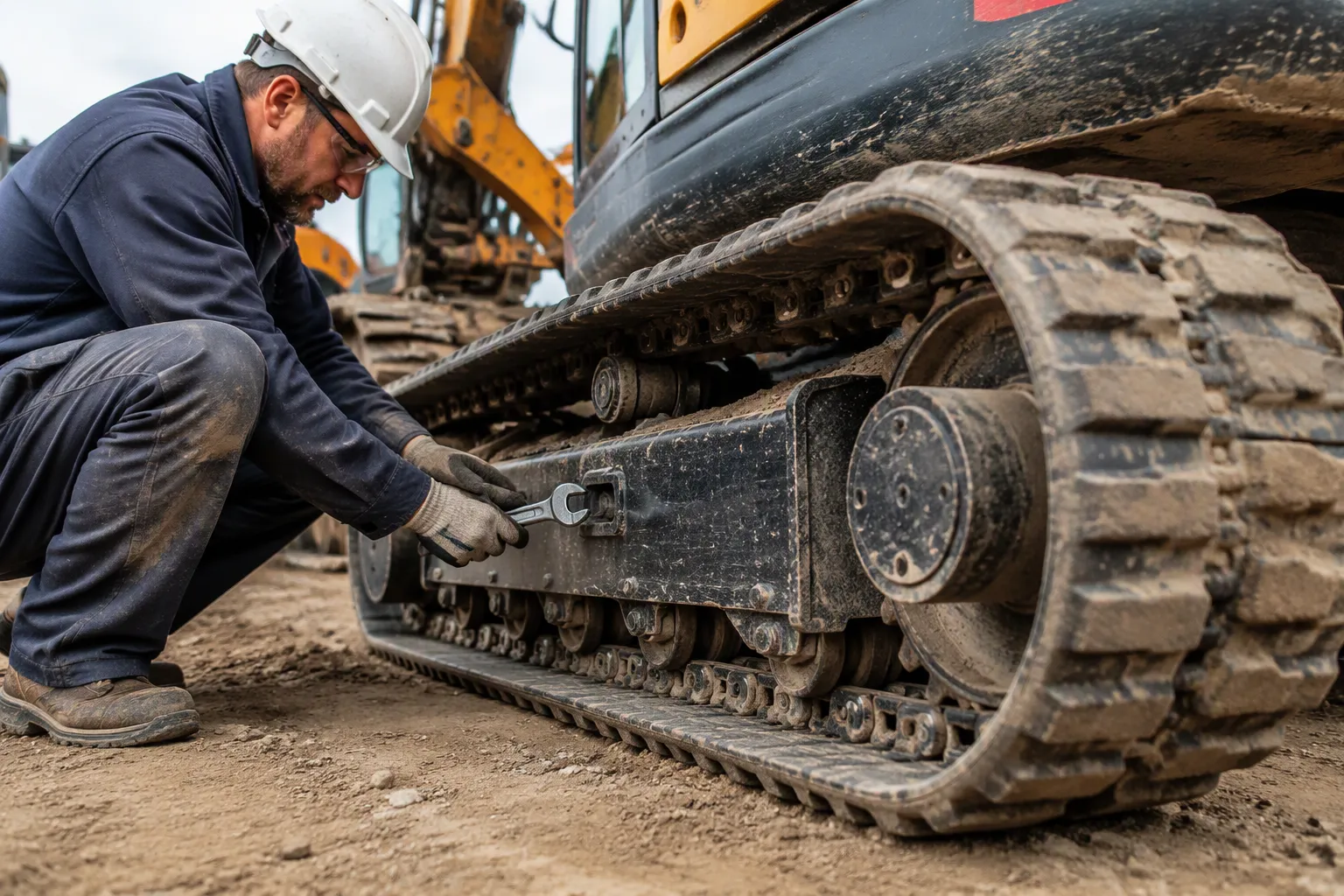
Undercarriage wear is bound to happen on any machine that does work. The right replacement depends on your specific machine, not on guessing. One wrong sprocket, roller, idler, or track leads to fitment failure, downtime, and wasted money. To pick the right undercarriage for your mini excavator, follow a practical path. Match undercarriage parts for excavators to the equipment type and size. Check the setup in the parts manual. Write down part numbers and measurements. Think about the approved track and shoe setup. Check everything against the serial range before you order. That order of steps helps you find the right undercarriage for your construction equipment and avoid costly returns. This guide walks you through each step of the undercarriage selection process.
Key Takeaways
First, match the undercarriage parts to your excavator’s type and size.
Check the parts manual to find the exact parts for your serial number.
Note the part numbers and important measurements before you place your order.
Choose rubber or steel tracks based on the ground you work on.
Compare the replacement part with your serial range to make sure it fits.
Match Undercarriage Parts for Excavators to Equipment Type and Size
The type and size of your equipment set every undercarriage specification. A small machine and a bigger unit carry different loads, so they need different parts. Begin with the details of your own machine, not a generic parts list.
Distinguish Tracked and Wheeled Mini Excavators
This guide focuses on tracked mini excavators, whose undercarriage parts must match the machine configuration. Wheeled excavators use a different running gear, so use the correct parts documentation for the equipment type.
Know the Main Undercarriage Components
Each part has its own job. Track chains join together with pins, and the sprocket grabs those links to move the machine. Track shoes touch the ground, and their grouser bars grip the surface. Bottom rollers, often called track rollers, roll on the chain rail and carry the load. Carrier rollers keep the chain on its return run. Track sprockets bolt to the final drive and push the links. Track idlers guide the link and hold tension with the adjuster behind them. Rubber pads go over the steel undercarriage for work on finished surfaces.
Undercarriage parts are not universally interchangeable. Check the machine identification and parts documentation before selecting a replacement, even when a component looks similar.
Confirm the Right Undercarriage Parts in the Parts Manual
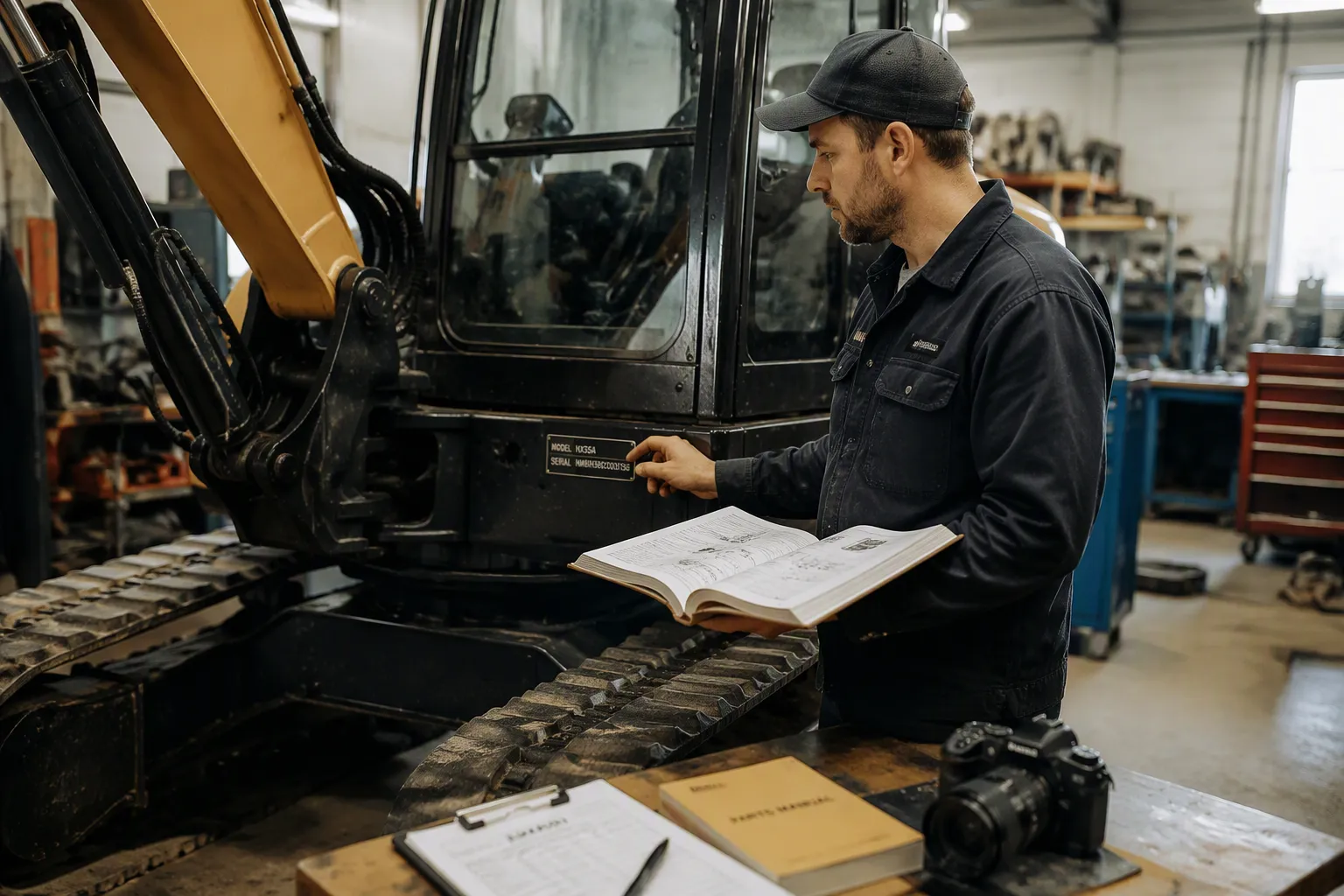
Use the parts manual or current parts catalog for your exact machine. These references help identify the undercarriage components listed for a model and applicable serial range; confirm any superseded part numbers in the current documentation.
Record Make, Model, and Serial Number or PIN
Before checking a parts catalog, record the equipment make, complete model designation, and full serial number or PIN. Suffixes and serial ranges can matter, so avoid relying on a shortened model name.
The serial number or PIN location varies by make and model. Check the operator or parts manual for the correct location, then photograph the machine plate so the complete number is readable.
Verify the Exact Configuration
A model name alone may not identify every production configuration. Market, production date, and serial range can affect the listed parts. Compare the machine plate and existing component details with the applicable manual entry instead of assuming that similar-looking parts interchange.
Use the applicable manual entry to guide the fitment check. Record the model and serial range, identify the relevant undercarriage assembly, and compare the listed part numbers with the component being replaced. If the records conflict, pause and confirm the configuration before ordering.
Note the make, full model, and serial number or PIN.
Find the undercarriage section for that serial range in the manual.
List every part the manual shows for your configuration.
Compare that list against the parts currently on your machine.
Comparing the installed component and its markings with the applicable manual entry helps narrow down the replacement. Treat the documented model and serial range as the starting point for verifying undercarriage parts.
Capture Part Numbers and Measurements for Undercarriage Parts
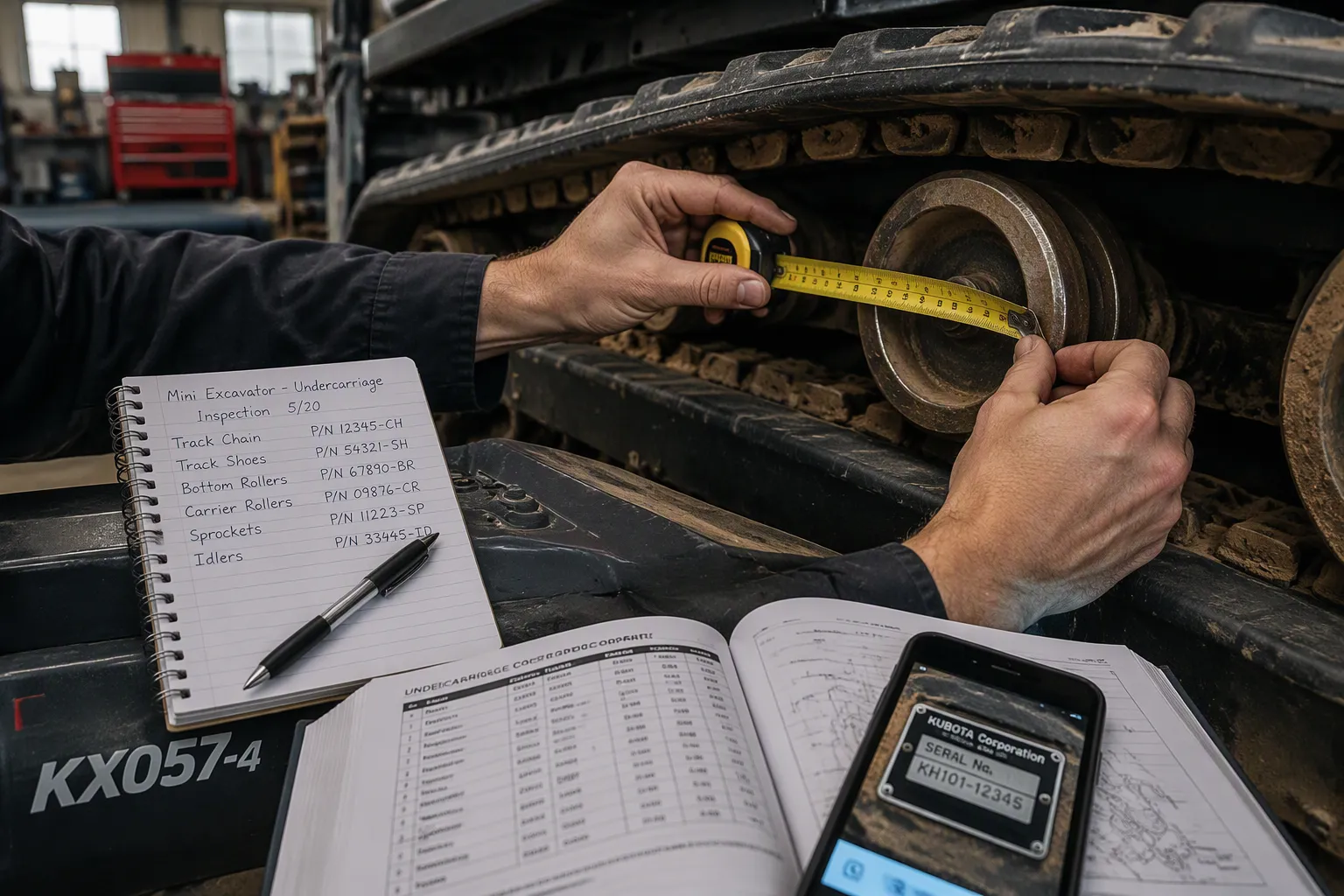
A part number and a tape measure work together. Use the number as the primary reference and measurements as a cross-check where the component documentation calls for them.
Record the Part Number for Each Component
Use the parts manual entry for your serial range to record the part number of the component you need. Note the side and position where relevant, since left and right assemblies or different locations may use different parts.
Keep the make, full model, serial number or PIN, component location, and part number together in one record. A clear photo of the machine plate and the removed component can help you review those details later.
Compare Dimensions Where Applicable
Measurements support the part number. They do not replace it. Take them from the parts currently on your machine and compare them with the manual listing. Check these dimensions where they apply:
Roller diameter
Shaft diameter
Flange type
Link pitch
Bolt hole spacing
Shoe width
Relevant dimensions depend on the component and machine design. Compare measurements with the applicable parts documentation and the removed component; do not treat a measurement from another model as a universal specification.
For a track chain, pitch is the distance between successive pin centers. It must correspond to the mating undercarriage components specified for the machine. Confirm pitch and link count from the applicable documentation rather than using appearance alone.
Other dimensions may matter for a particular component, such as link or rail dimensions, pin and bushing sizes, mounting points, or bolt spacing. Check only the measurements relevant to the part and confirm them against the machine documentation. Inspect mating components as well, and replace related parts only when the manual or their condition indicates it.
Account for Track Setup and Excavator Undercarriage Maintenance
Use a track and shoe configuration approved for the machine. Surface conditions can influence which available setup is suitable, but compatibility and operating limits should be confirmed in the machine documentation.
Weigh Rubber and Steel Track Options
Rubber and steel track configurations have different tradeoffs. Rubber tracks may be selected for some finished-surface applications, while steel track configurations may suit other environments. The correct choice depends on the machine, approved configuration, and site requirements; consult the manual before changing track type or shoe setup.
Work surface, material buildup, and operating practices can affect undercarriage wear. Remove packed debris as directed by the manual, and check track tension and alignment using the specified procedure. Avoid applying a single inspection interval or adjustment value to every machine.
Inspect Wear and Plan Replacements
Follow the operator manual’s inspection schedule and procedure. When inspecting the undercarriage, look for visible damage, unusual wear, loose hardware, debris buildup, and changes in track condition. Use the manual for tension and alignment checks.
Uneven wear, damaged shoes, abnormal noise, or visible component damage can warrant further inspection. Do not assume that every worn sprocket, roller, or idler must be replaced at the same time as a track chain; assess mating components and follow the service guidance for the machine.
Verify Fitment and Source the Right Undercarriage Parts
Check the Replacement Against the Serial Range
Before ordering, compare the replacement part number with the entry for your machine’s complete model and serial range. If the number has been superseded, verify the replacement reference in current documentation.
Follow these checks in order:
Write down the make, full model, and complete serial number or PIN.
Note the existing OEM or replacement part number, if you have one.
Measure the roller diameter, shaft diameter, and flange type.
Ask the supplier for the catalog entry that matches those measurements.
Do not match by model name alone.
Even within the same model line, small design updates can change undercarriage dimensions, so always confirm the serial range before ordering.
Confirm Quality and Cost
When reviewing a component, compare its specifications and construction with the requirements in the machine documentation. Avoid assuming that a particular material description or surface treatment guarantees service life in every application.
Replacement options may include original-equipment and aftermarket parts. Either way, verify the exact part number, configuration, and applicable serial range; do not assume that a general category or appearance proves compatibility.
Price is only one consideration alongside verified fitment, specifications, and the intended application. Confirm the part details before placing an order so that the replacement matches the machine.
A careful selection process starts with the machine make, complete model, and serial number or PIN. Use the applicable parts documentation, record the relevant part number and dimensions, and confirm the replacement against the machine configuration before ordering.
Before requesting a fitment check, gather the make, complete model, serial number or PIN, component location, part number, and relevant measurements. This information makes it easier to review whether a proposed replacement matches your machine.
FAQ
How do I find the serial number or PIN on my mini excavator?
The plate location varies by model. Consult the operator manual or parts documentation for its location, then record the complete serial number or PIN exactly as shown.
Can I order undercarriage parts by model name alone?
A model name alone may be insufficient when parts vary by production or serial range. Confirm the applicable catalog entry for the complete machine identification, and compare the component part number before ordering.
Why does track pitch matter when I replace a chain?
Track pitch is measured between successive pin centers. Confirm the specified pitch and link configuration for the machine and mating components in the applicable documentation; do not infer fitment from pitch alone.
Should I replace the sprockets when I install a new track chain?
Not automatically. Inspect the sprocket and chain together and follow the machine’s service guidance. Replace components according to their condition and documented requirements, then verify compatibility of the mating parts.
How often should I inspect the undercarriage?
Use the inspection timing and procedure in the operator manual. During an inspection, look for abnormal wear, debris buildup, damage, and changes in track condition; consult the manual for any tension or alignment checks.
YNF Machinery can help you check undercarriage part fitment using your machine’s make, complete model, and serial number or PIN.



