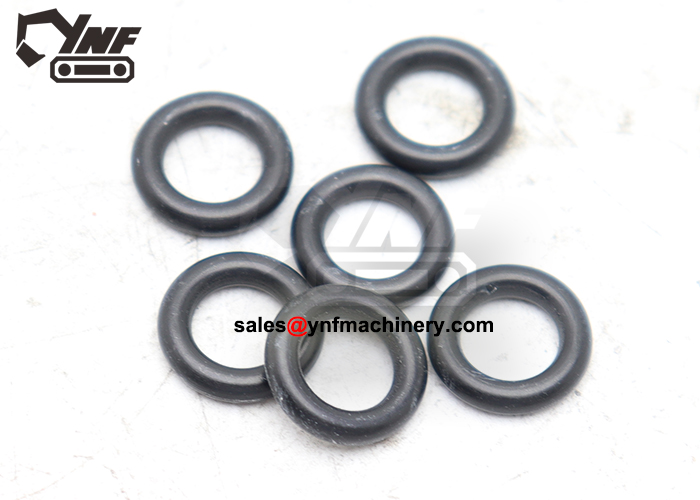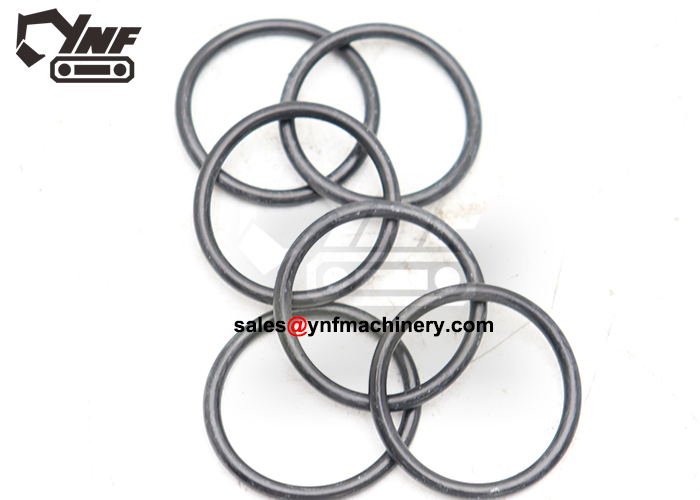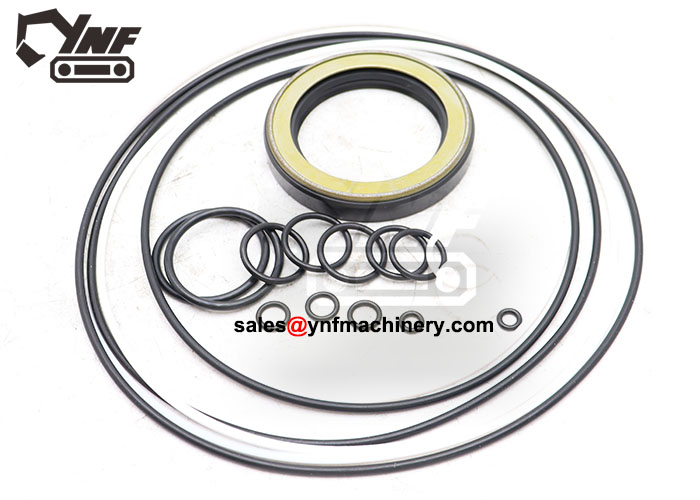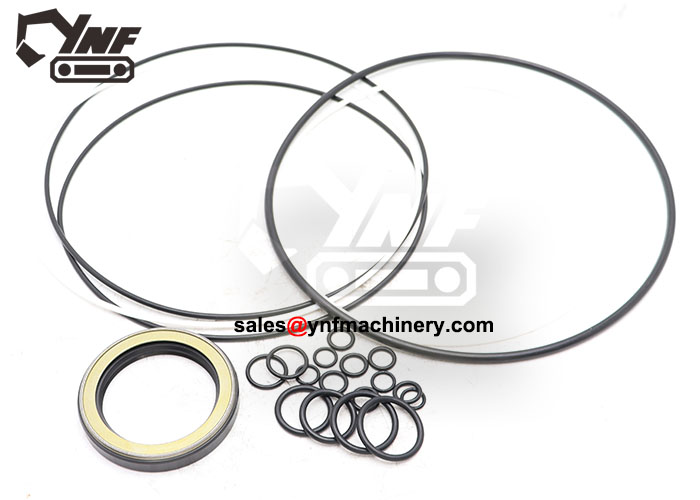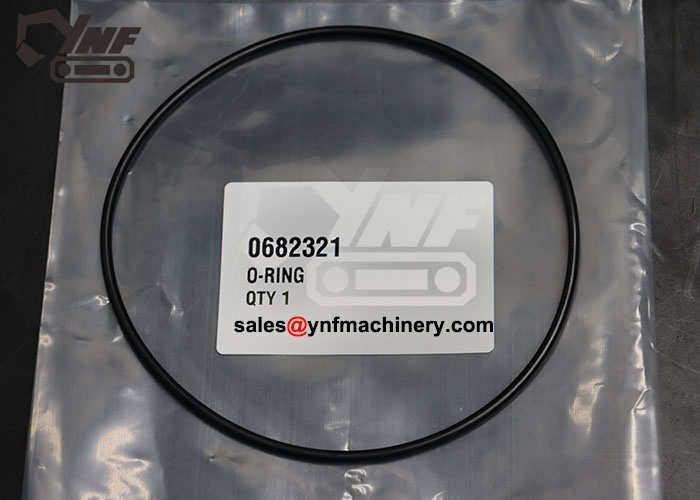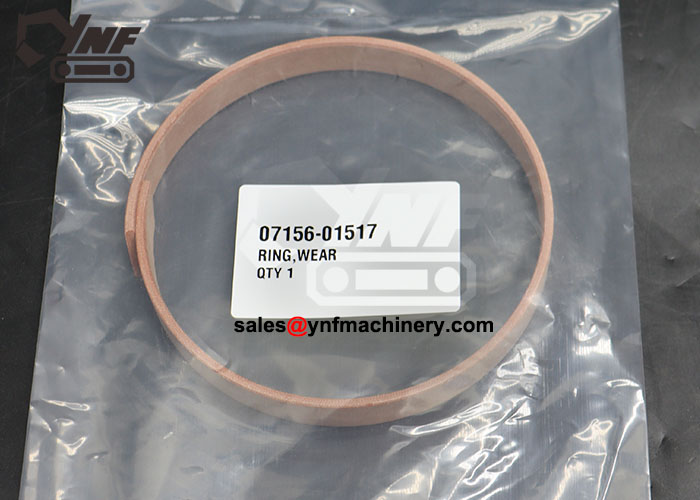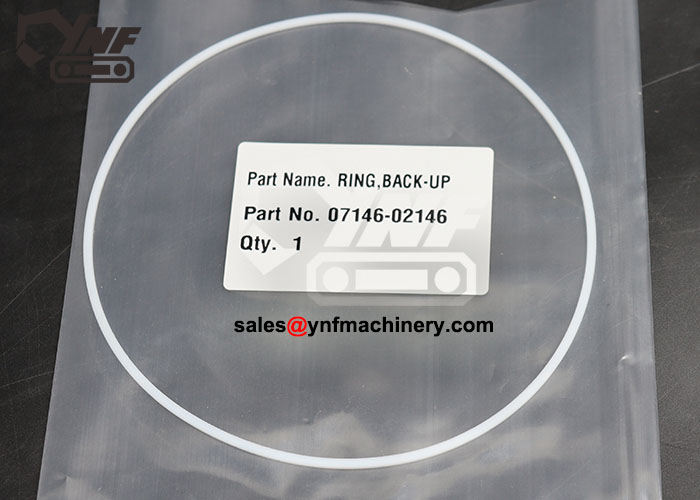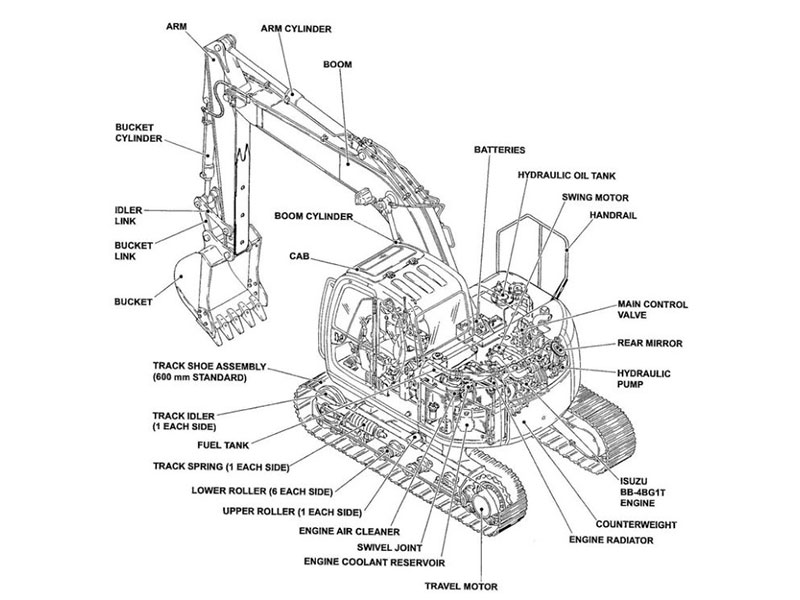


You can choose the right oil seal for excavator parts by focusing on a few key steps. Start by knowing your machine’s needs. Always check the size and material of the seal. Look for strong, quality seals that match your excavator’s work. Avoid using the wrong type or ignoring signs of wear. Proper care keeps your equipment running longer.
Key Takeaways
-
Find out your excavator’s model and make. This helps you pick the right oil seal. The right seal fits well and stops expensive repairs.
-
Check how your excavator works every day. Hot weather and dirt can hurt seals. Choose seals that can handle heat and dirt.
-
Look at oil seals often for damage or wear. If you find leaks or cracks early, you can avoid big repairs and lost work time.
-
Use good oil seals made for your model. Generic seals might not fit right. They can make you change seals more often.
-
Follow the correct steps to install oil seals. Careful installation stops leaks. It also helps your excavator’s hydraulic system last longer.
Application Requirements for Oil Seal for Excavator Parts
Before you select an oil seal for excavator parts, you need to gather all the right information about your machine. This step helps you avoid mistakes and keeps your equipment running smoothly. Matching the oil seal to your specific application and environment is key. If you skip this, you may face leaks, power loss, or even costly repairs.
Identify Model and Make
You should always start by knowing the exact model and make of your excavator. This information helps you find the right oil seal for excavator parts that fits your machine. Each excavator has unique needs, and using the wrong seal can cause problems. Here are the details you need to collect:
-
Model number of your excavator
-
Manufacturer or brand name
-
Year of production
-
Type of oil seal needed (for example, engine, hydraulic, or swing motor)
-
Size and material requirements
When you match the oil seal for excavator parts to your machine’s model and make, you ensure the best fit and performance. This step also helps you avoid wasting money on the wrong parts.
Assess Operating Conditions
You must look at the working conditions your excavator faces every day. Oil seal for excavator parts must handle tough jobs. High temperatures, strong pressure, and chemical exposure can damage a weak seal. For example, the engine area gets very hot and puts stress on the oil seal. If you choose a high-quality oil seal for excavator parts, it will last longer and stop leaks, even when the job gets tough.
Contaminants like dirt, water, and metal pieces can also get into the hydraulic system. These can cause the oil seal for excavator parts to fail. Even small bits of dirt can lower the power of your excavator and make repairs more expensive. You should always think about where your machine works and what it faces each day.
Tip: Write down the main challenges your excavator faces, such as heat, dust, or heavy loads. This list will help you pick the right oil seal for excavator parts.
Determine Seal Location
You need to know exactly where you will install the oil seal for excavator parts. Each spot in your excavator has different needs. For example, the shaft speed, temperature, and pressure can change from one part to another. If you do not check these details, the oil seal for excavator parts might not last long, even if it fits.
When you understand the seal location, you can choose a seal that keeps its shape and works well under pressure. This step helps you avoid leaks and keeps your excavator working without problems.
If you do not match the oil seal for excavator parts to the right spot and conditions, you may see leaks, wasted oil, and even damage to other parts. This can lead to higher costs, more downtime, and harm to the environment.
Key Factors in Choosing Oil Seal
Picking the right oil seal for your excavator is very important. It helps keep your engine and other parts working well. Each factor below affects how long your bearing seal type lasts. It also affects how well it protects your machine. If you pay attention to these things, you can stop leaks. You can spend less money on repairs. Your excavator will work better.
Material Compatibility
You must match the oil seal material to the fluids and conditions your excavator faces. The right material helps your bearing seal type last longer and work better. Here are some common materials and their strengths:
-
Nitrile rubber works well in normal temperatures. It resists petroleum-based oils and hydraulic fluids. This makes it a good choice for many engine and hydraulic parts.
-
Fluoroelastomer materials handle high heat and strong chemicals. They keep their shape and sealing power even in tough jobs.
-
Polyurethane is good because it resists wear. It handles dirt and particles well, which is common in construction and repair work.
If you pick the wrong material, your oil seal may break down fast. Always check what fluids your engine uses and what kind of work your excavator does. This step helps you avoid early repairs and keeps your parts safe.
Tip: Make a list of the fluids and chemicals your excavator uses. Use this list when you pick the bearing seal type for each engine or hydraulic part.
Dimensions and Fit
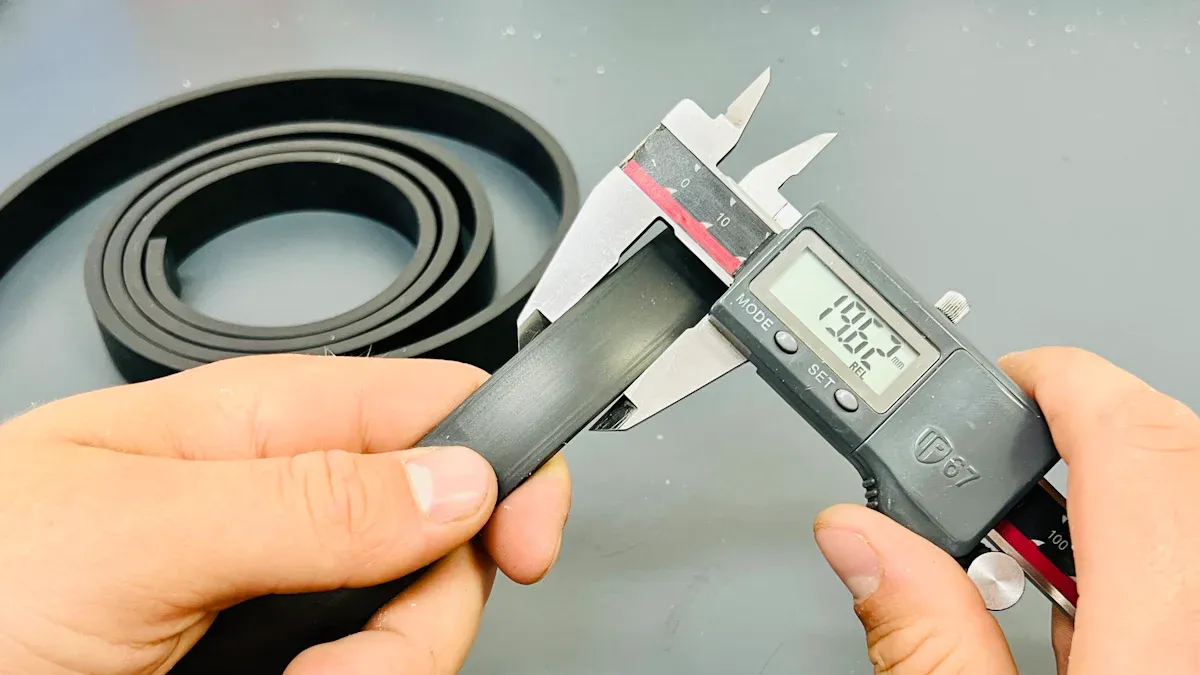
Oil seals must fit your excavator just right. You need to know the shaft diameter, housing bore diameter, and seal width. The shaft diameter is where the seal sits on the spinning shaft. The housing bore diameter is the hole in the engine or other parts where the seal goes. Seal width changes how much the seal touches the shaft. This affects how well it keeps oil in and dirt out.
If you pick the wrong size, the bearing seal type may not work. Leaks can start, and your engine or hydraulic system may need repair sooner. Always measure carefully and check the specs for your excavator model.
Lip Design Selection
The lip design of your oil seal affects how well it keeps fluids in and dirt out. You will find different types of bearing seals for different jobs:
-
Single lip seals work best in clean places. They keep lubricants inside your engine or hydraulic parts.
-
Double lip seals have an extra dust lip. This design blocks out water and dirt. This is important for excavator repair and construction work.
-
Some seals use a garter spring. This spring keeps steady pressure on the lip. It helps stop leaks over time.
Choosing the right lip design helps your bearing seal type last longer. It also means fewer repairs and less downtime for your excavator.
Temperature and Pressure Ratings
Excavators work in tough conditions. You need oil seals that can handle high pressure and wide temperature ranges. Heavy-duty hydraulic oil must work at pressures over 5,000 PSI. Temperatures can go from -40°F to over 200°F, especially near the engine.
Here are some common materials and their ratings:
-
NBR (Nitrile) works with mineral oils from -35°C to +100°C. It fits many engine and hydraulic parts.
-
Polyurethane handles higher pressure, up to 450 bar. It is good for mobile hydraulics.
-
FKM (Viton) is needed for continuous temperatures up to +200°C.
-
PTFE compounds work in extreme temperatures, from -200°C to +260°C.
If you ignore these ratings, your bearing seal type may fail. This can cause leaks, engine damage, and expensive repairs.
Shaft Surface and Speed
The shaft surface and speed affect how well your oil seal works. A smooth, polished shaft with round finish marks gives the best seal. If the shaft has spiral tool marks or rough spots, leaks can start. Shaft speed also matters. High speeds raise the temperature and wear out the seal lip faster.
You need to check the shaft finish and speed during inspection. If you see wear or roughness, plan for repair or replacement. The type of fluid and the oil seal material also affect how long your bearing seal type lasts.
Note: Regular inspection of shaft surfaces and speeds helps you catch problems early. This keeps your engine and other parts safe and lowers repair costs.
By focusing on these key factors, you make sure your excavator gets the right bearing seal type for every job. This means fewer leaks, longer engine life, and less time spent on repair. Always check compatibility with your fluids, operating conditions, and the specific types of bearing seals your machine needs.
Quality Check for Excavator Oil Seals
Trusted Brands and Suppliers
You should pick oil seals from brands you trust. This helps your excavator last longer and not break down early. Many big companies make good oil seals for excavator parts. Some of the best brands are:
-
Freudenberg Sealing Technologies (Germany): They have advanced seals for heavy machines.
-
Trelleborg Sealing Solutions (Sweden): They make tough seals from special materials.
-
SKF (Sweden): They are known for seals used in spinning parts.
-
Parker Prädifa (USA): They offer many types of hydraulic and air seals.
-
KACO GmbH (Germany): They focus on engine and driveline seals.
-
Hallite Seals (UK): They are famous for seals in moving machines.
Hallite Seals (UK) is special because they have lots of experience. They also make custom seals for different needs. Their seals work well in rough places, so they are a smart pick for your excavator. YNF Machinery is another good choice for oil seals. Many people like YNF Machinery because their parts are good and their service is great.
Certification and Standards
You need to check for important certificates before you buy oil seals. These certificates show the oil seal is safe and works well. Look for these:
-
ISO 9001: This means the company has good quality control.
-
CE marking: This shows the oil seal meets European rules.
-
UL certification: This proves the oil seal is safe and reliable.
These marks help you know the oil seal will fit and last longer.
Visual Inspection Tips
Before you put in a new oil seal, you should look at it closely. Follow these steps:
-
Check the outside for cracks, cuts, or tears.
-
Look at the sealing lip. It should be smooth with no damage.
-
Check the metal part for rust or bent spots.
-
Make sure the place where you put the seal is clean and smooth.
If you check the oil seal first, you can find problems early. This keeps your excavator working well and stops leaks.
Common Mistakes in Excavator Maintenance
You can help your excavator last longer if you avoid mistakes. Many problems happen when you skip important steps. Watching out for these mistakes saves you money and time on replacement and repairs.
Ignoring Manufacturer Specs
You should always follow the manufacturer’s specs for oil seals. If you ignore these specs, your hydraulic system can fail. Overheating can also happen. This mistake makes maintenance cost more and replacement happen more often. You need to use the right lubricants and change oil regularly. Skipping these steps causes extra wear on excavator parts. Many owners forget these rules and pay for repairs and downtime.
Always check the manual before you start excavator maintenance. This habit keeps your machine safe and lowers replacement costs.
Overlooking Environmental Factors
You should not forget about the environment where your excavator works. Dirt and moisture can hurt oil seals fast. These things cause too much wear and dirty lubricants. Moisture can make seals fail up to three times faster in wet places. If you do not control moisture, oil seals may last 60% less time. Many people ignore these facts and need replacement sooner.
-
Dirt and water get in and cause leaks.
-
Wet places make seals fail faster.
-
Dirty lubricants mean more replacement.
Keep your excavator clean and dry. This easy step helps oil seals last longer and lowers replacement needs.
Using Generic Seals
You might think generic seals save money, but they cause bigger problems. Generic seals do not fit the right size or material for your excavator. This leads to seals failing early and needing more replacement. Cheap kits can have wrong sizes or materials. This causes extrusion or chemical problems. You get more downtime and higher costs for replacement and repairs.
Pick model-specific seals for excavator maintenance. This choice stops leaks and lowers replacement frequency.
Common mistakes in excavator maintenance include:
-
Picking the wrong oil seal structure.
-
Choosing the wrong material for oil seals.
-
Making installation mistakes that hurt the seal lip.
-
Forgetting regular maintenance checks.
You can avoid these mistakes by following the right steps. This keeps your excavator working well and lowers replacement needs.
Installation and Maintenance Tips
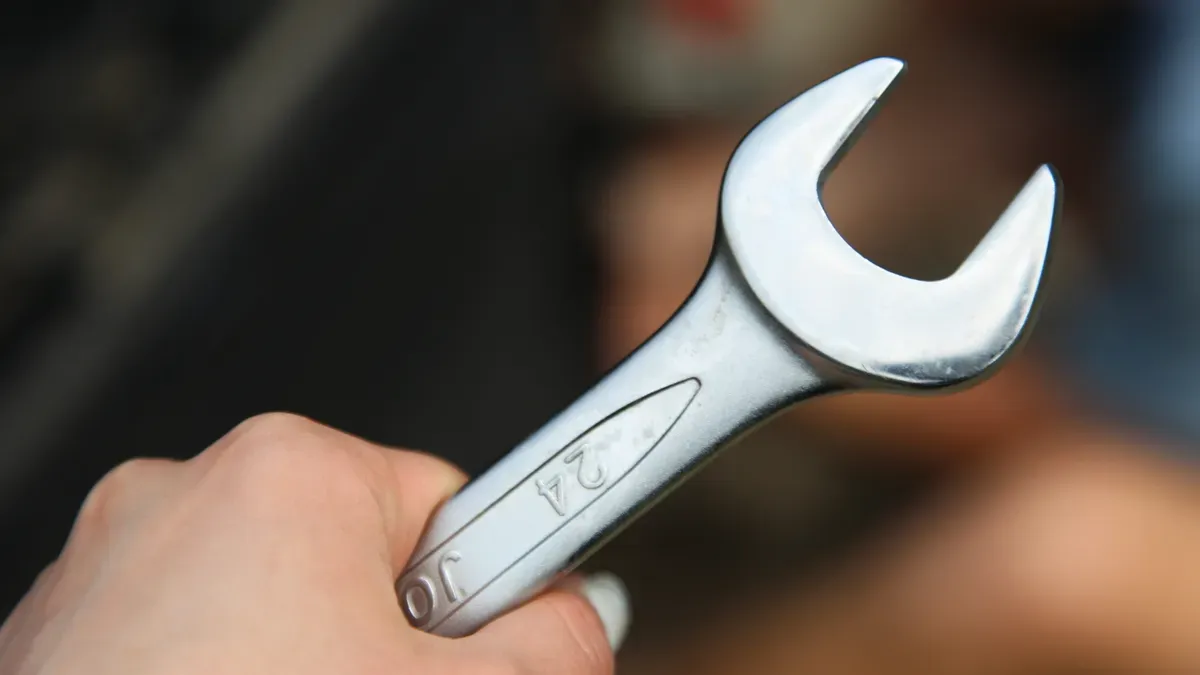
You can extend the life of your excavator by following the right installation and maintenance steps for oil seals. These steps help you keep the hydraulic system strong and protect your equipment from costly repairs. Good habits also improve excavator performance and save money on hydraulic fluid and engine oil.
Proper Installation Steps
You should always install oil seals with care. A mistake during installation can cause leaks or damage to the hydraulic system. Use this table to guide you through each step:
|
Step |
Description |
|---|---|
|
1 |
Make sure the sealing lip faces the lubricant side. This stops fluid from leaking out. |
|
2 |
For spring-energized seals, point the spring toward the medium side. This gives better sealing force. |
|
3 |
Clean all parts before you start. Dirt can harm the hydraulic system and the oil seal. |
|
4 |
Add lubrication to the sealing lip and shaft. This lowers friction and helps the seal slide into place. |
|
5 |
Use the right tools to press the seal in evenly. This keeps the oil seal from bending or breaking. |
|
6 |
Check your work. Make sure the oil seal is straight and facing the right way. |
You should always use the appropriate bearing seal for each part. Some areas need a labyrinth seal or a teflon seal for extra protection. If you follow these steps, you protect the hydraulic system and keep engine oil and hydraulic fluid where they belong.
Tip: Never use a hammer or sharp tool to install an oil seal. This can damage the seal and the hydraulic system.
Regular Inspection and Replacement
You need to check oil seals often. Regular inspection helps you find small problems before they become big ones. Look for signs of wear, cracks, or swelling. If you see leaks or drops in hydraulic fluid or engine oil, replace the oil seal right away.
-
Check the hydraulic system for leaks every week.
-
Inspect the oil seal for damage or dirt.
-
Replace the hydraulic filter and do oil changes as needed.
-
Watch for drops in excavator performance. This can mean a problem with the oil seal or hydraulic system.
-
Use a labyrinth seal in dusty places to keep dirt out of the hydraulic system.
-
Change the oil seal if you see swelling or cracks. This keeps the hydraulic fluid clean and protects the system.
Regular maintenance saves you money. You use less hydraulic fluid and engine oil. You avoid power loss and downtime. You also protect the hydraulic system from dirt and water. Good habits help your excavator last longer and work better.
Note: Keeping up with oil seal checks and oil changes can extend the life of your hydraulic system and improve excavator performance.
You can keep your excavator running strong by choosing the right oil seal and following smart maintenance steps.
-
Always match the seal to your machine’s needs, including size, material, and work conditions.
-
Check seals often for leaks or wear.
-
Use high-quality seals to prevent breakdowns and keep out dirt.
-
Work with trusted suppliers and follow industry standards.
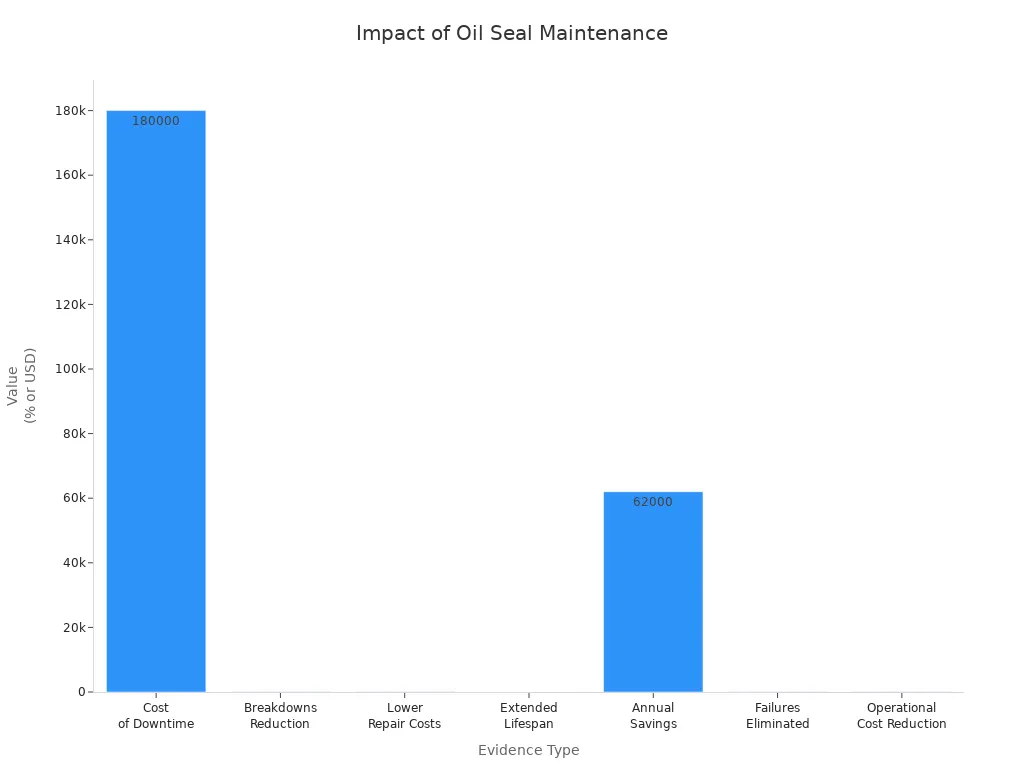
These habits help you save money, reduce downtime, and make your equipment last longer.
FAQ
What is the main purpose of an oil seal in excavator parts?
You use oil seals to keep oil inside and block dirt from entering. Oil seals protect moving parts and help your excavator work better. Good oil seals reduce leaks and keep your machine safe during maintenance.
How often should you check oil seals for wear or damage?
You should inspect oil seals during every maintenance session. Look for cracks, swelling, or leaks. Early checks help you avoid bigger problems and keep your excavator running smoothly.
Can you use generic oil seals for excavator parts?
You should not use generic oil seals. Generic seals may not fit well or last long. Always choose seals made for your excavator model. This choice helps you avoid extra maintenance and keeps your machine safe.
What signs show that an oil seal needs replacement?
You see oil leaks, drops in fluid levels, or dirt near the seal. You notice changes in performance. These signs mean you need to replace the oil seal during maintenance.
How does regular maintenance affect oil seal life?
Regular maintenance keeps oil seals clean and working well. You prevent leaks and protect your excavator. Good maintenance habits help oil seals last longer and reduce repair costs.
Tip: Keep a maintenance log. Write down every oil seal check and replacement. This habit helps you track performance and plan future maintenance.
|
Sign of Failure |
Action Needed |
|---|---|
|
Oil leak |
Replace seal |
|
Dirt buildup |
Clean area |
|
Swelling |
Inspect seal |
|
Cracks |
Replace seal |