Checking used Kobelco excavator cab parts before you buy means doing two things. First, look at the parts in person. Second, check the papers that prove the part’s identity and confirm the model and serial number fit. This method targets three buyer risks: parts labeled wrong, specs that are not supported, and claims that one part fits every machine. Written records and expert findings lower each risk.
This guide covers structure, glass, seals, electrical, HVAC, and controls. It also shows how to use used kobelco excavator parts for sale listings as a cross-check. That way, the listing details match what you see and what the documents say. Inspect first, verify second, and confirm fitment before money changes hands.
Key Takeaways
Look at the cab parts yourself, and record what you find with photos and notes.
Check that it fits by model and serial number, and get written confirmation from the seller.
Read the listings closely to understand what is included and the part’s condition category.
Say no to “one size fits all” claims. Ask for exact proof before you pay.
Inspect Cab Components First
Record visible condition with notes and actual-item photographs. A visual observation does not establish structural integrity, electrical function or service suitability; use a qualified assessment for those questions.
Request clear photographs of the actual offered component, including relevant identification, damage and mounting features. General workshop photographs do not prove the condition or identity of the item being sold.
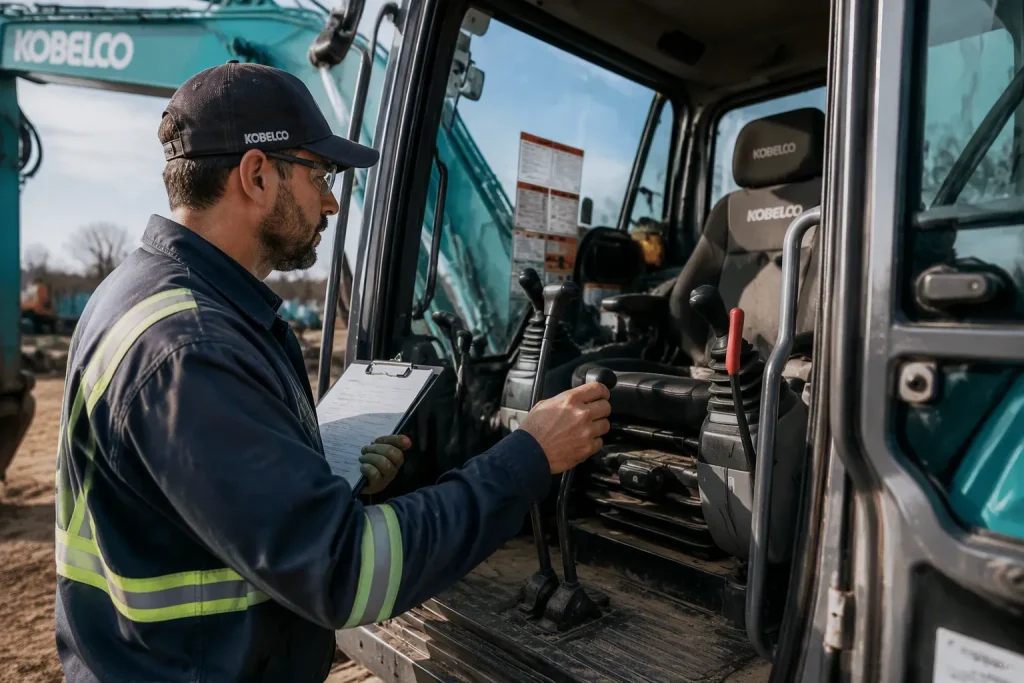
Keep the inspection visual and documentary only. Do not run DIY operating tests. Do not open the cab, take apart panels, or measure internal clearances yourself. Those steps belong to a qualified service technician. Your job is to observe, record, and ask.
Structure, Glass, and Seals
Look over the cab frame for visible damage. Check the glass for cracks, chips, and clouding. Run your eyes along the seals and weather stripping. Note gaps, tears, or sections that look compressed or loose. Write down each finding with the location on the cab.
Record visible glass markings, seal condition and damaged areas. Keep readable identification photographs in your purchasing file. Do not disturb seals or remove panels to investigate hidden condition yourself.
Electrical, HVAC, and Controls
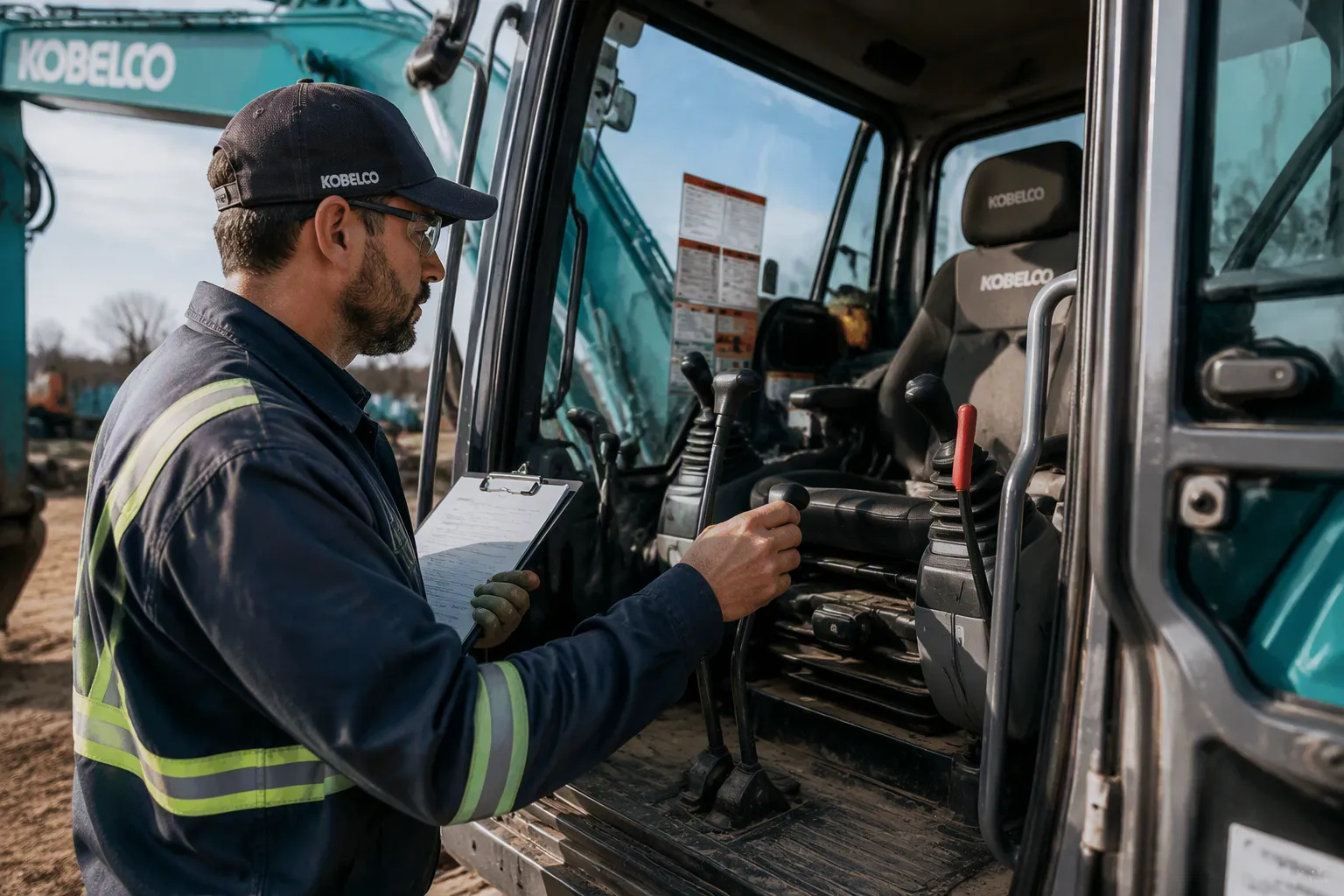
Inspect the visible wiring, connectors, and control panels without touching live circuits. Note frayed insulation, loose connectors, or missing covers. Look at the HVAC vents and housing for cracks or debris. Check that the control levers and pedals are present and look intact.
Write down what you see and where you see it. Do not energize the system or test the blower yourself. Do not invent fault codes or assume a component works. Ask a qualified technician to verify function and provide a report. Your notes and photos then support that report.
Verify the Actual Component
A visual inspection tells you about condition. It does not tell you what the part actually is. Checking identity is a separate step, and it relies on markings and paperwork. You ask the seller for the real part number. You compare that number against official Kobelco references. You treat anything you cannot trace as unproven.
Part Numbers and Markings
Ask for readable identification on the actual component where available, plus the reference used to identify it. Distinguish casting marks, assembly numbers and orderable service part numbers. Missing markings require further supported identification, rather than an assumed match.
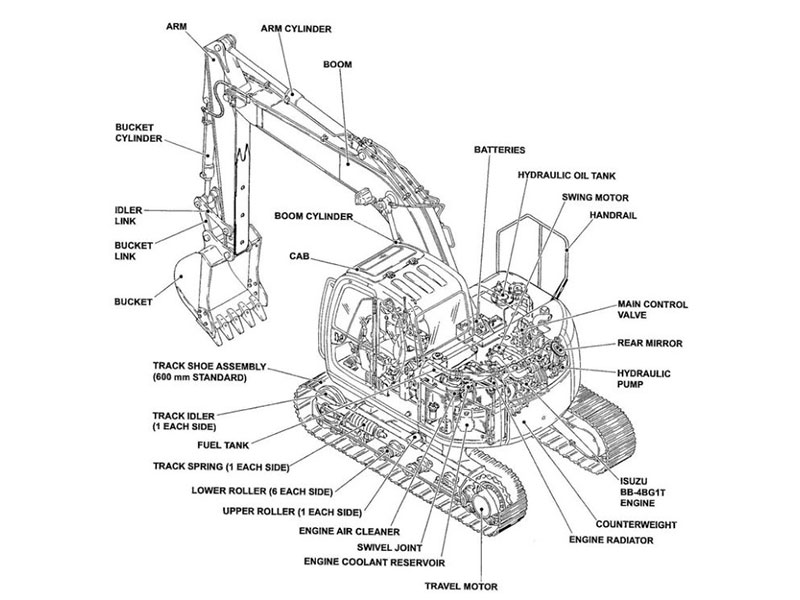
Cross-check the proposed service part number in applicable parts documentation for the actual machine identification and configuration. Compare the illustrated component, assembly position and any stated applicability limits. Related parts guides can explain the process but do not replace a machine-specific reference.
Treat any specification as unverified when you cannot trace it to an official Kobelco parts diagram, a serial number guide, or a genuine parts reference. That includes dimensions, materials, connector types, and mounting details. An untraceable spec may be accurate, but it may also be invented. You have no way to tell the difference, so you do not rely on it.
OEM Documentation and Records
Request the applicable parts reference and any component history, repair record or qualified condition report available. Ask what each document establishes and which questions remain unresolved.
Read each record against the part in front of you. Does the diagram show the same housing shape? Does the serial guide cover your machine’s range? Do the markings on the part match the number in the document? Note each match and each gap in your inspection file. Gaps are not automatic rejections. They are open questions you resolve before you pay.
Keep your documentation set complete. Store your notes, your unbranded photos, the seller’s written answers, and the OEM references together. This file supports a qualified technician’s review and gives you a record if a dispute arises later. When you compare used kobelco excavator parts for sale across several sellers, this file also lets you judge each offer on evidence rather than on sales language. Sellers who supply traceable numbers and records make your decision easier. Sellers who cannot should expect harder questions.
Confirm Model and Serial Fitment
A model badge alone is insufficient to establish compatibility. Confirm the actual machine identification and relevant configuration against the proposed component and applicable reference. Similar appearance does not resolve mounting, connector or equipment-option differences.
Model-Specific Verification
Give the seller or parts specialist the full machine model and serial or product identification. Ask for the applicable component reference and an explanation of any serial-range or option restrictions actually shown in it.
Ask a qualified parts specialist whether documented revisions or service information apply to this specific component and machine. Do not assume a bulletin exists or applies merely because the part looks different.
Request written fitment confirmation before you purchase. The confirmation should name your model, your serial number, and the part number. It should state that the seller checked the component against Kobelco references. Keep this document with your inspection file. A verbal “yes, it fits” gives you nothing to fall back on later.
Why Universal Claims Fail
A broad listing is not evidence of compatibility. Request a supported match for your actual machine and configuration, even when an item is advertised for several models.
A blanket “fits all Kobelco excavators” statement is not fitment confirmation. It is a reason to walk away or demand written proof.
Reject universal claims and ask for the specific evidence instead. The seller should give you the part number, the model and serial range it covers, and the reference used to confirm it. If the seller cannot supply these, the offer stays unverified. This rule applies whether you shop at an authorized dealer, a local supplier, or an online retailer.
Include compatibility verification, required accompanying items and agreed return terms in the cost comparison. A documented match supports the purchasing decision but does not guarantee installation without further checks under the applicable service procedure.
Validate Used Kobelco Excavator Parts for Sale Listings
A listing is a sales document, not a condition report. You read it the same way you read a contract. You look for the supply scope, the part category, and the terms. Then you compare those details against your inspection file and your fitment confirmation. This step closes the gap between what the seller advertises and what you actually receive.
Read the Written Supply Scope
Ask the seller to define the offered condition in writing: used as removed, inspected, repaired or rebuilt. These labels do not establish a standard amount of work. Request the actual work scope, findings, exclusions and supporting records.
Next, read what the scope includes. Does the price cover the bare component only, or does it include mounting hardware, seals, connectors, or a wiring harness? A listing that shows a complete cab assembly may ship as a shell. Note every included item and every excluded item. Compare the scope against the parts diagram for your machine. Missing hardware changes the true cost of the part.
Ask Questions and Get Terms
Put your questions to the seller in a short written list. Ask for the actual part number stamped or cast on the component. Ask for model and serial fitment confirmation that names your machine. Ask for the category: new, used, or rebuilt. Ask which items ship with the part. Ask about the return terms and the condition policy. Keep each question specific, and ask the seller to answer each one in writing.
Keep written answers, quotations and relevant messages in the same purchasing file. Compare each offer on identification, condition evidence, included items and agreed terms. Resolve vague or inconsistent answers before committing.
Before ordering, review the component identification, applicable fitment reference, qualified condition findings, included items and written terms together. Unresolved safety or compatibility questions should remain open rather than being filled with assumptions.
Keep the process simple and practical. Good findings and solid paperwork lead to a wise decision. Verbal promises do not. Keep your notes, photos, and seller answers in one file. Then compare each used kobelco excavator parts for sale offer against that file.
Store the accepted quotation and evidence with your receiving checklist so the delivered item can be checked against the order.
FAQ
What should I check first on a used Kobelco cab?
Start with visible frame, glass, seals, connectors and controls. Record actual-item photographs and questions for a qualified technician. Appearance does not establish structural safety or electrical function.
How do I confirm a cab part number is real?
Compare readable identification and seller records with the applicable parts reference. A cast mark or label alone does not establish an orderable number or authenticity. Ask a qualified specialist to resolve missing or conflicting identification.
Why is model and serial fitment so important?
The complete machine identification and configuration help determine the applicable reference. Have a specialist confirm the proposed component against that reference and document any restrictions.
What does a “fits all Kobelco excavators” claim tell me?
It leaves compatibility unverified. Ask for a supported match to the actual machine and configuration rather than relying on a blanket statement.
What should a seller put in writing before I pay?
Ask for the actual part number, model and serial fitment confirmation, the category (new, used, or rebuilt), and the items included. Request return terms and condition policy in writing. Keep every answer in your inspection file. Do not send payment until the scope and terms are clear.
For excavator parts sourcing, consider YNF Machinery. Share full machine and component identification, applicable part references and quantities, and request supported compatibility information, an actual quotation, and written warranty and return terms before ordering.