Most costly mistakes with used parts happen before you pay, not after you install them. A quick inspection protects your wallet and your machine. Focus on the highest-risk points first: the part number and serial range, visible cracks or leaks, key measurements, and the written terms of the sale. These checks catch most problems early.
You do not need a shop full of tools to protect yourself. You need a clear list and a careful eye. Whether you run one excavator or manage a fleet, verify the part against the machine before money changes hands. A few minutes of checking can prevent a wrong-fit purchase, avoidable downtime, and a difficult return.
Key Checks Before You Buy
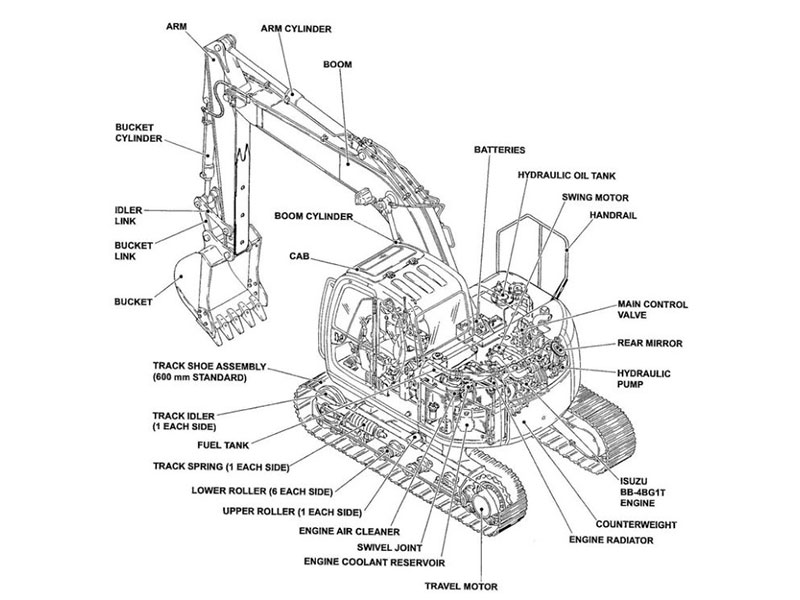
Confirm the machine make, model, full serial number, and the exact part number. Compare those details with the machine’s parts information and the item being offered. Model names alone may not identify production changes or component variations.
Clarify what “Carter” means in the listing. It may be a search term, a description, or a reference supplied by the seller; do not assume it identifies the excavator manufacturer. Ask for the actual machine make and model, component name, and any readable identification numbers.
Verify the Part and Fitment
Record the machine’s make, model, full serial number, and the part number from the removed component when available. Ask for clear photos of the identification plate, connector points, mounting faces, and any labels. Compare the information with the parts catalog or written fitment information for that exact machine.
Check whether the offered item is complete or an assembly that needs additional pieces. Similar-looking parts can differ in dimensions, connections, mounting points, or included hardware. If a number is missing or unreadable, ask for measurements and additional photographs, then have the fitment confirmed before ordering.
Inspect Condition Carefully
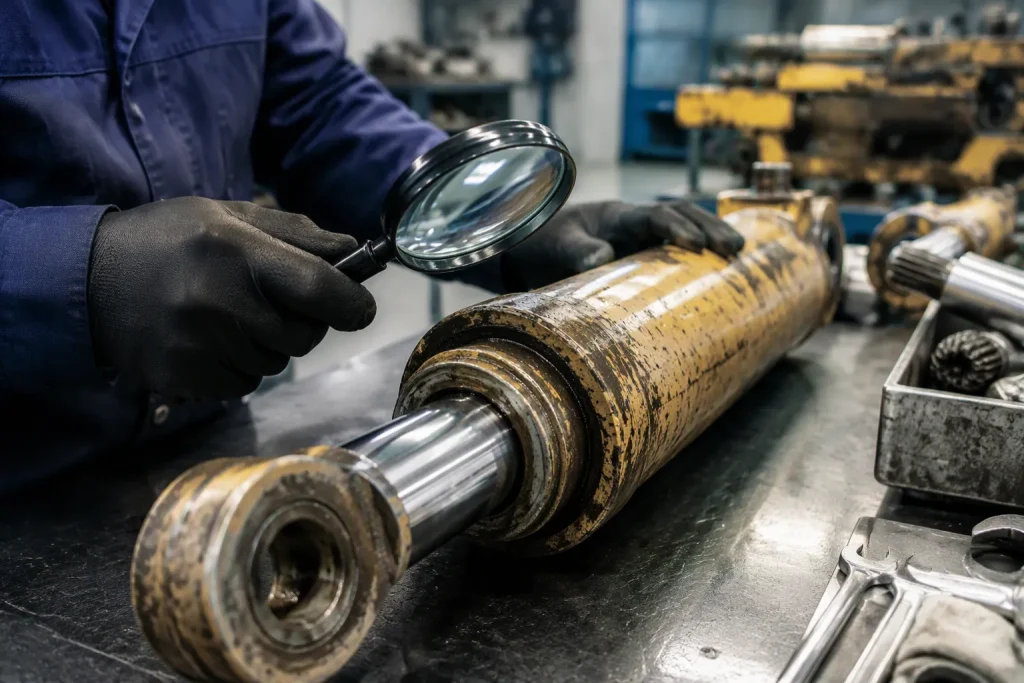
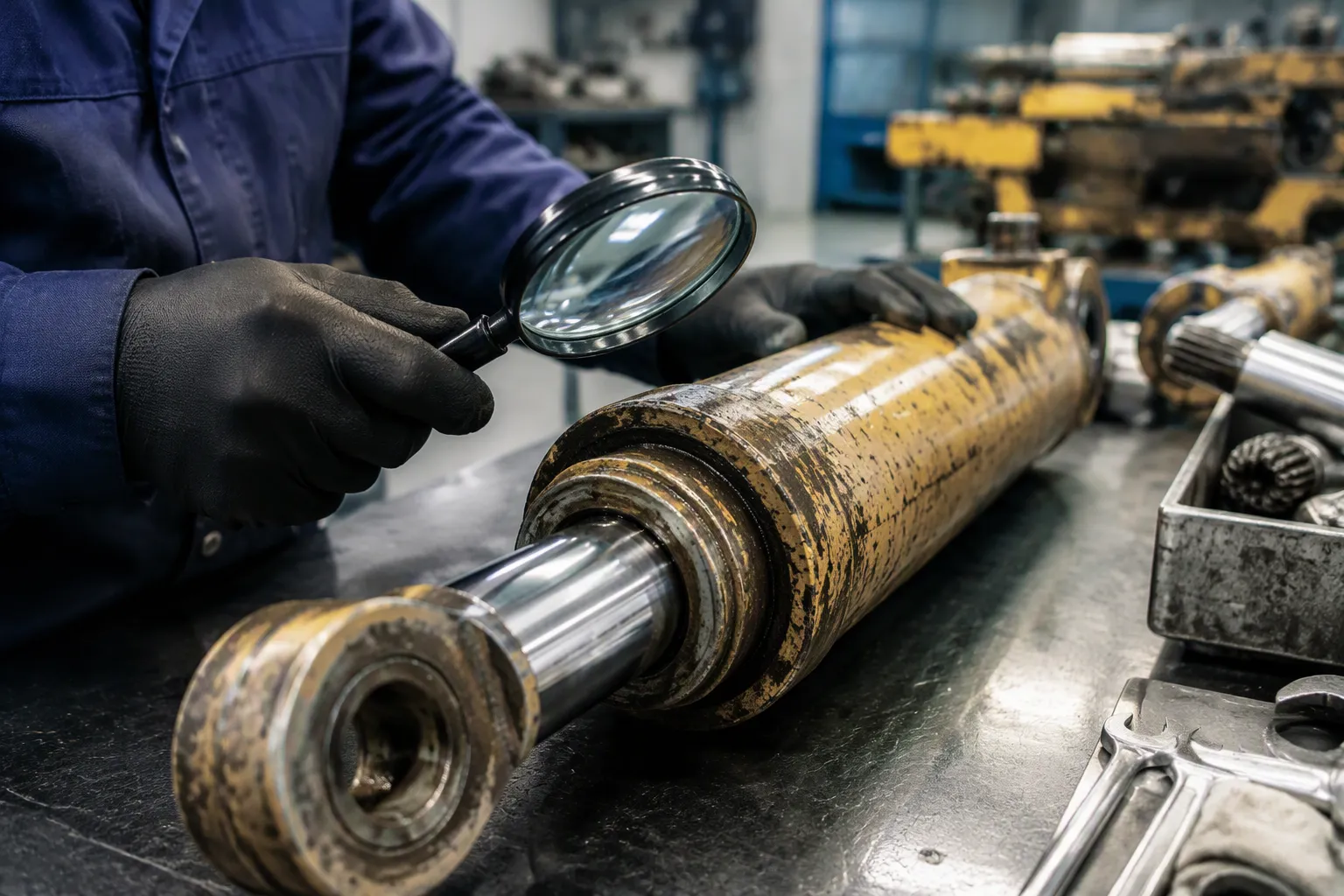
Look for cracks, bends, corrosion, damaged threads, fluid leaks, worn contact areas, and signs of repair. Check both sides and the areas around mounting points and welds. For hydraulic components, examine the ports, hoses, fittings, and exposed surfaces for visible damage or leakage. For undercarriage components, look for uneven wear, missing pieces, and damage to pins, bushings, rollers, or sprocket teeth.
A clean exterior does not prove internal condition. Ask what inspection or testing was performed and request the available records. If a component is safety-critical, has visible damage, or cannot be assessed from photographs, arrange an in-person inspection by a qualified technician before purchase. Do not rely on a seller’s description alone when the condition is uncertain.
Review History and Documentation
Ask whether the part was removed in working condition, repaired, rebuilt, or stored for an extended period. Request service or test documents when available, and check that they refer to the same part being offered. Look for consistency between the part number, photographs, description, and records.
For a complete machine or major assembly, compare reported operating hours with available service records and the general wear you can see. Missing records do not establish that a part is defective, but they leave more questions to resolve. Make the purchase decision based on verified condition and fitment rather than assumptions.
Confirm What Is Included
Ask for a written list of the parts and hardware included in the sale. Depending on the component, this may include pins, fittings, hoses, sensors, brackets, or other pieces shown in photographs. Confirm whether the photographs show the actual item and whether any accessories are sold separately.
Get the condition description, price, shipping arrangement, return window, and any warranty terms in writing before paying. Confirm who handles return shipping if the item is incorrect or arrives in a different condition from what was described. Keep the listing, messages, invoice, and delivery photographs with your maintenance records.
A Practical Pre-Purchase Checklist
Before placing an order, verify the machine identity and full serial number; match the exact part number and connection details; review clear photographs of the actual item; ask about repairs, testing, and missing components; confirm fitment and written purchase terms. Pause if key details conflict or remain unverified, and request clarification before installation.
FAQ
How do I make sure a used excavator part will fit?
Match the component part number and connection or mounting details to the machine’s make, model, and full serial number. Confirm with reliable parts information for that machine before ordering.
What does “Carter” mean in a used parts listing?
The term alone does not establish the excavator make or exact component. Ask the seller to identify the machine, part, and part number, then verify those details against the equipment information.
What should I check in photographs?
Review the identification label, mounting points, ports or connectors, visible wear, damage, and all pieces included. Request additional views if important areas are hidden.
Can photographs prove that a used part works?
No. Photographs can show visible condition, but they cannot establish internal condition or operating performance. Ask for relevant inspection or test records, and arrange a qualified inspection when needed.
What terms should be confirmed in writing?
Confirm the item identity, stated condition, included pieces, price, shipping, return period, and any warranty terms before paying. Keep copies of the agreement and purchase records.