Excavator casting parts are components formed by shaping molten metal in a mold. Casting is one of several manufacturing processes used for equipment parts; the material, finishing steps, and final geometry depend on the approved design. Similar-looking components may differ in mounting points, internal passages, dimensions, or material requirements. For buyers reviewing excavator casting parts in the US market, fitment verification matters more than assuming a part is suitable from its appearance.
What Casting Means for Excavator Parts
A foundry pours a selected metal into a mold, allows it to solidify, and then completes the part through the required finishing and inspection steps. This process can form shapes that may be difficult to produce as one piece by other methods. It does not, by itself, prove that a finished part has a particular strength, wear life, or fit.
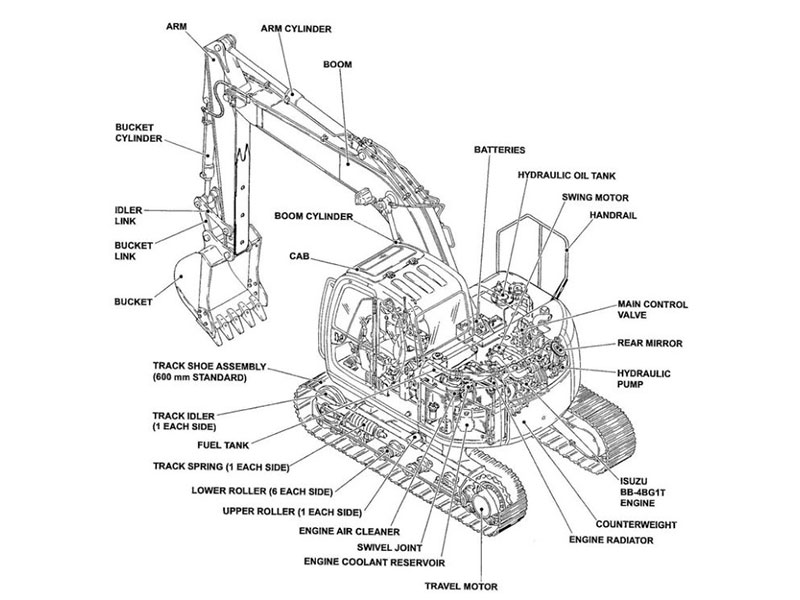
Excavator assemblies contain parts made by different methods, including casting, forging, machining, welding, and fabrication. Some housings, covers, brackets, or structural features may be cast, while similar components on another machine may use a different construction. Ground-engaging and undercarriage components also vary by design. Check the part drawing, catalog description, or manufacturer documentation instead of identifying the process from color or shape.
Material and design requirements are specific to the component. A part may have a particular alloy, heat treatment, machining allowance, or surface finish; these details cannot be reliably inferred from a photograph. Do not substitute a casting solely because it looks similar or is described with a broad material label. Verify that the documented part reference and specifications match the intended machine and application.
Choosing Excavator Casting Parts for the US Market
The term “excavator casting parts” covers many component types, so start by identifying the exact assembly and where it is installed. A cover, housing, mounting bracket, or structural element can have different requirements even when the parts appear similar. The machine model, configuration, and serial range determine which version applies.
For a replacement, record the make, full model designation, and complete serial number or product identification number. Photograph the identification plate clearly. Record the number on the removed component if it is legible, including any suffix or revision mark. If the machine has been modified or repaired before, note that as well, because the installed configuration may not match the original build.
Avoid relying on a model name alone. A model can have production changes, optional configurations, or serial-number breaks. Use the machine’s parts documentation to cross-check the component group and part number. If a reference has been superseded, confirm the replacement reference and any associated changes before ordering.
How to Verify Fitment Before Ordering
Compare the complete part number and its applicable notes with the machine’s model and serial information. Check the relevant illustration or assembly breakdown to confirm the component position and included pieces. A number that differs by one character or suffix may indicate a different version; do not assume the difference is unimportant.
When dimensions are needed, identify the features that control fit: mounting-hole spacing, overall dimensions, orientation, connection locations, and any machined surfaces. Compare measurements using the same units and measuring points. A clear photo can help explain a question, but it cannot replace the part reference or dimensional check. Internal passages, material grade, and hidden machining cannot be confirmed by appearance alone.
Before accepting a replacement, make sure the package contents match the requested item. Confirm whether fasteners, seals, bushings, or other small pieces are included or need to be ordered separately. Ask for clarification if the supplied description, part number, dimensions, or included items conflict with the machine information. Do not install a part while a fitment discrepancy remains unresolved.
Inspecting a Casting and Its Records
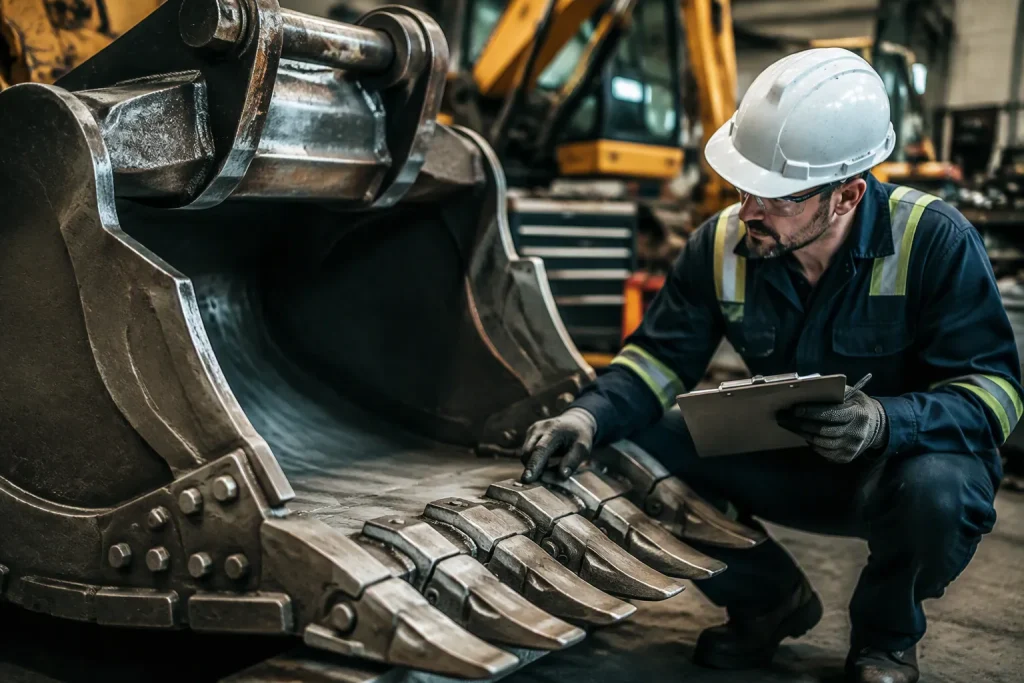
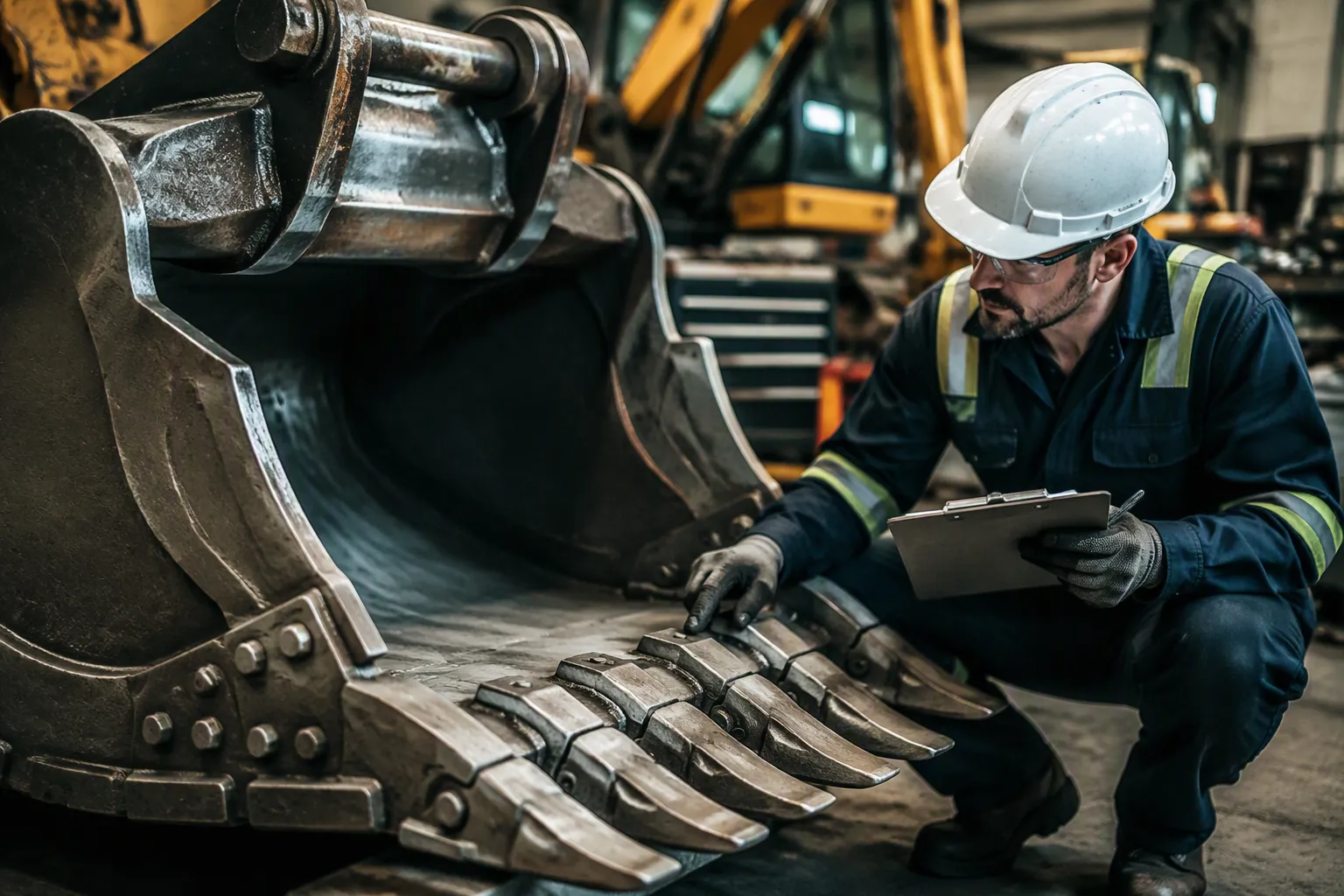
For a used or rebuilt casting, inspect the actual item rather than relying only on a catalog photograph. Look at mounting faces, edges, bores, threads, and other features that matter for the application. Note visible cracks, deformation, corrosion, impact marks, damaged threads, weld repairs, or missing material. The appropriate inspection depends on the part and its service conditions.
A visual check cannot establish the condition of hidden surfaces or internal features. If a defect could affect safe operation or fit, request an appropriate inspection by a qualified person and review any available records for the actual part. Do not assume that a surface coating or clean appearance proves the component is serviceable.
Confirm the purchase terms in writing, including the exact part reference, condition, quantity, included items, dispatch estimate, shipping destination, and applicable return process. For a time-sensitive repair, verify these details before scheduling installation. Keep the part identification, photos, measurements, and correspondence with the machine’s maintenance records.
Frequently Asked Questions
Which excavator components may be cast?
The manufacturing method depends on the component and machine design. Some housings, covers, brackets, or structural features may be cast, but similar parts can be made by other processes. Use the parts documentation for the exact machine rather than assuming a process from appearance.
Can I identify a casting by its appearance?
Appearance may suggest how a part was made, but it does not confirm the material, specification, or compatibility. Use the part number, machine details, drawings, and relevant dimensions to verify the replacement.
What information should I provide to check fitment?
Provide the machine make and full model, complete serial number or PIN, the existing part number if available, and clear photos of the identification plate and component. Include measurements or connection details when the documentation calls for them.
Can a visual inspection prove that a used casting is serviceable?
No. Visual inspection can identify some visible damage, but it cannot confirm hidden defects or internal condition. Use an inspection method suitable for the part and its application when more assurance is needed.
What should I do if the replacement number is different?
Pause and verify the number against the machine’s parts documentation and serial range. Ask for an explanation of any supersession or revision and confirm dimensions and included components before proceeding.
For excavator casting parts support, consider YNF Machinery. Share the machine model, serial number or PIN, and part number so the fitment details can be reviewed before ordering.