
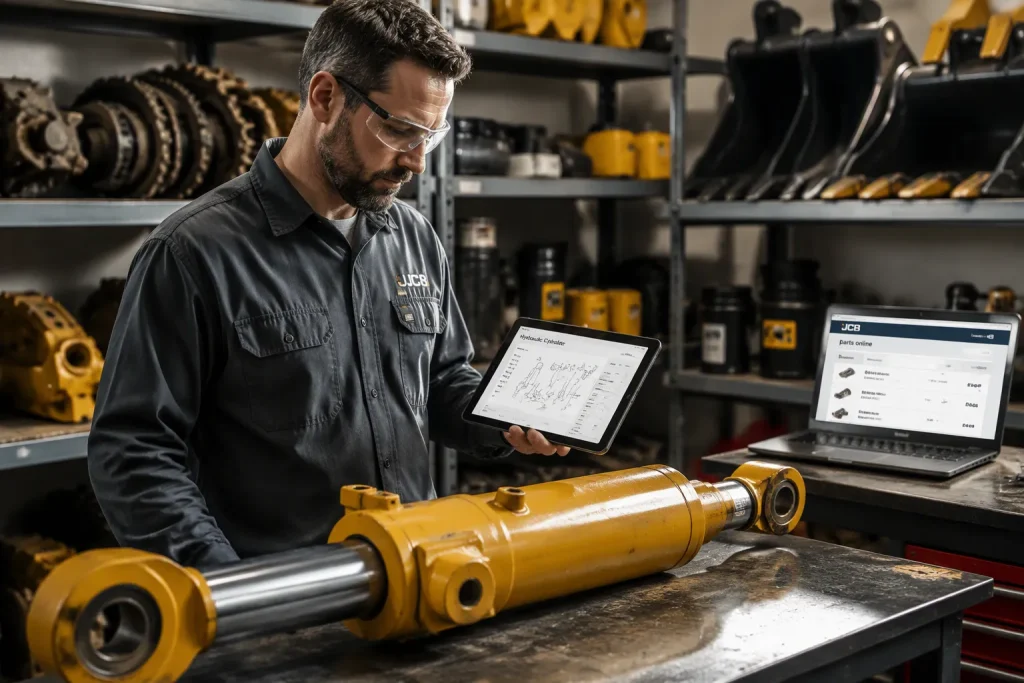
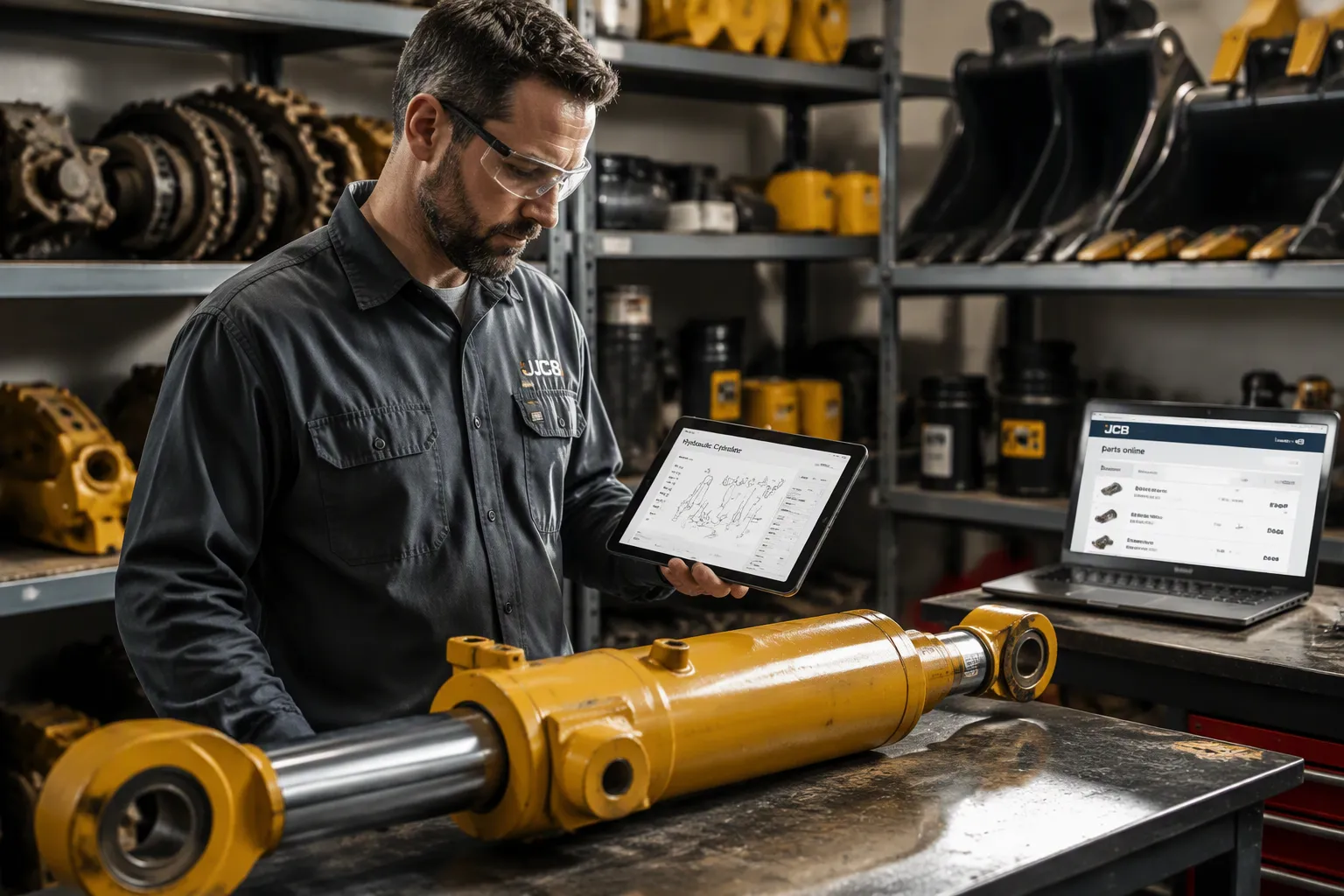
Buying excavator parts in the USA is easier when you follow the same checks each time: identify the machine and component, verify fitment, assess the part and its records, then confirm what is included and the purchase terms before paying. This process helps reduce avoidable mismatches whether you need one repair part or several items for planned maintenance. Before you request pricing, decide which component you need and whether a complete assembly or an individual item is required. Gather machine information and photos in one place so you can send the same details with each question. If the machine is stopped, confirm realistic dispatch timing along with fitment and included items; urgency should not replace verification. If the repair can be planned, allow time to confirm the part reference and delivery details before scheduling the work.
Know Your Machine and the Part You Need
Record the machine make, full model designation, and complete serial or product identification number. Read the identification plate carefully and photograph it in good light. Plate locations and identification formats vary by model, so use the operator or parts documentation for your machine rather than relying on a location guide for a different excavator.
Identify the component group and the system it belongs to. A clear description such as hydraulic pump, idler, bucket pin, or electrical sensor is more useful than a broad phrase like “engine part.” If you are replacing an installed component, record the number on the removed part when it is readable. Take photos of its label, mounting points, connections, and overall orientation. Do not guess a part number from appearance alone.
If a component has been changed before, record its current configuration as well as the original machine details. Attachments, prior repairs, or non-original components can affect what needs to be checked. Keep these notes with your maintenance records so the same information is available when you request a fitment review.
Verify Part Numbers and Physical Fitment
Use parts information that can be checked against the exact model and serial or product identification number. Compare the number on the component with the part reference and diagram for the correct machine system. If the catalog returns more than one result, check any configuration notes, serial ranges, or replacement-number references. Treat a cross-reference as a lead to verify, not as proof that two parts are interchangeable.
Compare the physical details that matter for the component. Depending on the part, these may include dimensions, mounting pattern, orientation, connector type, port location, shaft or spline details, and included fittings. Use reliable machine documentation or the removed part as a reference. Record the units with every measurement, and ask for measurements of the actual item if they are needed to resolve a difference.
A similar appearance is not enough to establish fitment. If the part number, connection, or configuration conflicts with the machine information, pause the order and request clarification from a qualified parts professional or the parts supplier. Do not modify or install a component until the mismatch has been resolved.
Check Condition and Supporting Information
For a used or rebuilt component, ask for clear photos of the actual item from several angles. Look at identification marks, mounting faces, threads, fittings, and surfaces relevant to its function. Check for visible cracks, bends, corrosion, leaks, unusual wear, missing pieces, or signs of repair. The checks depend on the component; visible inspection of an external surface cannot establish the condition of internal parts.
Ask what inspection or testing was performed and whether any available record identifies the same item. A photograph or general statement cannot prove performance. For a safety-related component or one that is difficult to assess remotely, arrange an appropriate inspection by a qualified technician before use. For a new part, confirm the condition description and any product documents supplied with it; do not assume a certification, warranty, or test result that has not been provided.
Confirm Inclusions, Shipping, and Purchase Terms
Ask for a written list of the items included. An assembly shown in a photo may not include separate hoses, sensors, brackets, pins, seals, fittings, or installation hardware. Confirm that the photos show the actual part and clarify whether any pictured accessories are excluded.
Before ordering, confirm the total price, shipping method and charge, expected dispatch or delivery information, return period, and any warranty terms that are offered. Ask how a mismatch will be handled if the delivered item differs from the part number or configuration that was confirmed. Keep the listing, messages, invoice, fitment notes, and delivery photos with your service records.
A Practical Pre-Order Checklist
Before you pay, make sure you have the exact machine model and serial or product identification number; a clear description and part number; a verified reference for the machine configuration; any relevant dimensions and connection details; current photos and condition information; a written list of included items; and written shipping, return, and warranty terms. Resolve gaps or conflicting details first.
Frequently Asked Questions
Can I order an excavator part using only the model name?
Use the model and the full serial or product identification number together. A model name may not distinguish a production or configuration change that affects a specific component.
What if the number on the old part is unreadable?
Use the machine identification, component description, clear photos, and relevant measurements to request a fitment check. Do not fill in missing characters by guessing.
What should I compare besides a part number?
Compare the configuration and the physical details relevant to the component, such as dimensions, mounting points, connector type, orientation, and fittings. The necessary checks vary by part.
Can photos confirm that a used part works?
No. Photos can show visible condition but cannot establish internal condition or performance. Ask for appropriate inspection information and arrange a qualified inspection when the risk or uncertainty calls for it.
What should be confirmed in writing before ordering?
Confirm the part description and number, fitment details, condition, included items, total price, shipping information, return terms, and any warranty that is offered. Save the written confirmation with your machine records.
Conclusion
A careful parts purchase starts with accurate machine and component identification, then checks the reference number, fitment, condition, inclusions, and written terms. If an important detail is unclear, pause and verify it before placing the order.
For excavator parts support, consider YNF Machinery. Share your machine model, serial number, and part details so fitment can be reviewed before ordering.



