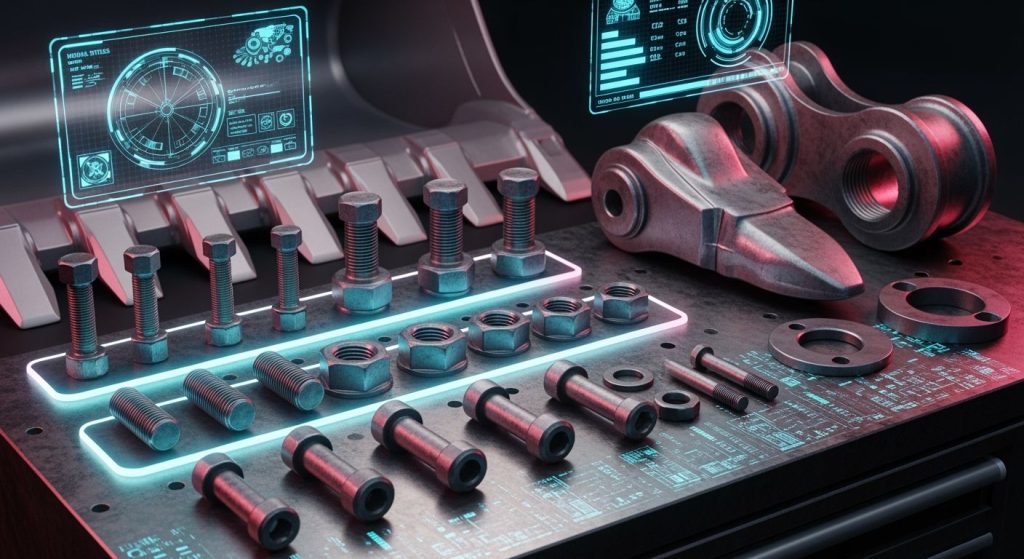
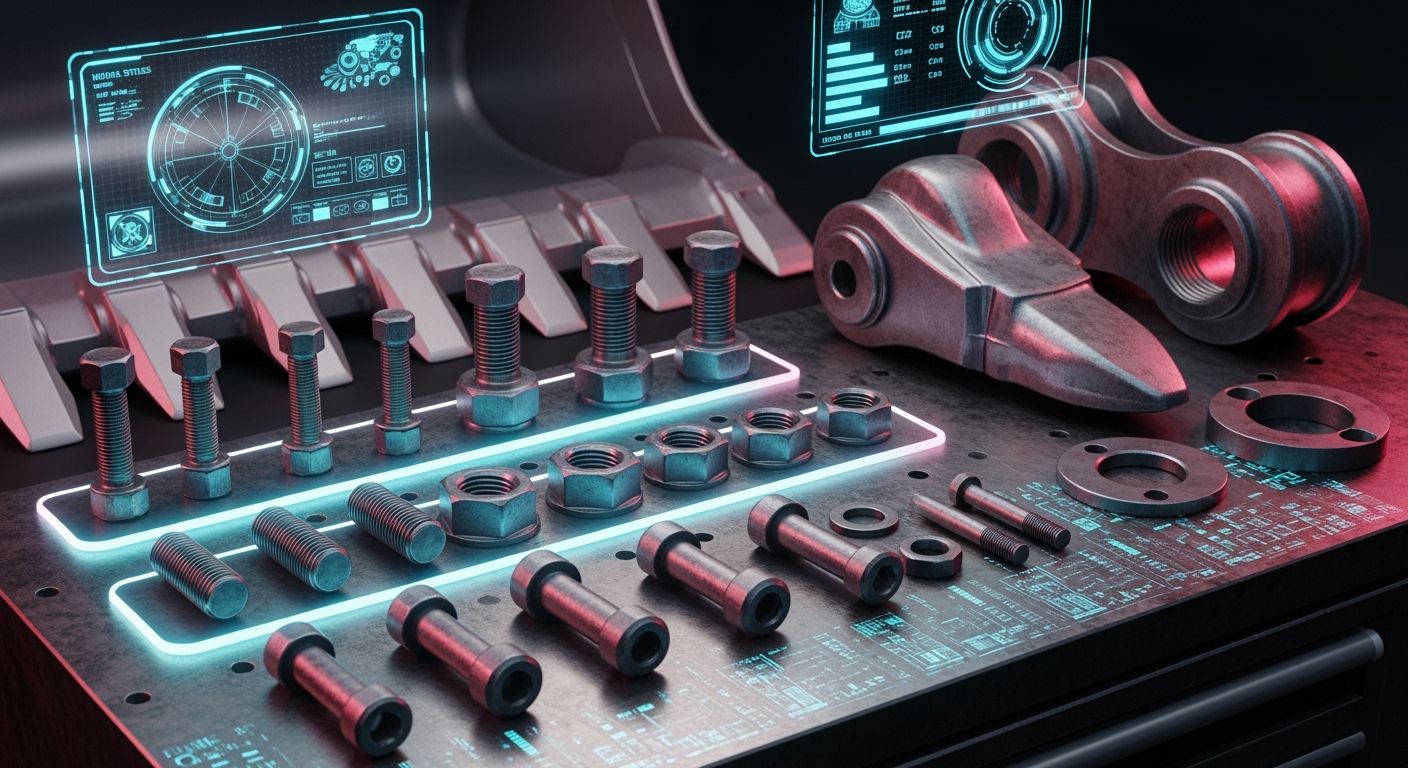
Heavy equipment needs strong parts to keep working well and running smoothly. You should secure your machine with Grade 8 or Class 10.9 hex bolts, plow bolts, heavy-duty tooth flex pins, hardened washers, and prevailing torque lock nuts. High-quality hardware stops major breakdowns, lost buckets, and expensive delays on work sites. You shield every part of your machine by picking the right fasteners for excavator parts. Choosing correct parts keeps bucket cutting edges and wear plates tight against strong pushes. Proper setup locks important tools safely onto hydraulic arms. Regular care protects joints when digging through tough ground. Smart hardware care keeps your excavator working safely every single day.
Key Takeaways
Strong bolts and lock nuts keep excavator buckets secure and help prevent expensive equipment breakdowns.
Plow bolts fit smoothly into sunken holes to keep sharp edges safe from big rock damage.
Prevailing torque lock nuts keep mini excavator parts from coming loose when doing heavy digging work.
Coated alloy steel fasteners resist rust and handle heavy strain in wet or muddy soil.
Checking bolts every day and using the right tightening levels protects your expensive machinery and keeps workers safe.
Key Fasteners for Excavator Buckets and Attachments
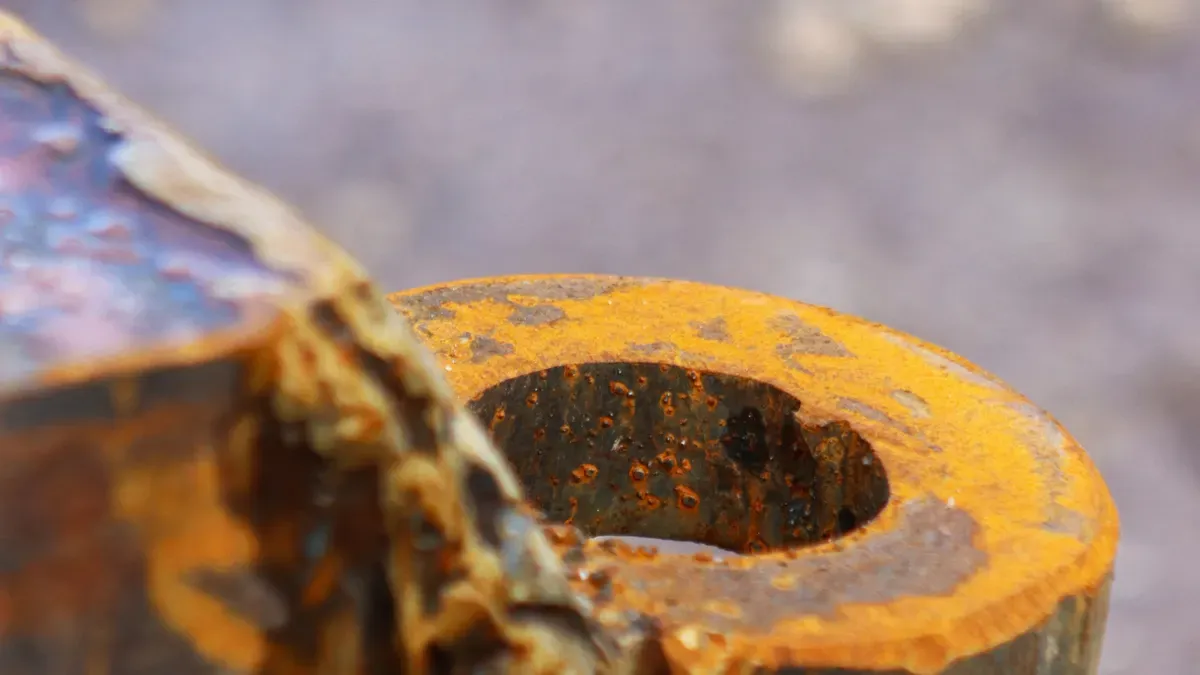
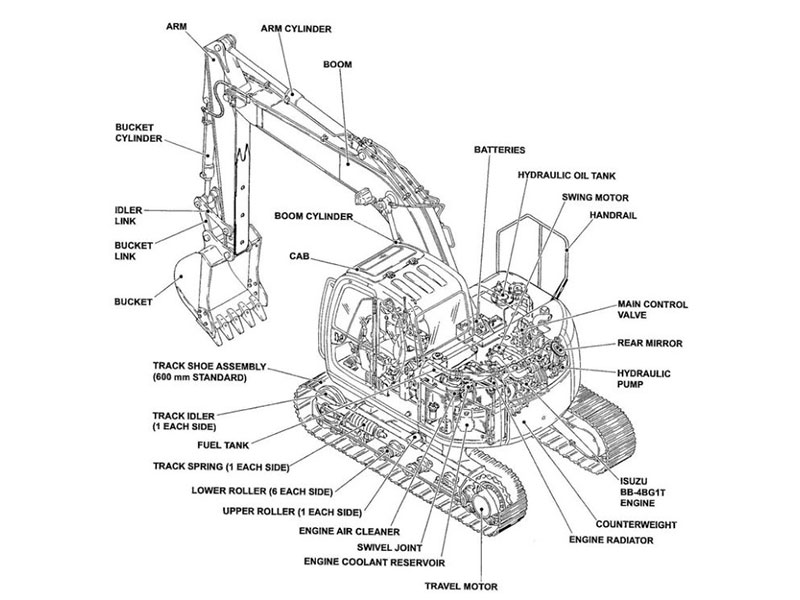
Big machines help you shift packed dirt, heavy clay, and solid stone daily. Each bucket type requires special parts to handle rough shakes and strong rubbing as you dig. Good hardware stops your machine from breaking down when joints fail without warning. Tough jobs need strong bolts that stay firm while your equipment digs non-stop.
Cutting Edges and Wear Plates
Plow bolts are key when attaching cutting edges and wear side cutters to regular or big buckets. The flat head sits completely level with the metal plate. This smooth setup keeps stones from catching on the parts while dirt slides easily over the bucket surface.
Advantage | How it Supports Excavator Bucket Cutting Edges |
|---|---|
Increased wear resistance | These strong bolts resist heavy rubbing from rocks and dirt, making parts last longer. |
Tighter fit in countersunk holes | Flat heads fit snugly inside holes, stopping hardware from shaking loose under big hits. |
Greater installation spin resistance | Special shape stops bolts from turning, keeping cutting edges tightly attached at all times. |
Pick strong hardware for muddy or rough work sites to stop rust and ruined bolt threads. Grade 8 alloy steel is required because it holds up against heavy pulling force. Dark coatings protect metal when sharp sand rubs off regular paint. Zinc coatings add a thick shield for soggy dirt. Stainless steel plow bolts keep heavy duty buckets rust-free in wet ocean mud. Good hardware shields the bucket frame from early damage and keeps cutting edges working well.
Tooth Pins and Bucket Adapters
You need to fasten digging teeth tightly so bucket adapters do not wear out or break. Choose bolt-in or weld-in options based on your main tool setup. Bolt-in parts let you switch teeth quickly right on the job site. Weld-in pins give top strength for tough digging in solid stone and gravel. Springy roll pins and flex pins fit inside adapter slots. They absorb hard bumps so teeth do not drop off while digging along the bucket lip.
The springy holding pin presses against the adapter wall to keep the tooth tight during hard hits.
Various tools need matching hardware sizes so every piece fits the main machine correctly. Big machines use heavy-duty fasteners, but mini excavator attachments use small pins like 24mm or 25mm hex head bolts. Small tools still shake heavily during hard digging jobs. Always use prevailing torque lock nuts or strong locking parts on mini excavator attachments. These special nuts stay tight on grading buckets and trenching buckets. Secure hardware prevents your mini excavator attachments from coming loose on busy job sites. Dependable pins protect the bucket frame and hold the bucket hook on grading buckets and narrow trenching buckets. Tough hardware keeps deep trenching buckets working great on every bucket shell. Smart hardware choices keep all mini excavator attachments working safely. Good bolts allow safe work for all excavator attachments. Right parts ensure great performance for all your excavator attachments.
Fasteners for Attachments and YNF Machinery Couplings
Quick Coupler and Breaker Hardware
You need high-strength steel hardware when connecting heavy work attachments to your excavator. Quick coupler setups rely on durable lock pins to secure a digging bucket during operation. An S30 quick coupler uses pin diameters from 1.00 to 1.38 inches, while an S80 model needs pins spanning 2.76 to 4.33 inches. Proper pin sizing prevents dangerous slack when swapping between trenching buckets and wider excavation buckets. You keep every bucket tool stable by matching pin specifications to your tool frame.
Hydraulic breakers and heavy-duty attachments place extreme shock loads on mounting hardware. Shear bolts act as crucial safety mechanisms, preventing internal machine damage during intense impacts. You protect your mini excavator attachments from early fatigue by choosing hardware that boosts operational efficiency. Using correct mini excavator attachments hardware ensures optimal performance across all work sites. Strong bolts keep your rock bucket attached securely to the machine arm. Proper pin choice maintains attachment stability on a cleanup bucket.
Securing YNF Machinery Excavator Couplings
YNF Machinery brings over 35 years of industry experience, delivering high-quality excavator parts for global operations. Heavy-duty engine-to-hydraulic pump drives require tough hardware to maintain reliable system energy transfer. Flexible Centaflex and Bowex heavy-duty coupling models handle engine vibrations while maintaining strict shaft alignment. Using quality bolts with these couplings maximizes engine performance under extreme load conditions. Reliable hardware protects the bucket linkage from unnecessary stress.
Securing YNF Machinery excavator couplings with correct fasteners protects internal hydraulic pumps from destructive shaft misalignments. High-grade bolts hold internal components tightly, improving overall working performance and system longevity. You gain excellent brand compatibility across various machinery configurations by selecting exact mounting hardware for each bucket frame and bucket adapter. Proper hardware protects your mini excavator attachments, standard attachments, and your bucket assembly. These essential fasteners keep all excavator attachments, auxiliary attachments, and a tilt bucket connection working smoothly during daily operations. Every bucket connection depends on correct fastener selection.
Material Specs for Fasteners for Excavator Parts
Tensile Strength and Alloy Grades
You must choose tough materials that survive hard forces while digging. Alloy steels such as AISI 4130 and AISI 4140 give extra strength and fight metal wear for a heavy-duty bucket pin. These tough metals shield every single excavator pin from constant heavy strain. Super-strong hardware like Class 12.9 bolts keeps main machine parts firmly connected. You lock each bucket attachment in place with right alloy parts. Standard strong hardware choices ensure smooth daily machine work. Matching bolt power to your job site needs guards every bucket linkage. Tough fasteners for excavator parts stop parts from snapping without warning.
You can check baseline hardware strength numbers for high-tensile parts here:
Property | SAE Grade 8 (Minimum Values) | Metric Class 10.9 (Minimum Values) |
|---|---|---|
Tensile Strength | 150,000 psi | 1,040 MPa (~150,900 psi) |
Yield Strength (0.2% Offset) | 130,000 psi | 940 MPa (~136,700 psi) |
Picking proper hardware grades raises total work output during tough digging jobs. Strong bolts hold heavy digging buckets and big tools safe under high strain. Smart material choices keep your excavator running well through every working cycle.
Corrosion Resistance and Coatings
Water and wet dirt create a layer that causes rust on metal parts. Trapped mud holds harmful moisture right against every bucket fastener. This harsh condition speeds up metal damage on an excavator bucket. A rusty bucket bolt quickly gets stuck inside the bucket adapter hole. Rust damage weakens bucket joint squeeze over time. Regular washing clears away scratchy sand and salty grit. Strong fasteners for excavator parts use special shield coatings that block metal rust.
Phosphate coatings give basic grip control and short-term rust protection. Tougher zinc-flake finishes offer better shields for rough, wet work areas. Special zinc-flake layers guard an excavator undercarriage against rust through 500-plus hours of salt spray tests. This thick shield keeps all bucket tooth hardware parts from breaking early. Good shields help your bucket lip last much longer. Great rust protection improves total machine performance. Keeping outer surfaces safe keeps machines working on every job site. You keep your excavation buckets digging smoothly using safe hardware.
Proper Installation and Torque Practices
Torque-Tension Relationships
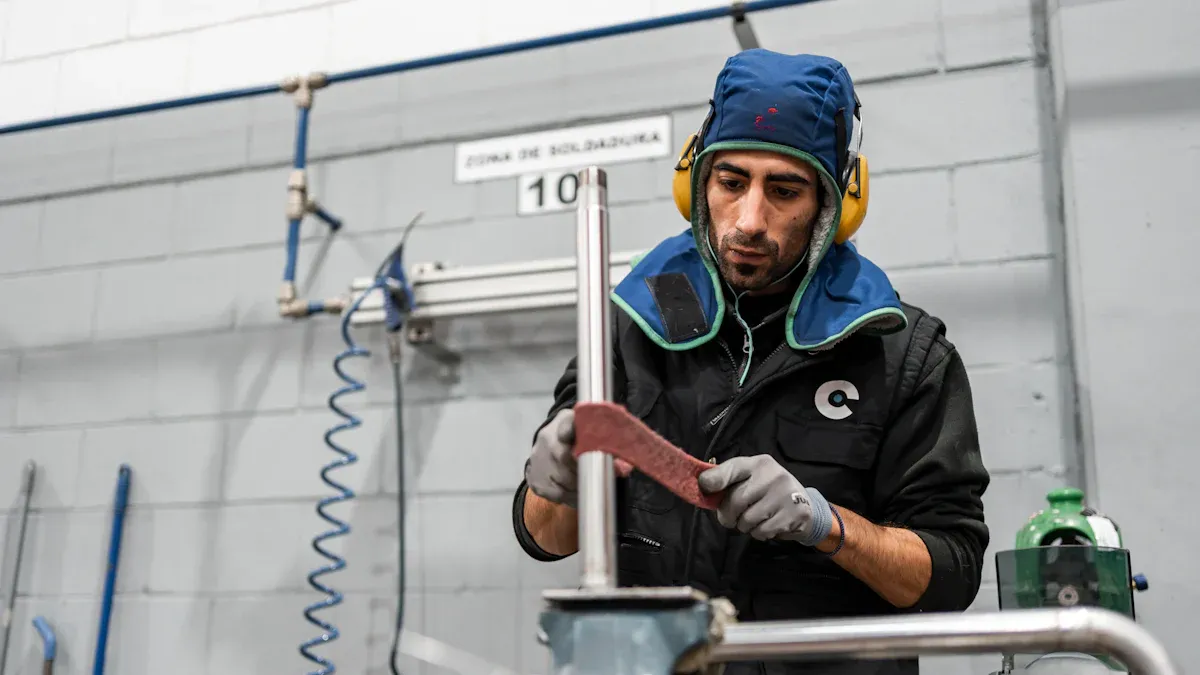
You must apply exact torque to secure every excavator bucket bolt during mounting operations. Correct clamp load keeps your bucket attachments firm under continuous heavy shock loading on demanding bucket jobs.
Imagine tightening a guitar string; too loose and it won’t play a note, too tight and it snaps. The precision required is similar but on an industrial scale.
Improper torque directly damages your bucket lip and bucket side cutters. Over-torquing stretches hardware past elastic limits, whereas under-torquing leads to loose bucket teeth. Low torque causes joint faces fretting against each other, hole elongation, washer embedding, gasket leaks, and severe fatigue failures on heavy attachments. Correct clamping force guarantees maximum efficiency on your active work site. Proper care brings optimal performance when operating large bucket tools.
Tightening Patterns and Lubrication
Lubrication drastically alters torque requirements on heavy attachments and hydraulic attachments. Applying anti-seize reduces surface friction and lowers required torque by roughly 30 percent. You can compare metric Class 10.9 standard hardware values below:
Bolt Size | Torque — Dry (Nm) | Torque — Lubricated (Nm) |
|---|---|---|
M6 | 18 | 13 |
M8 | 44 | 31 |
M10 | 87 | 61 |
M12 | 114 | 80 |
M16 | 224 | 157 |
You must follow structured tightening patterns on hydraulic flange connections and work attachments. This simple process protects your hardware and boosts overall machine performance:
Put the socket head screws and spring washers in the SAE flange, then turn them by hand.
Tighten all bolts partway first so the flange does not snap from uneven pressure.
Finish the job by slowly turning the socket head screws a little bit at a time.
Use a cross pattern to tighten everything evenly until you reach the right torque.
Following this sequence seals your excavator hydraulic systems safely. Proper installation keeps your bucket assembly, bucket adapter, bucket linkage, auxiliary attachments, and side attachments tightly fastened. Regular maintenance prevents unexpected downtime while maintaining excellent equipment performance on tough attachments during long working shifts.
Inspection, Maintenance, and Replacement
Identifying Bolt Stretch and Fatigue
Checking your hardware during daily pre-operation routines helps keep your excavator parts safe. Strong fasteners can stretch past their safe limits due to constant machine shakes. You can spot stretched bolt threads by looking closely at joint gaps and washer placement. Loose hardware often leaves visible rust trails around a bucket adapter hole. Checking your bucket hardware prevents severe joint failure during daily work. Stretched bolts need quick replacement to stop sudden tool detachment and costly delays.
Fatigue cracks grow deep inside steel parts long before a fastener snaps completely. Hard digging creates repeated shock loads that stress every bucket linkage bolt on the machine frame. You can use pitch gauges or calipers to catch small thread damage on critical pin joints. Replacing damaged hardware shields primary attachments from unexpected breaks during heavy earthmoving jobs. Careful inspection keeps all hydraulic attachments and quick coupler attachments safe under tough daily loads.
Maintenance Intervals and Safety Limits
Creating strict hardware check schedules for your equipment keeps your job site running efficiently. Daily check routines must include teeth and cutting edges care across all active digging tools. Re-torquing loose side cutter fasteners before starting new excavation shifts is key. Proper tightening prevents thread stripping on side attachments. Regular maintenance protects standard excavation buckets and specialized work attachments from severe structural wear and tear.
Tracking machine operating hours helps you replace worn fasteners before safety limits are reached. Heavy digging wears down the protective zinc coatings on each bucket pin and lock nut. A loose bucket connection causes unwanted movement, while fasteners hold the bucket shell firmly against heavy stress. Replace damaged hardware whenever you swap out worn digging bucket teeth or auxiliary attachments. Fast fastener replacements keep your tilt bucket, grading bucket, and narrow trenching bucket working smoothly. Smart hardware care keeps every excavator operating safely on every project.
Matching correct hardware grades, material alloys, and torque values gives you optimal performance on tough jobs. You protect every digging bucket, trenching bucket, and rock bucket against heavy stress. High-grade fasteners for excavator parts secure standard attachments and specialized attachments under extreme digging loads. Proper bolts keep each heavy-duty bucket linkage tight while operating demanding attachments and auxiliary attachments. Boost working performance across every site with reliable hardware.
Consistent daily inspection routines prevent joint failure, maximize job site efficiency, and protect your equipment investment.
You need a trusted partner for hardware, excavator couplings, and machine components. YNF Machinery delivers top parts. Proper care protects every bucket connection, bucket frame, and all excavator attachments.
FAQ
How do you select the correct fasteners for excavator parts?
You must match hardware size, strength grade, and thread pitch to your machine specs. Inspect the original equipment manual to ensure exact fit and compatibility. Right bolts lock every bucket adapter, bucket teeth, and bucket linkage safely, protecting total machine performance during heavy digging work.
Why do mini excavator attachments need specialized lock nuts?
Shaking on job sites can easily loosen basic hardware. Specialized prevailing torque lock nuts keep your mini excavator attachments tight on your machine arm. These lock nuts stop parts from falling off when using small trenching buckets or wide grading buckets, shielding your bucket shell, bucket hook, and bucket lip from damage.
How often should you check hardware on excavator attachments?
Check your hardware every single day before you start working. You should tighten loose bolts on work attachments before starting new shifts. Strong shaking from auxiliary attachments puts stress on every joint. Regular checks keep your trenching buckets, excavation bucket tool setup, and standard buckets safe from sudden failure.
What causes hardware failure on digging bucket edges?
Wrong tightening force, heavy hits, and rust cause hardware to fail. Over-tightening stretches bolts past safe limits. Under-tightening lets loose bucket side cutters shake around. Check your bucket pin, bucket adapter, bucket teeth, bucket frame, and bucket joint setup on trenching buckets to keep your bucket assembly stable.