You need fasteners for excavator parts to keep joints safe and strong. Fasteners in excavators hold important parts together. This makes building heavy machines safe and quick. Good fasteners help you check machines faster. They also help you find problems early. New tools like SmartBolts show how tight bolts are right away. If you use the wrong fasteners, machines can break. This can make them work badly and be unsafe. In mining, fasteners must handle hard work. They also need to make fixing and building easier.
Key Takeaways
Fasteners are very important for keeping excavator parts safe. They make sure heavy parts stay together when the machine works.
Picking the right fasteners for their type and strength is important. This stops the machine from breaking and keeps people safe.
Check fasteners often for rust or damage. Finding problems early can stop big repairs and keep the machine working well.
Use OEM fasteners that fit your excavator’s needs. This keeps the machine working well and saves time on repairs.
Follow the right steps and torque rules when putting in fasteners. This keeps fasteners tight and working, so you avoid problems later.
Definition of Fasteners for Excavator Parts
What Are Fasteners
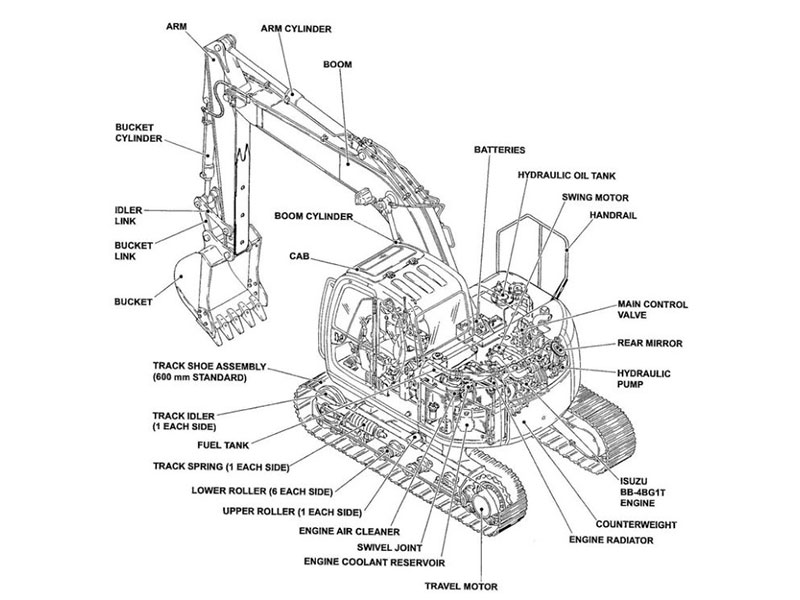
Fasteners connect important parts of excavators. They are special devices that join two or more pieces together. Engineering rules say fasteners are needed to make strong or flexible links. These links use things like friction, stretching, and locking together. Fasteners are very important in oem fastening systems for excavators. You need good fasteners to keep machines safe and working well. Fasteners come in many shapes and sizes for different jobs. You can find hex bolts, socket head bolts, and countersunk bolts in many places on an excavator. Each kind helps make strong links and holds heavy weights.
Tip: Always check fastener quality before you use them. Good fasteners stop problems and help your excavator work well.
Mechanical Principles and Connections
Fasteners use different ways to hold parts together. Frictional locking happens when bolts and nuts press tightly. Elastic deformation is when fasteners stretch a little to take in shocks. Mechanical interlocking is when parts fit together like puzzle pieces. These ways help fasteners make strong or flexible links. Strong links keep parts in one place. Flexible links let parts move a bit to take in shakes and lower stress. You need oem fastening systems to pick the right way for each job. Engineered fasteners help keep excavator parts safe during hard work.
Here is a table with common fastener types and what they do:
Category | Common Types | Features & Applications |
|---|---|---|
By Head Type | Hex Head Bolt | Easy to use with sockets or wrenches. Used for idlers, counterweights, and heavy parts. |
Socket Head (Allen) | Fits in small spaces like oil pumps and valve blocks. | |
Countersunk Bolt | Flat top. Used for track shoes and guards. | |
By Pitch | Coarse Thread | Quick to put in or take out. Used for main parts. |
Fine Thread | Stops shaking. Used for sprockets and travel motors. | |
By Grade | Grade 10.9 | Very strong. Used for track rollers and idlers. |
You pick fasteners by looking at what they do and what your excavator needs.
Role in Excavator Assembly
Fasteners are important for putting machines together and fixing them. You use fasteners to build heavy machines and keep them safe. When building, fasteners make sure all parts fit tightly. You can take out and put back fasteners when you check or fix parts. This makes fixing things faster and safer. Captive screws and retained fasteners stop you from losing small parts during repairs. These oem fasteners help you work better in the field. You save time and have less machine downtime with the right fasteners.
Fasteners make building easy and safe.
Fasteners help you reach parts for fixing.
Captive screws and retained fasteners stop lost parts.
You fix machines faster and better with oem fastening systems.
You need fasteners for excavator parts to keep machines strong, safe, and easy to fix. Engineered fasteners and oem fastening systems make sure every link is good. You protect your machine by picking good fasteners and using them the right way.
Main Types of Fasteners in Excavator Parts
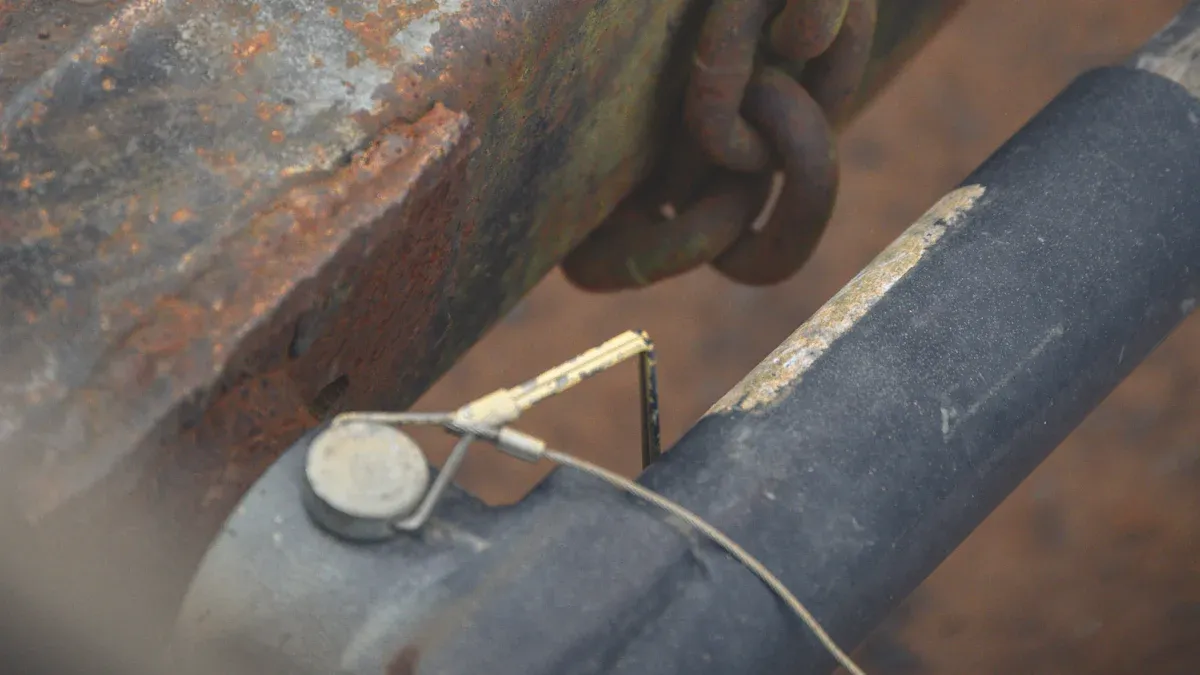
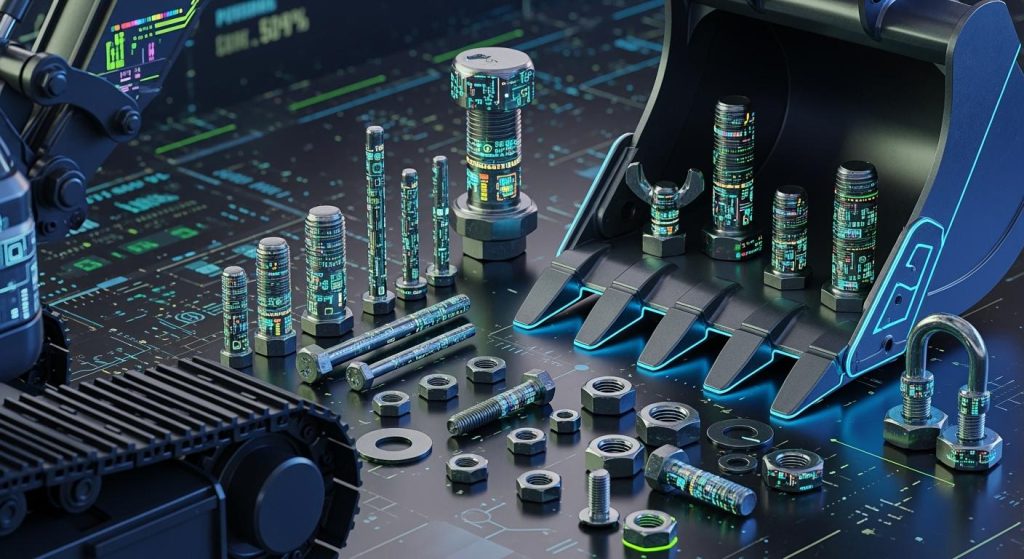
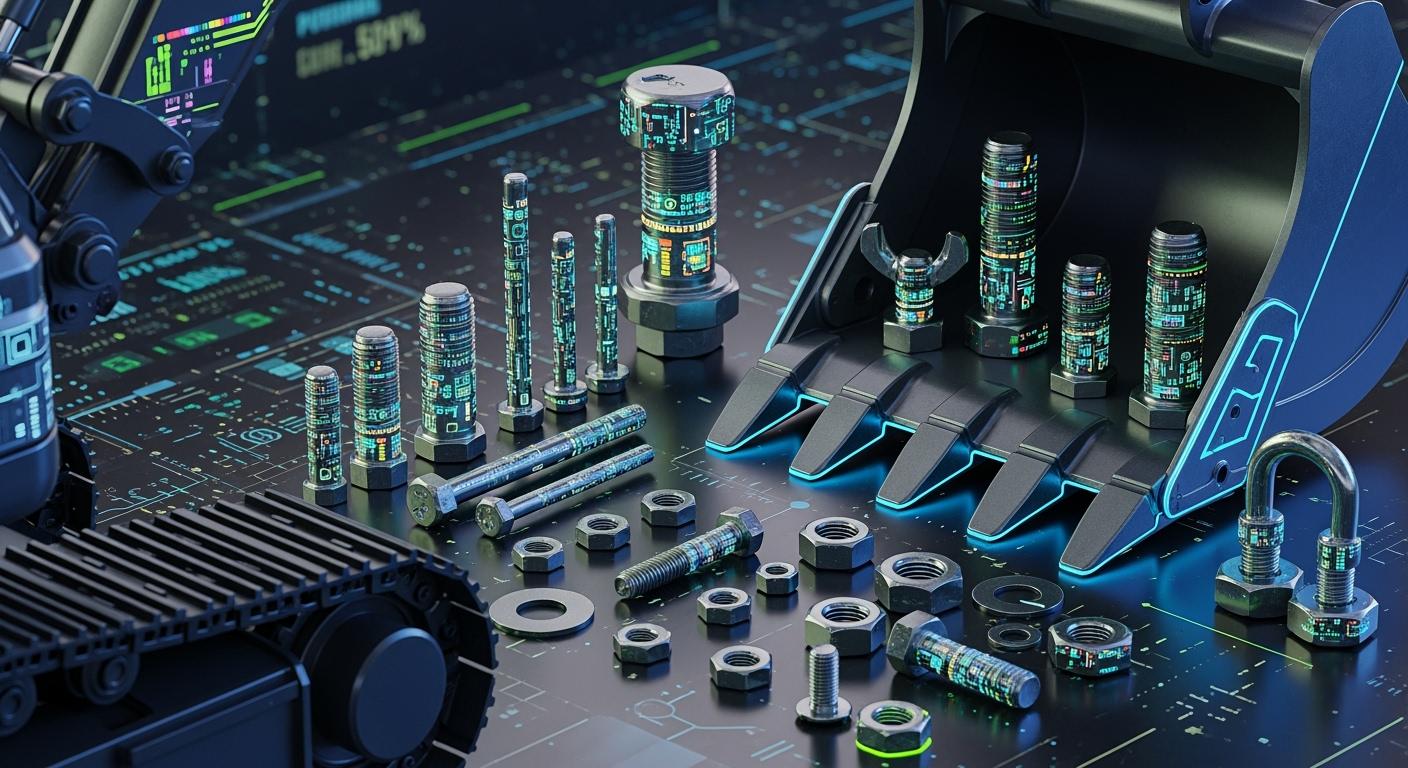
You need to know the main types of fasteners for excavator parts to keep your machine strong and safe. These fasteners hold components together and help you build, repair, and maintain your excavator. You will find bolts, nuts, screws, washers, pins, rivets, and oem fasteners in many places on your machine. Each type has a special job and advantage.
Bolts and Nuts
Bolts and nuts are the most common fasteners for oems. You use bolts to join two or more components. Nuts hold the bolts in place. You see these fasteners in track shoes, sprockets, rollers, and other heavy parts. Many oem fasteners use high-strength grades like 8.8, 10.9, and 12.9. These grades help your excavator handle heavy loads and shocks.
Fastener Type | Categories | Strength Grades |
|---|---|---|
Bolts | Track Shoe, Plow, Segment, Sprocket, Roller, Hex, Wheel | 8.8, 10.9, 12.9 |
Nuts | SQ, Plow, Segment, Hex, Wheel | 8, 10, 12 |
Bolts and nuts give you many benefits:
Fixed chain rail system: You keep the track shoe and chain rail tight.
Transmit power: You move power from the engine to the ground.
Impact and wear resistance: You protect parts from damage.
High precision: You get a good fit for all components.
High strength: You meet tough work needs.
Corrosion resistance: You stop rust with stainless steel bolts and coatings.
Easy to install: You save time with smart designs.
Tip: Always choose custom fasteners that match your machine’s needs. This helps you avoid problems and keeps your excavator safe.
Screws and Washers
Screws are smaller fasteners that help you attach lighter components. You use screws in covers, guards, and panels. Washers go with screws and bolts. They spread the load and stop damage to surfaces. Many oem fasteners use custom fasteners for special jobs. You can find custom oem fasteners in places where you need extra strength or a special fit.
Screws let you attach and remove parts quickly.
Washers protect surfaces and keep fasteners tight.
Custom fasteners help you solve special problems.
Pins, Rivets, and OEM Fasteners
Pins and rivets are custom fasteners that hold moving parts together. You use pins in joints and linkages. Rivets give you a permanent connection. Many oem fasteners are custom fasteners made for special spots on your excavator. Fasteners for oems must fit the design and work well under stress.
Pins let parts move but stay connected.
Rivets give you a strong, lasting hold.
OEM fasteners and custom fasteners match your machine’s needs.
You need the right main types of fasteners for excavator parts to keep your machine working well. Custom fasteners, oem fasteners, and fasteners for oems help you build, repair, and protect your excavator every day.
Materials and Durability of Fasteners
Common Materials Used
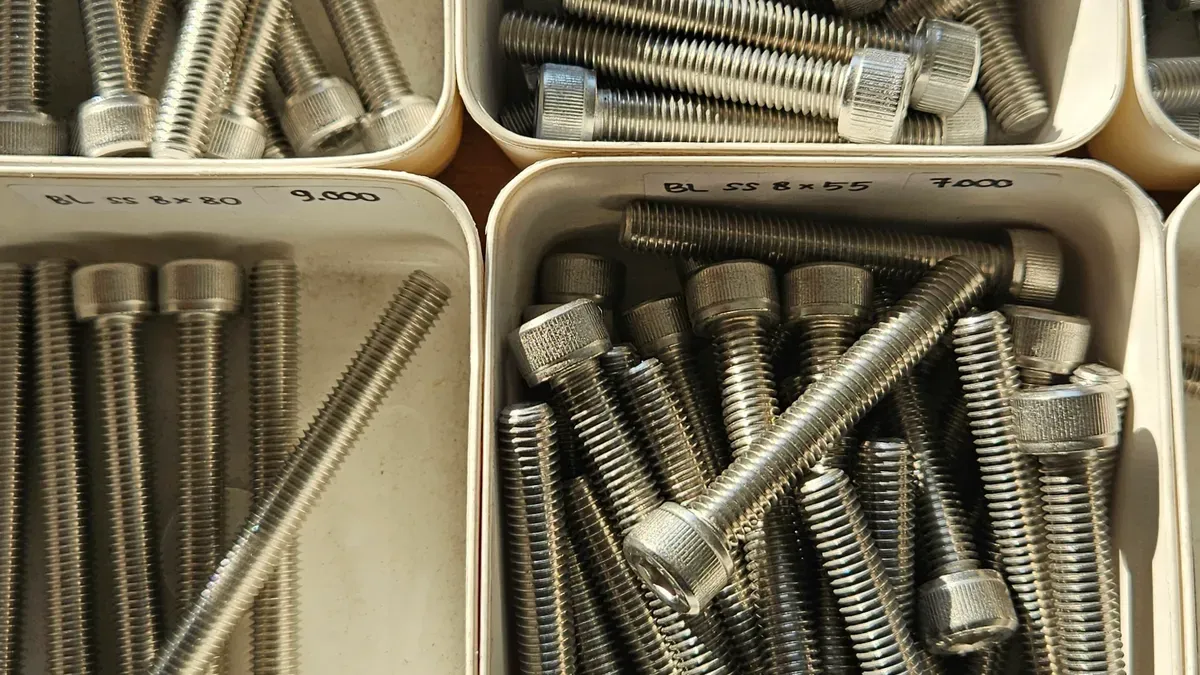
You must pick the right materials for fasteners. The material decides how strong and tough your fasteners are. Many oem fasteners use carbon steel for big parts. Carbon steel works well for most jobs. If there is a lot of water or chemicals, use stainless steel or titanium. These materials do not rust easily and last longer. Sometimes, steel fasteners go with aluminum or plastic parts. This keeps the connection safe and strong. You will see oem bolts and nuts made from these materials in excavators. Good materials help fasteners handle hard work and bad weather.
Surface Treatments and Coatings
You can make oem fasteners tougher with special coatings. Coatings protect bolts and nuts from damage and rust. Here are some common treatments for oem fasteners:
Ceramic-based coatings make a hard layer that stops wear and chemicals.
Nanocomposite coatings mix tiny hard bits into a soft base. This makes the coating strong and helps stop cracks.
Diamond-like carbon coatings give bolts and nuts a hard, smooth surface. These coatings lower friction and help parts last longer.
Self-lubricating coatings use things like graphite or PTFE. These coatings release small amounts of lubricant to reduce wear.
Multilayer and gradient coatings use different layers to make fasteners stronger. These layers help stop cracks and improve grip.
You will find these coatings on many oem fasteners. They make fasteners last longer and help excavators work better in tough places.
Resistance to Corrosion and Wear
Fasteners must handle water, dirt, and big changes in temperature. Excavators work in rain, snow, and mud. These conditions can make bolts and nuts rust or break. Stainless steel, aluminum, and titanium oem fasteners resist rust and keep working in hard spots. Cold weather can make steel break easily. Hot weather can make bolts loose. You must pick oem fasteners that fit your climate and job site. Machines in easy weather can use regular fasteners, but tough sites need special oem fasteners. Good choices help you stop breakdowns and keep your excavator safe.
Tip: Always check your oem fasteners for rust or damage. Replace them if you see problems. This keeps your machine strong and safe.
Selection and Installation of Fasteners
Matching Fastener to Application
You need to pick the right fasteners for excavator parts. This keeps your machine safe and strong. Different jobs need different oem fasteners. You should match the bolt grade to the weight and safety needs. Think about how much weight each part will carry. Also, think about what work the excavator will do. Always follow instructions from engineers or building codes. These rules help you choose oem fasteners that fit the job. If there are no special rules, use the lowest grade that is still safe. This saves money and keeps your machine safe.
Tip: Use oem fastening systems that fit your excavator’s work. This helps you avoid problems and keeps your assembly strong.
Installation Standards
You must follow the right steps when you install oem fasteners. Good installation helps your excavator work its best. Always use the correct tools and tighten bolts to the right torque. Check the guidelines for oem fastening systems and safety joints. The Department of Transportation has rules for moving heavy machines. OSHA says you must check for loose, broken, or rusty bolts and rivets. Regular checks help you find problems early. Look for signs like noisy undercarriage, more vibration, or oil leaks. These signs mean your fasteners need attention.
Here is a checklist for installing oem fasteners:
Clean all surfaces before you put parts together.
Use the right size and grade of bolts.
Tighten bolts in the correct order.
Check for cracks, wear, or leaks after you finish.
Preventing Failures and Ensuring Safety
You can stop failures by using engineered fasteners made for heavy loads and high vibration. These fasteners last longer and resist wear. If you use poor quality oem fasteners, your machine can break down and cost more to fix. Even a small turn of a bolt can make it lose most of its clamping force. When some bolts loosen, others must carry more weight. This can break bolts and cause more downtime. Always check for worn flanges, cracks, or leaks during routine checks. Reliable oem fasteners help you do less maintenance and keep your excavator working longer.
Note: YNF Machinery has many oem fasteners for excavator parts. You can trust their quality and skill to keep your assembly safe and your machine working well.
Fasteners help your excavator stay safe and strong. Picking the right fasteners protects your machine. You must put them in the right way. Check fasteners often to spot rust or damage early. Use the right amount of force when you tighten them. Add oil or grease to help them last longer. Change out broken fasteners for good ones. YNF Machinery gives you fasteners you can trust.
FAQ
What happens if you use the wrong fastener in your excavator?
If you use the wrong fastener, your machine can fail. It can also be unsafe. Wrong fasteners might come loose or break. Parts could fall off the excavator. Always check the size, grade, and material before you install fasteners.
How often should you inspect fasteners on your excavator?
You need to check fasteners every time you do maintenance. Look for rust, cracks, or bolts that are loose. Finding problems early helps you stop breakdowns. This keeps your excavator safe.
Which fastener material works best for wet or harsh environments?
Stainless steel and titanium do not rust easily. They last longer in wet or tough places. Using these materials helps your excavator stay strong. Pick the right material to protect your machine.
Why do you need to follow torque guidelines when installing fasteners?
Using the right torque keeps fasteners tight. It stops damage. If you use too much force, bolts can break. If you use too little, parts can loosen. Always use a torque wrench to be sure.
Where can you find reliable fasteners for excavator parts?
YNF Machinery gives you strong fasteners you can trust. They have OEM parts that fit your excavator. These fasteners help you work safely and do your job well.