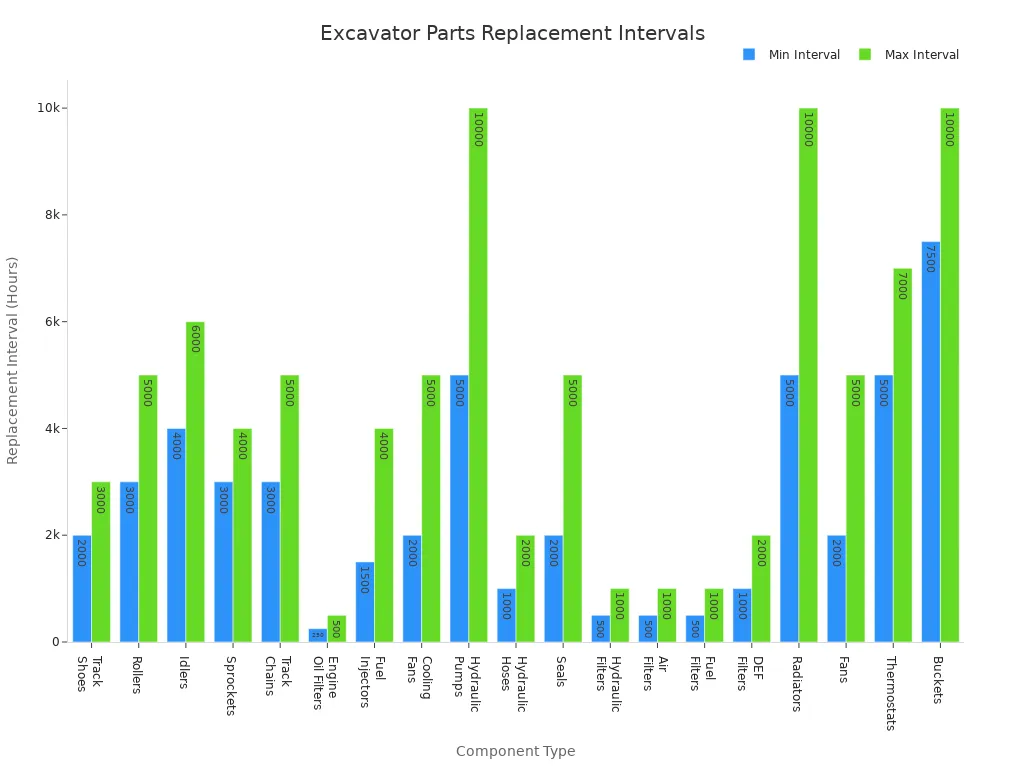
You can find the most replaced excavator parts by looking at these times and signs of wear:
Component | Lifespan (Hours) | Signs of Wear |
|---|---|---|
Track Shoes | 2,000 to 3,000 | Getting thin, cracks, losing grip |
Rollers | 3,000 to 5,000 | Loud sounds, shaking, oil leaking |
Engine Oil Filters | 250 to 500 | Works less well, engine gets louder |
Fuel Injectors | 1,500 to 4,000 | Uses more fuel, engine skips |
Buckets | 7,500 to 10,000 | Cracks, bends, teeth missing |
Radiators | 5,000 to 10,000 | Gets too hot, coolant leaks, fins blocked |
If you spot problems early, you can stop big repairs. Fixing things on time saves money and keeps your machine working. You can chat for excavator parts to get help and not wait too long.
Key Takeaways
Check your excavator parts often to find wear early. Look at them every day to stop big repairs.
Change worn parts quickly to keep your excavator working well. Replacing parts on time saves money and makes your machine last longer.
Use good parts from trusted suppliers like YNF Machinery. Quality parts help your excavator stay strong and work well.
Oil and clean your excavator a lot. Taking care of it lowers wear and helps you see problems before they get worse.
Use a checklist for your inspections. This helps you remember what to check and keeps your machine safe.
Commonly Replaced Excavator Parts
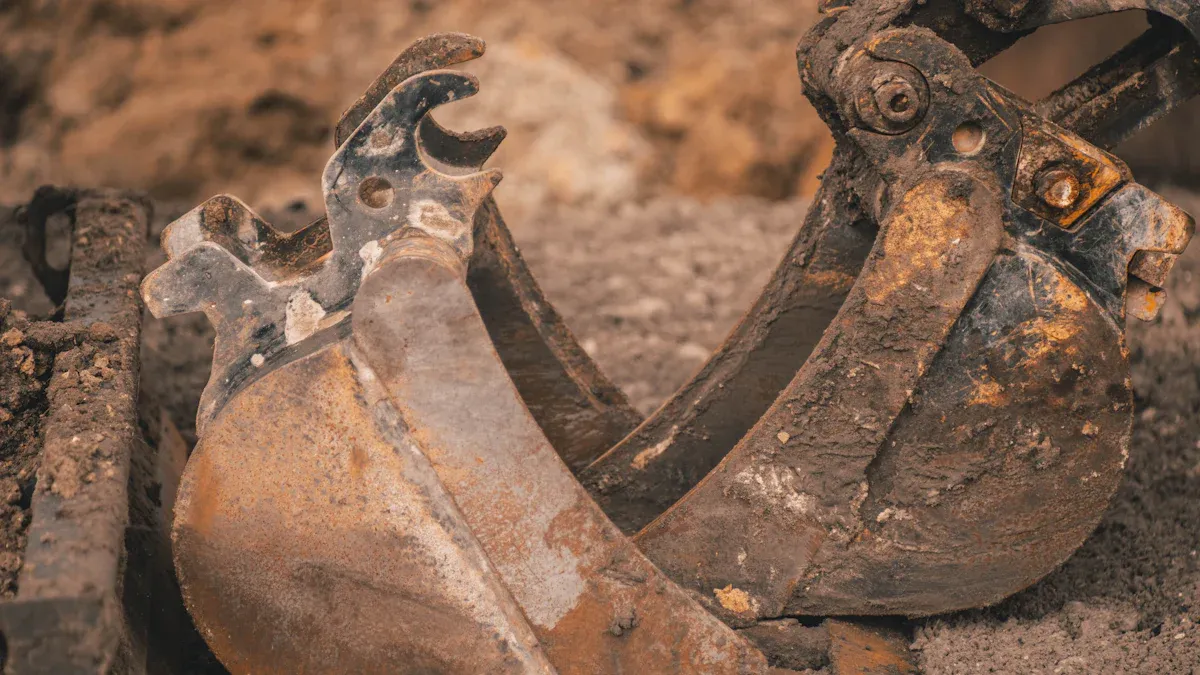
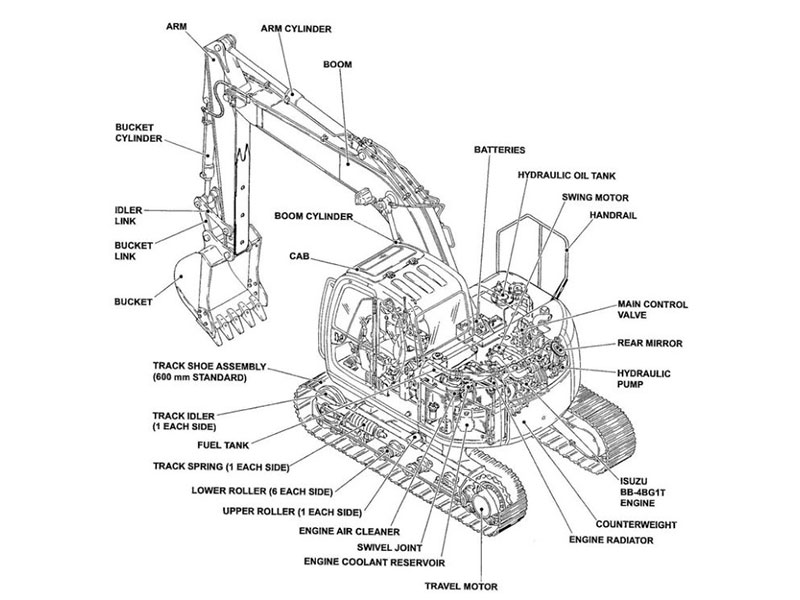
Some parts of an excavator wear out faster than others. These are the parts you replace most often. You should check these parts often. This helps your machine work well. It also stops expensive repairs.
Tracks and Track Pads
Tracks and track pads help your excavator move and grip the ground. Tracks can stretch, break, or wear unevenly. Track pads lose grip as they get thin. You may hear strange noises. You might need to fix the tracks more often.
Usage Condition | Recommended Inspection Frequency |
|---|---|
Heavy Usage | Daily |
Moderate Usage | Every 2-3 days |
Light Usage | Weekly |
Look for cracks, missing bolts, or loose shoes. These signs mean you need new parts soon. Checking often helps you find problems early.
Tip: If tracks wear unevenly or make odd sounds, check them right away. Fixing problems early saves money.
Rollers and Idlers
Rollers and idlers help the tracks move smoothly. They face a lot of stress and can wear out after many hours. Top rollers last between 3,000 to 5,000 hours. Mini excavator idlers last about 2,000 to 3,000 hours or 3 to 5 years.
Listen for loud noises, shaking, or oil leaks. These signs show rollers or idlers need help. If you see damage or uneven wear, replace them soon.
Final Drives
Final drives give power to the tracks. They are important parts that can fail if not checked often. Check the oil level and quality in the final drives. Change the hydraulic oil every 1,000 hours. Look for leaks, rust, or worn metal.
Check oil level and quality often.
Look for leaks and rust.
Get a professional check once a year.
If you see oil leaks or hear grinding, replace the final drive soon.
Rotec Bearings
Rotec bearings let your excavator upper part turn. These parts can fail from old grease, loose bolts, or broken seals.
Failure Mode | Identification Method |
|---|---|
Lack of Lubrication | Check for old or dirty grease. Lubricate every 4-6 months. |
Loose Bolts | Check bolt tightness often to prevent movement. |
Compromised Seals | Inspect seals for damage to keep grease in and dirt out. |
If you hear clicking or feel rough movement, check the bearing right away. Keeping these parts in good shape helps them last longer.
Attachments (Buckets, Hammers, Grapples)
Attachments like buckets, hammers, and grapples wear out often. They face lots of stress and shocks every day. Buckets wear down from digging in tough soil. Hammers and grapples face heavy loads.
Component | Measurement Criteria | Replacement Indicator |
|---|---|---|
Cutting Edge | Measure thickness at center and ends | Replace when below 70% of original |
Side Cutters | Measure height and thickness | Replace before flush with the shell |
Teeth | Measure length and diameter at the shank | Replace when lost 40% of original length |
Welds | Check for cracks at attachment points | Inspect for small cracks regularly |
Shell | Look for wear on the bucket shell | Get help if wear is more than 1/4 inch |
Check for cracks, bends, or missing teeth. If you see these, replace the attachment to keep your excavator safe.
Note: Abrasion, impact, corrosion, and stress cause most wear. Not fixing small problems can make things worse.
YNF Machinery sells strong excavator parts. They have a good reputation for durable parts. Picking a trusted supplier helps your equipment last longer.
Hydraulic System Parts
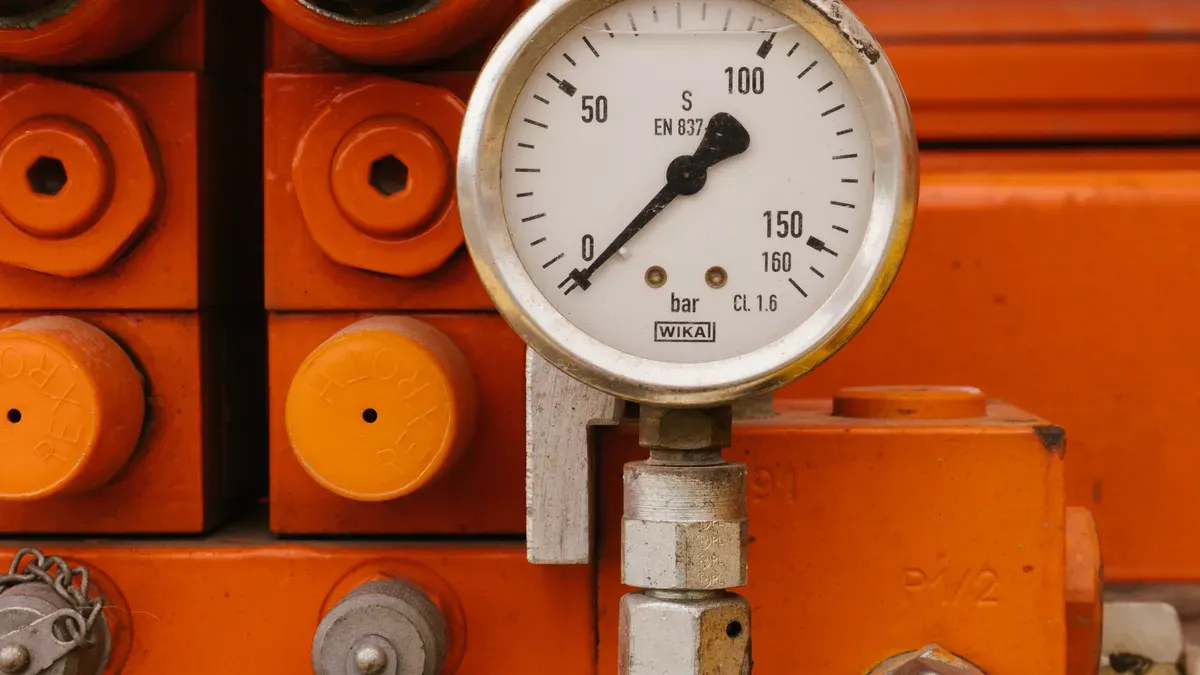
Hydraulic system parts help your excavator move and lift. You should check these parts often. They wear out because you use them a lot. How long they last depends on how you use and care for your machine. Most hydraulic parts work for 3,000 to 7,000 hours. You can find problems early if you know what causes wear.
Cause of Failure | Frequency Rank |
|---|---|
Contamination | 1 |
Internal leakage | 2 |
Aeration and cavitation | 3 |
Heat | 4 |
Hydraulic Pumps
Hydraulic pumps push fluid through the system. Listen for loud sounds or slow movement. If you see oil leaks or the pump feels hot, it may need to be replaced. Check the pump every 1,000 hours. Keep fluid clean to stop contamination.
Tip: Change hydraulic fluid as part of hydraulic system and fluid maintenance. Clean fluid helps pumps last longer.
Hydraulic Hoses
Hydraulic hoses carry fluid to different parts. Look for leaks, bulges, or color changes. Listen for hissing or notice pressure drops. These signs mean the hose could fail soon.
Visible fluid leaks
Excessive noise in the hydraulic system
Frequent pressure loss
Discoloration or bulging
Replace hoses if you see any of these signs. Check hoses every 500 hours.
Hydraulic Cylinders
Hydraulic cylinders lift and move the excavator arms. Look for oil leaks at rod seals and fittings. Watch for cylinder drift or trouble holding loads. Test for leaks by checking for pressure drops.
External leak signs
Internal leak symptoms
Bench bypass test
Replace cylinders if you see leaks or hear strange noises.
Seals and Fittings
Seals and fittings keep fluid inside the system. Check all connections and seals for cracks or wear. Tighten fittings and replace damaged seals right away.
Secure all connections
Regularly inspect seals and O-rings
Replace worn or damaged seals
Good seals and fittings stop leaks and help hydraulic parts work well.
YNF Machinery sells reliable hydraulic system parts. You can trust their products to help your excavator last longer.
Engine and Filter Components
Air, Fuel, Hydraulic, and Oil Filters
Filters keep dirt out of your engine. They protect the power systems from damage. Clean filters help your excavator work well. Changing oil and filters together keeps new oil safe. Check air filters every 100 hours. Clean air filters help your engine use fuel better. Clean the fuel injection system every 300 hours to keep fuel good.
Filter Type | Recommended Replacement Interval |
|---|---|
Air Filters | Refer to service manual; monitor with filter gauge |
Hydraulic Filters | Every 1,000 hours; check service manual |
Oil Filters | Every 250-500 hours or at least once per year |
Fuel Filters | At least once a year; check service manual |
Tip: Change filters on time. This stops engine wear and keeps your machine strong.
Belts and Hoses
Belts and hoses help your excavator run. Check hydraulic hoses for rubbing marks. Look for leaks or spray patterns. Check for coolant leaks at hose connections. Look at fuel lines and the tank for leaks. If you see cracks, bulges, or leaks, change the belt or hose right away.
Check hoses for rubbing and leaks.
Look for spray or weeping.
Check fuel lines and tank for leaks.
If you find damage early, you stop engine problems and save money.
Radiators and Cooling Fans
Radiators and cooling fans keep your engine cool. If they break, your excavator can get too hot. Check them often and use good coolant. Keep the area clean and follow the service schedule.
Component | Typical Lifespan (Hours) | Maintenance Steps |
|---|---|---|
Radiators | 5,000 to 10,000 | Inspect often, use good coolant, keep clean |
Cooling Fans | 2,000 to 5,000 | Inspect often, use good coolant, keep clean |
Doing regular maintenance helps you find wear early. It keeps your engine and power systems safe.
YNF Machinery sells parts for filters, belts, hoses, radiators, and cooling fans. You can trust them to help your excavator last longer.
Maintenance Tips to Prevent Premature Wear
You can help your excavator last longer by using these tips. If you find signs of wear early, you can stop big problems. This also keeps your machine safe.
Routine Inspection Checklist
Check your excavator every day before you use it. Look for signs of wear on all the parts. Use a checklist so you do not forget anything. Here are some steps to follow:
Check engine oil, hydraulic fluid, coolant, and fuel levels.
Look at hoses, cylinder rods, and fittings for leaks or cracks.
Check track tension, pad condition, and rollers for damage.
Look at the boom, stick, and bucket for cracks or worn pins.
Test all controls, brakes, and safety features.
Clean dirt from undercarriage and moving parts.
Doing regular checks helps you find problems early. If you keep up with this, your machine can last up to 30% longer.
Lubrication and Cleaning
Lubrication is a great way to stop early wear. Grease all moving parts to lower friction and heat. This stops rust and helps parts work well. Clean your excavator often to get rid of dirt and debris. Dirt can hide wear and cause damage over time.
Grease pins, bushings, and bearings as needed.
Clean filters and change them if they show wear.
Wash the machine to stop rust and overheating.
Good lubrication and cleaning can stop breakdowns. It also helps you see wear early.
Replace vs. Repair Decisions
When you see wear, you must choose to repair or replace the part. Think about these tips to help you decide:
If fixing costs almost half the machine’s value, replace it.
If your machine has many hours, check for big wear.
If you want to keep the machine a long time, fix it well.
If the machine works slower, you may need new parts.
Always use good parts from trusted suppliers like YNF Machinery. This is a smart way to stop early wear and keep your excavator strong.
Remember: If you skip regular checks or miss signs of wear, your machine can break suddenly. Stay on top of these tips to stop early wear.
You can keep your excavator running longer by spotting worn parts early and replacing them on time. Regular checks and cleaning help you find problems before they cause breakdowns. Try these tips:
Clean the undercarriage often.
Check track tension and look for leaks.
Use the right parts and tools for repairs.
Record part wear and plan replacements.
If you need help, chat for excavator parts to get expert advice. Chat for excavator parts can guide you on what to replace and when. Chat for excavator parts also helps you find trusted suppliers like YNF Machinery. Chat for excavator parts gives you answers fast, so you avoid delays. Chat for excavator parts keeps your machine safe and working.
FAQ
How often should you inspect excavator parts?
You should check your excavator parts every day before use. Regular inspections help you spot problems early. This keeps your machine safe and working well.
What are the first signs of hydraulic system failure?
You may notice leaks, slow movement, or strange noises. The machine may lose power. If you see these signs, check the hydraulic system right away.
When should you replace filters on your excavator?
Replace air, oil, and fuel filters as your service manual suggests. Most filters need changing every 250 to 1,000 hours. Clean filters protect your engine.
Why do tracks wear out quickly?
Tracks wear out from rough ground, heavy loads, or poor tension. Cleaning and adjusting tracks often can help them last longer.
Where can you buy quality excavator parts?
You can trust YNF Machinery for strong and reliable excavator parts. They offer expert advice and fast service.