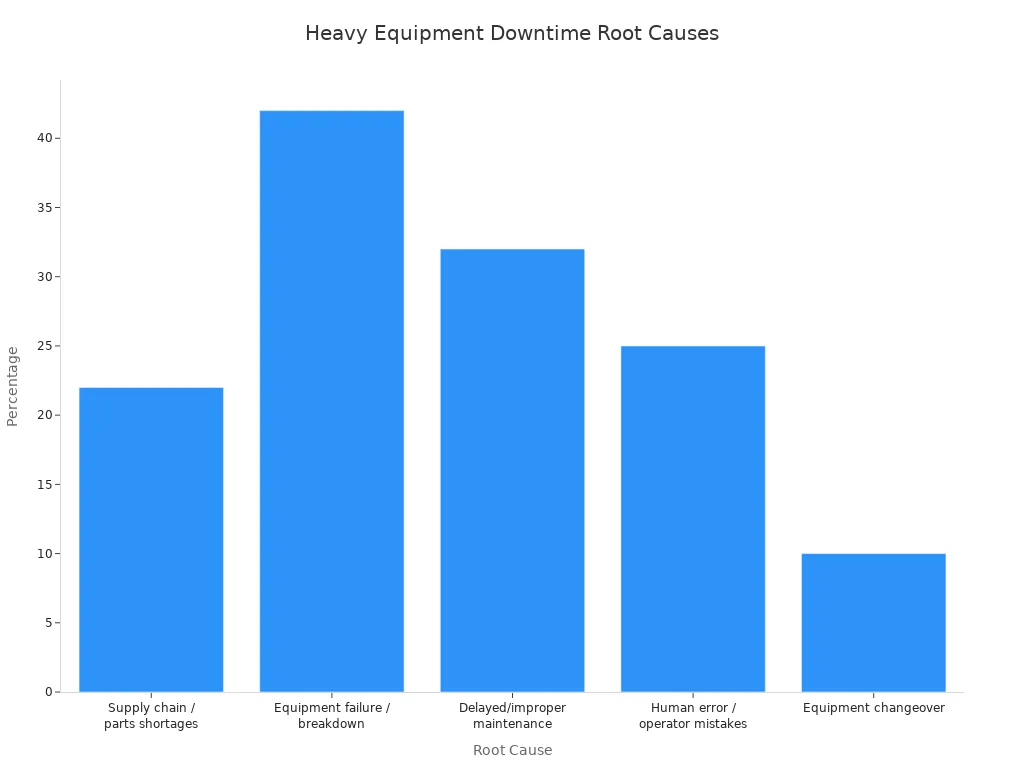
You can simplify the delivery process for excavator parts with careful planning, serial number checks, supplier communication, and standard receiving inspections. Supply chain problems and missing parts cause 22% of heavy equipment delays on busy construction sites.
Using the best steps for heavy equipment delivery prevents extra shipping delays and cargo damage. You protect jobsite equipment when you enforce clear drop-off rules. Working with skilled suppliers like YNF Machinery offers reliable products and exact part matching. Quick order processing reduces machine downtime, while early site planning keeps your daily work moving smoothly and easily.
Key Takeaways
Check serial numbers carefully before ordering to avoid wrong parts and stop machine downtime.
Map out driving paths ahead of time and secure required road passes to avoid costly travel slowdowns.
Clean up the work area so delivery trucks can safely unload big machine parts.
Use real-time GPS tracking to monitor your package and get workers ready for quick unloading.
Check every new part when it arrives and take pictures to guard your machinery budget.
Phase 1: Planning the Delivery Process for Excavator Parts
Confirm Specifications with YNF Machinery
You begin shipping heavy equipment by collecting exact measurements and serial numbers. You should never guess dimensions during the delivery process for excavator parts. Partnering with a reliable supplier helps you check matching component numbers across 26 different brands. YNF Machinery assists with complex engine components, such as overhaul kits, turbochargers, and fuel pumps.
Checking serial numbers stops frequent shipping problems:
Ordering Incorrect Parts: Serial numbers act like a fingerprint to help you select exact components.
Increased Downtime and Wasted Money: Verification prevents idle machinery, return fees, and extra freight charges.
Potential for Further Damage: Exact matches stop the installation of bad parts that damage equipment.
Early planning controls your operational expenses and prevents major work delays:
Cost Savings Category | Quantitative Benefit |
|---|---|
Reduction in per-part cost | 10-25% |
Reduction in parts-related downtime | 50-75% |
Reduction in dead/obsolete stock | 20-30% |
Annual savings for a 50-machine fleet | $100,000-$200,000+ |
Map Transit Routes and Oversized Permits
You must plan your travel path before drivers start moving heavy freight. Safe transport requires active route checking and following all local road laws.
Proper route planning helps mitigate risks, improve efficiency, and ensure regulatory compliance. Modern navigation tools and real-time traffic updates guide drivers along open roads.
You will need special permits whenever cargo dimensions exceed standard highway rules.
Requirement Category | Typical Threshold Triggering a Permit | Key Procedural Note |
|---|---|---|
Width | Exceeds 8.5 feet (102 inches) | Permits are required from each state the load travels through. |
Height | Exceeds 13.5 to 14.5 feet | Checks avoid low bridge collisions. |
Weight | Exceeds 80,000 lbs Gross Vehicle Weight | Single permits cover oversized and overweight cargo. |
Detailed travel analysis reduces travel time for your heavy equipment delivery. Helpful software calculates bridge heights, weight limits, and current traffic conditions. You can avoid bad roads and keep your machinery moving efficiently. Careful execution of the delivery process for excavator parts keeps expenses low. Pre-planned heavy machinery shipping prevents costly state fines and guards your work schedule. Following clear drop-off rules guarantees your gear arrives without harm.
Phase 2: Managing Heavy Equipment Delivery Logistics
Select Specialized Equipment Delivery Services
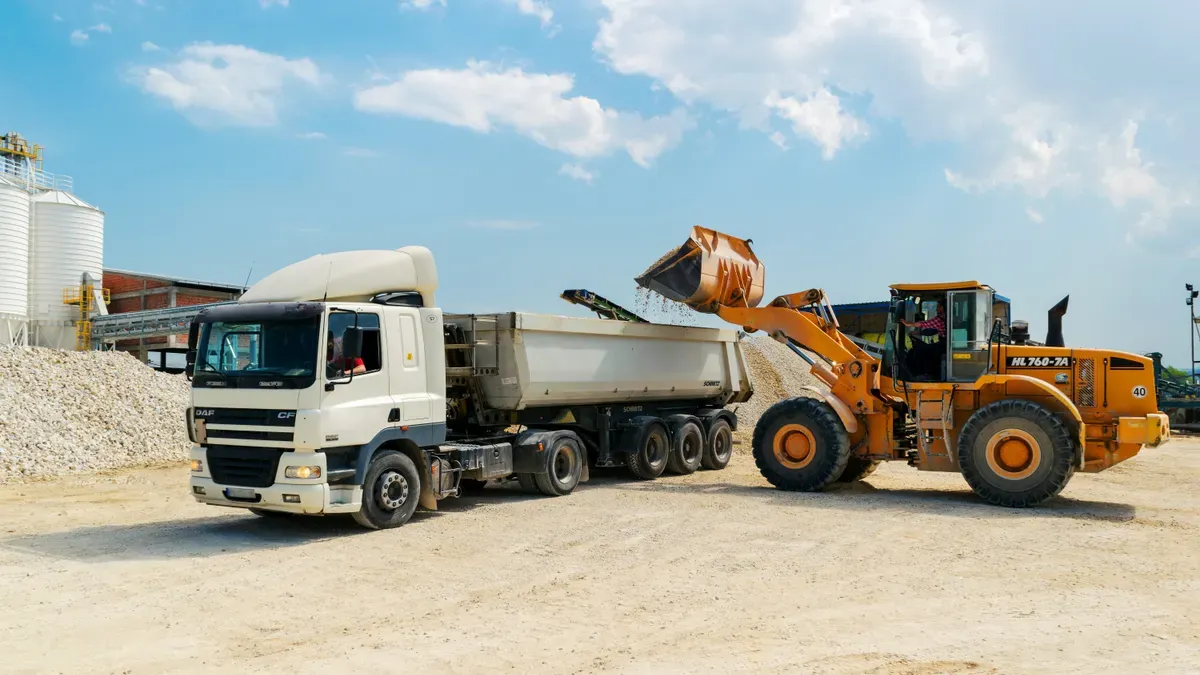
You must select qualified carriers to avoid schedule disruptions and unexpected cost overruns during transport. Key considerations for heavy load delivery services include driver experience, adequate insurance coverage, and proper cargo securing procedures. Choosing dedicated equipment delivery services ensures strict safety and compliance throughout transit. Professional heavy haul trucking companies manage complex road permits, navigate weather impacts, and prevent costly site delays.
Evaluation Criteria | Specific Focus for Excavator Components | Verification Method |
|---|---|---|
Certifications | ISO 9001 quality management and OEM approvals | Check validity via registrar databases. |
Lead Times | Operational dispatch speed for emergency orders | Review historical performance data. |
Technical Support | Warranty claim handling and technical troubleshooting | Evaluate service engineer availability. |
You protect your operational budget by hiring expert industrial equipment delivery partners. Dedicated transport services for equipment simplify complex logistics for heavy machinery shipping. Reliable equipment delivery services verify parts availability and stock lists before loading cargo. Specialized equipment delivery services offer accurate heavy machinery transport options for remote construction jobsites.
Prepare the Job Site Drop Zone
You must prepare the designated drop area before heavy equipment delivery vehicles arrive on site. Poor ground conditions and tight site layouts affect how smoothly heavy machinery shipping crews unload heavy equipment components.
Clear and level the unloading site by removing dirt, debris, and ground obstacles.
Guide the transport truck to the site and precisely align ramps with the trailer bed.
Inspect tie-down points for load shifts before releasing chains and perform final safety checks.
Proper site preparation prevents unexpected shipping delays during heavy equipment delivery. Standard equipment delivery services require clear access paths for safe transport. An organized drop zone allows heavy machinery shipping trucks to park safely without blocking active machinery. Track every delivery to maintain your daily project workflow.
Spotters help drivers position heavy equipment delivery trailers on stable ground. Quick offloading reduces idle labor fees and keeps your delivery on schedule. Safe heavy equipment delivery protects components before shipping fragile assemblies. Executing these steps ensures smooth heavy equipment delivery across all active projects.
Phase 3: Securing Construction Equipment Delivery
Hold engine parts firmly so cargo does not slide around during construction equipment delivery. Drivers prepare fluid lines carefully before loading and tying down gear. Release all line pressure before unhooking hydraulic hoses. Let the hydraulic system cool to avoid painful burns from hot oil during teardown. Pulling all hydraulic cylinders back into closed spots lowers leftover oil inside parts. Mechanics put drying breathers on open ports, pull return filters, and open bottom tank valves to drain fluid fully.
For general Less Than Truckload (LTL) freight shipping, the average cost of damage and loss claims is about $1,796 per shipment.
Good freight packing cuts down safety hazards during heavy machinery shipping.
Metric | Statistic |
|---|---|
Average damage claim per incident for oversized haul moves | Exceeds $12,000 |
Proportion of transport accidents linked to poor securement | 37% |
Store loose motor parts inside custom wooden boxes that pass ISPM 15 plant health standards. Strong steel or hardwood pallets hold big parts safely. Special anti-rust wraps, waterproof covers, and drying packs keep smooth metal parts rust-free before shipping components.
Prepare Engine Components and Secure Freight
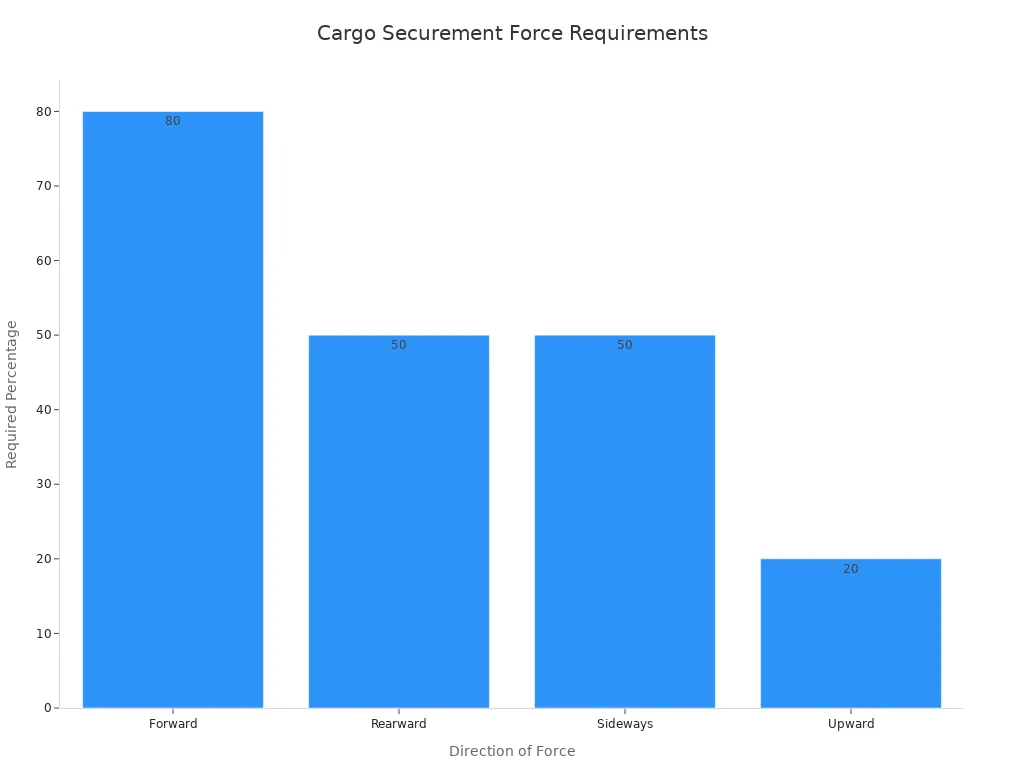
Truckers must obey FMCSA and DOT rules on every heavy equipment delivery. Tie down cargo with Grade 70 chains or strong ratchet straps hooked straight to factory anchor spots.
Category | Standard / Requirement | Supporting Detail |
|---|---|---|
Force Requirements | Must withstand specific directional forces | Forward: 80%, Rearward: 50%, Sideways: 50%, Upward: 20%. |
Tie-Down Quantity | Minimum tie-downs for large cargo | At least four tie-downs for cargo over 10,000 lbs. |
Tie-Down Strength | Combined Working Load Limit (WLL) | Total WLL must equal at least 50% of cargo weight. |
Following rules keeps high-value parts safe during heavy machinery transport. Drivers tug on chains and check all gear before starting heavy machinery shipping. Skilled haulers keep heavy gear safe on the road. Regular safety checks ensure successful heavy equipment delivery with no costly road delays.
Monitor Transit with Real-Time Tracking
Live GPS tracking gives you total view of construction equipment delivery. Watch exact map spots to manage drop times and avoid work delays.
GPS tracking cuts machine theft risks and lowers related insurance bills.
Spot updates cut down useless machine idle time across busy work sites.
System warnings stop people from using gear without permission on the road.
Live tracking makes construction equipment delivery timelines run better. Live GPS tracking makes heavy equipment delivery simple across all active jobs. Fleet bosses change drop plans using live traffic updates. Good timing stops site workers from standing idle while waiting for heavy machinery shipping trucks. Tracking tools log engine hours and trip times to make smart cost estimates.
Cost-Saving Benefit | Operational Advantage |
|---|---|
Improved Equipment Utilization | Data guides asset allocation across active job sites. |
Predictive Maintenance | Automated reminders prevent unexpected component failures. |
Fuel Cost Control | Systems monitor excessive idling to lower fuel expenses. |
Clear location views ease heavy equipment delivery planning. Fast updates get unload crews ready before heavy machinery shipping trucks pull up. Site teams clear drop areas before trucks show up for delivery. Early prep work keeps haul jobs running well while keeping final delivery costs low.
Phase 4: Completing Post-Delivery Inspection

Execute Safe Offloading Procedures
You must finish the final step of heavy equipment delivery very carefully. Ground workers clear the area before unhooking heavy parts from flatbed trailers.
Use Spotters: A guide directs the driver during unloading. This step helps avoid accidents from hidden views or bad alignment.
Maintain Slow, Controlled Movements: Drivers should never hurry their work. Moving the machine at low speeds on or off the truck prevents driver mistakes.
If an emergency happens while unloading parts, like a flip-over, hose burst, or hitting power lines, staff must follow set rules. Workers should turn off the machine, clear the space, and call for emergency help if needed.
Following strict safety rules lowers danger during heavy machinery transport. You keep heavy equipment running well by managing the drop zone.
Inspect Parts and Sign Documentation
You must check all incoming parts right when they arrive on site. Take digital pictures of heavy components before signing receiving papers and approving shipping receipts.
Mechanism | Supporting Evidence |
|---|---|
Provides timestamped evidence | Dated photo files clear up timing arguments for damage found after delivery. |
Creates a consistent, searchable record | Computer tools pull up check files quickly during claim reviews. |
Eliminates reliance on inconsistent methods | Fixed digital steps stop people from using unreliable habits. |
Prevents claims lacking evidence | Checkup pictures keep companies from losing unproven cargo claims. |
When I handled claims for 40 excavators at an African mine, missing paperwork caused 62% of initial warranty rejections.
Good record-keeping creates smooth heavy equipment delivery steps across your working job sites. Missing forms create major paperwork trouble:
Financial Penalty: Breaking rules leads to cash fines equal to 15% of total cargo value.
Customs Delay: Poor or missing forms add 7 extra days to border clearance holds.
Careful arrival checks guard your costly machinery investments. Finishing this heavy equipment delivery step brings total success to your shipping jobs.
Managing the delivery process for excavator parts takes smart planning across four key steps. You must check machine specs, coordinate big transport logistics, fasten cargo safely, and inspect new items right when they arrive. Getting needed components from YNF Machinery guarantees great quality checks and strong shipping help for your daily work. Their tough replacement components stop unexpected machine downtime while keeping heavy equipment working hard on busy job sites. Contact YNF Machinery today to improve your heavy equipment fleet management. Start using strict receiving inspection steps across all active construction sites right now to simplify every heavy project delivery.
FAQ
How do you simplify the delivery process for excavator parts?
You can make ordering excavator parts much easier by checking serial numbers with your seller first. You should also clear out unloading areas on the job site ahead of time. Smart planning like this stops machinery from sitting broken and prevents expensive shipping mistakes.
What should you look for in equipment delivery services?
You need to pick shipping companies that have licensed drivers, live location updates, and full insurance policies. Experienced heavy trucking businesses get special road permits to keep deliveries running on time. These specialized movers keep your expensive machine parts safe on the road.
How do you prevent freight damage during heavy machinery shipping?
You keep parts safe during transport by packing them in tough wooden boxes or tying them onto strong wooden bases. Truck drivers have to empty out motor fluids and strap things down with heavy-duty chains. Hiring dependable shipping teams ensures proper tiedowns for delicate machine pieces.
Why is real-time tracking vital for construction equipment delivery?
Live GPS tracking shows you exactly where your construction gear is while it travels. You can watch truck locations on a map so your ground workers are ready to unload. Tracking prevents paid workers from standing around idle and keeps project schedules moving smoothly.
How does planned heavy machinery transport lower overall costs?
Organized machinery shipping cuts down on road delays and stops expensive cargo from breaking. You must check every shipment carefully as soon as it arrives at your site. Taking notes on part conditions right away prevents arguments over paperwork and protects your business budget.