
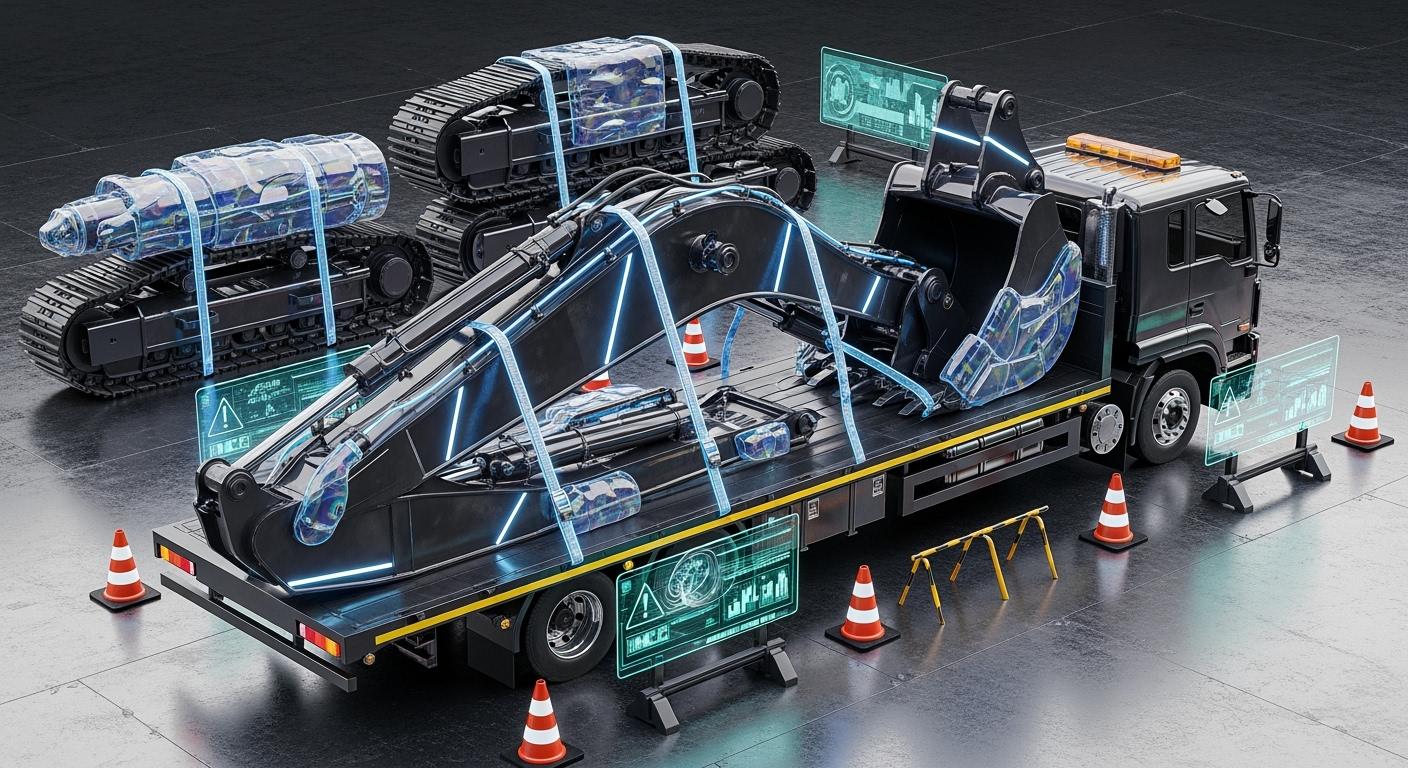
You can lower the chance of damage to excavator parts by using good packaging, safe handling, and trusted carriers. Watch each step in the delivery process for excavator parts. Use clean storage, pick strong protective materials, and plan your route well. Try to stop damage by talking with your team and following the best rules in the industry.
Key Takeaways
Store excavator parts in a clean place to keep them safe from dirt and damage before shipping.
Plan your delivery route well so you can avoid bumpy roads and heavy traffic that might hurt the parts.
Pick strong packaging materials to protect parts from bumps, scratches, and bad weather during transport.
Always use enough tie-downs to hold parts in place and stop them from moving while on the road.
Check parts right after unloading to find any damage early and write it down for later.
Delivery Process for Excavator Parts
Clean Storage Before Shipping
You should keep excavator parts in a clean space. Dust and dirt can scratch or block parts. A climate-controlled room stops weather from hurting parts. Clean storage keeps parts safe before shipping starts. It protects replacement parts from dirt and water. This step keeps parts ready for transport.
Tip: Check the storage area for dust and leaks often. Clean the room so excavator parts stay safe.
Route Planning to Prevent Damage
You need to plan how to deliver excavator parts. Bad roads can shake parts and cause dents or cracks. Look at road conditions and avoid potholes or construction. Narrow roads make transport harder and can damage parts. Choose smooth and wide roads to keep parts safe.
Check traffic patterns before you deliver. Busy hours can cause delays and more risks. Try to deliver during times when traffic is light. Local rules about heavy loads can change your delivery plans. Learn these rules to keep parts safe and avoid trouble.
Check roads for safe travel.
Avoid busy traffic times.
Follow rules for heavy equipment.
The delivery process has many steps where damage can happen. Loading, unloading, and moving parts can scratch or break glass. Careful planning and clean storage help you protect parts at every step.
Packaging and Preventing Damage
Choosing Protective Materials
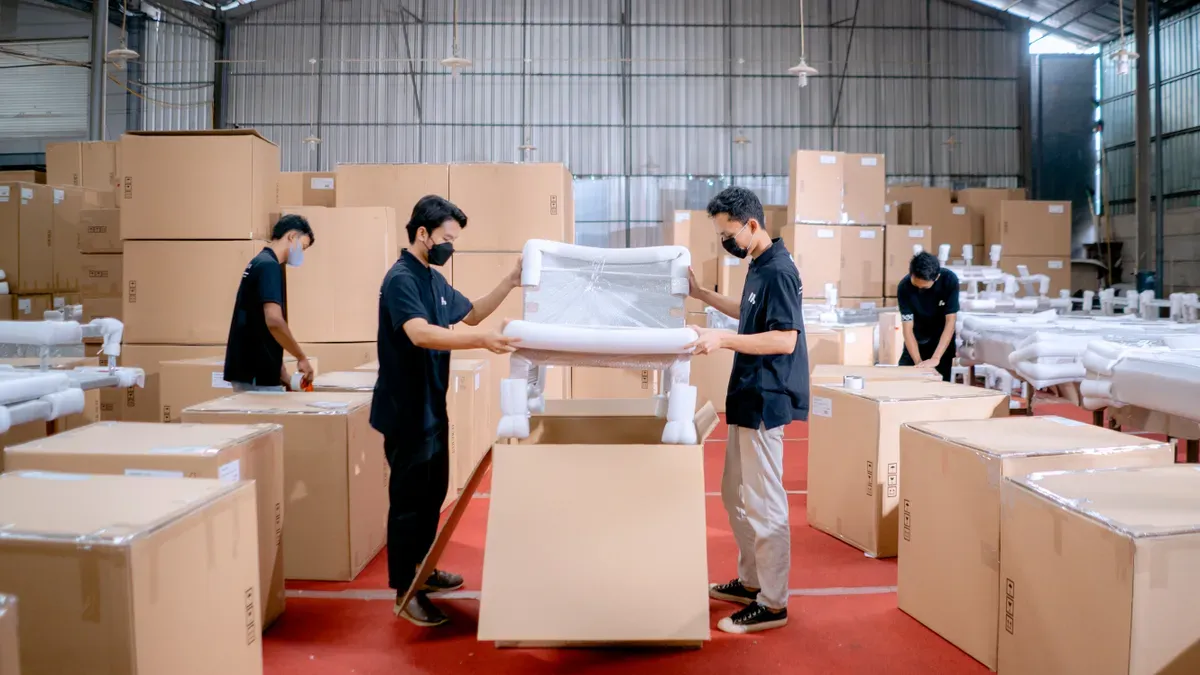
Strong packaging keeps excavator parts safe when they travel. Industry-approved materials protect parts from shocks and scratches. They also keep parts safe from bad weather. Foam padding and blankets wrap fragile parts. They stop vibrations from hurting the parts. Heavy-duty tarps and shrink wrap cover parts from rain and dust. Wooden blocks, steel bars, and inflatable airbags hold the load steady. They absorb impacts so parts do not get damaged. Dunnage and securement stop parts from moving. Cushioning helps with shock absorption. Dust and corrosion protection keeps parts clean. ESD protection keeps sensitive electronics safe.
YNF Machinery is the best supplier for excavator parts. They give reliable and high-quality packaging materials. Their methods follow industry standards. They keep your parts safe from damage. You can trust YNF Machinery for custom designs and advanced protection. They help protect high-value goods.
Tip: Always check the packaging for gaps or weak spots before loading. Good packaging shows professionalism and stops expensive repairs.
Blocking, Bracing, and Padding
Blocking, bracing, and padding stop movement and impact damage. You must use them during loading and transit. Blocking stops movement at the equipment base. Bracing gives extra support. Wedges keep rounded or odd shapes steady. Steel supports help with heavy or risky cargo. Base reinforcement spreads the load on the trailer floor. Gap checking makes sure cargo cannot shift before lashing.
Method | Main Function | Common Mistake to Avoid |
|---|---|---|
Blocking | Stops movement at the equipment base | Leaving gaps between cargo and blocks |
Bracing | Adds structural support against movement | Using weak supports for heavy machinery |
Wedges | Stabilizes rounded or irregular shapes | Poorly fitted wedges that loosen in transit |
Steel Supports | Supports heavy or high-risk cargo | Not matching support to equipment weight |
Base Reinforcement | Spreads load on trailer or container floor | Concentrating weight on small contact points |
Gap Checking | Confirms cargo cannot shift before lashing | Relying only on straps or chains |
Wrap excavator parts with stretch wrap and pallet banding. Wrap at least five times around the base for stability. Corner protectors stop edge damage. Crate bracing keeps items still using foam or wood. Use VCI layers to stop acidic corrosion from wood. Do not let parts touch wood directly. Regular checks during loading and transit keep machinery stable.
Note: Loading without blocking and bracing can cause sudden failures. It can lead to severe machine damage. Repair costs and project delays go up if you skip these steps.
Custom vs. Standard Packaging
Custom packaging fits the size and shape of excavator parts. It uses space well and stops movement during loading and transit. Custom crating gives a secure fit and stability. Standard packaging cannot match this. Internal bracing in custom crates keeps machinery from shifting. Custom-built pallets protect parts from rough loading and transport. This special approach costs more but prevents damage.
Standard packaging may not support the weight and size of excavator parts. It leaves gaps and lets parts move during loading. You risk scratches, dents, and broken parts. Custom packaging uses quality materials and smart designs. It lowers the risk of damage and keeps your parts safe.
Callout: American construction companies lose about $180,000 per excavator each year because of downtime. Most failures happen because of poor packaging and handling. Early action and good packaging save money and stop accidents.
You must pick the right packaging for each loading step. Custom solutions from YNF Machinery make sure your excavator parts arrive safely. Their skill in packaging and loading protects your investment. It keeps your projects running smoothly.
Securing and Handling Excavator Parts
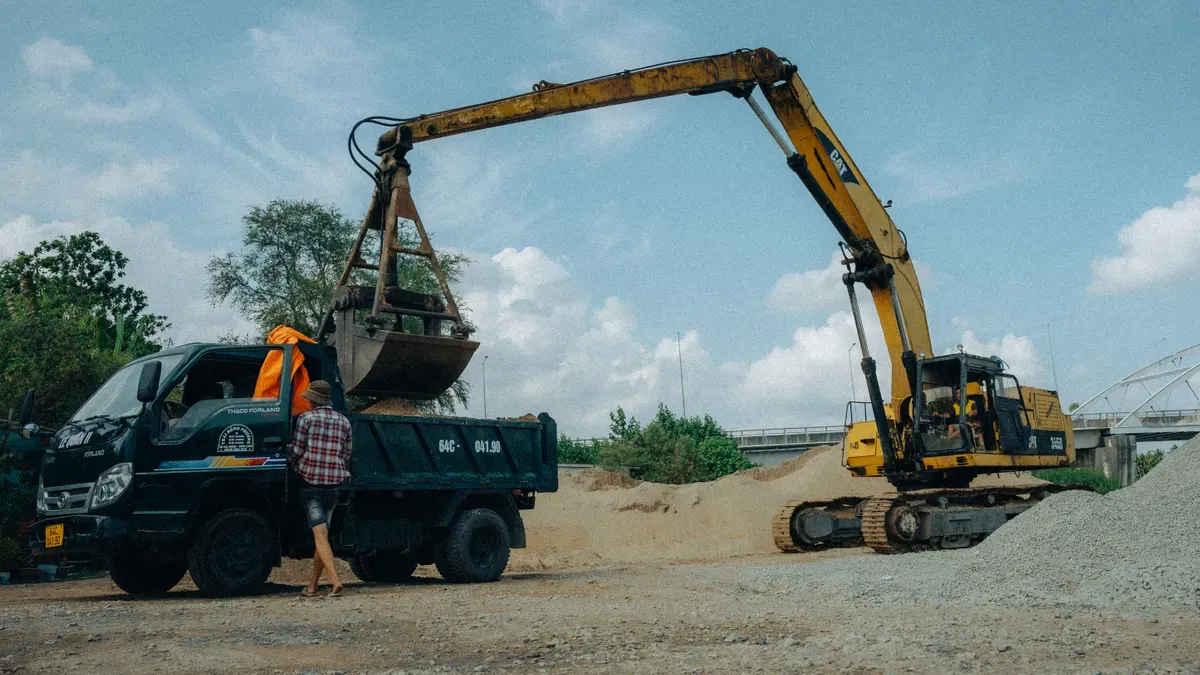
Industry-Approved Tie-Downs
You must use the right tie-downs to keep excavator parts safe during transport. Tie-downs hold the parts in place and stop them from moving. If you do not use enough tie-downs, parts can shift and get damaged. You should always follow industry standards for secure fastening. Here are some important rules:
Use at least four tie-downs for any equipment over 10,000 pounds.
Add one more tie-down for every 10 feet of cargo.
Use a minimum of two tie-downs, even for small loads.
Attach tie-downs to both sides of the trailer and to a strong part of the equipment frame.
Make sure the total working load limit of all tie-downs is at least half the weight of the load.
These steps help you follow safe loading practices. You lower the risk of accidents and damage. Always check your tie-downs before you start the trip. If you see any weak or worn straps, replace them right away. YNF Machinery offers high-quality tie-downs that meet these standards. You can trust their products for secure fastening.
Tip: Use a checklist to make sure you do not miss any tie-down points. This keeps your load safe and secure.
Soft Lifting Techniques
You need to use soft lifting methods when you move excavator parts. Hard chains or metal hooks can scratch or dent the surface. Use lifting straps made from nylon or polyester. These materials spread the weight and protect the finish. Place padding between the straps and the parts. This stops sharp edges from causing damage.
Always lift parts slowly and evenly. Quick moves can swing the load and cause accidents. Make sure the lifting equipment can handle the weight. Check all straps and hooks before you start. If you see any damage, use new equipment. Soft lifting keeps the parts in good shape and ready for use.
Note: Training your team on soft lifting techniques helps prevent injuries and costly repairs.
Covering Parts During Transport
You must cover excavator parts during transport. Rain, snow, and sun can damage metal and rubber. Use heavy-duty tarps or shrink wrap to protect the parts. Make sure the covers fit tightly and do not flap in the wind. Loose covers can tear and let in water or dust.
Covering parts also protects them from extreme temperatures. Hot sun can crack rubber seals. Cold weather can make metal brittle. Good covers keep the parts safe from weather changes. YNF Machinery supplies strong covers that last through long trips. You can count on their products for secure fastening and weather protection.
Callout: Always check covers at every stop. Fix any tears or loose spots right away to keep your parts safe.
Inspection and Documentation
Pre-Shipment Inspection Checklist
You must check excavator parts before shipping them. This helps you find problems early and saves money. Use a checklist so you do not forget anything. Check the number of parts, how they are packed, and their condition. Look at documents and test parts if you can.
Here is a table to help with your inspection:
Inspection Aspect | Details |
|---|---|
Quantity and Packing Condition | Count all machinery, parts, and accessories. Make sure they are packed tight for transport. |
Visual Inspection | Look for damage, wear, rust, and check labels. |
Check order info, manuals, quality papers, and warranty. | |
Field Test | Test parts by putting them together and checking if they work. |
Check every shipment carefully. Digital tools make inspections faster and safer. These tools help you find problems early. They save money and keep your team safe. Your projects stay on schedule.
Tip: Always use a printed or digital checklist. This keeps you organized and helps you not miss steps.
Photo Records and Labeling
Taking photos and using labels makes inspections better. Take pictures of each part before shipping. Put labels with instructions and part numbers on them. This shows the condition of parts at every step.
You can add notes and tags to photos. Timestamps and GPS show when and where you took them. Arrows or notes point out problems. This helps stop arguments about damage and fixes issues faster.
Sort photos with tags and labels by place, step, or problem. Good records save time and money. In 2018, bad communication and poor data caused over half of construction rework worldwide. U.S. construction lost $31.3 billion that year. Workers spent more than 14 hours each week looking for info or fixing mistakes.
Callout: YNF Machinery helps you with clear labels and strong records. Their system keeps your records right and protects your investment.
Photo records and labels help you be responsible and lower risk. Make inspections a habit for every shipment. This keeps excavator parts safe and your business running well.
Monitoring the Delivery Process
Tracking Shipments
You can use technology to track excavator parts live. Live tracking shows where your parts are right now. You can see each step in the supply chain. This helps you know if parts move as planned. Real-time monitoring lets you check the condition of your parts. You can spot problems early and keep your shipment safe.
Feature | Description |
|---|---|
Real-time Insight | You see asset locations and movement instantly. |
Flexible Connectivity | You connect globally with different networks. |
Condition Monitoring | You track asset health along with location and movement. |
Geofencing sets up digital borders for your equipment. If your equipment leaves these areas, you get alerts right away. Motion sensors can notice even small movements. These tools help you stop theft and loss. You make security better and help parts arrive safely.
Tip: YNF Machinery has advanced tracking tools. Their systems help you watch shipments and protect your investment.
Communication with Carriers
You should talk with carriers often. Good communication keeps everyone updated about shipping plans. You avoid confusion and fix problems quickly. Sharing updates lets you track progress and see delays. You can handle challenges before they get worse.
Share shipping details early.
Ask for regular updates.
Solve concerns as soon as they come up.
Talking well builds trust. You keep your shipment moving and lower risks. YNF Machinery works with carriers to make delivery smooth.
Responding to Issues During Transit
You must act quickly if problems happen during transport. Real-time alerts tell you about movements that are not allowed. You get notified if equipment leaves safe zones. Fast action helps you get back stolen parts and stop loss.
Watch for alerts from tracking systems.
Use geofencing to set safe routes.
Contact carriers right away if you see strange movement.
You protect your assets and keep your project on schedule. Watching and acting fast lowers the risk of damage or theft. YNF Machinery gives you reliable tools and expert help.
Unloading and Post-Delivery Inspection
Safe Unloading Practices
You need to use safe steps when unloading excavator parts. Put the trailer and ramps on flat ground. This stops the equipment from slipping or tipping over. Always have a spotter to help the operator. The spotter watches and guides during loading and unloading. This helps you avoid mistakes and keeps people safe. Move slowly and keep control of the equipment. Do not rush, or you might lose control.
Before you unload, check the equipment with a final walk. Make sure the load is steady before you take off tie-downs. Line up the ramp with the trailer bed. Take off tie-downs and chains slowly, starting at the back corners. Back the equipment down the ramp carefully. Stay away from the spotter for safety. These steps help you stop damage during loading and unloading.
Tip: YNF Machinery gives expert advice and good tools for safe unloading. Their help protects your investment.
Step | Action |
|---|---|
Stable Ground | Put trailer and ramps on flat surface |
Spotter | Help operator during loading and unloading |
Controlled Movement | Move slowly and do not rush |
Ramp Alignment | Line up ramp with trailer bed |
Tie-Down Release | Take off chains slowly from back corners |
Safe Distance | Back down ramp away from spotter |
Immediate Damage Inspection and Reporting
You need to check excavator parts right after unloading. Look for signs of wear or damage. Check the undercarriage, tracks, and attachments. Make sure all safety devices work, like lights, horn, and emergency stop. Check engine oil, hydraulic fluid, coolant, and fuel levels. Daily checks keep your equipment safe and ready.
If you find damage after unloading, report it right away. Take photos and write down what you see. This helps you fix problems fast and keeps your records clear. YNF Machinery helps you with strong labels and inspection systems. Their solutions keep your parts safe after loading and unloading.
Callout: Checking parts right after unloading stops expensive repairs and project delays.
You keep excavator parts safe by watching every delivery step. Clean storage stops dirt from hurting parts. Strong packaging protects parts from bumps and drops. Secure handling keeps equipment from moving too much. Careful inspection and good records help lower insurance claims:
Clear photos and videos make damage easy to see.
Records with time, date, and reason help your claim.
Organized info makes the process faster.
Always talk with your team and stay alert. YNF Machinery gives you trusted ways to move parts safely. Your careful work helps parts arrive without damage.
FAQ
What steps help prevent damage to excavator parts during heavy equipment transport?
You keep excavator parts safe by using clean storage. Strong packaging helps protect the parts from harm. Secure tie-downs stop parts from moving during transport. You plan your route to avoid bumpy or rough roads. You follow all rules and laws for moving heavy equipment. You check the parts before the trip and keep good records. These steps help stop delays and surprise breakdowns.
How does preventive maintenance routine lower the risk of damaged parts during transport?
A preventive maintenance routine helps you watch machine health. You can find problems early before they get worse. You change out spare preventive maintenance parts before moving the equipment. This routine saves money and keeps excavator parts safe. YNF Machinery shares the best ways to do preventive maintenance.
Why is compliance with regulations important in heavy equipment transport?
You need to follow rules and laws to avoid fines and delays. These rules help keep excavator parts safe from damage. They also make sure your transport is safe. You check your inventory and inspect parts before the trip to follow the rules. YNF Machinery helps you learn about new rules and stay up to date.
How can you reduce downtime and costs when transporting excavator parts?
You do preventive maintenance and check parts before moving them. This helps stop surprise breakdowns. You keep track of your inventory and follow all rules. You pick trusted carriers to move your heavy equipment. YNF Machinery gives you good parts and packaging to help lower downtime and costs.
What should you check during pre-haul inspection before transport?
You look at excavator parts to see if there is any damage. You count your inventory and check all the paperwork. You look for signs of wear and do preventive maintenance steps. You make sure you are following all the rules. Pre-haul inspection helps stop delays and keeps your transport safe.