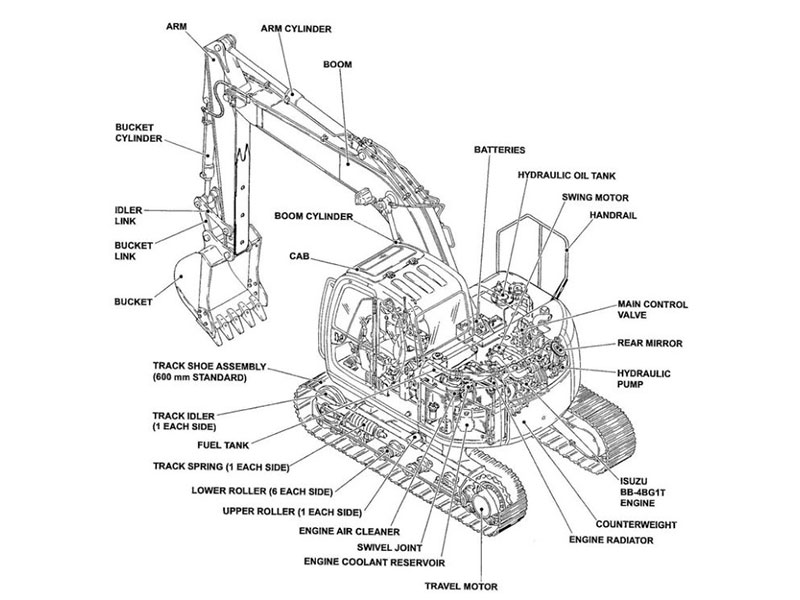
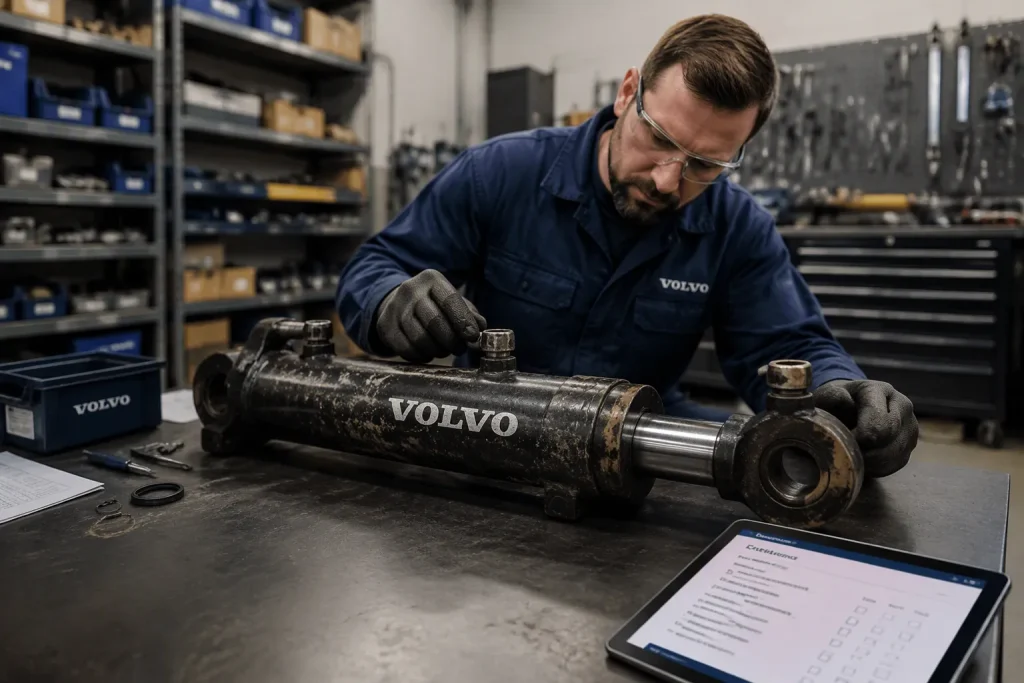
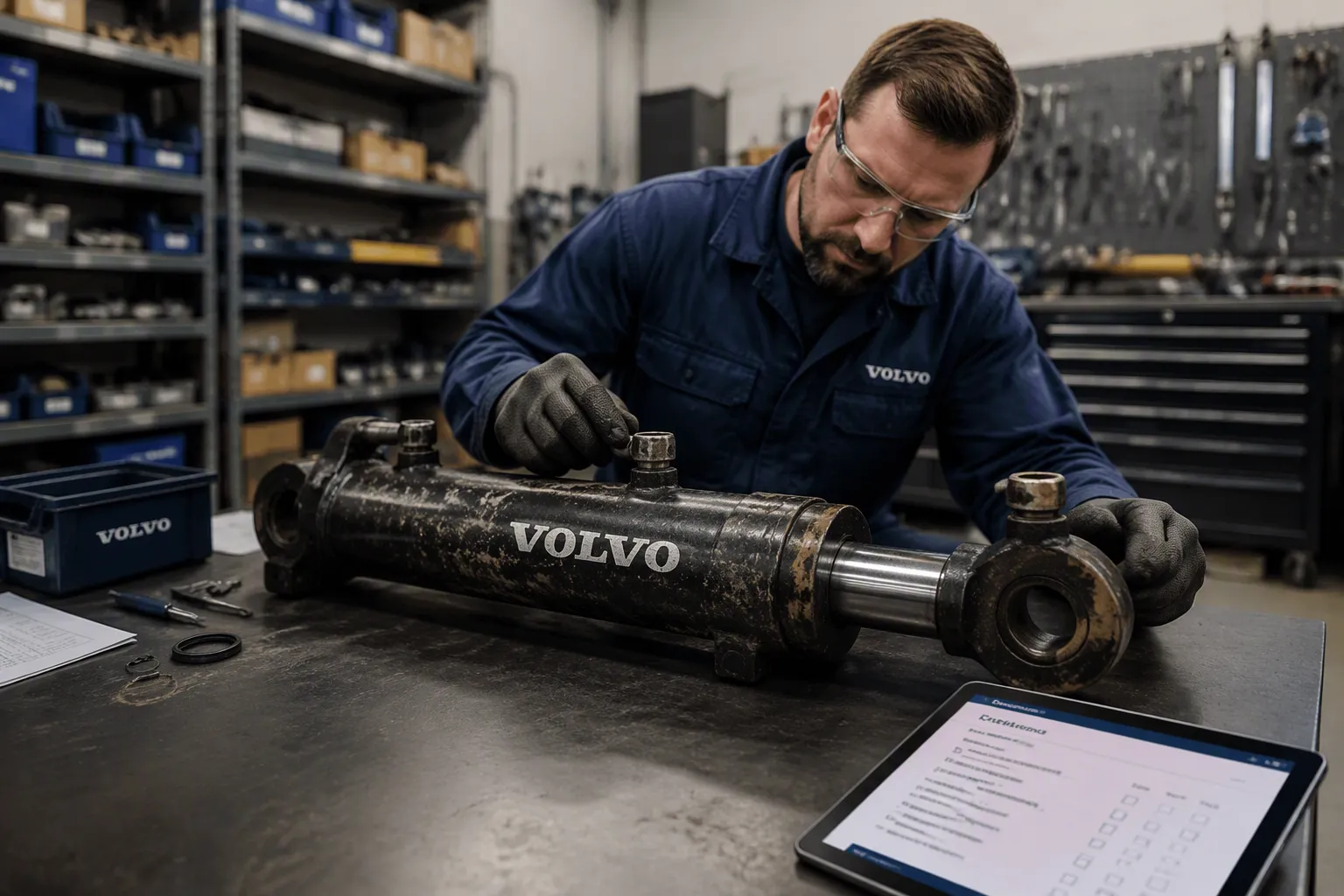
For used Volvo excavator parts, request available donor identification, service and repair history, relevant operating-hour records and exposure or incident information. Verify that the records relate to the offered component. History can support an assessment but does not prove current condition, remaining life or compatibility.
Confirm the recipient machine, donor information and actual offered component separately. Compare supported application and qualified condition findings with actual quotations and written terms. Missing information is an uncertainty to resolve, not a pricing category that makes a part acceptable.
Key Takeaways
Request available donor identification and service records, then assess their relevance and limitations.
Check the hour meter against the service log. Hours that don’t match are a warning sign.
Make sure the part number matches your excavator’s model and serial range. This step stops fitment problems.
Pick parts with a written donor history for critical parts. A cheap part with no records is a risk for important components.
Have a qualified person inspect the actual part before you buy it. Paperwork by itself cannot confirm its condition.
Why Donor History Matters
Reliability and Wear Patterns
Donor work history and maintenance records can help identify questions for inspection. They do not establish a universal wear pattern or calculate remaining component life. Consider removal, storage, repairs and later changes as well, and obtain qualified findings for the actual offered unit.
Fitment and Genuine-Part Match
Verify the actual component and its supported application for the recipient machine. Donor identification, component markings and catalog references have different roles. OEM or aftermarket wording does not guarantee fitment, condition, price or equivalence to a factory specification.
Records to Request for Used Volvo Excavator Parts
Request supporting records and assess their relevance to the actual offered unit. Response speed or a large file alone does not establish record accuracy or component quality.
VIN, Service Logs, and Oil Samples
Record available donor product identification and compare it with supported records where possible. Request maintenance dates and associated operating hours, noting gaps and uncertain entries. A missing log does not prove poor maintenance, and a regular log does not prove current condition.
Oil sample records add another layer. A lab report shows wear metals and fluid condition at one point in time. Treat these reports as useful clues about internal component condition, not as proof of remaining life. Many owners never pull samples, so missing oil records alone should not end a deal. Ask what the seller has, then weigh the gaps.
Repair Invoices and Accident Reports
Repair invoices can identify claimed work, dates and scope. Verify that they relate to the actual component and clarify what was replaced, reused or tested. An invoice alone does not establish current value or acceptable condition.
Accident reports matter just as much. A machine that rolled or caught fire may carry hidden damage in the frame, boom, or wiring harness. Ask directly about collisions, tip-overs, and flood exposure. Request any insurance or salvage paperwork tied to the machine. Then compare the repair history against the hours and the visible condition.
Keep one rule in mind throughout this step. Donor records are clues, not proof. Dealers do not always keep complete files. Oil results may not exist. Accident reports may never have been filed. Build your picture from what you can verify, and note what you cannot.
A simple request list keeps you organized:
Product identification number and plate photo
Full service log with dates and hours
Oil sample lab reports, if any
Repair invoices for major components
Accident, insurance, or salvage paperwork
Record which requested documents are available, what each supports and what remains unresolved. Do not treat document count as a trust score or proof of application.
Checking Machine Records
Paperwork only helps if you can prove it is real. Checking the records turns a seller’s file into a donor-machine history you can trust. Do this step before you pay.
Dealer Cross-Checks and Inspection Reports
An authorized dealer or relevant service provider may be able to clarify records within its access and coverage, subject to permission and record availability. Do not assume it holds a complete history or can authenticate every external repair. Treat any response as one part of the evidence.
Request relevant qualified inspection reports, identifying the actual component, date, scope, methods and applicable criteria. Do not assume a report is certified or comprehensive from its title. Resolve missing condition evidence with qualified assessment before purchase.
Hour Meter and Visual Inspection
Compare the hour meter reading with the service log. The entries should go up in step with the meter. A machine with low hours but heavy repair invoices needs hard questions. So does a meter that reads lower than the last logged service. Meters do get replaced, and sellers should explain why.
Safely obtained photographs of the donor can provide context, but wear and cosmetic appearance do not reliably establish hours or duty history. Do not infer a service-life estimate from visual consistency alone. Inspecting the actual offered component remains necessary.
Weigh what you found in the inspection against the paperwork. When the physical evidence and the machine record agree, you have a donor worth considering for used excavator parts. When they conflict, slow down. Ask the seller to explain the gap. A clear answer helps. Silence or a shifting story does not.
One caution applies to every document in this section:
A clean file is historical evidence with limitations. A qualified assessment can report condition and relevant test findings within its scope; it does not guarantee future function or fitment.
Keep your notes together. A short summary of the dealer check, the inspection, and the hour comparison gives you a solid donor-machine record for the buying decision ahead.
Red Flags in Donor Documentation
Inconsistent Hours and Missing Logs
Investigate inconsistent operating-hour records, including possible meter replacement, recording errors and gaps. Record the explanation and supporting evidence rather than assuming a conflict proves a specific history or defect.
Watch for sellers who cannot describe the machine’s history. Vague answers about where it worked or who serviced it tell you the file is thin. Ask the same question twice and compare the answers. A shifting story is your cue to slow down.
Salvage Signs on Used and Dismantled Parts
Request actual-item photographs and qualified clarification of repair signs, markings or configuration differences. Fresh paint, welding or salvage paperwork raises questions but does not by itself prove either acceptable repair or a defective component.
Mismatched components on excavator parts often signal a machine rebuilt from several donors. That does not always mean a bad part. It does mean you need a qualified inspection of the actual item before money changes hands.
Walk away when the records cannot be verified. A cheap part with no provable past is a gamble, not a bargain.
Compatibility Checks for Excavator Parts
Part Numbers and Supersession
Confirm full donor and recipient machine identities separately and identify the actual components involved. Compatibility depends on supported application information, configuration and applicable conditions; donor and recipient serial numbers need not be identical.
Next, look up the part in the right catalog entry. Makers change part numbers over time, and a supersession check shows if an older number was replaced by a newer one. A replaced number can still be correct, but you need paperwork linking the part to the new number. Ask the seller for that link in writing.
Confirming the Actual Used Part
Paperwork describes a part. It does not prove which part is in the crate. Check the actual used part against the assembly identification on your machine. Compare the setup actually fitted, including brackets, ports, and connectors. A photo of the equipment actually installed on your machine helps the seller match it correctly.
Check kit contents and the quantity basis. A listing may price one seal while the job needs a full set. Confirm what the selling unit includes before you pay. Ask about conditional replacements too, such as parts that must be swapped as a set. Then set up a qualified inspection of the item itself.
A catalog entry supports identification and applicability within its stated coverage. Qualified inspection addresses condition within the reported scope. Use both with the actual configuration; neither guarantees every aspect of future performance.
Documented vs. Undocumented Donors
Remaining Life vs. Cost
Compare actual quotations and the quality and relevance of the evidence attached to each offer. Documented history does not establish a universal price premium or a predictable remaining life.
Missing records leave uncertainty. They do not establish a lower price or make the component appropriate for an allegedly low-risk role. Determine whether adequate identification, condition and application evidence can be obtained before accepting an offer.
Resolve Evidence Gaps Before Choosing
Do not assume panels, covers, brackets or stored spares are noncritical from their names. Establish the actual function, acceptance requirements and supported application with qualified input. If adequate evidence cannot be obtained, hold the purchase.
Critical systems need more. Hydraulic pumps, swing drives, and structural members carry load and safety duty. For these, insist on a documented history and a qualified assessment of actual function and condition. Neither option is wrong on its own. Match the level of evidence to the part’s role, and treat donor records as clues rather than proof of remaining life. When you source used volvo excavator parts, ask the seller to confirm the donor machine identity and the excavator parts you need before you commit.
Do the same steps for every donor machine. Get the VIN. Ask for dealer service and repair records. Check the hour meter against the logs. Ask about accident history. Make sure the part fits your model and serial range. Each step gives you evidence you can check.
Use documented history as one source alongside actual-component identification, qualified findings and supported application information. Resolve material gaps before ordering rather than accepting uncertainty solely for a lower price.
Keep the donor records, recipient application checks, qualified findings, confirmed scope and written terms together with the purchase record.
FAQ
What records should you ask for first from a seller?
Ask for the product identification number and a photo of the plate. Then ask for the full service log with dates and hours, repair invoices, and any accident or salvage paperwork. Send the list in writing. A seller who gives you most of it gives you a record you can check.
Can you trust a clean service file by itself?
No. A clean file is a clue about the past, not proof of remaining life or fitment. Check the history with an authorized dealer and compare the hour meter against the log. Then set up a qualified inspection of the actual part before you pay.
How do you make sure a used part fits your excavator?
Identify donor and recipient machines separately, verify the actual component reference and supported application, and check any conditional replacement or additional-part requirements. Similar numbers, connectors or donor model labels do not establish fitment.
When does an undocumented donor make sense?
Missing history does not by itself establish a suitable use or acceptable risk. Have a qualified specialist determine whether sufficient identity, condition and application evidence is available for the actual component and intended role.
What should make you walk away from a deal?
Hold or reject the purchase when material identity, condition, application or scope questions remain unresolved. A low price does not compensate for inadequate evidence needed to assess the actual component.
For excavator parts sourcing, consider YNF Machinery. Share full machine and component identification, applicable part references and quantities, and request supported compatibility information, an actual quotation, and written warranty and return terms before ordering.