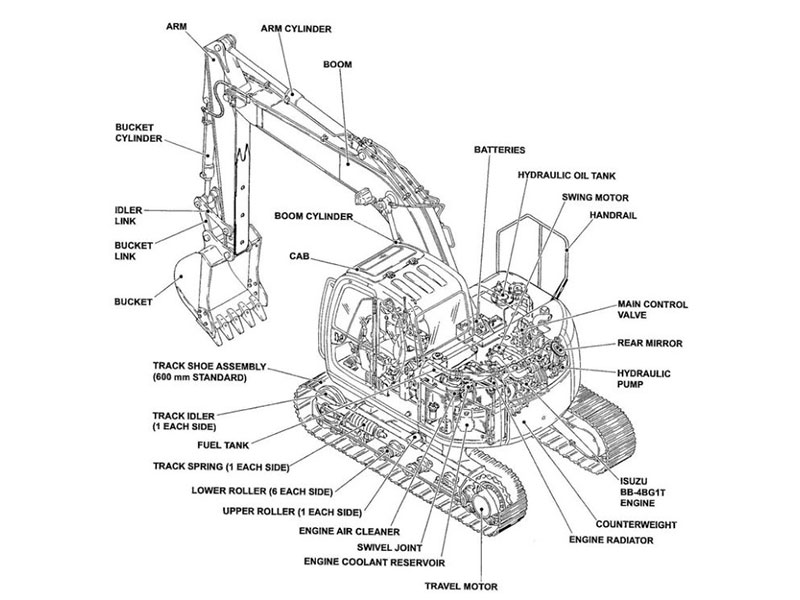
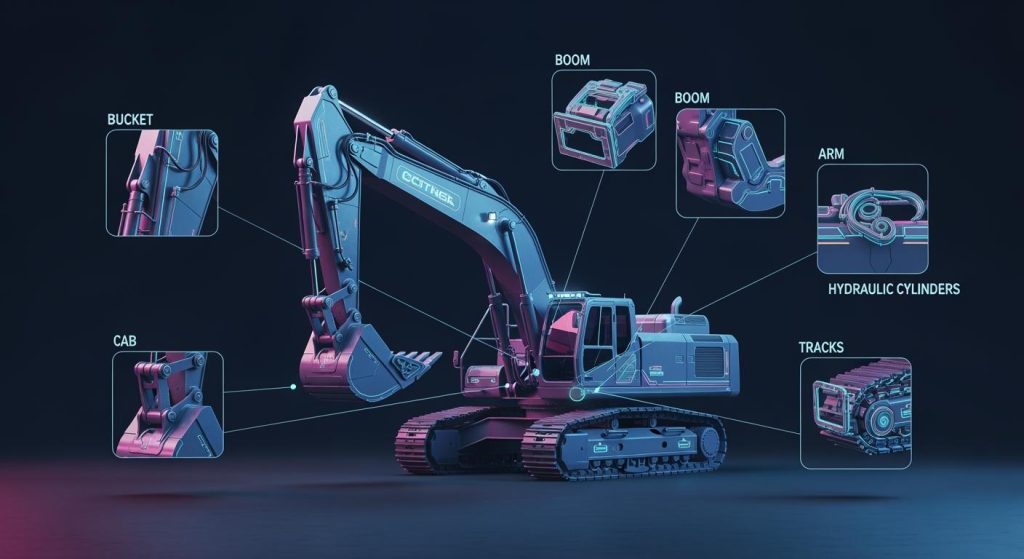
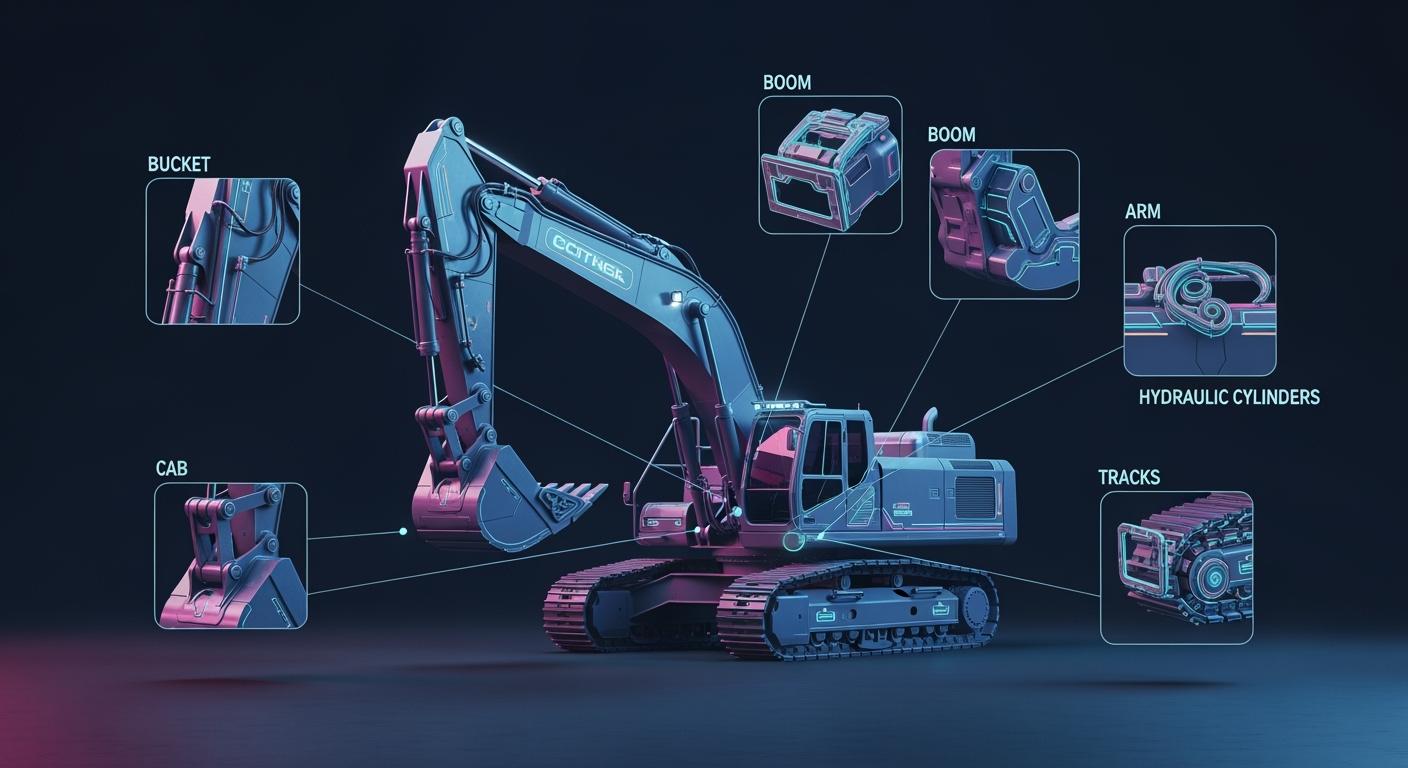
You want to know how an excavator works. Let’s look at the main excavator parts and what they do. The undercarriage has tracks, rollers, and sprockets. The cab is where you sit and use the controls. The boom, arm (stick), and bucket lift heavy things. The hydraulic system gives the machine power. The counterweight helps keep the excavator balanced. Most excavators have two main parts: the upper structure (house) and the undercarriage. Did you know that over 35% of excavator problems come from the chassis system? If you want more details or need to contact for excavator parts, you are in the right place.
Key Takeaways
Learn the main parts of an excavator. These are the undercarriage, cab, boom, arm, and bucket. Each part is important for how the machine works.
Take care of the hydraulic system often. Look for leaks and change the hydraulic oil every 2000-3000 hours. This helps your excavator work well.
Pick the right bucket for your task. Buckets do different jobs like digging or grading. This makes your excavator more useful.
The counterweight helps keep the machine balanced. It stops the excavator from tipping when lifting heavy things. This keeps you safe and in control.
Check your excavator often for damage. Finding problems early can save money and stop work delays.
Main Parts of an Excavator
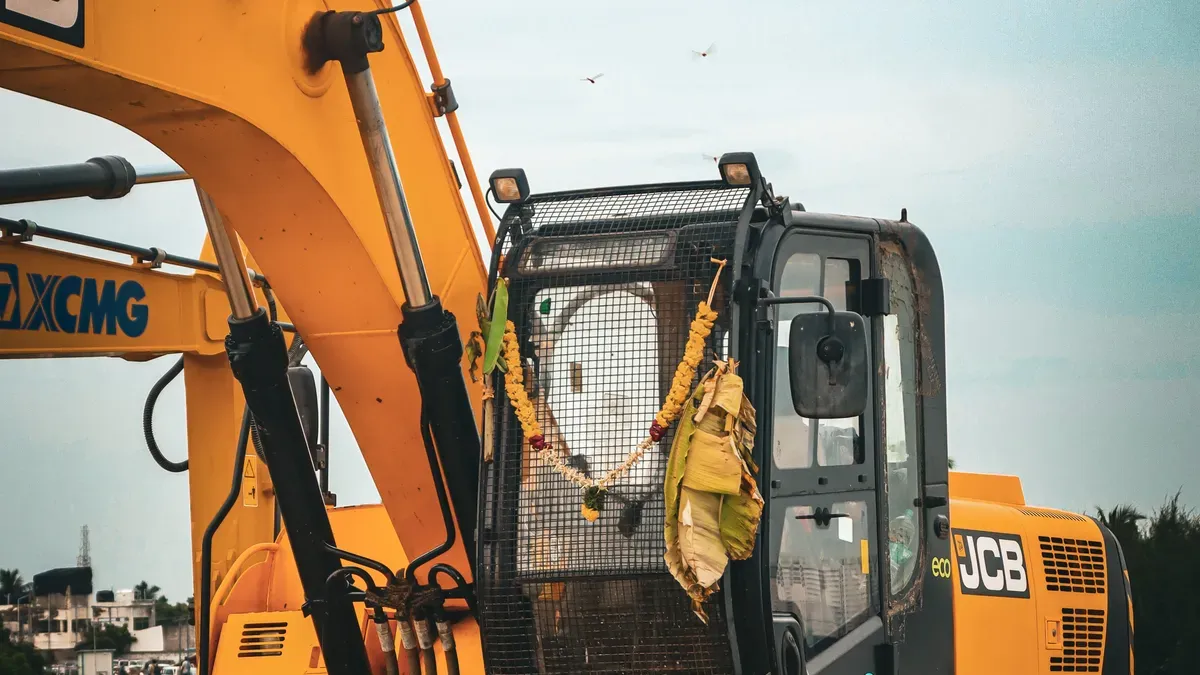
Undercarriage (Tracks, Rollers, Sprockets)
You can think of the undercarriage as the foundation of your excavator. It holds everything up and lets the machine move across rough ground. The tracks, made from strong steel, give your excavator grip and stability. Grousers on the edges help the tracks bite into dirt or gravel, so you don’t slip. Sprockets sit at the back and connect with the track links. They push or pull the tracks, moving your excavator forward or backward. Track rollers and idlers keep the tracks lined up and control how tight they are. This makes sure your ride stays smooth and steady.
Tip: If you take care of your undercarriage, your excavator will last longer and work better. Durable undercarriage parts mean less downtime and lower repair costs.
Here’s a quick look at why undercarriage durability matters:
Enhanced performance: Good parts give you better traction and stability.
Extended service life: High-quality components last longer and need fewer repairs.
Lower total cost: You spend less on maintenance over time.
Cab and Controls
The cab is your operator station. You sit here and control all the main parts of an excavator. Modern cabs focus on comfort and safety. You get heating and air conditioning, so you can work in any weather. Noise reduction keeps things quiet, so you don’t get tired as fast. Safety is a big deal. The cab has strong steel frames to protect you if the machine tips or something falls on it. Emergency exits let you get out quickly if you need to.
Feature | What It Means for You |
|---|---|
Climate Control | Stay cool in summer and warm in winter. |
Noise Reduction | Less noise means less fatigue and more focus. |
Safety Certifications | Protection from rollovers and falling objects. |
Monitoring Systems | Get real-time updates on machine health and safety. |
Emergency Exit Features | Quick escape options for emergencies. |
Modern cabs also give you better visibility and more technology. You might see cameras for a 360-degree view, adjustable seats, and even Bluetooth for your phone. These upgrades make your job easier and safer compared to older excavator components.
Boom
The boom is the big arm that sticks out from the body of your excavator. It gives you the height and reach you need to dig or lift heavy things. The boom uses hydraulic cylinders to move up and down. Pivot points let it swing in different directions. Strong steel keeps the boom tough, so it doesn’t bend or break when lifting.
Component | Function |
|---|---|
Robust steel structure | Gives strength and stability for lifting |
Hydraulic cylinders | Raise and lower the boom |
Pivot points | Allow the boom to move in many directions |
Mounting brackets | Attach the boom securely to the excavator |
Manufacturers use high-tensile steel for the boom. This material stands up to wear, tear, and even bad weather. You get a part that lasts longer and needs fewer repairs.
Arm (Stick)
The arm, sometimes called the stick, connects the boom to the bucket. You use the arm to reach out, dig deep, or pull material closer. It moves in and out, giving you control over how far you can dig. The arm’s flexibility lets you handle many jobs, from digging trenches to loading trucks.
The arm gives you extra reach and helps you dig deeper.
It lets you move the bucket with precision.
You can extend or retract the arm for different tasks.
Longer arms help you reach farther and dig deeper. Shorter arms give you more lifting power and better maneuverability in tight spaces. You can pick the right arm length for your job, balancing reach, force, and fuel efficiency.
Bucket
The bucket is the part that scoops, lifts, and moves material. You can swap out buckets for different jobs. Some buckets dig, some grade, and others clean ditches or break rocks. Here’s a quick guide to common bucket types and their uses:
Bucket Type | What It’s For |
|---|---|
Digging Bucket | Standard digging, with teeth for hard surfaces |
Rock Bucket | Breaking through stone or concrete |
Ditch Cleaning Bucket | Smoothing dirt in trenches or uneven ground |
Grading Bucket | Leveling and finishing soil |
Trenching Bucket | Making deep, narrow trenches for pipes or cables |
Skeleton Bucket | Sorting out big pieces from fine material |
V-Bucket | Digging wide, V-shaped trenches |
Mud Bucket | Moving lots of soil, available in many sizes |
Ripper Bucket | Tearing through tough materials, great for demolition |
Bucket capacity matters a lot. A bigger bucket moves more material in one scoop, so you finish jobs faster. But if you pick a bucket that’s too big, your excavator might get unstable or use more fuel. Always match the bucket size to your machine and the job.
Note: Attachments such as buckets make your excavator more versatile. You can switch them out to handle digging, grading, or demolition.
You now know the main parts of an excavator and how each one helps you get the job done. These components work together to give you power, control, and flexibility on any site.
Essential Parts of an Excavator: Systems and Support
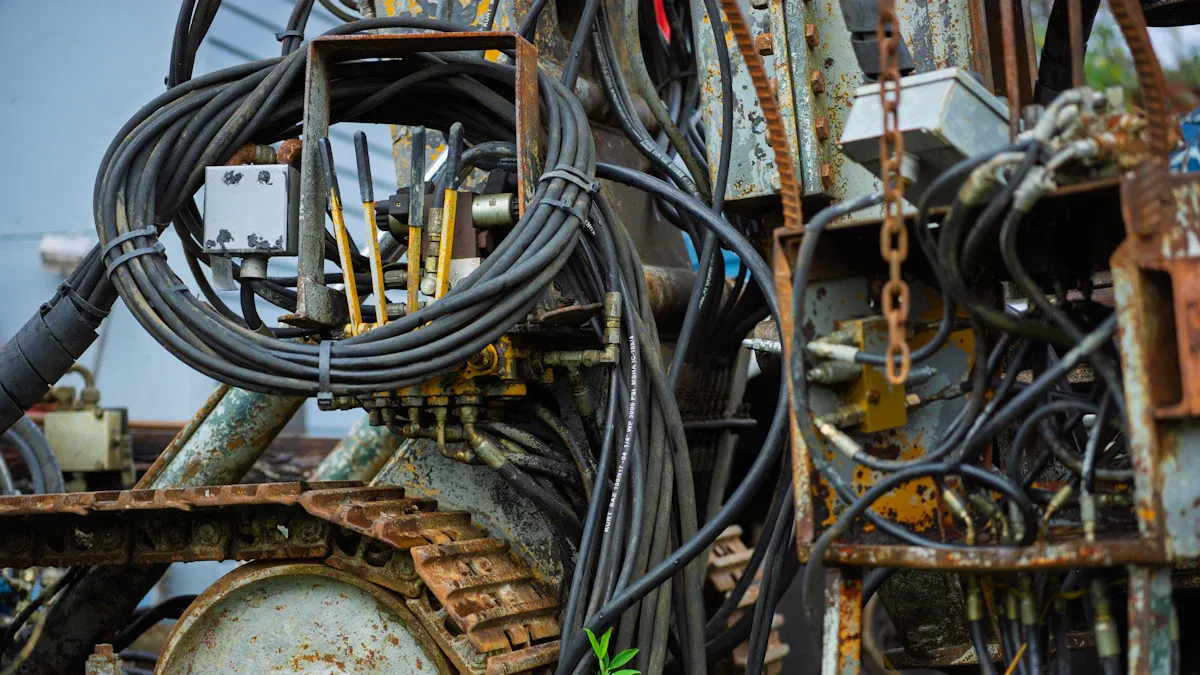
Hydraulic System
You use the hydraulic system every time you run an excavator. This system gives power to the boom, stick, and bucket. It helps you dig, lift, and move things easily. The engine and hydraulic system work together. They change mechanical energy into hydraulic power. Pressurized fluid moves through hydraulic cylinders. This gives you smooth and easy movements. You can dig deep or lift heavy things because of this strong system.
The hydraulic system has many important parts. The hydraulic pump is the main part. It sends pressurized fluid to other parts. This makes your excavator respond fast. If you want your machine to work well, keep the hydraulic system in good shape.
Hydraulic leaks can cause problems. Broken hoses, loose fittings, and old seals can make the system not work right. You should check these parts often. Here is a table to help you find common problems and stop them:
Cause of Failure | Description | Preventive Measure |
|---|---|---|
Wear and Tear | Pumps wear out from constant use | Inspect and replace as needed |
Leaks | Fluid escapes from hoses or seals | Tighten or replace faulty parts |
Contamination | Dirty oil damages internal parts | Change oil and filters often |
Improper Fluid Management | Wrong fluid causes overheating | Use correct fluid type and viscosity |
Inadequate Maintenance | Skipping maintenance leads to breakdowns | Follow maintenance schedules |
Overloading and Excessive Stress | Heavy loads strain the system | Stay within load limits |
Environmental Stress | High heat harms oil and seals | Monitor temperature and conditions |
Tip: Change hydraulic oil every 2000-3000 hours. Clean or change filters every 1000 hours. Check seals often to stop leaks. These steps help your excavator stay strong.
Counterweight
The counterweight is a very important part of an excavator. You see it at the back of the machine. This heavy block keeps your excavator balanced when you lift or dig. Without the counterweight, your machine could fall over.
Counterweights help you stay safe and work better. They push against the force from the boom and the load. You can lift heavier things farther from the center because the counterweight keeps the machine steady. This part lets you use more hydraulic force without tipping over.
Counterweights stop the machine from tipping.
They let you lift bigger things safely.
You get more balance and control when you work.
If you want good essential parts for your excavator, you can trust YNF Machinery. They have quality parts that help your machine work its best.
Now you know how the hydraulic system and counterweight help your excavator. These important parts give you power, balance, and safety every time you use the machine.
How Excavator Parts Work Together
Movement and Operation
When you use an excavator, many parts work together. Each part has a special job. They help you dig and lift things. The engine powers the hydraulic pump. This pump sends energy to the boom, stick, and bucket. You move the boom to reach out or up. The stick connects the boom and bucket. It lets you change how you dig. The bucket scoops and digs dirt.
The undercarriage holds up the whole machine. Tracks help you grip the ground and move over bumps. The counterweight sits at the back. It keeps the excavator balanced when lifting heavy things. The swing gear lets you turn the top part all the way around. This helps you dig in one spot and dump dirt in another.
Here’s how these parts work together:
The hydraulic system gives you control for digging and lifting.
The engine and pump power every movement.
The counterweight keeps you steady when lifting heavy loads.
The swing gear lets you turn for digging and dumping.
The undercarriage and tracks keep you stable on rough ground.
The boom, stick, and bucket work as a team for digging and lifting.
When you know how these parts connect, you can use your excavator for many jobs. You can dig and lift with confidence.
Safety and Efficiency
Taking care of your excavator is important for safety and efficiency. If you check and fix your machine, you lower the chance of accidents. You also spend less time on repairs. Regular care helps all parts do their jobs well.
Benefit | Description |
|---|---|
Safety | Checking important parts stops accidents and follows safety rules. |
Efficiency | Good maintenance means less downtime and lower costs. You finish projects faster. |
Performance Optimization | Key parts like engines and hydraulic systems work better. This stops sudden breakdowns. |
Modern excavators have safety features to protect you and others. Big windows and cameras help you see better when digging or lifting. Emergency exits let you get out fast if needed. Guard rails and warning lights keep people safe near the machine. Hydraulic lockouts stop the arms from moving by accident during repairs.
Tip: If you take care of your excavator, you make digging and lifting safer and faster. Your machine will last longer too.
Contact for Excavator Parts
When to Replace Excavator Parts
You want your excavator to work well every day. Sometimes, parts get old and need to be changed. You can spot problems by checking for these signs:
The travel motor feels weak. The final drive system moves slow.
Gear oil looks dirty. This can hurt the hydraulic circuits.
Track tension is wrong. This causes power problems.
The bucket or breaker has cracks. Other parts show rust or leaks.
Attachments feel loose. You notice strange vibrations.
Wear rate is over 20% of the design life.
Tracks have damage. Fittings are loose.
If you see any of these signs, contact for excavator parts. Don’t wait until your machine stops working. Acting fast keeps your excavator safe and strong. YNF Machinery gives you good parts and expert advice.
Tip: Check your excavator often. You find problems early. Replace worn parts before they break. This saves money and stops downtime.
How to Find Quality Parts
Getting the right parts helps you handle tough jobs. You want parts that last and fit your machine well. Here’s what to look for when you contact for excavator parts:
Criteria | Description |
|---|---|
Material Composition | Pick strong materials that handle harsh conditions. |
Load Capacity | Make sure parts can take the weight and stress. |
Dimensional Accuracy | Exact sizes stop assembly problems. |
Wear Resistance | Choose parts that last longer and resist wear. |
Warranty | A good warranty means the maker trusts their product. |
Manufacturing Reputation | Learn about the supplier’s history to judge quality. |
Before buying, check the VIN code. Find your excavator’s VIN and match it with the supplier’s part. Look at the packaging for color, logo, and security marks. Measure the part to make sure it fits. Check the material and weight. Ask for papers like a certificate and warranty card. Always buy from trusted suppliers. If you need help, contact for excavator parts from YNF Machinery. They give you real parts and support.
Note: Quality parts help your excavator last longer. You get better performance and less downtime.
If you have questions or need advice, contact for excavator parts. You get expert help and quick answers for any excavator problem.
Now you know why it is important to learn about excavator parts. This helps you do your job better and keeps your machine working well. Here are some things you get:
Your machine works faster and breaks down less.
You make good choices when fixing or buying parts.
You save money and your machine works better.
If you check your excavator often and use good parts, like ones from YNF Machinery, your machine will stay strong. If you have questions or need help, ask trusted suppliers or experts. You can also find more tips and help online.
FAQ
What should you check first if your excavator stops working?
Look at the hydraulic system and undercarriage. Check for leaks, loose parts, or worn tracks. If you see damage, fix it right away. You keep your machine safe and avoid bigger problems.
How often should you replace excavator parts?
You should check parts every month. Replace worn parts before they break. If you see cracks, leaks, or rust, change them. This keeps your excavator running strong and saves money.
Can you use different buckets for different jobs?
Yes! You can switch buckets for digging, grading, or breaking rocks. Pick the right bucket for your job. This makes your excavator more useful and helps you finish work faster.
Where can you find quality excavator parts?
You can get reliable parts from trusted suppliers. YNF Machinery offers strong, long-lasting parts. They help your excavator work better and last longer. Ask them for advice if you need help.
Why is the counterweight important?
The counterweight keeps your excavator balanced. It stops the machine from tipping when you lift heavy things. You work safer and can handle bigger loads with the right counterweight.