Finding the right Yanmar B50 excavator parts keeps your machine working well. Wrong parts cause costly delays and safety risks. Start by finding your machine’s serial number. You can find the plate on the frame near the engine. This number makes sure you order parts for your exact model.
Use the official parts catalog to find exact part numbers. The catalog shows exploded diagrams that show how each part fits. You can access these diagrams online or through a dealer. Always buy genuine Yanmar B50 excavator parts from authorized dealers. These parts meet Yanmar’s strict specifications for durability and performance.
Counterfeit parts may seem cheaper, but they fail sooner. They also damage nearby components. Protect your investment with authentic components only.
Key Takeaways
Locate your machine’s serial number first. This makes sure you order the right parts for your Yanmar B50.
Use the official Yanmar parts catalog to find the exact part numbers. This stops you from ordering the wrong parts.
Purchase real parts from approved sellers. They match factory standards and last longer.
Check part numbers using diagrams and asking a dealer. This easy step helps you avoid expensive mistakes.
When parts are not available, think about aftermarket or rebuilt choices with care. Check the quality and the warranty.
Locate Yanmar B50 Excavator Parts via Serial Number
Every Yanmar B50 excavator has a unique serial number. This number acts like a fingerprint for your machine. You cannot order the correct parts without it. Many operators try to skip this step. They waste time and money ordering parts that do not fit. Do not make that mistake. Take a few minutes to locate the serial number first. The effort saves you from frustration later.
Where to Find the Machine Serial Plate
You can find the serial number plate in a few locations on your Yanmar B50. Check the main frame first. Look near the engine compartment on either side. The plate often attaches to the frame rail. You might also find it under the cab on the left side. Some machines have the plate near the hydraulic pump. Others have it close to the fuel tank. The plate is a small metal tag with numbers stamped into the surface. Dirt and grease can cover the plate over time. Clean the area with a rag before you try to read it. Use a flashlight to see the numbers clearly. You can also take a photo with your phone. Record the number or save the photo for later.
The serial plate includes the model number and the serial number. The model number reads Yanmar B50. The serial number is a longer combination of letters and digits. You need both numbers to search for parts correctly. Keep them in your phone or toolbox. Some owners tape a copy of the number inside the cab for quick access.
The plate might sit behind a small cover or access panel. Check for hinges or screws near the frame rails. Open any panels you find to reveal the plate underneath. Many people miss the plate on their first try. They look in the wrong places or give up too soon. The plate can hide under layers of mud or paint. Spend extra time checking every possible location. Look for rivets or adhesive marks on the frame. These signs tell you where a plate used to be. If the plate is missing, check your service records. The original dealer might have the number on file.
Why the Serial Number Guarantees Part Accuracy
Yanmar produces the B50 model in different series over many years. Each series uses different components. The engine might have slight changes. The hydraulic system can vary. The undercarriage parts differ between series. The serial number tells you exactly which series you have. It removes all doubt.
When you search for parts, the serial number points you to the correct diagram. The Yanmar parts catalog organizes everything by serial number range. You enter your number and the system shows only the parts that match your machine. A part for one model year may not fit another. Small design changes happen between production runs. The serial number tells you which run your machine belongs to. This system prevents errors before they happen.
You avoid ordering parts that almost fit but do not work. You prevent damage caused by incorrect components. You save time and money on returns and replacements. Genuine yanmar b50 excavator parts are built to exact standards. The serial number helps you match those standards perfectly.
The serial number also helps you communicate with parts suppliers. When you call a dealer, they ask for the serial number first. They use it to look up the correct parts for your machine. A good supplier always asks for this number. If a seller does not ask, you should be careful. They might not know what fits your machine.
The serial number makes every part search faster and more accurate. You avoid costly mistakes and keep your machine running longer.
Use the Official Yanmar Parts Catalog
The official Yanmar parts catalog is the best tool to find the right parts. It lists every part for your B50 with exact part numbers. You can get this catalog in two main ways. Each way has good points and bad points. Pick the one that fits your work style and your machine’s age.
Online Portal vs. Dealer-Printed Diagrams
The online portal gives you instant access from any device. You type your serial number into the search bar. The system brings up diagrams for your exact machine. You can zoom in on small parts and print pages for your records. The portal updates on its own when Yanmar changes a part number. This keeps your information current.
Dealer-printed diagrams work well when you like paper copies. Your local dealer can print the exact pages you need. These printouts show the same exploded views as the online system. You can mark them with notes and keep them in your workshop. Printed diagrams do not need internet access. This helps when you work in faraway areas.
Feature | Online Portal | Dealer-Printed Diagrams |
|---|---|---|
Access speed | Instant | Requires a dealer visit |
Updates | Automatic | Only current at print time |
Portability | Any device | Paper only |
Reading the Exploded View and Part Number
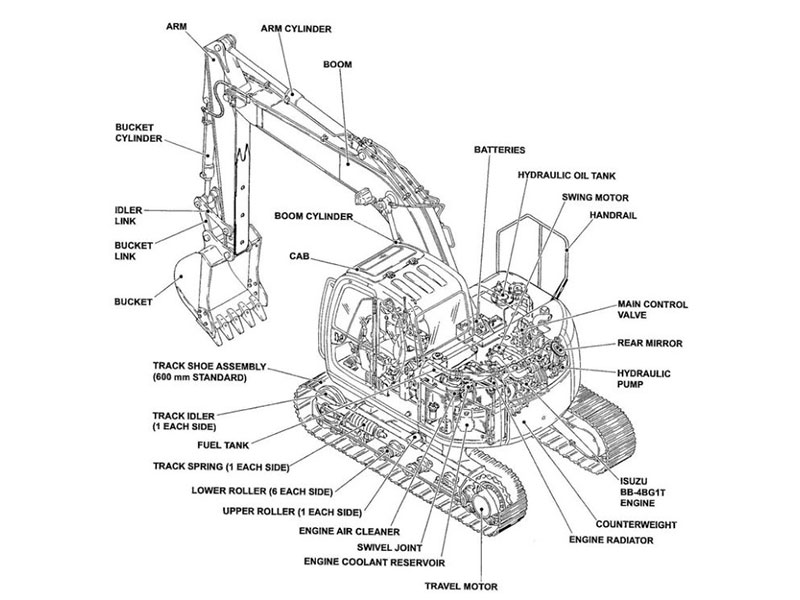
An exploded view shows every part in its assembled position. Lines connect each part to its location. Numbers label each part on the diagram. You match those numbers to a list beside the drawing. The list gives you the part name, part number, and quantity needed.
Follow the lines with care from the main assembly to the specific part. A hydraulic cylinder diagram, for example, shows the barrel, rod, seals, and fittings as separate items. Each item has its own number. Write down the exact part number from the list. Do not guess or shorten the number. One wrong digit sends you the wrong part. Check the quantity column too. Some assemblies use multiple identical parts. Order the correct amount the first time.
Verify Part Numbers with Diagrams
Cross-Check Against OEM Schematics
You find a part number in the Yanmar catalog. Now verify that number against the OEM schematic. The schematic shows the exact assembly for your machine. Compare each digit of your number against the diagram. This simple step catches errors before you order.
The OEM diagram labels every component with a callout number. That callout matches one row in the parts list. You identify the callout for your target part. Read the part number printed next to it. Does this number match the one you wrote down? Yes means you have the correct part. No means you need to search again. Small differences matter. A single letter change points to a different component. A missing dash changes the fit entirely. Verify every character with care.
Many operators make mistakes at this stage. They read a zero as the letter O. They confuse the number one with a lowercase L. You avoid these errors by reading slowly. Compare each character one at a time. Say the number out loud. Ask a coworker to read it back. This small effort saves hours of wasted time.
The schematic also shows the required quantity. Order that exact number of parts.
Confirm with Dealer or Digital Tools
Your own verification is not enough. You need a second check from a reliable source. Your local dealer provides that check. Call them with your serial number and your part number. They pull up the same diagram on their system. They confirm whether the numbers match. This catches any oversights you made.
Digital tools give another layer of confirmation. Online parts databases accept your serial number. The system displays the correct diagram for your machine. Compare the numbers side by side. Many tools update from Yanmar directly. The information stays current.
Owner communities also help you verify part numbers. Forums and online groups connect B50 owners. Someone may have ordered the same part you need. They can tell you if your number looks right. This adds confidence before you order.
Combine these methods for the best result. Start with the catalog schematic. Check against the OEM diagram. Confirm with a dealer or a digital tool. Finally, ask someone with experience. Each step reduces the chance of ordering the wrong part.
Select a Trusted Supplier for Genuine Parts
Finding a good supplier matters as much as finding the correct part number. A trusted supplier delivers real parts that fit your machine exactly. A bad seller sends fake parts that break quickly. Your choice of supplier decides whether your repair lasts or fails.
Authorized Dealers vs. Third-Party Retailers
Authorized Yanmar dealers buy parts straight from the manufacturer. They promise each part meets factory standards. These dealers stock genuine yanmar b50 excavator parts. They can access current diagrams and part updates right away. You can trust the part you get matches the one you ordered.
Authorized dealers also give expert help. You call them with your serial number. They confirm the correct part number before you buy. They take care of returns if something does not fit. This help saves time and stops costly mistakes.
The main downside is price. You pay more for the promise of authenticity. You also wait longer if the dealer does not stock the part nearby. Some dealers require a visit or charge shipping fees.
Third-party retailers offer lower prices and faster shipping. They get parts from many sources. Some parts are genuine. Some are not. You cannot always tell the difference from a product listing. A seller may claim a part is genuine when it is counterfeit. The risk of getting a fake goes up with these sellers.
You lower this risk by picking established retailers with good reputations. Look for sellers who focus on construction equipment parts. Check their return policy before you buy. Read reviews from other B50 owners. Online forums and Facebook groups for Yanmar owners often have recommendations. Other owners share their experiences with specific suppliers. Use this information to guide your choice.
Marine engine dealers can also supply some Yanmar B50 parts. Yanmar makes marine and construction engines. Some components overlap between the two product lines. A marine dealer may have a part in stock when your local construction dealer does not. Call them with your part number to check availability.
Red Flags That Signal Fake Components
Counterfeit parts look like genuine ones on the surface. You need to know the warning signs. The first red flag is price. If the price seems too good to be true, it usually means a counterfeit. Genuine yanmar b50 excavator parts cost what they cost. A seller offering a big discount on a critical component likely sells counterfeits.
Packaging tells you a lot about authenticity. Genuine Yanmar parts come in branded packaging with clean printing. The logos line up correctly. The text uses proper fonts. Counterfeit packaging often shows blurry logos, misspelled words, or mismatched colors. Check the part itself for similar issues. Genuine parts have clean casting marks and smooth surfaces. Fake parts show rough edges, uneven coatings, or wrong dimensions.
The seller’s behavior gives another clue. A trustworthy seller asks for your serial number before confirming a part. They want to make sure it is accurate. A seller who does not ask for this number may not care about fit or quality. They just want to finish the sale.
Lack of a clear return policy signals trouble. Genuine parts suppliers stand behind their products. They accept returns for wrong or defective items. A seller with no return policy or a short return window does not trust their own parts.
If a seller cannot answer basic questions about part sourcing or authenticity, walk away. Your machine depends on getting the right component the first time.
Poor communication is another warning sign. You send a question and get a vague answer. The seller avoids direct answers about part sourcing. They cannot tell you whether the part is genuine or aftermarket. Do not buy from any supplier who cannot answer basic questions.
Always verify the part before you pay. Use your serial number and the part number together. A legitimate supplier confirms the match. A supplier who delays or refuses this verification is not a safe choice.
Place Your Order for the Right Parts
Information to Prepare Before You Buy
Collect your details before you call any supplier. This step makes the order faster and stops mistakes. You need your machine model and serial number first. Add any engine or hydraulic component details you have. If you found the original part number, keep it nearby. When you are not sure what the part is, take photos or measurements of the old part.
Machine model and serial number
Engine or hydraulic component details
Original part number if available
Photos or measurements when you are not sure what the part is
Yanmar makes the B50 in more than one setup. Checking fitment matters for every order. Suppliers look at each request against your model details, serial number, and OEM cross-referenced data. This confirms it will work before they source it. When part numbers are missing, measurements or photos help make sure you get the right match.
Giving the machine model and serial number helps verify compatibility and makes sure the correct component is matched to your equipment.
One more habit saves trouble. Call to verify your serial number, stock availability, and track tread options before you order. Skipping this call leads to wrong parts and wasted shipping costs.
Typical Shipping Times and Return Policies
Shipping speed depends on the supplier and location. Authorized online dealers often ship fast and free within the Continental U.S. Orders usually arrive in about 3 business days. Ask about stock status first. A part on backorder takes longer, no matter how fast the carrier moves.
Warranty terms matter as much as delivery time. Some dealers offer a Limited Lifetime Warranty on their parts. Many charge no core fees and require no core deposit or exchange. That policy saves you money on rebuildable components.
Return policies are different across the market. Some suppliers accept returns for wrong or defective parts within a set window. Others limit returns on electrical or special-order items. Read the terms before you pay. Confirm the return window, the condition rules, and who pays return shipping. A clear policy protects you when a part does not fit. Ask about these terms during your verification call, and you will know exactly what to expect.
When Yanmar B50 Excavator Parts Are Out of Stock
You look for a part, but it is not in stock. This often happens with older machines or parts that are not often needed. Do not worry. You have a few options. Each option has good and bad points. Know them before you decide.
Aftermarket, Used, and Rebuilt Options
Aftermarket companies make new parts that copy the original design. These parts usually cost less than genuine Yanmar B50 excavator parts. Quality is different for each maker. Some aftermarket brands make high-quality parts. Others use cheap materials and loose tolerances. Ask the supplier how they check quality. A good supplier will answer clearly.
Salvage yards sell used parts from machines that no longer run. You can find rare parts this way. Check every used part before you buy. Look for cracks, wear, and rust. Ask for photos from different angles. A used part with visible damage will break soon after you install it.
Rebuild specialists fix worn parts so they work again. They replace seals, bearings, and other items that wear out. A good rebuild can work as well as a new part but cost less. Ask what parts the rebuilder changed. Ask about their warranty terms. A rebuild with no warranty is a risk.
Risks and How to Safely Choose an Alternative
Each option has risks. Aftermarket parts might not fit perfectly. Used parts might break without warning. Rebuilt parts might have low-quality pieces inside. You handle these risks by checking carefully.
Never put a critical safety part from an unknown source into your machine. Your safety and your machine depend on the part working right.
Start by checking the part number with your serial number. Use the same steps you would for a genuine part. Ask the supplier about their return policy. A supplier who does not take returns does not trust their own parts. Look at owner forums and groups for feedback on certain brands. Other B50 owners give honest reviews. Their experience helps you skip known issues. When you are not sure, wait for the genuine part. A short wait is better than a bad repair.
Always begin your part search with the serial number of your machine. Find the exact part in the official Yanmar catalog. Buy only from trusted sellers. Genuine yanmar b50 excavator parts keep your machine safe and working well. These parts meet strict factory standards. Follow these steps to reduce downtime and prevent costly mistakes.
For a dependable supply of authentic yanmar b50 excavator parts, think about YNF Machinery. This seller carries genuine components. They check each order against your serial number. This check finds errors before you pay. You get the right part the first time. This simple step saves you time and stops costly mistakes. Protect your investment with the right parts from a trusted source.
FAQ
Where do I find the serial number on my Yanmar B50?
Check the main frame near the engine compartment. Look under the cab on the left side. The plate may also sit near the hydraulic pump or fuel tank. Clean off dirt and use a flashlight to read the stamped numbers clearly.
How do I confirm I have the right part number?
Cross-check your number against the OEM schematic in the official catalog. Read each character slowly to avoid mixing up zeros and letters. Then call an authorized dealer with your serial number. They verify the match on their system before you order.
What are the warning signs of counterfeit parts?
A price that seems too low is the first red flag. Check the packaging for blurry logos or misspelled words. Genuine parts have clean casting marks and smooth surfaces. A seller who avoids questions about sourcing or offers no return policy is not safe.
Should I buy aftermarket parts when genuine ones are out of stock?
Aftermarket parts cost less, but quality varies by maker. Ask the supplier how they check quality and what warranty they offer. For critical safety components, wait for the genuine part. A short delay beats a failed repair that damages your machine.