Your machine’s serial number and the official parts diagram give you the correct part number. Nothing else does. A photo or a guess will cost you time and money.
This guide helps you find yanmar b5 excavator parts the right way. You will learn to identify your B5 model, read parts diagrams, compare OEM and aftermarket options, spot common wear parts, choose safe sellers, and avoid counterfeits.
You know your excavator. You just need the parts system to work for you. Stick with this guide, and you will know exactly what to do before spending a dollar. A simple checklist at the end ties it all together.
Key Takeaways
Always use the serial number on your machine and the official parts diagram to get the right part number.
Compare OEM and aftermarket parts by price and how long they last, especially for important parts.
Replace common wear parts like filters, hoses, seals, and bucket teeth on schedule to avoid expensive repairs.
Buy from trustworthy sellers like authorized dealers or reliable online retailers with clear return policies.
Stop fake parts by checking for prices much lower than normal and bad packaging or seller reviews.
Identify Your B5 Model and Serial Number
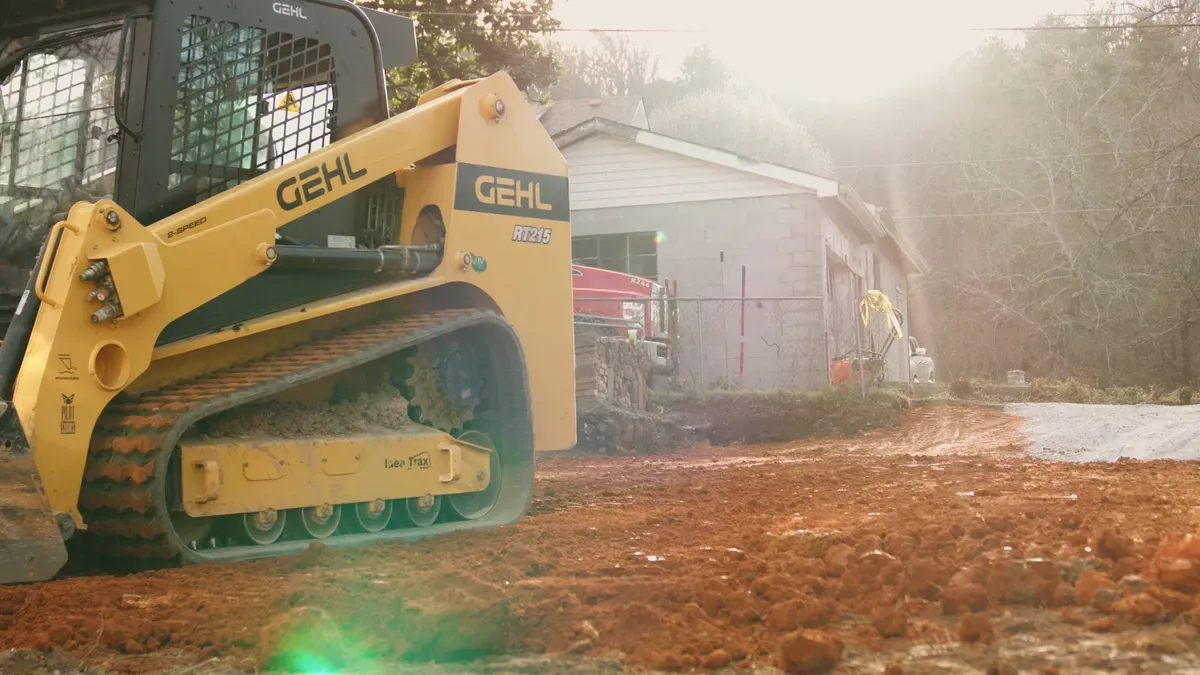
Before you order any part, confirm exactly which machine you own. Yanmar built the B5 in several configurations, and the YB551X ties directly to the B5X model. A part that fits a standard B5 may not fit a B5X or a YB551X. Check your machine’s model designation first. This one step prevents most wrong-part orders.
Locating the Serial Number Plate
You will find the serial number plate on the frame near the operator’s platform. Yanmar typically places it on the right or left side of the front face, just below the operator’s compartment. On 2014 and newer machines, look on the left side of the knuckle boom. The plate may be a metal tag or a foil label, so inspect both possibilities.
VIN Number Location: On the right or left side of the front face of the machine below the operator’s compartment. Similar to Bobcat. 2014- on the left side (highway) of the knuckle boom. Vin plate may be either a metal plate or foil label.
Take a clear photo of the plate once you find it. Dealers and parts suppliers use that photo to confirm your exact model and serial range. A sharp image saves you a return shipment and a week of waiting.
Serial Number and Part Numbers
Your serial number is the key that unlocks the correct part number. Yanmar assigns different part numbers to the same component across production runs. A hydraulic pump for an early B5 may carry a different number than the pump on a later B5X. The parts diagram matches your serial number to the right number every time.
Write your model and serial number down. Keep that record in your phone or in the machine’s cab. Every time you call a supplier or search a catalog, you start with those two pieces of information. This habit turns a confusing search into a direct lookup.
Use Parts Diagrams and Manuals
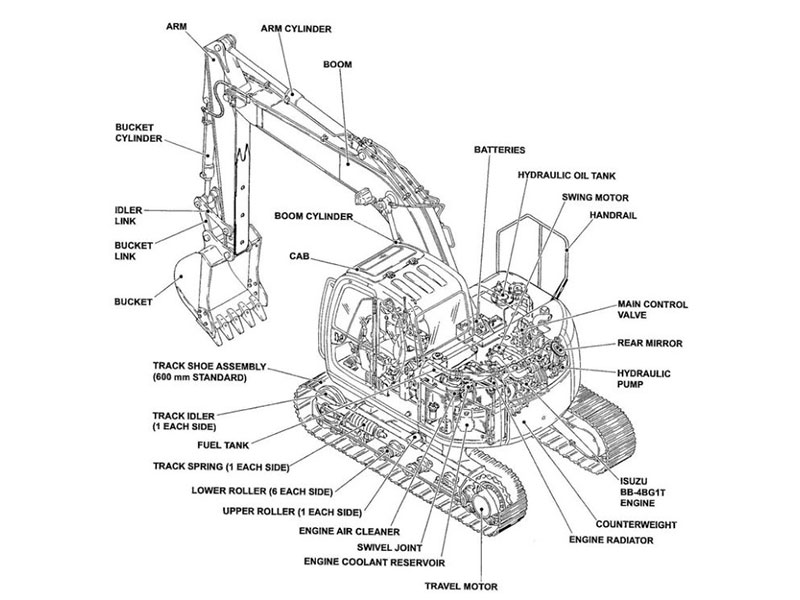
A parts diagram uses your serial number to find the right part number. You match your machine to the correct picture, find the piece, and read the number next to it. This takes the guesswork out of every order.
You can find Yanmar excavator parts manuals on the official Yanmar website, at authorized dealers, and in trusted online databases. Use the official source first if you can. Dealers also have printed and digital catalogs behind the counter, and they will often show you the diagram if you bring your serial number.
Reading a Yanmar Parts Diagram
Every diagram is an exploded view. Each part has a reference number. A table next to the drawing lists the part number, description, and quantity. Find your part on the drawing, write down its reference number, then look it up in the table.
Watch for serial number breaks. Yanmar often lists two or more part numbers for the same part, split by your machine’s serial range. Pick the number that matches your machine, not the first one you see. Also check the quantity column, because some parts sell one at a time and others come in sets.
Free vs. Paid Catalogs
Free resources cover most common needs. Workshop manuals, spare parts catalogs, and operator’s manuals appear on several trusted online databases. These files let you check a part number before you call anyone.
Paid catalogs give you more. Authorized dealers have current, verified listings that show the latest supersessions and revisions. A superseded part number still works, but the catalog shows you the newest version.
Owners sometimes share parts manuals for the B5X and YB551X in online owner communities and classified listings. Use these files as a starting point. Check every number against an official source before you buy, because shared scans can be old or incomplete.
OEM vs. Aftermarket
Every part gives you a real choice to make. Genuine Yanmar parts come from the same factory that made your machine. Aftermarket parts come from other companies. Both can work fine. The best choice depends on the part, your budget, and how hard you use the excavator.
When OEM Is Worth It
Yanmar’s genuine parts are built, tested, and made to give you the best safety and quality. The factory designs each part for your exact model and serial range. This matters most for important systems.
Think about the hydraulic pump, the final drive, or the engine internals. A failure in these areas can hurt other parts and put your operator in danger. Genuine parts have the exact measurements and materials Yanmar required. You pay more at first. You get steady performance and a known service life.
Warranty coverage also favors OEM. Yanmar and its authorized dealers back genuine parts. If a genuine part fails early, you have a clear way to file a claim. That protection has real value on costly assemblies.
When Aftermarket Makes Sense
Aftermarket suppliers sell new, used, and rebuilt replacement parts. These options can save you money. Quality differs a lot across the market, so you must judge each supplier by its own record.
High-quality aftermarket undercarriage parts from good suppliers can match or beat OEM performance, using top wear-resistant materials and strict manufacturing processes to meet OEM durability and reliability standards. That claim comes from industry sources. Those same sources do not cite specific independent durability tests, so treat the claim as a supplier position rather than a proven fact.
Independent field data tells a more balanced story for rubber tracks. The table below sums up what testing and field reports show.
Source | Condition | Aftermarket Lifespan vs OEM |
|---|---|---|
Equipment World field data | Normal conditions | ~92% of OEM lifespan |
Equipment World field data | Extreme environments (e.g., rock quarries) | ~75% of OEM lifespan |
Equipment Journal independent testing | Premium aftermarket brands (Berco, ITR) | ~85–90% of OEM lifespan |
excavatorminirubber.com summary | Normal conditions | ~85–95% of OEM lifespan |
The pattern is clear. Premium aftermarket tracks perform close to OEM in normal digging. The gap grows in abrasive conditions like rock quarries. If you work in soft soil and light duty, a quality aftermarket track can serve you well. If you run in rock all day, the OEM track earns its higher price.
Filters, hoses, seals, and bucket teeth are good aftermarket candidates. These parts wear out on a schedule, and the cost difference adds up over a year. Critical hydraulic and drivetrain components deserve more caution. A cheap imitation in those systems can fail without warning.
When you shop for yanmar b5 excavator parts, compare the total cost of ownership, not just the sticker price. A part that lasts half as long costs you twice as much in the end. Ask the supplier about the material grade, the manufacturing standard, and the warranty terms. A supplier who answers those questions clearly is worth your business.
Common Yanmar B5 Excavator Parts That Wear Out
Every excavator has parts that fail first. You can predict most of them. Regular maintenance following Yanmar’s guidelines keeps your machine in top shape and helps you catch small problems before they become expensive repairs. The parts below wear out on almost every B5, so keep them on your radar.
Filters, Hoses, and Seals
Filters are the cheapest parts you will ever buy, and they protect the most expensive ones. Your hydraulic filter, fuel filter, and air filter all trap debris that would otherwise damage pumps, injectors, and engine cylinders. Replace them on the schedule in your operator’s manual. A clogged hydraulic filter starves the pump and sends metal particles through the whole system.
Hoses and seals degrade with heat, pressure, and time. Rubber hydraulic hoses crack and weep at the crimp fittings. Cylinder seals harden and start leaking oil onto the boom. You will notice a slow drip or a wet spot under the machine before you notice a performance drop. Inspect hoses for bulges and chafing every time you grease the machine. Replace any hose that shows cracking at the bend. Seal kits cost far less than the hydraulic fluid you lose through a steady leak.
Undercarriage and Bucket Teeth
The undercarriage takes the hardest beating on any compact excavator. Rubber tracks wear down from abrasion, UV exposure, and running on sharp rock. Steel tracks stretch and lose tension. Tires on wheeled models wear like any heavy equipment tire. These are among the most commonly replaced yanmar b5 excavator parts, and you can find them through online marketplaces, local suppliers, and aftermarket distributors.
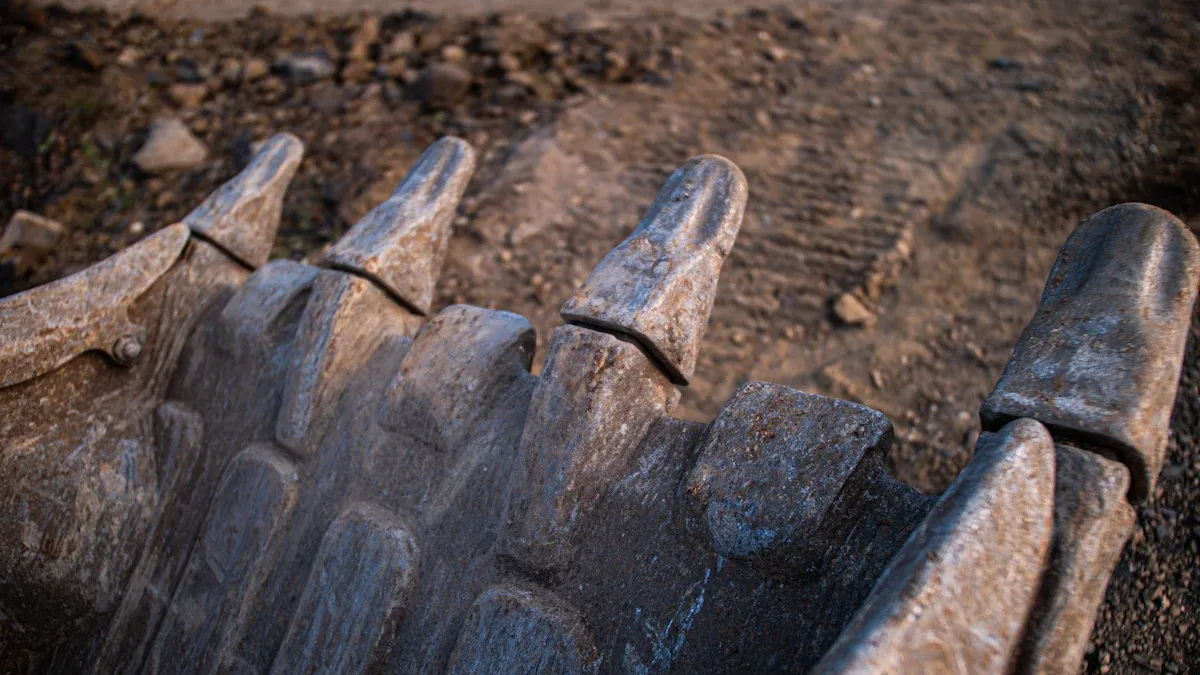
Bucket teeth wear to a nub if you dig in abrasive soil. A dull tooth increases digging force and fuel consumption. Replace teeth before they wear into the adapter, because adapter replacement costs several times more. Check track tension weekly. A loose track can derail and damage the final drive. A tight track wears out bearings and sprockets early. Follow the tension spec in your manual and adjust as needed.
Trusted Sources for Yanmar B5 Excavator Parts
You have the part number. Now you need a seller you can trust. The right source saves you money and keeps your machine safe. The wrong source costs you twice. Here are the places that work for most owners.
Dealers and Online Retailers
Your first call should go to an authorized Yanmar dealer. If you live within 80–100 miles of a dealer, you can contact them directly about parts. Dealers keep current catalogs with the newest part number updates. They also know the serial number breaks for your machine. Bring your serial number, and the dealer can confirm the exact part in minutes. A local dealer also handles warranty claims on genuine parts. That support really helps when a costly assembly fails early.
Online retailers fill the gap when no dealer is nearby. Several well-known online shops carry a full parts catalog for Yanmar B5 mini-excavators. These retailers stock filters, hoses, seals, undercarriage components, and engine parts. Many ship within a day. Look for a retailer that lists your exact model and serial range next to each part. A catalog that shows only a photo and a price gives you no way to check fit.
Well-catalogued sources give you another strong option. Some suppliers organize both generic and genuine high-quality parts under one searchable system. You can compare an OEM part against a quality aftermarket equivalent side by side. That layout helps you weigh cost against durability for each item. Check that the source names the manufacturer and the material grade. A catalog with clear part numbers and clear brands lets you buy with confidence.
Salvage Yards and Used Parts
Salvage yards sell original parts pulled from retired machines. These parts often cost far less than new ones. A used hydraulic cylinder or final drive from a low-hour machine can serve you well for years. The catch is condition. You cannot judge a used part from a listing alone.
Ask the yard for the donor machine’s model and serial number. Confirm the part number matches your machine. Request photos of the actual part, not a stock image. Ask about the machine’s hours and why it was dismantled. A yard that answers these questions clearly is worth your business. A yard that dodges them is not.
Used parts carry no factory warranty in most cases. Some yards offer a short return window. Test the part as soon as it arrives. Inspect seals, bearings, and wear surfaces before you install anything. A used part that fails after installation costs you labor on top of the purchase price.
Weigh the savings against the risk for every used purchase. Filters, hoses, and bucket teeth rarely make sense as used parts. Their new price is already low. Critical hydraulic and drivetrain components deserve extra caution. A used final drive with unknown hours can fail without warning. For those assemblies, a rebuilt unit from a reputable supplier often beats a mystery used part.
Build a short list of two or three trusted sources. Call them before you need a part. Ask about their return policy and their warranty terms. That preparation pays off the day your machine goes down. When you search for yanmar b5 excavator parts, start with a source you already trust.
Counterfeit Red Flags
Counterfeit parts look real in a photo. They fail in the field. A fake hydraulic component can damage your pump, your final drive, or your engine. Learn the warning signs before you send money.
Pricing and Packaging Clues
A price far below the market average is the clearest warning sign. Counterfeiters win business with low prices, and they cut corners on materials and testing to protect their margin. One independent bench trial found that budget-tier listings under $25 showed a 40% failure rate. That number tells you something important. A suspiciously cheap part often costs you a second repair.
Inspect the packaging and the part itself. Genuine units carry the part number laser-etched or molded into the housing. Ink-printed labels are a counterfeit indicator. Look at the terminals too. Real units use nickel-plated terminals, while fakes often show dull brass contacts. Uneven printing and sloppy label placement are more clues. Counterfeit units often copy the labeling but skip critical internal protections such as reverse-polarity protection or thermal cutoff. You cannot see those protections from the outside, so buy from sellers who can prove their supply chain.
Seller Behavior to Avoid
Seller history tells you a lot. Watch for these patterns:
Sellers with less than 2 years of transaction history or below 95% positive feedback.
Feedback that never mentions your specific machine or application.
Listings that use vague phrases such as “fits many engines” instead of explicit model-specific fit notes.
A vague listing usually means the seller never confirmed the part fits your machine. Honest sellers name the model and the serial range. They answer questions about material grade and warranty terms. Walk away from any seller who dodges those questions or pressures you to buy fast.
Begin every part search with your serial number and the official parts diagram. That habit stops wrong orders and wasted money.
Before you buy, use a simple checklist. Check the part number against your machine. Compare OEM and aftermarket options for price and how long they last. Check the seller’s reputation and return policy. Look at the part when it arrives for damage or wrong numbers.
Keep a list of every part number and supplier you use. That list makes future repairs faster and cheaper. When you need reliable yanmar b5 excavator parts, YNF Machinery gives you a good option to check.
FAQ
How do I find the correct part number for my Yanmar B5?
Start with your machine’s serial number. Look it up in the official parts diagram for your exact model. The diagram matches your serial range to the right number. Never order from a photo or a guess.
Where is the serial number plate on a Yanmar B5?
Check the frame near the operator’s platform. Look on the right or left side of the front face, just below the operator’s compartment. On 2014 and newer machines, check the left side of the knuckle boom. The plate may be metal or foil.
Can I use aftermarket parts on my Yanmar B5?
Yes, for many parts. Filters, hoses, seals, and bucket teeth work well as aftermarket buys. Premium aftermarket tracks perform close to OEM in normal digging. Use genuine parts for critical hydraulic and drivetrain components. Compare total cost of ownership, not just sticker price.
How do I spot a counterfeit Yanmar part?
A price far below market average is the clearest warning sign. Check the packaging for laser-etched or molded part numbers. Ink-printed labels signal a fake. Look for nickel-plated terminals, not dull brass. Avoid sellers with vague fit notes or low feedback.
Which Yanmar B5 parts wear out first?
Filters, hoses, and seals wear out on a schedule. Undercarriage components and bucket teeth take the hardest beating. Rubber tracks wear from abrasion and UV exposure. Bucket teeth wear to a nub in abrasive soil. Check track tension weekly and replace teeth before they reach the adapter.