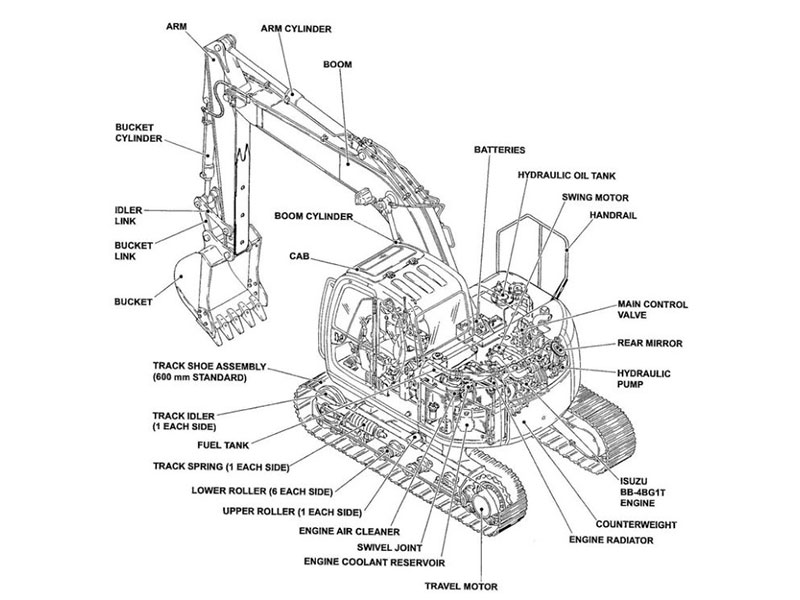
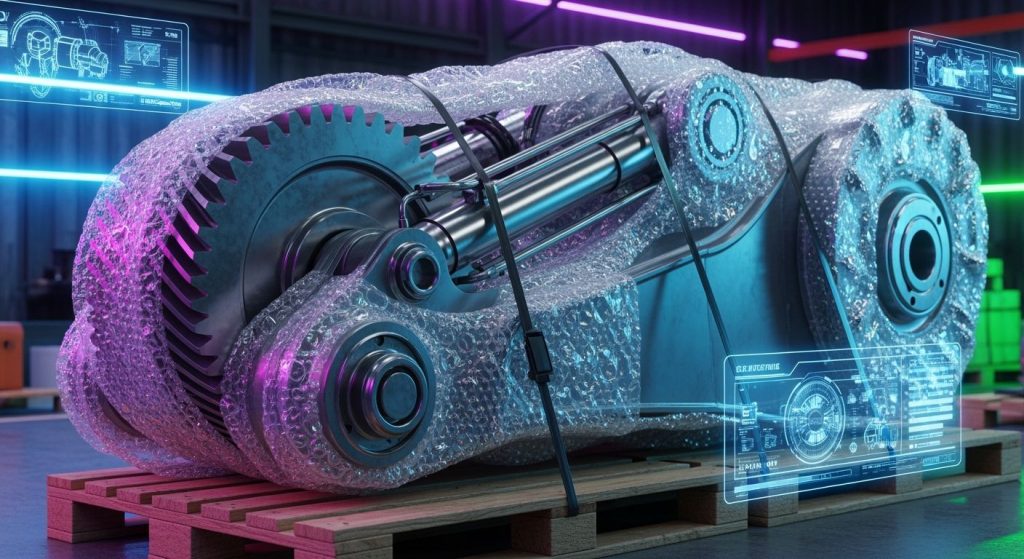
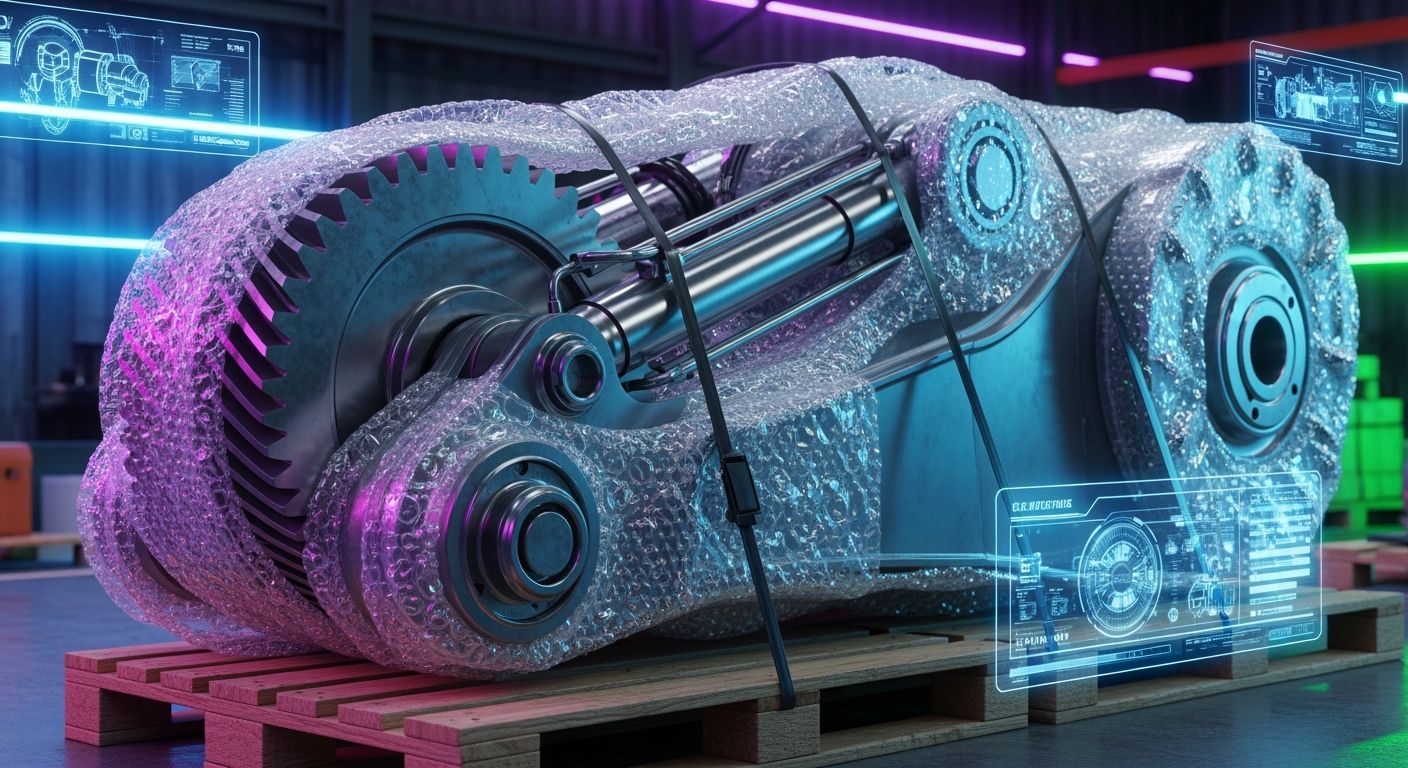
Choosing the right plastic packaging for excavator parts protects your heavy equipment pieces during shipping. Top choices include Heavy-Duty Shrink Wrap, VCI Plastic Films, Thick Poly Bags, and Molded Plastic Trays. YNF Machinery offers over 35 years of experience providing high-quality excavator spare parts to global equipment operators. Proper protective packaging prevents expensive shipping damage, water leaks, and surface scratches during long international journeys. Using reliable protective packaging materials shields important metal surfaces from harsh rust, dust, and sudden bumps. You safely protect your valuable machine investment and keep high jobsite productivity on every single shipping route.
Key Takeaways
VCI plastic bags give off safe vapors that stop rust on metal engine parts.
Thick shrink wrap keeps heavy steel parts safe from rain, dirt, and deep cuts.
Thick bubble wrap and foam soak up heavy bumps to protect fragile screens.
Flexible plastic mesh slips over delicate valves to prevent scratches and damage to the metal.
Corrosion Prevention and Plastic Packaging for Excavator Parts
Picking good plastic packaging for excavator parts stops rust during global shipping. You defend metal pieces from air and water when you pick special materials.
VCI Bags for YNF Machinery Excavator Engine Parts
Vapor Corrosion Inhibitor film releases rust-fighting vapors inside sealed packages. You use VCI bags to shield sensitive parts from water damage and rust. This smart packaging stops rust through a simple, clear process:
Vaporization: Rust-blocking chemicals inside the plastic film release into the wrapped space.
Migration and Adsorption: Floating chemical vapors travel to metal surfaces and stick to tricky shapes.
Layer Formation: The vapors create a thin, smooth protective shield over exposed metal.
Barrier Function: This hidden shield keeps water and air from touching the metal.
Corrosion Halt: Blocking these elements stops chemical damage and completely prevents rust.
YNF Machinery uses VCI bags and sealed poly liners for engine overhaul kits, fuel pumps, injectors, and turbochargers. This strong packaging protection keeps high-precision parts safe during long sea trips.
Stretch Wrap Barriers for Steel Components
Wrapping strong stretch film around coated steel parts creates a tough outer layer. You guard big steel parts from road salt, water, and outdoor dirt on flatbed trailers. Thick VCI stretch wrap gives great tear protection for heavy items.
You need to wrap items the right way to ensure total weather protection during shipping:
Apply Consistent Tension: Use a wrap tool to keep tight pressure and avoid loose spots.
Ensure Sufficient Overlap: Overlap each layer by half to block rain and moisture completely.
Achieve Full Coverage: Wrap every metal surface fully, adding extra protection on sharp edges.
Secure the End: Smooth the end tightly against the inner wrap to seal it shut.
Wrapping stretch film correctly improves overall plastic packaging for excavator parts. You save equipment value and stop rust problems on every single delivery.
Heavy-Duty Protective Packaging for Large Components
High-Gauge Shrink Wrap for Heavy Attachments
Large heavy attachments require durable plastic packaging for excavator parts during long international journeys. You get great protective packaging for big gear by using top-grade materials. You can pick thick 6+ mil plastic wrap for heavy metal parts like bucket teeth, quick couplers, hydraulic thumbs, and steel frames. Strong plastic covers stand up well against rough treatment on flatbed trailers and open cargo vessels. Heating this thick plastic cover forms a snug outer seal. This tough shield guards plain steel from heavy rain, salty ocean breezes, and flying road rocks.
You apply steady warmth using a special propane heater to shrink the thick cover neatly over uneven shapes. Heating pulls the plastic tight against bulky metal bodies without creating soft spots. Correct heat use keeps loose plastic from slapping wildly or tearing open on fast highway trips. You hold the heat tool at a safe distance to craft smooth, tough protective packaging for costly heavy machine pieces. This dependable wrapping method keeps your goods safe over long travel times.
Polyethylene Sheeting for Tracks and Frames
Heavy excavator steel tracks and chassis frames feature sharp edges, bolt heads, and rough weld corners. Sharp points quickly pierce thin plastic sheets when cranes load them or forklifts move them around. You should cover sharp ends with thick foam guards before wrapping any metal items. Good surface prep keeps all water away. Next, wrap thick, tough plastic sheeting snugly around the whole main frame. Padding sharp points prevents large plastic tears from wind flapping, outside parking, and warehouse moves.
Using thick foam blocks with heavy plastic sheets provides full packaging protection against bad weather. You tape all folded plastic edges tightly using strong, weather-proof tape. Put several extra plastic wraps around open mounting pins to maintain solid seam strength during the trip. Using strong protective packaging keeps key heavy parts safe across tough global shipping lines. You save machine value by stopping surface rust and deep scratches before delivery.
Internal Cushioning Solutions for Parts Protection
High-Density Bubble Wrap and Foam Sheeting
You need good protective packaging to shield delicate screens and electronic controls from hard bumps during shipping. High-density bubble wrap soaks up heavy shocks from sudden vibrations on bumpy roads. Wrap these sensitive parts in several bubble layers to build a thick safety cushion around screens and wires. Heavy items easily crush regular air bubbles, so you should choose high-density bubble rolls with air-retention barriers. These special bubbles keep their shape under heavy weight, giving steady shock protection during long ocean trips.
Foam sheeting gives great surface protection for smooth metal parts like chrome cylinder rods. Place flexible foam wraps right against smooth metal to stop scratches and rub marks. This soft layer keeps fine dirt from grinding into shiny finishes during truck transport. Combining foam layers with strong protective packaging materials keeps everything stable inside outer shipping boxes. You can quickly cut foam sheets to fit odd shapes, stopping sharp corners from poking through outer boxes.
Protective Plastic Netting for Precision Valves
Precision control valves and hydraulic valves have delicate screw threads and finely crafted openings. Protective plastic netting stretches over uneven metal shapes to deliver reliable parts protection. This flexible mesh tube hugs important surfaces tightly, preventing direct metal-to-metal contact during shipping. Standard flat wrap often slides off rounded valve bodies, but plastic netting expands smoothly to fit different sizes while pulling inward to stay tightly in place.
Slide plastic mesh sleeves onto separate parts before packing them into outer boxes. The open mesh design allows quick visual checks without taking off the protective layer. This easy view lets workers inspect parts while keeping sensitive edges safe from chips and drop damage. Using this light protective packaging stops item movement inside packed boxes and preserves exact part shapes. Tough plastic mesh resists oils and hydraulic fluids, ensuring great component performance upon arrival.
Step-by-Step Palletizing and Shipping Checklist
Surface Preparation and Primary Wrapping
You must clean all component surfaces thoroughly before applying any outer plastic wrapping materials. Removing loose dirt, residual oil, and standing moisture ensures optimal adhesion for flexible plastic films. Clean surfaces also prevent abrasive dust particles from grinding into finely machined metal during long overseas voyages. Inspecting each item carefully before wrapping prevents hidden moisture from causing rust under sealed plastic layers. You protect delicate steel surfaces from friction damage by completing this basic cleaning step first.
You then apply the primary layer of protective packaging directly around the prepared metal components. Wrap vulnerable steel surfaces with high-grade VCI film or thick poly bags to block ambient humidity. Using smooth, uniform wrapping motions prevents air pockets from trapping unwanted humidity near bare metal. Seal all film seams tightly with weather-resistant adhesive tape to create an airtight inner enclosure. Proper seam sealing guarantees total parts protection against moisture intrusion and severe rust formation throughout international travel.
Pallet Strapping and Weatherproofing
You place the wrapped components securely onto sturdy, undamaged shipping pallets. Center the heavy weight evenly across the wooden base structure to maintain total balance during forklift transport. You should follow a clear step-by-step sequence to anchor your heavy items correctly:
Center the heaviest engine parts directly over the primary pallet support runners.
Thread high-strength plastic strapping through the lower pallet gaps and over the components.
Tighten each strap using a mechanical tensioning tool to eliminate all internal load movement.
You finalize the palletizing process by wrapping the entire loaded unit in multiple layers of thick stretch wrap. Cover the top face down to the bottom wooden runners to seal out road spray, atmospheric dirt, and heavy ocean rain. Overlapping each plastic layer by half creates a continuous, solid barrier against unpredictable weather conditions. This disciplined weatherproofing method keeps your valuable goods completely intact, fully stable, and completely ready for immediate jobsite deployment upon final destination delivery.
Selecting the ideal plastic packaging for excavator parts depends on item weight, sharpness, and surface conditions. You choose VCI film for sensitive parts to stop rust formation. Heavy steel items need thick outer polyethylene wrap. You protect sensitive electronic monitors with bubble wrap. Precision hydraulic valves require soft mesh netting for reliable protective packaging during ocean transport.
YNF Machinery executes strict quality inspections on every component order. We wrap products using high-grade protective packaging materials to shield cargo during international shipping. Consequently, your parts arrive safe, clean, and completely ready for immediate jobsite installation. Contact YNF Machinery today to purchase durable excavator engine components and receive dedicated global logistics support.
FAQ
Which plastic packaging material best prevents rust on metal components?
You should choose Vapor Corrosion Inhibitor (VCI) bags for active rust prevention. Special plastic bags release helpful vapors inside the package. The vapors attach to bare metal surfaces, creating a safe shield against moisture and air during long ocean trips.
How thick should shrink wrap be for heavy attachments?
You need thick polyethylene shrink wrap that is at least 6 mil. This heavy-duty plastic offers great tear resistance. It protects sharp edges, heavy bucket teeth, and steel frames against bad weather on open transport trucks.
Why should you use high-density bubble wrap instead of standard bubble wrap?
Regular air bubbles crush fast under heavy weight. High-density bubble wrap uses special air barriers to keep its strength. You protect delicate electronic monitors and small parts from severe road shocks and hard vibrations during long transport journeys.
How does plastic netting protect precision hydraulic valves?
Flexible plastic netting stretches easily over odd metal shapes. It hugs delicate screw threads and smooth openings tightly. This soft mesh layer stops metal parts from rubbing together, protecting valuable pieces from chips and surface scratches inside shipping containers.