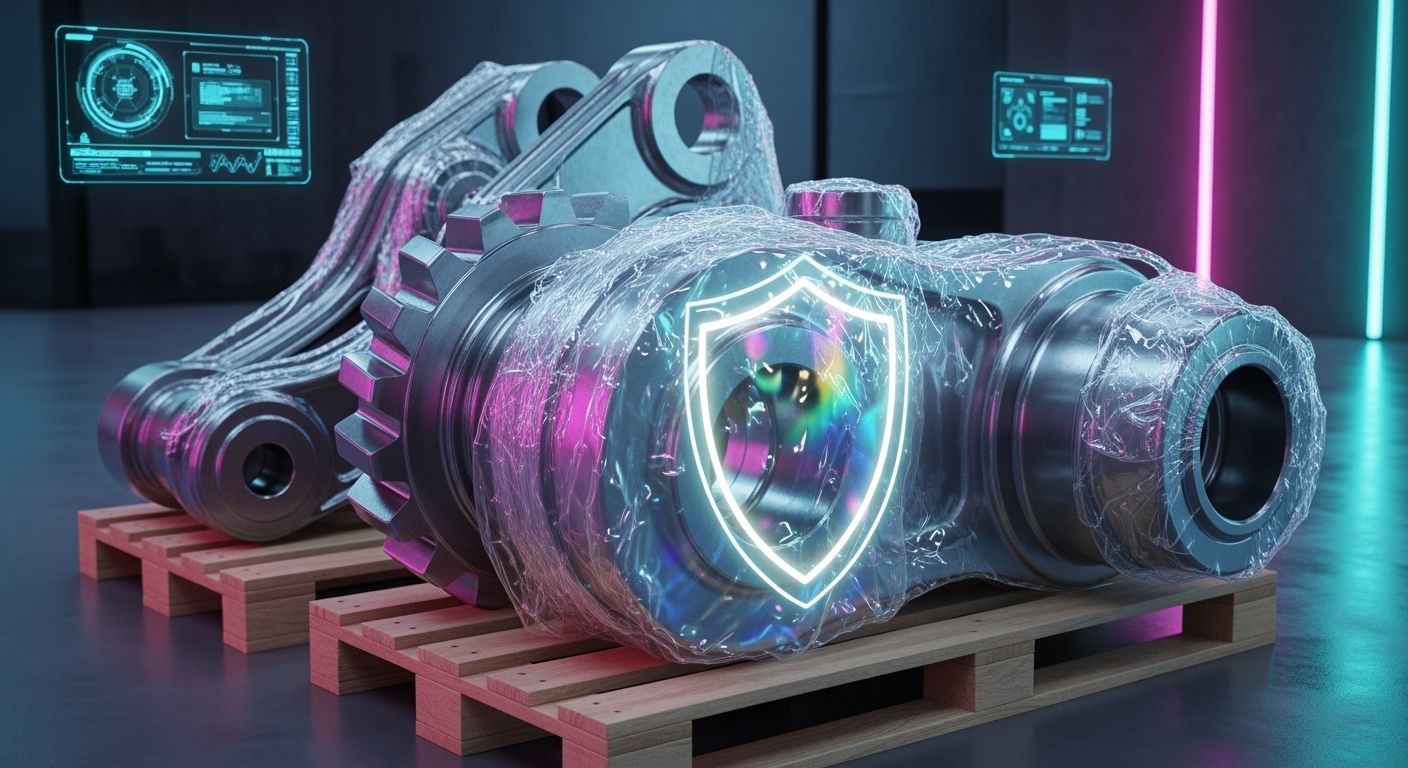
Volatile Corrosion Inhibitor (VCI) technology gives great protection to bare metal parts on your heavy machinery. This smart method stops rust during ocean trips and long storage periods. Inside sealed packages, VCI particles float into the air to form an invisible, self-fixing shield. This shield protects all plain iron surfaces from nearby moisture, air, and rust. Choosing good packaging for excavator parts keeps delicate metal pieces safe from water damage. Cleaning parts correctly keeps rust from getting trapped under sealed wraps on your excavator engine. Controlling warehouse climate makes each stored excavator unit last much longer. Good storage habits keep the total value of your machine high. Every excavator part arrives ready to use.
Key Takeaways
Wipe and dry all metal pieces completely so protective VCI gases can stop rust.
Use thick VCI bags and emitters to cover excavator engines and protect deep inside areas.
Add thick foam padding and special wraps to soak up bumps and prevent physical damage during shipping.
Close plastic bags using heat with moisture-absorbing packets inside to stop water damage during ship travel.
Keep wrapped machine parts in temperature-controlled storage rooms where the moisture in the air stays below forty percent.
Surface Preparation Before Packaging for Excavator Parts
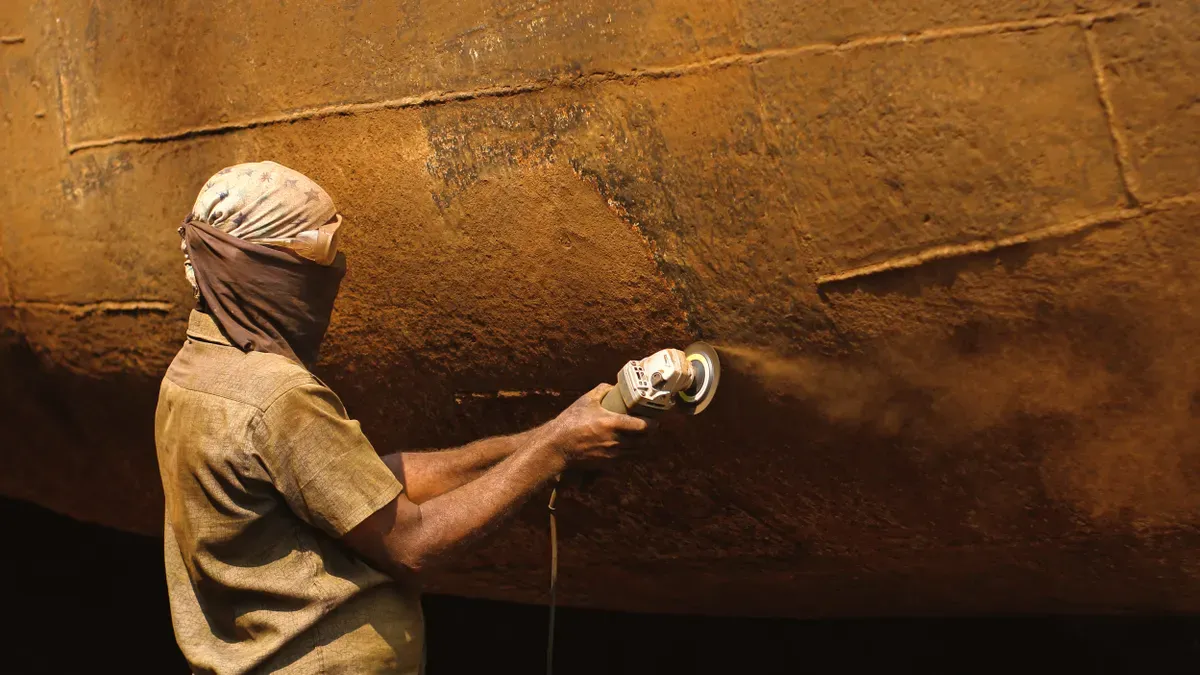
You must clean all metal surfaces deeply before wrapping them in protective film. Good surface cleaning ensures that your packaging for excavator parts works well on long trips. Dirt, thick oil, and leftover shop fluids form barriers on bare metal. These dirty spots block protective vapor molecules from reaching raw iron on every part. Clean surfaces help volatile inhibitors build a self-fixing shield against rust.
Degreasing Engine Assemblies and Castings
You have to scrub heavy items like an excavator engine assembly, hydraulic pumps, and control valves. Cutting fluids and heavy grease gather on these metal castings during factory work. You must wash away all grease and factory dirt first. Normal solvent washes strip away heavy oil films that stop protective vapors from touching bare metal directly.
All parts must be cleaned and dried before VCI packaging, as VCI cannot reverse corrosion that has already started.
Bare iron surfaces, cut valve ports, and cylinder blocks are common weak spots on heavy machines. These open metal areas face quick damage when left in open air. Harmful elements like salt bits and human fingerprints leave tiny salt spots on raw iron. These salts start rust right away beneath plastic wraps. Still, top-grade VCI liquid mixtures can work well with existing internal oils inside closed hollow spaces. This unique liquid plan removes the need for inside cleaning on chosen gearboxes for your machine. You should always put a temporary rust protective coating on open unpainted mating flanges before final wrapping. Standard equipment care plans need this cleaning step to stop metal breakdown before shipping starts.
Complete Moisture Elimination Techniques
Trapped water inside protective film causes huge danger to iron parts. Water drops pressed against bare iron speed up spots of rust under sealed plastic wraps. You must remove all signs of liquid water before sealing any excavator part in protective bags. Warm air blowers and heated drying ovens blast rinse water out of deep bolt holes, inner channels, and hollow castings.
You must follow these precise steps to eliminate moisture before sealing your excavator parts:
Ensure Parts Are Surface Dry: Metal parts must look dry. All rinse water, cutting fluids, and cleaning liquids must be gone before sealing.
Control Temperature Before Packaging: Let parts cool down to match room temperature before you seal them inside VCI film or bags.
Avoid Sealing Humid Air: Wrap your items inside a climate-controlled room. Do not seal parts during times of high air moisture.
Hot metal forms water drops inside closed plastic bags if you wrap warm castings too fast. Let your excavator parts cool down to match room air heat before final sealing. Workers must wear clean cotton gloves while handling parts to stop spreading wetness from skin. Dry shop air clears hidden spots inside each excavator hydraulic manifold. Proper air drying stops machine corrosion inside dark package centers. Keeping water out shields every excavator part from chemical damage. Your careful work holds every stored machine item in factory shape.
Implementing VCI Packaging to Prevent Rust
Volatile Corrosion Inhibitor items release chemical vapors inside sealed shipping boxes and wraps. These invisible vapor bits expand to fill all open air space inside the closed package. VCI molecules quickly attach to all exposed bare metal parts through natural attraction. They form a thin, clean chemical shield that blocks surrounding oxygen and air moisture. This self-fixing vapor process stops surface rust on plain iron without using sticky grease or messy oils. Closed packages deliver steady rust protection over long storage times.
Matching VCI Film and Bags to Heavy Parts
Heavy machine parts need thick plastic wrapping materials to stop tears, holes, and air leaks. You must pick special packaging for excavator parts based on size, item weight, and metal types. Large pieces like an excavator engine assembly, heavy gearbox, or swing motor fit best in strong gusseted VCI bags. These thick bags come in big sizes, including bag widths up to 150 inches. Standard gusset bag options offer precise sizes like 70″ x 60″ x 100″ or 82″ x 40″ x 79″ to cover large gear housings.
Pick iron-focused formulas for raw excavator cast parts.
Choose multi-metal bags when your machine part combines steel, brass, and copper fittings.
Add extra UV protection if your wrapped excavator units sit outside during long shipping journeys.
Good bag choices shield your excavator items against rough, rust-causing spaces during ocean travel. High-grade plastic wrapping provides a steady storage life of 2 to 3 years. You should keep indoor warehouse storage temperatures between 0°F and 85°F (-18°C to 29°C). Relative moisture must stay below 60% inside your building to guard against rust.
VCI Emitters for Internal Cavities and Assemblies
Large metal castings have deep inner spaces, threaded bolt holes, and closed fluid pathways. Standard outer plastic wrapping cannot always push chemical protective vapors deep into these hidden, sunken areas. Portable VCI emitters fix this problem by constantly sending strong protective vapors inside sealed inner spaces.
It reaches every metal surface—including complex internal cavities, threads, and assemblies that traditional methods can’t protect.
You can place small foam emitters inside closed electric control boxes, open gaps, or inner metal frames. Special anti-rust oil blends also protect inner bare metal surfaces inside an excavator hydraulic system or gearbox. These liquid VCIs flow right into inner empty spaces, giving off vapors that coat raw metal gears.
You must follow correct emitter placement steps to stop rust across complex machine parts:
Put a portable VCI emitter unit right into hard-to-reach inner spaces or hollow areas.
Pair inner emitters with outer VCI bags to give sensitive parts a second layer of defense.
Make sure the full part housing stays tightly sealed with less than one daily air swap.
This team of inner emitters and tough outer bags gives your excavator parts full inside and outside defense. Each protective item keeps your excavator spare parts totally safe from active rust during long overseas shipping journeys.
Physical Protection to Prevent Cracks and Impact Damage
Heavy-Duty Cushioning for Irregular Components
Rough handling during transport puts extreme stress on exposed machine pieces. You must pair chemical rust blockers with solid cushioning to prevent cracks on heavy housings. Oddly shaped excavator parts need special materials that absorb sudden shocks and guard delicate outer surfaces.
Material | Structure & Key Properties | Primary Role in Protection | Best For Heavy Attachments Because… |
|---|---|---|---|
PE Foam | Closed-cell, moisture-resistant, high compression strength (1.7lb/2.0lb density) | Cushioning and structural support | Keeps heavy items from hitting package bottoms during hard impacts |
Poly Bags | Smooth plastic film, low friction | Primary layer against surface damage | Lets excavator parts slide gently without scratching raw metal finishes |
Bubble Wrap | Air-filled pressurized pockets | Shock absorption and force distribution | Air pockets squash down to soften hard forces against metal |
Heavy excavator attachments often face sharp hits during long sea travel. Punctures on smooth mounting faces cause most cracks during rough ocean journeys. You should find weak spots like smooth flanges on each excavator casting before wrapping. Workers must check parts for hidden cracks before packing to ensure structural strength.
Custom Barrier Wraps for Long-Distance Transit
Long ocean trips expose every wrapped excavator piece to harsh weather and salty sea spray. Custom barrier wraps fit tightly over each unique excavator part to remove open air spaces. Strong wooden boxes around packages offer sturdy protection. The outer crate stops crushing forces and prevents severe physical damage to your machine.
Custom Design Fit: Covers fit exact item shapes to guarantee full protection without leaving open spots.
Water-Resistant Fabric: Tough outer material repels ocean spray, heavy rain, and harsh surface scraping.
Shrinkable Film: Heat shrinking forms a tight seal that stops wet air, floating salt, and dust.
Anti-Condensation Layer: Special inner layers pull trapped moisture away from raw metal to stop rust.
Vapor barrier bags create a tight sealed space around your stored machine items. Wrapping sealed parts in shrink film adds strong outer protection against sudden drops. Thick plastic films protect soft hydraulic hoses from deep punctures. Using correct physical packaging for excavator parts ensures every item arrives safely at your site.
Climate Control to Stop Rust Damage in Shipping
You must control the climate inside shipping containers during long overseas transit. Shippers often use climate-controlled trucks to shield your cargo against fast weather changes. High humidity speeds up rust on bare metal when water drops collect on exposed parts. You should keep relative humidity levels below 50% to maintain a safe storage zone. This practice stops early rust damage on every key excavator part during transport.
Airtight Sealing and Heat Shrinking
A proper seal is crucial to prevent the ingress of air, moisture, and contaminants.
Heat sealing creates a tight closure by joining film edges together. This strong barrier blocks airborne moisture and corrosive substances from touching your wrapped excavator cargo. You can wrap each exposed excavator casting in thick VCI poly film. After wrapping, apply heat along the open edges to build a solid airtight seal. Tight packaging locks vapors inside the bag to protect your heavy excavator engine assembly from rust damage.
Integrating Desiccants with VCI Systems
Ocean freight exposes cargo to harsh corrosive environments across changing climate zones. Standard VCI films give off protective vapors to defend bare metal surfaces. However, sudden temperature changes create heavy container rain inside dark shipping crates. You can add specialized desiccants inside the outer excavator package to control liquid condensation. Desiccants absorb water, while VCI particles build a shield so moisture cannot form rust on plain steel.
You can combine these protective tools using a proven three-layer method:
Place your delicate excavator parts inside an inner VCI film bag.
Enclose the inner package within a second polyethylene bag.
Put desiccant packs between the inner and outer bags.
This multi-layer setup absorbs moisture before liquid touches your inner wrap. The dual system stops rust and preserves every excavator shaft in factory condition. You protect your machine from severe structural damage during ocean freight. This smart strategy shields each machine against severe weather, stopping costly downtime for your excavator fleet.
Storage Guidelines to Protect Your Machine Investments
Humidity Control in Heavy Machinery Warehouses
Damp air in a warehouse creates big problems for stored metal pieces. Rust quickly starts to grow on plain iron once the air moisture hits 45%. You have to control this wet air to stop rust damage on every important excavator part. Steel excavator parts and cast iron items need an air moisture level of 40% or lower at a steady heat level. Keeping your daily air levels between 40% and 45% stops wet water drops from forming on cold metal tops.
Simple air checks can easily trick workers when the outside weather changes with the seasons. You must keep the dew point at least 2–3°C lower than the coldest metal spot in your building. Good air flow keeps floating water drops from making a harmful wet layer on bare iron castings. This stable room air shields your heavy machine parts from harmful chemical rust actions. Smart air control gives your stored excavator parts strong, year-round protection.
Inspection Protocols for Stored Spare Parts
Storage Type | Recommended Target | Critical Monitoring Point |
|---|---|---|
Steel and Cast Iron | RH ≤ 40% | Keep dew point 2–3°C below cold surface temp |
Mixed Packaged Goods | RH 45–55% | Limit hours above 60% RH |
Regular warehouse checks help keep the best storage setup for all your excavator parts. You should lift excavator parts up on concrete blocks or wooden boards to stop ground water from soaking in. Keeping items inside a clean, dry room keeps rain and dirt far away from soft outer faces. Regular work crews must wipe dirty parts to clear away dust that holds hidden water. These quick care habits guard open metal spots and save your machine parts from rotting away.
You need to check wrapped boxes often for signs of surface rips or trapped water. If you spot a small rust dot during a normal check, fix it right away to save the inner piece. Taking quick action stops deeper metal damage across your most costly excavator gearboxes. Doing careful, routine checks keeps every stored excavator part safe from harm. These good habits ensure every stored excavator piece stays ready for hard work, keeping your equipment running well for years.
Keeping big machine parts safe takes a full plan. You must clean every metal surface completely before wrapping to prevent hidden rust. Choosing the right VCI plastic film guards raw iron pieces from wet air. Using thick cushioning material helps avoid cracks during rough shipping trips. Keeping an airtight, dry space holds salty ocean water far away from every excavator component.
These full packaging for excavator parts steps protect the overall quality of YNF Machinery engine blocks and hydraulic parts. Smart rust prevention provides an affordable choice for worldwide shipping. You prevent pricey fixes, rejected parts, and sudden machine downtime. You can count on YNF Machinery to ship fine excavator components, blocking rust and guarding your machine for years of tough jobs.
FAQ
How long does VCI packaging protect an excavator part?
Strong VCI bags guard your machine pieces for two to three years in good storage spots. You need to keep wrapped packages inside below 85°F. Keeping air moisture below 60% stops rust damage during long shipping trips.
Can you use VCI bags on dirty machine parts?
No, you must wash all metal pieces before wrapping them up. Oil, dirt, and trapped liquids block chemical vapors from touching bare iron. Careful cleaning forms a main step of normal equipment care.
How do you inspect wrapped excavator parts without breaking the seal?
You can look at outer plastic wraps for small holes or trapped water. Check raw metal pieces for hidden cracks before final wrapping takes place. If you find broken film or surface tears, fix the outer seal right away.
Why should you pair VCI emitters with VCI bags on an excavator hydraulic pump?
Outer bags guard exposed outside surfaces. Small emitters send protective vapors deep into hollow spaces, screw holes, and fluid channels. This double plan stops rust across detailed machine parts during sea trips.
Does proper storage improve overall equipment maintenance?
Yes. Keeping your extra machine items in dry, temperature-controlled rooms stops rust before setup. Good storage habits lower your long-term repair costs and prevent sudden machine breakdowns on active work sites.