A fleet manager sees a 20-ton excavator sitting still. A broken hydraulic pump stopped the machine. The costs add up quickly.
When heavy equipment is down, it can cost hundreds to thousands of dollars every hour.
The numbers show it. A 20-ton excavator has an idle ownership cost of US$16.39 per hour. Ownership and operation cost reaches US$96.41 per hour. Every hour of delay hurts.
What should a buyer look for in a wholesale excavator parts manufacturer? The answer starts with knowing part types, quality standards, and common problems. A reliable partner supplies quality heavy equipment parts. That choice protects the fleet and the budget.
Key Takeaways
Look for ISO 9001 or CE certifications to make sure the parts are high quality.
Aftermarket parts cost less, but they may break more often than OEM parts.
Ask for batch certificates and material test reports to check quality.
First, test a small order to check part fit and paperwork.
Choose suppliers with high repeat orders and positive reviews.
Types of Heavy Equipment Parts
Knowing how these groups differ helps buyers pick the right one. The three main types are original manufacturer, aftermarket, and remanufactured choices.
OEM, Aftermarket, and Remanufactured
Original equipment manufacturer parts come from the machine’s first maker. These parts meet exact factory specifications. An original track link assembly for a John Deere 210G LC uses special alloys that fight wear in rough soils. The parts match the first blueprint exactly. Factory production processes follow ISO 9001 management systems.
Aftermarket options come from outside manufacturers. Top suppliers use reverse-engineered designs with high-grade steel. Cheaper options may skip heat treatment. In tough environments, aftermarket components show up to 20% higher failure rates. Poor materials cause 25% of undercarriage issues. Factory undercarriage sprockets often outlast generics by 40%.
Remanufactured options are a third category. These parts get fully rebuilt to work like new.
How Part Type Affects Quality and Cost
Part type directly changes cost and how long parts last. Aftermarket heavy equipment parts cost 30-60% less than equal factory replacements. A CAT hydraulic pump costs over $2,600 from the first manufacturer. An aftermarket version costs around $1,000.
The right choice depends on the job. Consumable wear items with checked test data work well with alternatives. Parts like excavator bucket teeth need material specifications for wear resistance. A wholesale excavator parts manufacturer supplies both factory and aftermarket choices. Buyers who want new, genuine OEM replacement parts should check supplier certifications. Quality heavy equipment parts come with proper documentation. ISO 9001 certification shows high equipment standards. OEM components guarantee fit and performance.
Picking the right parts protects your investment. The wrong choice leads to costly downtime. Knowing these part differences helps buyers decide.
Quality Standards for High-Quality Heavy Equipment Parts
Certifications and Documentation
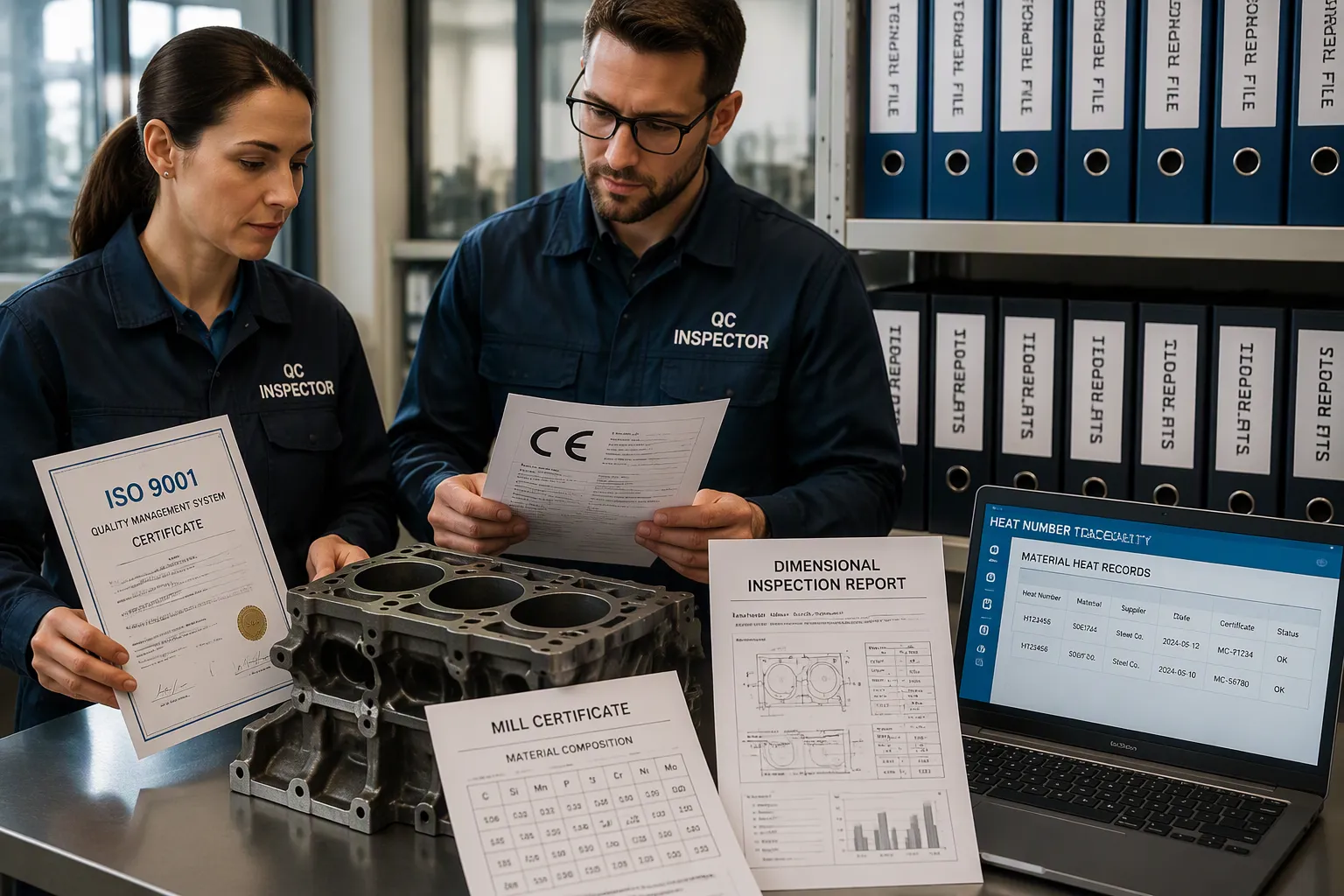
Buyers should always pick parts that have quality certificates like ISO or CE. These marks show that a product meets accepted quality standards. A wholesale excavator parts manufacturer with ISO 9001 certification follows written processes for steady quality. The certification covers production and distribution units. It includes documented processes and ongoing improvements. This organized approach lowers the risk of bad or non-compliant parts getting into the supply chain.
CE marking is important for equipment sold in Europe. The manufacturer checks product conformity against harmonized standards. They put together a technical file covering design, development, and manufacture. This file has technical descriptions, drawings, bill of materials, specifications, test reports, and instructions. The documentation must be kept for up to 10 years. A manufacturer can do self-assessment, use an accredited in-house body, or involve a third-party notified body. Notified bodies are independent organizations authorized by the EU. They do testing, audits, and inspections for high-risk products like heavy machinery.
Precise documentation also proves traceability. A batch certificate of analysis shows raw material quality. Material certificates confirm adherence to OEM tolerances and validate mechanical properties. A packing list with sequential serial numbers helps maintain traceability.
Physical Inspection and Material Quality
Physical examination reveals the true quality of the heavy equipment parts. High-quality undercarriage parts use durable steel alloys that withstand extreme conditions, heavy loads, and constant wear and tear. Quality undercarriage parts undergo precision heat treatment, which enhances surface hardness while retaining a resilient core that absorbs shock and reduces fatigue.
Hardness specifications matter for pins and bushings. Heat treatment achieves appropriate surface hardness for wear resistance. Buyers should check the quality of sealing rings. Choosing products from well-known brands when possible adds another layer of confidence.
Counterfeit hydraulic pumps often show clear warning signs. A fake part may weigh 5%–8% lighter than the genuine version. Surface finish may have rough edges, uneven paint, or inconsistent machining. Dimensional accuracy may deviate beyond plus or minus 0.05 mm of OEM specification. Markings may be painted or printed instead of laser-etched or stamped. Genuine etch depth is at least 0.2 mm. Packaging may have misaligned print, cheap stock, spelling errors, or batch code mismatches. A price 15%–50% below market also signals a counterfeit. Buyers should request a batch certificate of analysis with test data. A generic quality certificate does not qualify. Material certificates should match the OEM grade, such as SAE 4140 steel or an ASTM/ISO equivalent. A packing list with sequential serial numbers helps maintain traceability. Gaps or duplicates break the chain. A distributor authorization letter and written warranty terms tied to the specific part provide further protection.
Common Pitfalls with a Wholesale Excavator Parts Manufacturer
Counterfeit Parts and Unverified Suppliers
Fake parts are everywhere. A buyer might see a hydraulic pump that looks just like the real one. The price seems too good to be true. The seller says it works just as well. But these parts often break in a few weeks. That creates safety dangers. A broken pump can cause sudden pressure loss. The machine might drop its load. Workers could get hurt. Early failures also cancel warranties. The original maker won’t cover damage from fake parts.
Suppliers you don’t know cause similar problems. They have no correct papers. They can’t show where materials come from. A wholesale excavator parts maker with no records may send low-grade steel. That steel lacks the hardness needed for pins and bushings. Buyers should ask for batch certificates and material test reports. A supplier who waits to give these papers is a warning sign.
Compatibility Issues and Poor Support
Wrong model matches cause big trouble. A pump with the wrong flow rate gives bad performance, heat, and cavitation. Wrong pressure range strains hoses and seals. Physical fit issues, like different bolt holes or shaft shapes, need costly adapters. A too-small pump struggles under heavy loads and wears out fast. A too-big pump wastes power and makes heat. Wrong pump types cause swapping problems. Wrong fluid thickness increases wear. Wrong rated speed leads to cavitation or less efficiency.
Wrong Specification | Problem on Excavator |
|---|---|
Flow rate | Bad performance, overheating, cavitation |
Pressure range | Strained hoses or weak digging power |
Physical fit | Costly adapters or damage from bad fit |
Pump too small | Early wear under heavy loads |
Pump too big | Wasted energy and heat issues |
Pump type | Bad performance and part damage |
Fluid type | More wear and less efficiency |
Speed rating | Cavitation or less efficiency |
Bad customer support makes things worse. A supplier with no know-how can’t help match models to work conditions. The buyer waits days for answers. The machine stays broken. That downtime costs money and annoys everyone. A good partner gives advice on excavator bucket teeth selection, wear resistance needs, and correct material grades. They know that quality heavy equipment parts must fit the specific machine and job.
Finding a Reliable Partner for Quality Equipment Parts
Researching Reputation and Experience
A wholesale excavator parts manufacturer that has been in business for many years shows it can last. A long history means the company is stable and knows heavy equipment parts well. Buyers should check how long a supplier has been operating. A company with a long track record in the market has gone through industry changes. That track record builds trust.
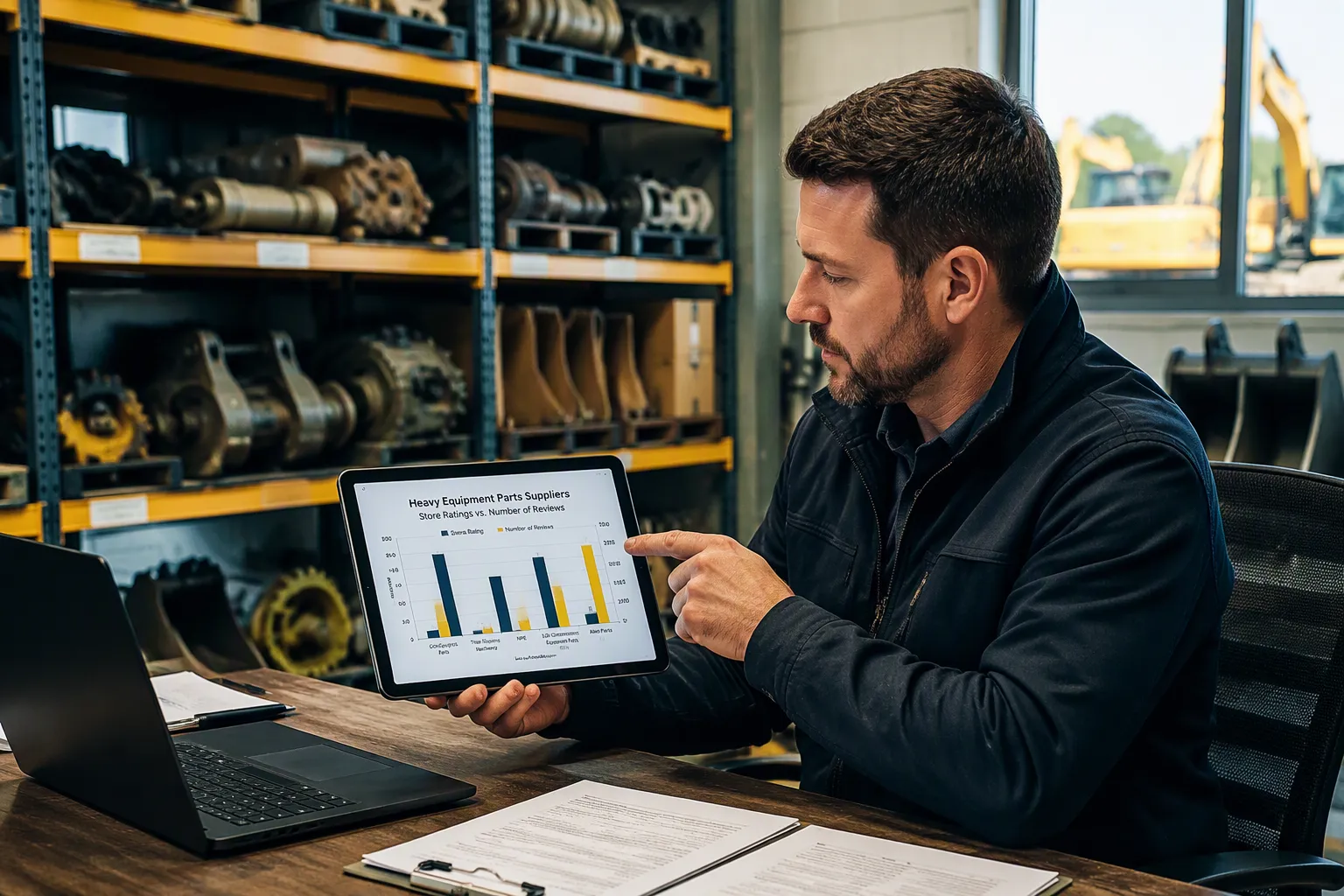
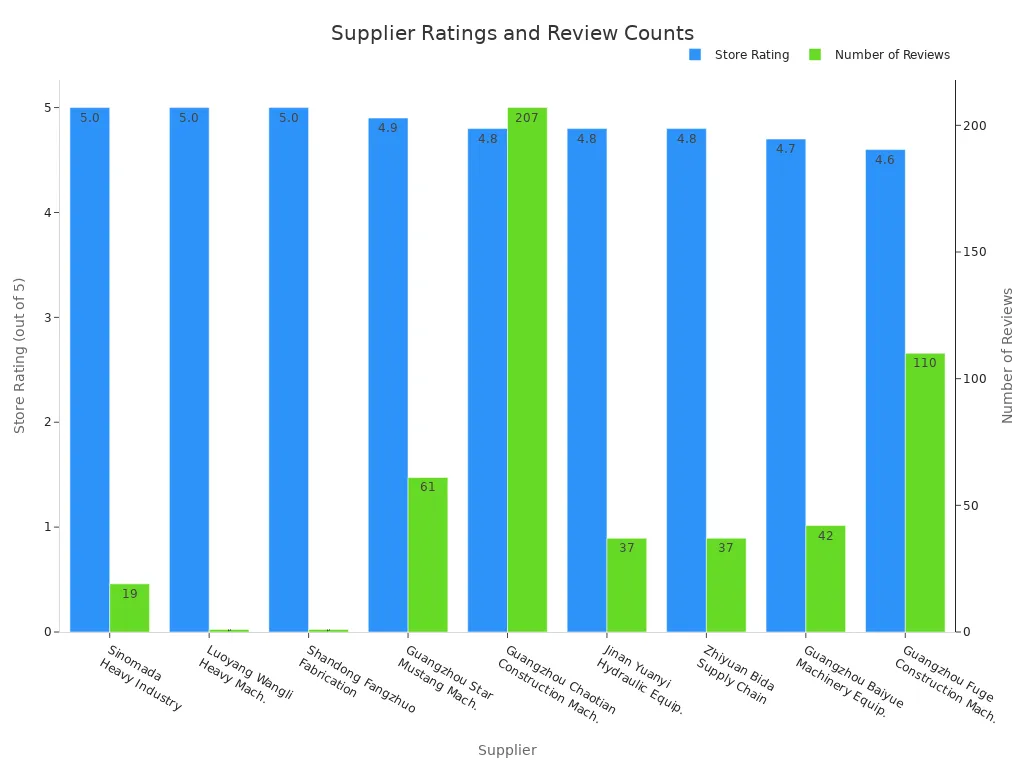
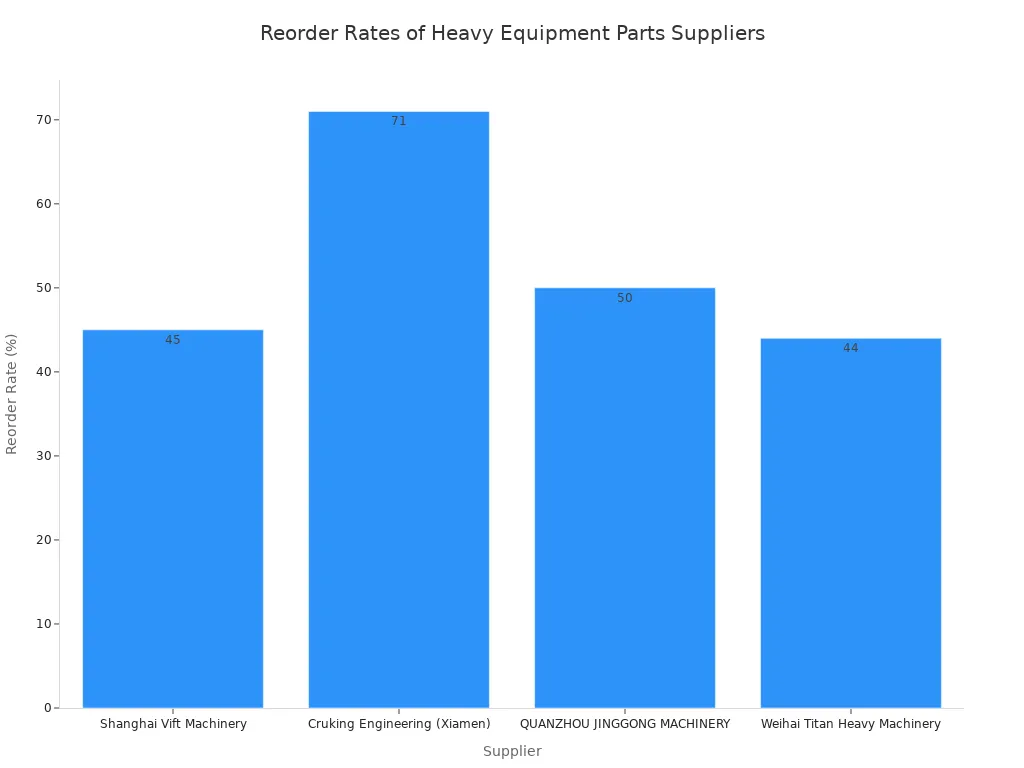
Online tools help check a supplier’s history. Industry sourcing reports show supplier ratings and how often customers reorder. A heavy equipment supplier with a high rating and a high reorder rate tells a strong story. High reorder rates mean customers come back. That pattern suggests they are happy with parts and service.
Supplier | Store Rating | Number of Reviews | Reorder Rate |
|---|---|---|---|
Supplier A | High | Few | High |
Supplier B | High | Many | Low |
Supplier C | High | Some | Low |
Supplier D | Good | Numerous | Moderate |
People in the industry give honest feedback. Buyers should ask other fleet managers about their experiences. Reading reviews on supplier pages shows patterns. Checking references confirms what the manufacturer says. Good and trusted suppliers welcome these checks.
Testing and Building Long-Term Relationships
Smart buyers ask for samples before buying large orders. A small test order shows part quality and fit. The buyer can check material hardness and sealing rings. Test orders also show how a supplier handles shipping and paperwork.
Negotiation covers price, delivery time, and return rules. A fair price matters, but quality heavy equipment parts are worth the cost. Clear return terms protect the buyer if parts do not fit. Delivery times affect how long the machine is down.
Long-term relationships grow from trust. A reliable partner learns the buyer’s fleet needs. They give advice on OEM specs and material grades. Both sides gain from steady quality and regular supply.
Picking the right wholesale excavator parts manufacturer means paying close attention to certifications, material quality, and documented traceability. Buyers who check ISO or CE marks, inspect steel alloys, and ask for batch certificates protect their fleets from early failures and costly downtime.
Start small. A test order shows part fit, hardness, and paperwork accuracy before you commit to large purchases. Checking suppliers through industry peers and reorder rates confirms reliability over time.
A trusted partner delivers consistent quality heavy equipment parts. That relationship cuts downtime and lowers total cost of ownership across every machine in the fleet. Reliable suppliers become long-term allies.
FAQ
What certifications indicate a reliable manufacturer?
ISO 9001 certification shows a maker follows quality control rules. CE marking proves they meet European safety standards. These certificates lower the chance of getting bad heavy equipment parts.
How do aftermarket parts compare to OEM parts?
Aftermarket parts cost 30-60% less than OEM parts. In hard conditions, these parts can fail up to 20% more often. OEM parts always fit because they follow the factory’s exact specs.
What signs suggest a counterfeit hydraulic pump?
A fake pump is 5-8% lighter than a real one. Its surface may have rough edges or uneven paint. A price that is 15-50% below normal is a warning sign.
What materials do quality undercarriage parts use?
Quality undercarriage parts use durable steel alloys that are heat-treated to make them tough. They provide wear resistance for track rollers, sprockets, front idlers, and track links.
How can a buyer verify supplier reliability?
Buyers should ask for batch certificates and material test reports. Checking how often customers reorder and asking other fleet managers helps confirm a supplier’s quality.