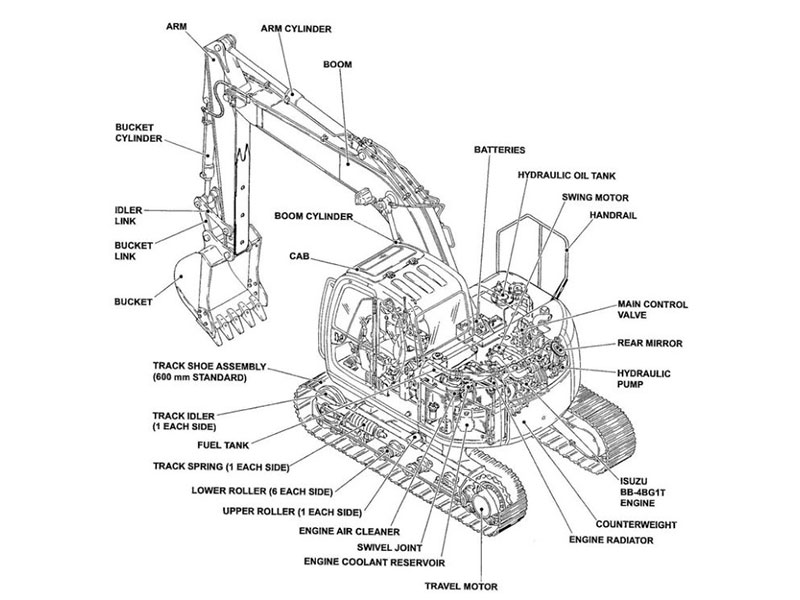
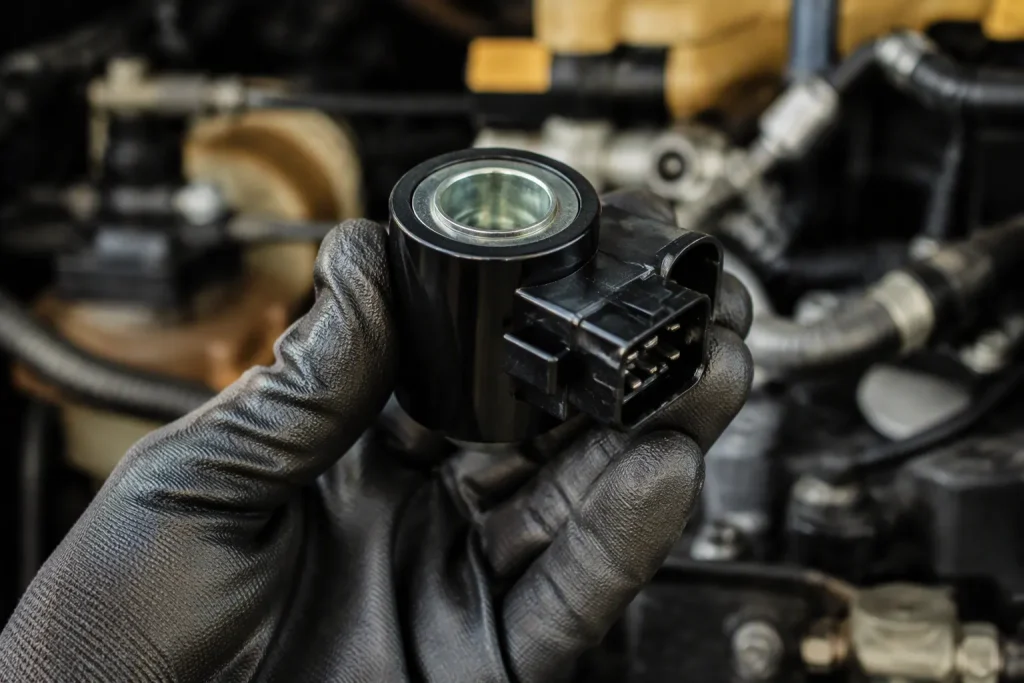
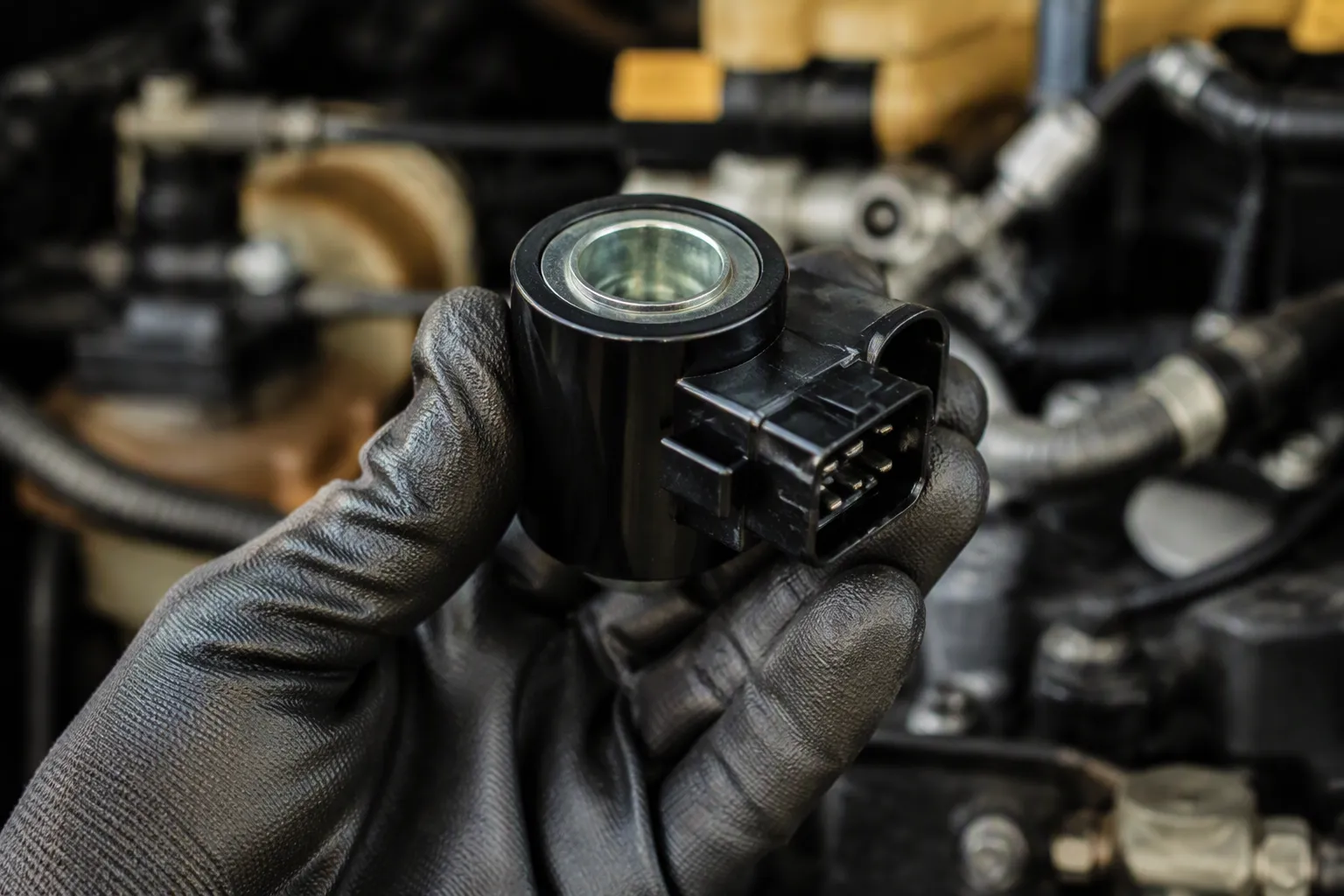
A high-quality excavator solenoid valve coil gives steady magnetic force, the right resistance, and a tight seal under heat and vibration. In heavy machinery, this small coil can shut down a whole machine. One failed solenoid coil stops a hydraulic valve from shifting, and your excavator sits idle.
Buying wholesale excavator parts solenoid valve coil fu yuan stock brings real risks. Fake coils flood the market. Bulk compatibility is hard to check before delivery. This guide gives you a clear plan. You will check reliability, performance, compatibility, and safety. The goal is simple. Look past the price tag and focus on total cost of ownership.
Key Takeaways
Check the voltage and resistance to prevent weak power or burnout.
Test coils with a Click Test to find out if the problem is electrical or mechanical.
Pick good coils to cut down on time when equipment isn’t working and lower the overall cost of owning them.
Check the certificates and test reports for each large order.
Balance cost and quality to keep your excavator working.
Understanding the Hydraulic Directional Valve Solenoid Coil
Function in Hydraulic Systems
A solenoid coil works like an electromagnet when electric current flows through it. Inside a hydraulic directional valve, this magnetic force pushes a spool or poppet. The spool then sends pressurized fluid to the cylinder, motor, or other actuator. Without a working coil, the hydraulic valve cannot shift. The machine stops.
These coils power big machines in construction, mining, and farming. Picking the right one and caring for it keeps your hydraulic system working well. A mismatch in voltage or resistance causes weak force or burnout. Common failure causes include electrical problems, mechanical wear, and environmental factors. Moisture ingress, overvoltage, and contamination top the list.
Failure Mode | Category | Detection Method |
|---|---|---|
Burnt / overheated coil | Electrical | Visual inspection; resistance test; verify voltage under load |
Broken wire (open circuit) | Electrical | Multimeter resistance test — infinite (OL) reading |
Short circuit | Electrical | Multimeter resistance test — near-zero ohm reading |
Overvoltage | Electrical | Verify supply voltage at connector while energized |
Moisture ingress | Electrical | Inspect connector IP rating and gaskets |
Stuck spool | Mechanical | Manual override test; Click Test |
Contamination | Mechanical | Fluid analysis (ISO 4406); filter differential pressure |
Worn seals | Mechanical | Visual inspection for leaks; check cylinder drift |
Armature blockage | Mechanical | Click Test; magnetic field verification |
You can run a simple Click Test to tell electrical faults from mechanical ones:
Toggle the directional control valve’s control switch on and off.
Listen for a clear metallic click sound.
Put your hand on the coil housing to feel vibration in noisy places.
A click means the coil works — the problem is mechanical.
No click means the coil is dead — the problem is electrical.
Backup: hold a steel screwdriver near the coil retention nut and check for magnetic pull.
Common Types and Configurations
Direct-acting solenoid directional valves use the coil’s force right on the spool. Pilot-operated versions use system pressure to help. You will find both in excavators from Yanmar, Caterpillar, Komatsu, Hitachi, Kobelco, Volvo, Hyundai, Doosan, Develon, JCB, Kubota, Sumitomo, Case, Isuzu, Cummins, and Kato.
Voltage and resistance ratings differ by coil type. Match these values before you buy in bulk.
Coil Type | Rated Voltage | Acceptable Range (±10%) | Typical Resistance |
|---|---|---|---|
12V | 10.8 – 13.2V | 3 – 6 Ω | |
24V DC | 24V | 21.6 – 26.4V | 15 – 30 Ω |
110V AC | 110V | 99 – 121V | Varies (check datasheet) |
220V AC | 220V | 198 – 242V | Varies (check datasheet) |
A 24V coil on a 12V supply makes weak force. A 12V coil on a 24V supply burns out fast. Always check the solenoid directional valve label and the machine’s supply voltage.
Key Considerations: A Solenoid Valve Buying Guide
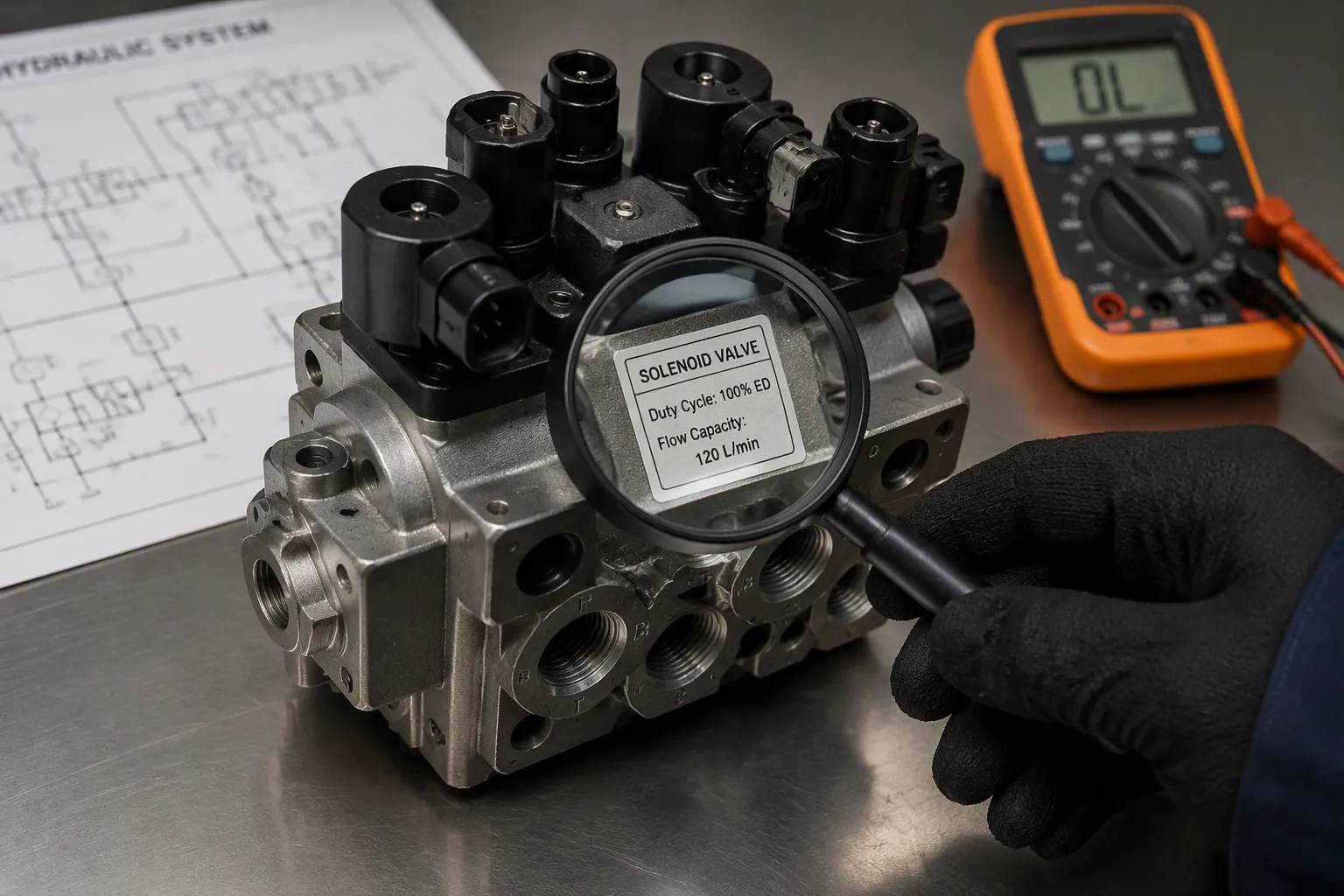
This solenoid valve buying guide covers two key factors for your purchase decisions. You need to check both reliability and performance. Focus on these criteria to avoid expensive downtime in your hydraulic system.
Reliability Criteria
Start with brand reputation. Choose a manufacturer with proven quality control and published life-cycle test data. Well-built solenoid directional valves with quality materials deliver consistent performance. A reliable solenoid valve should last many operating hours without failure.
Check the duty cycle rating next. This tells you how long the directional valve can stay energized. Match the rating between continuous and intermittent duty. This prevents overheating in the hydraulic system. It also preserves lifespan. For high-cycle applications, pick a directional control valve rated for high-frequency operation. Direct-acting solenoid directional valves work best for fast cycling.
Compare replacement frequency across suppliers. Look at the total cost of ownership over five years.
Evaluation Criterion | Quality Valve Block | Standard Valve Block |
|---|---|---|
Replacement Frequency (5 yrs) | 1–2 times | 3–5 times |
Hidden Costs (Compatibility, Downtime) | Minimal | Moderate–High |
Total 5-Year Ownership Cost | $120–$200 | $150–$240 |
Overall TCO & Downtime | Lower total cost and reduced downtime | Higher long-term maintenance costs |
User-Reported Reliability | Lasted over 12,000 hours with no issues | Replaced every few months due to clogging |
Perform regular inspections for wear and leakage. Keep your hydraulic valve and filters clean. For safety-critical functions, use a double-solenoid setup. This lets the hydraulic system fail safe if one valve fails. A high-quality solenoid valve can achieve 1 million to 10 million cycles. Direct-acting types rate around 1 to 5 million cycles.
Performance Metrics
Flow capacity controls how fast your actuator moves. Check the flow capacity in gallons per minute. Match it to your hydraulic system needs. Undersized valves slow down operation. Oversized valves cause control problems.
Pressure rating defines the safe operating range. Never exceed the maximum rated pressure of the hydraulic directional valve. Verify the pressure rating matches your system. A mismatch causes seal failure and leaks.
Response time affects machine precision. Check the valve datasheet for response time in milliseconds. Faster valves give better control in the hydraulic directional valve selection process.
Voltage compatibility is critical. Check electrical compatibility between the electrical connector and your machine power supply. A 24V coil on a 12V supply makes weak force. A 12V coil on a 24V supply burns out fast.
Insulation class determines heat tolerance. Class F handles higher temperatures than Class B. Choose a higher class for hot environments.
Demand certifications for the hydraulic solenoid valve.
UL ensures coils meet American safety requirements
CE certification is required for European markets
ISO 9001 covers quality management
RoHS compliance restricts hazardous substances
CSA approval adds North American safety certification
Explosion-proof certification is needed for hazardous environments
Verify each certification directly through the issuing body website. Do not rely on displayed badges alone. This hydraulic directional valve selection process helps you pick the right valve for your excavator. Use the solenoid valve buying guide with every bulk order.
Sourcing Wholesale Excavator Parts Solenoid Valve Coil Fu Yuan
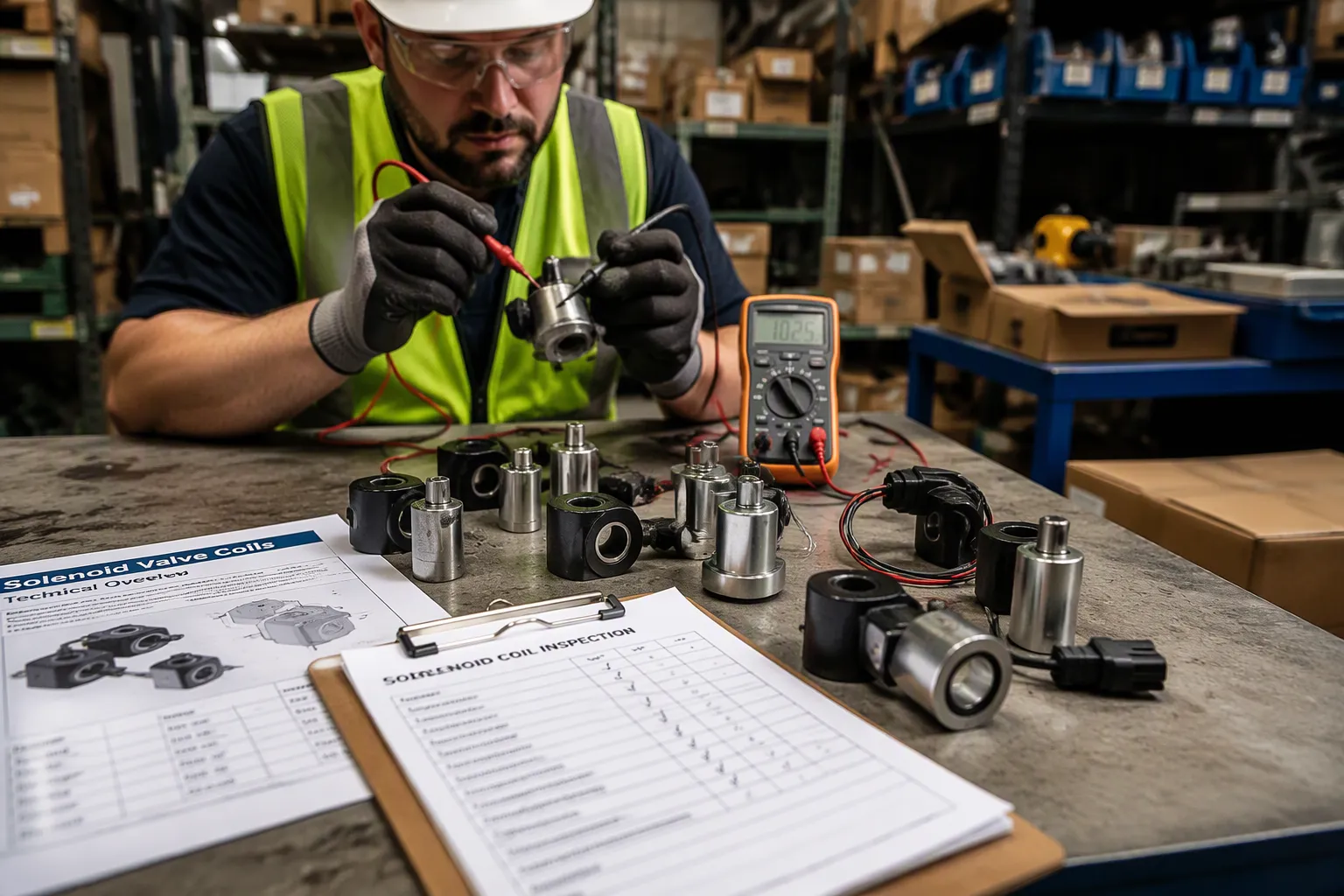
Evaluating Manufacturers vs. Distributors
When you buy wholesale excavator parts solenoid valve coil fu yuan stock, you pick between two ways. A valve manufacturer makes the products on their own. A distributor keeps items from many brands in stock. Each choice affects your hydraulic system in a different way.
A valve manufacturer lets you see the original specs for all hydraulic components. You get technical datasheets that match the exact production run. You check the pressure rating and flow capacity for your own use. Many valve manufacturers also sell complete repair kits. These kits have seals, springs, and armatures. You rebuild a solenoid directional valve instead of swapping the whole assembly. This lowers your long-term costs for the hydraulic directional valve system. A valve manufacturer confirms the duty cycle and voltage rating for each batch. This matters for your wholesale excavator parts solenoid valve coil fu yuan order.
A distributor gives you convenience. They stock products from many sources. This helps you find replacement parts fast when a machine stops. But a distributor rarely checks the production specs of every batch. You might get a solenoid that looks right but has the wrong resistance. Always ask for the original manufacturer datasheets. If the distributor cannot give them, the risk goes up. Both ways work when you check the product before you pay.
Navigating MOQs and Lead Times
Lead times change by component category for your hydraulic system. Plan around these typical windows.
Component Category | Typical Lead Time |
|---|---|
Common parts | 1 to 3 days |
Specialized components | 5 to 15 days |
Coils ordered on demand | 5 to 30 days |
OEM compressors and coils | 30 to 90 days |
A hydraulic valve supplier who keeps inventory cuts these times. Ask about current stock levels before a bulk order. If they need to make it, the lead time jumps to weeks.
You have several ways to cut holding costs without running out of stock. Replace large bulk orders with just-in-time deliveries. Get shipments daily, every other day, or weekly. This cuts capital tied up in storage. Use Vendor Managed Inventory where your supplier holds stock near your plant. Consignment stock lets you pay only when you use the material. Switch to fixed order quantities. Set up lead-time agreements with written commitments. Qualify a second valve manufacturer for critical coils. Set minimum stock levels for long-lead items. These approaches lower inventory costs and keep your hydraulic system running.
Quality assurance protects your bulk investment. Ask for test reports for every batch. Check the resistance, insulation class, and voltage rating. Ask for third-party certification documents. Check UL, CE, or ISO 9001 marks through the issuing body. A coil that passes these checks works reliably in your hydraulic directional valve assembly. Keep one sample for your own bench test before you accept a full shipment. This step stops you from installing hundreds of bad coils. A solenoid directional valve failure means costly downtime. Testing before installation avoids that risk.
For a directional control valve, the coil must match the system requirements exactly. Check the hydraulic solenoid valve rating against your machine power supply. A mismatch causes weak force or burnout. The directional valve must handle the hydraulic pressure in your system. Clean hydraulic fluid keeps the valve working longer. Confirm all details before you finalize the order.
Balancing Cost vs. Quality in Hydraulic Directional Valve Selection
Strategies for Bulk Discounts
You want to pay less per item when you buy a lot. Start by asking your supplier about price breaks for different order sizes. Most manufacturers have lower prices at certain amounts. Ask for the price list at each level before you decide. This way you know what to aim for in your valve choice.
Make a long-term deal instead of a single purchase. Promise to buy a certain amount each year in writing. In return, ask for a set price or a bigger discount. This works well for a valve you use often. You can also combine orders for different parts in one shipment. This lowers shipping costs and might get you a better price per valve.
Never give up quality for a lower price. A cheap coil that breaks early costs more than a good one. Ask your supplier to use the same materials and tests for the discounted batch. Get this in writing. A fair discount keeps your system working and your budget safe.
The Hidden Costs of Cheap Coils
A low price hides real costs. When a cheap coil fails, your machine stops. According to FleetRabbit, a mid-size excavator (20-40 ton) loses between $5,000 and $15,000 per day in lost work. Motendo says one day of downtime costs $250–500 in lost revenue. These numbers do not include repairs or labor.
You also pay for the work to replace it. A failed coil means you drain hydraulic fluid, remove the valve, and put in a new coil. Each repair takes hours. A cheap coil can also hurt the valve body. Metal pieces from a burned coil get into the fluid. That debris moves through the system and damages pumps and cylinders. The repair bill then covers much more than one coil.
Some buyers pick low-cost options to save money now. This choice hurts reliability and performance. A good valve lasts millions of cycles. A cheap one can fail in weeks. When you choose a valve, think about total cost over time. Pick a coil that matches your use and voltage. Your excavator stays running, and your long-term costs stay low.
Use this checklist for every wholesale excavator solenoid valve coil order. Check part numbers against cross-reference data from the maker. Look at duty cycle, voltage, and resistance. Ask for test reports and compliance documents. Review the supplier’s factory quality system. Ask for a pre-shipment inspection rule with random checks. Get a full plan for payment if shipments are wrong. Confirm the coil fits your hydraulic directional valve.
The cheapest coil often costs more. A failed solenoid stops your excavator. Losing work and repairs cost far more than the part. Build a trusted supply chain with these steps. YNF Machinery meets them all. Their hydraulic valve coils keep your system working. Trust their knowledge for every hydraulic order.
FAQ
What causes a solenoid coil to fail?
Most failures come from water getting in or too much voltage. Test the resistance with a multimeter. An open circuit reads as infinite ohms. Mechanical trouble like a stuck spool also stops the valve.
How do I check coil compatibility?
Match the voltage, resistance, and coil ID to your valve datasheet. A 24V coil on a 12V system gives weak force. Also check the insulation class for your hydraulic system’s temperature.
What does duty cycle mean for a coil?
Duty cycle tells you how long the coil can stay on. Continuous duty runs all the time. Intermittent duty needs rest periods. Pick the right type for your directional valve use.
How do I spot a counterfeit solenoid coil?
Check the markings against real datasheets. Measure the resistance. Verify UL or CE certification. A bad coil can damage your hydraulic valve and contaminate the hydraulic fluid.
When should I replace the whole assembly instead of just the coil?
Replace the directional valve when the spool sticks. Swapping the coil fixes electrical problems. Look for wear on the valve body. Use a repair kit to rebuild and save money on your hydraulic system.