
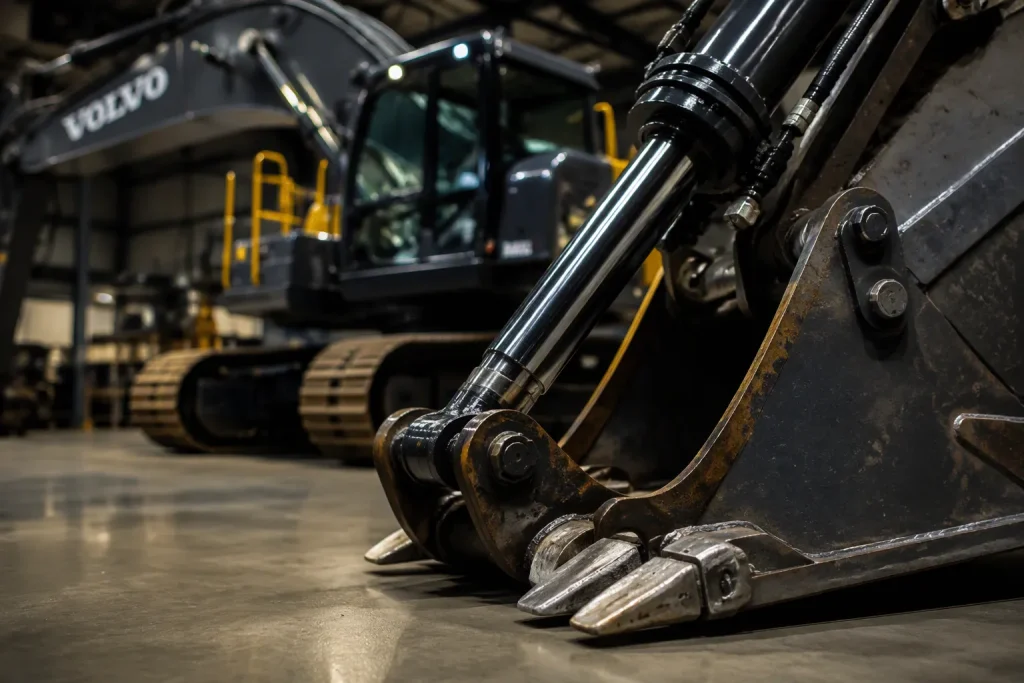
Your choice between new and used Volvo excavator parts for sale depends on three things: your budget, your urgency, and how critical the part is to your machine. A part that keeps your excavator running daily may justify a new replacement. A non-critical component might work well as a quality used option.
Both paths have trade-offs. Cost, reliability, warranty, and availability differ between new and used components. You should weigh these factors against your own priorities before you buy. Consider how soon you need the part and how long you expect it to last. Think about your risk tolerance for used equipment. These questions will guide your decision.
Key Takeaways
Your budget, how soon you need it, and how important the part is help you decide between new and used Volvo excavator parts.
New condition does not automatically establish warranty, compatibility or expected service life. Verify the actual offer.
For a used item, verify condition, history, application and actual availability before comparing costs.
Always check the part numbers and look at used parts for damage before you buy.
Buying used parts helps the planet by cutting waste and lowering the need to make new parts.
Cost: New vs. Used Parts
Upfront Price Gap
Compare actual quotations for the same applicable part reference and specifications. New, used and remanufactured offers can differ in condition, documentation and included support. The label alone does not establish which offer costs more.
A used component may have a lower quoted purchase price, but scarcity, condition, inspection and shipping can change the comparison. Confirm the actual item and total delivered cost.
A new aftermarket replacement is another option. Terms such as OEM-quality or OEM-backed require clarification; they do not establish identical manufacture, authorization or performance. Request the actual maker, specifications and application evidence.
Keep your comparison qualitative. Prices change with market conditions, part scarcity, and supplier inventory. Focus on the relative gap between options rather than fixed numbers.
Long-Term Value
Upfront savings do not tell the whole story. You must weigh the expected lifespan of each option against its purchase price.
A new component has not been used in service, but storage, manufacturing quality and correct application still matter. Inspect the supplied item and verify the applicable reference. Do not assume predictable life or freedom from defects simply because it is new.
Used parts vary in condition. A quality component from a well-inspected salvage machine may serve you well for years. A poorly stored or high-hour part may fail sooner than you hope. The long-term value depends on the specific part and its history.
For rebuilt or remanufactured components, ask what work was performed, which items were renewed and what tests support the stated specification. Processes and warranty terms vary. Neither a rebuild label nor a lower price proves equivalent performance or life.
Compare purchase, inspection, installation, shipping and possible downtime costs. Assess the evidence available for each option rather than assuming new, used or aftermarket always occupies a fixed price or reliability tier.
Assess the consequence of failure for the actual application. Undercarriage and bucket components also affect operation and safety, so they should not be treated as automatically suitable for used replacement. Obtain qualified condition and application checks.
Keep each offer’s condition, inspection evidence and quoted terms together for a fair comparison.
Reliability and Warranty
New Parts Coverage
Verify the new item’s maker, service reference, specifications, storage condition and machine applicability. A listing for a model family does not guarantee suitability for every serial range or installed configuration.
Ask whether the new item has a warranty and obtain its actual terms in writing. Confirm duration, covered defects, exclusions, required installation records and the responsible claim contact. New condition alone does not establish manufacturer coverage.
Used Parts Condition
Quality used parts dealers check their inventory before listing items for sale. Many offer a warranty or satisfaction guarantee on the parts they sell. You should always ask for a condition report before you buy. This document describes the part’s current state, including wear, leaks, or prior damage.
Condition varies a lot across the used equipment market. A part from a low-hour machine may work like new. A high-hour part may have internal wear that hurts performance. You cannot assume all used parts are equally reliable. Ask your parts supplier about inspection steps and return policies.
A used-machine inspection or certification program should not be assumed to apply to a separately sold component. Request documentation and written terms specifically identifying the offered part.
Ask for item-specific identification, photographs, condition information and appropriate test records. Have uncertain findings assessed by qualified personnel before purchasing or installing.
Availability and Lead Time
Ordering New Parts
New Volvo excavator parts for sale often need to be specially ordered. Your nearby authorized dealer might not have every part in stock. The dealer orders from the manufacturer and waits for it to arrive. This can take days or even weeks, based on the part and where you live.
You should plan ahead when you need a new part. Ask your parts supplier about current wait times before you buy. Find out if the item ships from a nearby warehouse or the factory. A nearby warehouse may make your wait shorter. A factory order may make it longer. For emergency repairs, this wait can stop your work. You may need to rent a machine or change your schedule while you wait.
Sourcing Used Excavator Parts
Used-part availability depends on the exact reference, condition and seller’s stock. Confirm that the item is physically available and suitable for your application rather than relying on a general salvage inventory description.
Ask for actual dispatch and delivery estimates for both new and used offers. A used item is not automatically ready to ship, and an in-stock listing may still require inspection, packing or allocation.
Record the confirmed stock status, item reference, condition and written return terms. Resolve discrepancies before paying.
Performance and Compatibility
New Parts Performance
A new part must still match the required application, dimensions, ratings and configuration. Follow the applicable service instructions for installation, programming or commissioning. New condition does not make an incompatible part suitable.
Confirm any installation requirements, associated replacement items and adjustments before starting the repair. Do not assume every new unit bolts on without additional work. Qualified installation and verification remain necessary.
Used Parts Wear Effects
A used excavator part may have wear that hurts how well it works. Inside gaps get bigger over time. Seals get hard and cannot hold pressure as well. Bearings get loose. These changes lower performance and can raise fuel use or slow cycle times. You must match any used part to your machine’s model and serial number. A part from a different model may bolt on but work poorly.
Request condition information and appropriate inspection or test evidence for used engine, hydraulic and undercarriage items. An oil analysis result may support an assessment, but cannot establish all internal wear or remaining life by itself. Have qualified personnel determine what checks are needed. Distinguish a used unit from one rebuilt or remanufactured under a documented process.
Environmental and Ethical Considerations
Reducing Waste
When you buy a used excavator part, you keep a working component out of the scrap pile. Every hydraulic cylinder, final drive, or bucket that gets a second home is one less item melted down or buried. That choice cuts down the amount of material salvage yards must handle as waste. You make a part that still has work left last longer.
Reusing a suitable component can extend its useful service. Transport, inspection, refurbishment and subsequent performance also affect the environmental outcome. Avoid assuming a specific emissions reduction without an applicable assessment.
Sustainable Sourcing
Reuse may offer value, but compare actual costs and condition. Environmental preference should not override suitability, safety or service requirements.
Check every component before you commit. Look for cracks, leaks, and too much wear. Match the part number to your machine’s model and serial number. Ask your parts supplier for photos and a condition report. A cheap part that fails early helps no one, and it may create a new waste problem.
The same logic works across the used machinery market. Dealers who handle used machines and low-hour premium used machinery often carry individual components with documented histories. Those records help you judge whether a part is safe to install. A responsible supplier will share them without pressure.
Consider reuse only when the component’s condition and application have been adequately established. Retain the supporting records with the purchase.
Buying a Used Excavator Part: Decision Guide
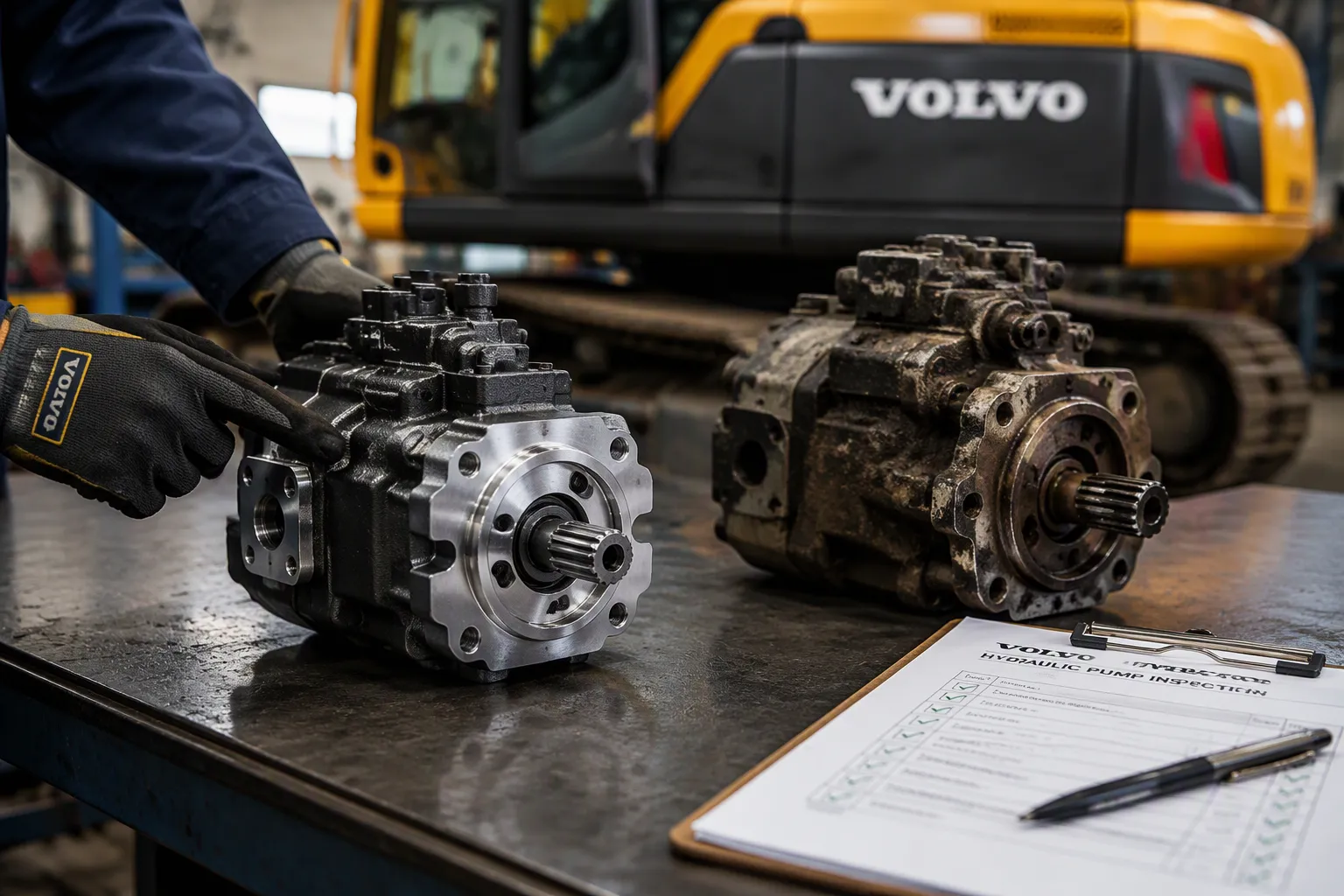
When to Choose New
New parts make sense for important parts that keep your machine working. A main hydraulic pump, final drive, or engine control unit is in this group. If these systems fail, your work stops completely. You need a part with a known history and full manufacturer support.
For a machine expected to remain in service, compare documented specifications, condition, support and installation costs over the planned ownership period. New condition alone does not establish a predictable service life.
If warranty protection matters, compare the written terms for each actual offer. Confirm what is covered, who handles a claim and which installation or maintenance records are required.
Where a component has demanding tolerances or critical consequences of failure, obtain qualified advice on the required specification and acceptable condition. Verify evidence rather than relying only on a new label.
When to Choose Used
Budget limits often make used parts the practical choice. A quality used part from a salvage yard or independent dealer costs far less than a new one. You save money on the first purchase. That savings helps when you need multiple parts at once.
Evaluate used parts individually. Track rollers, bucket teeth and cab items can affect operation or safety and should not be classified as harmless by default. Confirm wear, structural condition, application and relevant service criteria before choosing a used replacement.
If timing is critical, compare confirmed stock and shipment estimates. Either a new or used offer may arrive sooner depending on the actual item and route.
Reuse can extend the service of a suitable component. Consider inspection, refurbishment, transport and expected performance when assessing the overall benefit.
Verify Before You Buy
Compatibility checks protect you from costly mistakes. Match the part number to your machine’s model and serial number. A part from a different model may bolt on but perform poorly. Ask your parts supplier for fitment confirmation before you commit.
Ask for a documented condition report and any appropriate inspection or test results. For remanufactured units, request the actual scope of work and applicable specification. The label alone does not establish renewed internal parts or like-new performance.
Compare an assessed repair or rebuild with an appropriately specified replacement assembly. Establish the work required, test evidence, installation needs and written terms for each option rather than assuming a fixed cost or performance relationship.
Retain the assessment, quotation and confirmed service reference before approving the purchase.
There is no one right answer for everyone. The best pick depends on the exact part, your budget, and how much your daily work relies on that component. A main hydraulic pump may be worth buying new or rebuilt. A bucket tooth may be just fine as a good used item.
Think about the pros and cons before you decide. Compare the upfront price with how long the part should last. Check the warranty and whether it is in stock. If you are not sure, ask a trusted parts expert. They can help you confirm the fit and check the condition.
Choose the offer that meets the verified application and acceptable condition with terms you understand.
FAQ
Can I put a used part from a different Volvo model on my excavator?
Parts may be shared between models, but a different-model origin is not proof of compatibility or incompatibility. Verify the applicable service reference, configuration, relevant specifications and documented cross-reference before purchase.
How do I tell a used part from a remanufactured one?
Used describes prior service; rebuilt or remanufactured describes work claimed to have been performed. Ask for the documented process, renewed items and test results for the actual unit. Do not assume uniform practices from the label alone.
What should I check before buying a used hydraulic part?
Look for leaks, cracks, and too much wear. Ask for an oil analysis report when you can get one. Confirm the part number matches your machine. A condition report and photos from the seller help you judge the part’s state.
Do used parts come with a warranty?
Some do. Quality used parts dealers inspect inventory and may offer a warranty or satisfaction guarantee. Coverage varies by supplier. Always ask about the return policy and condition report before you commit.
Which parts are safe to buy used?
Suitability depends on the individual part, condition, application and consequence of failure. Obtain qualified assessment where needed. Do not treat bucket teeth, track rollers or cab components as automatically safe used purchases.
For Volvo excavator parts sourcing, consider YNF Machinery. Provide full machine and component identification, applicable part numbers and quantities, and request supported compatibility information, an actual quotation and written warranty and return terms before ordering.



