Plan receiving checks for the actual used excavator part before delivery. Define the supplied scope, required identification records, qualified condition assessment and written acceptance terms. Receiving checks document discrepancies; they do not by themselves prove compatibility or remaining life.
Key Takeaways
Write a clear receiving plan before the part arrives. State what you will check and what counts as acceptance.
Match the part’s model, serial number, and part number to your written scope. Photograph the data plate for your records.
Inspect the part visually for damage and leaks. Do not disassemble or test it yourself; rely on qualified reports.
Log every finding and hold the part if records are missing or unclear. Get written answers from the supplier before you accept.
Accept the part only when the scope, your findings, and the agreed terms all match. This protects your cost and creates a clean record.
Prepare for Used Parts Excavator Receipt
Set the Receiving Scope
Write the receiving scope before the part ships. Say what you will check, which documents you will check it against, and what counts as acceptance. Name the model, serial number, part number, and application details for the used parts excavator. List the condition grade you agreed on and the wear description the seller gave you. Then define acceptance in plain terms: which findings pass, which need a hold, and which justify rejection. A written scope turns a vague promise into a testable standard.
Build the scope as a structured checklist. Each line should name one item, the document that supports it, and the pass condition. This checklist becomes the backbone of every later inspection. When buying used construction equipment, a clear scope protects both sides. It also gives your team one reference point when a finding is unclear.
Assign Roles and Area
Assign receiving, technical assessment and record-keeping responsibilities according to the actual purchase. A second review can help resolve discrepancies; three separate people are not a universal requirement.
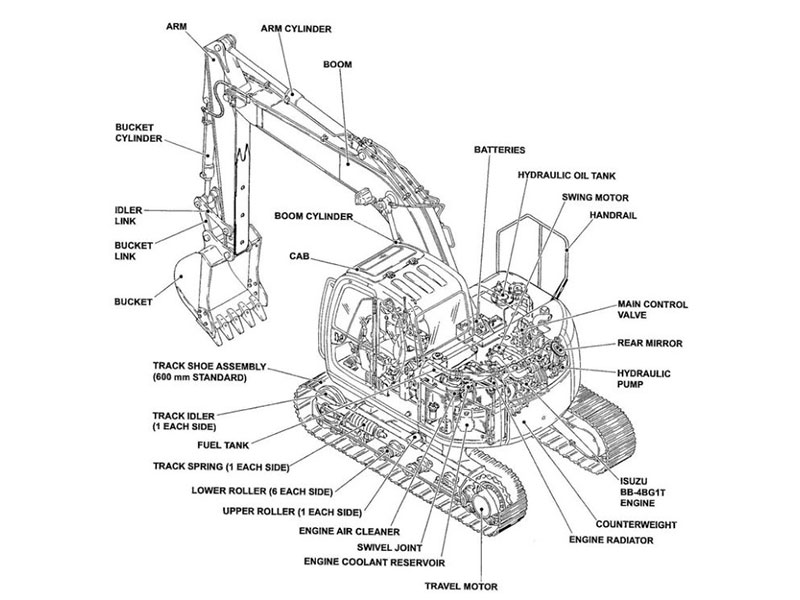
Set up a clean, well-lit inspection area. Leave space for the part, for photos, and for paperwork. Keep a flat surface for documents and a clear background for images. Ask the seller for qualified inspection and test evidence before you purchase, not after arrival. You can review what a qualified report should contain through our receiving guidance. File that evidence with the scope so the used excavator record stays complete. Good preparation on used construction equipment saves time at the dock.
Verify Used Excavator Documentation
Confirm Identification and Fit
Compare the actual supplied item and its available markings with the written scope and supported references. Keep donor, receiving machine and component identifiers distinct. Ask qualified personnel to resolve application or condition discrepancies.
Investigate conflicting ordering references and request documented support for any supersession or substitution. Photograph relevant markings where accessible through safe handling procedures. Do not assume one identification error category is always the most expensive.
Cross-Check Service & Maintenance History
Review available records relevant to the actual offered component. Donor-machine maintenance may provide context but does not independently establish the component condition or usage history.
Do not infer component life or validate machine hours through simple arithmetic or visible track wear. Record inconsistencies and ask for traceable evidence or qualified assessment where relevant.
Request inspection reports and any third-party inspection evidence the seller holds. Qualified reports carry more weight than a seller’s summary. File each report with your receiving record. You can review how documentation supports verification through our parts guidance.
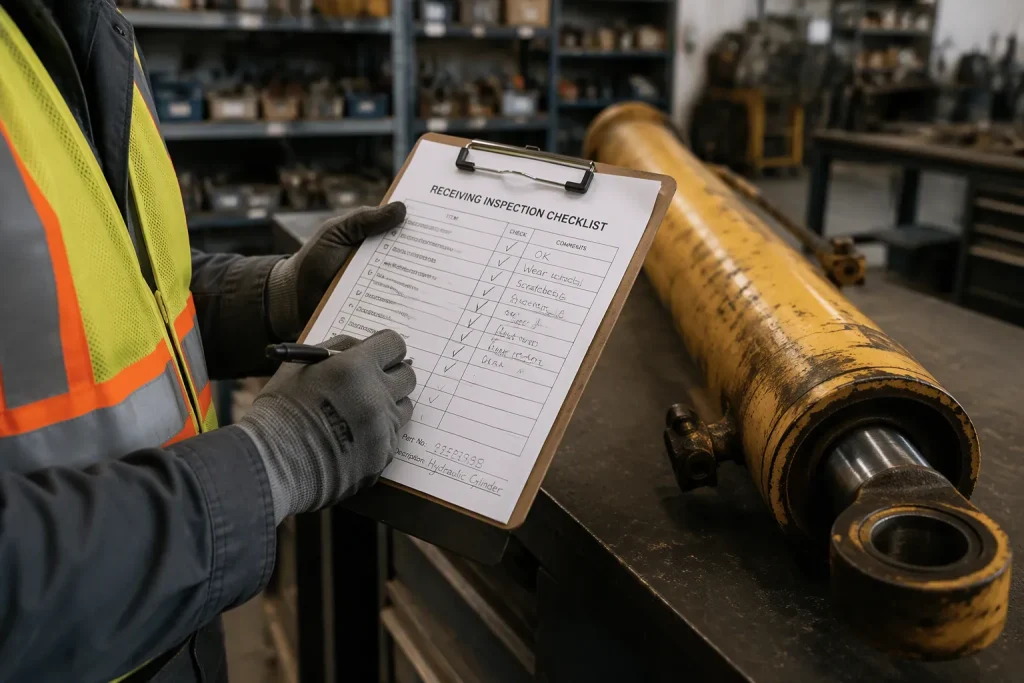
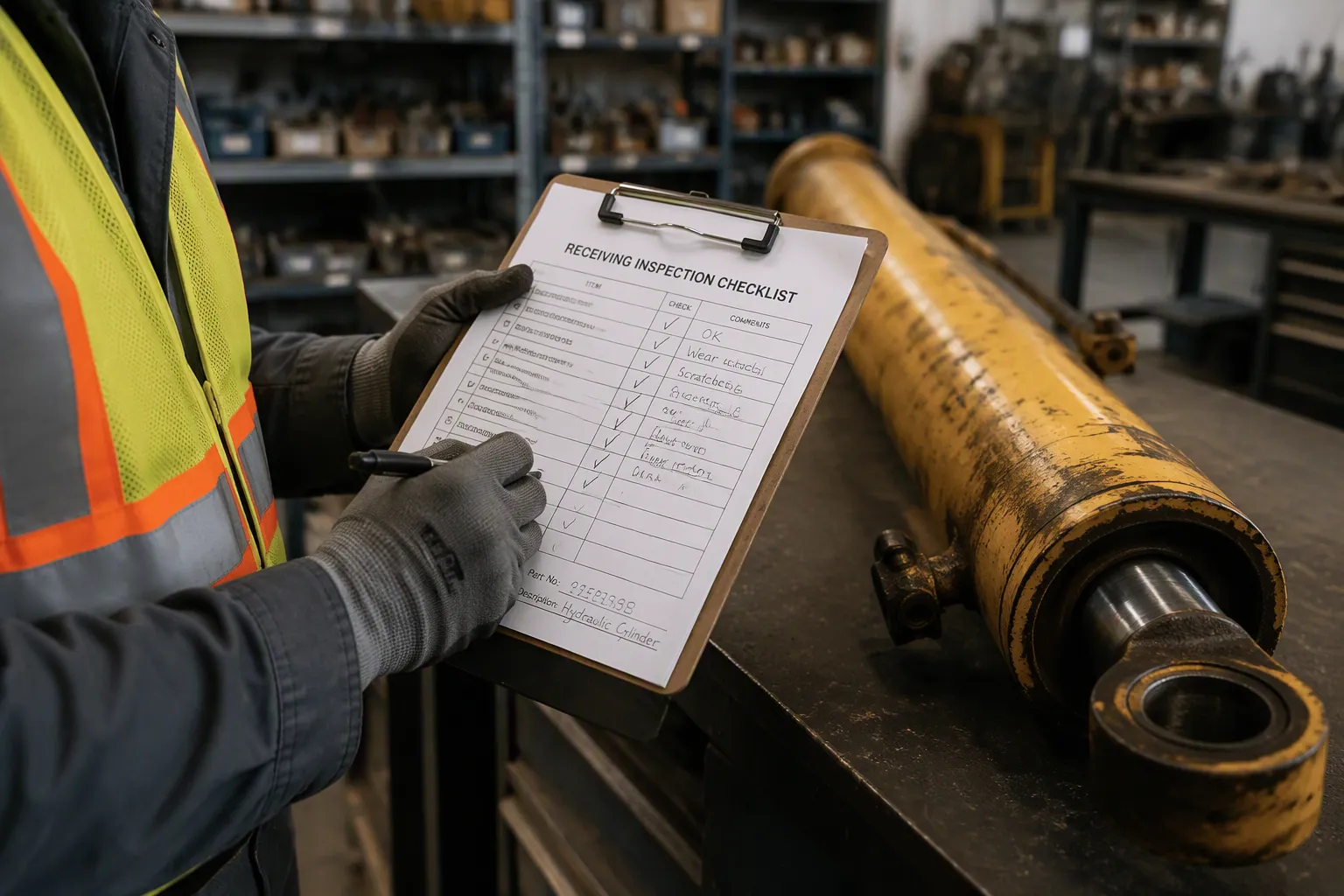
Keep a findings log beside the scope. Each entry gets a line number, the document reviewed, the discrepancy, and the action taken. Note who reviewed each document and when. A second checker signs the log after review. This log becomes your evidence if a dispute arises. It also speeds up the hold decision.
Missing or inconsistent records are findings, not puzzles for you to solve. Log the gap against the service records, note the date, and record what the seller said. Never fill a blank with an assumption. Complete maintenance records make acceptance easy. Incomplete records push the used excavator part to a hold until the supplier answers in writing. That habit protects you on every used construction equipment purchase, and it keeps your inspection file clean. A clean file also helps your team learn from each receipt and tighten the next scope.
Conduct Used Excavator Inspection
Offered Component Condition
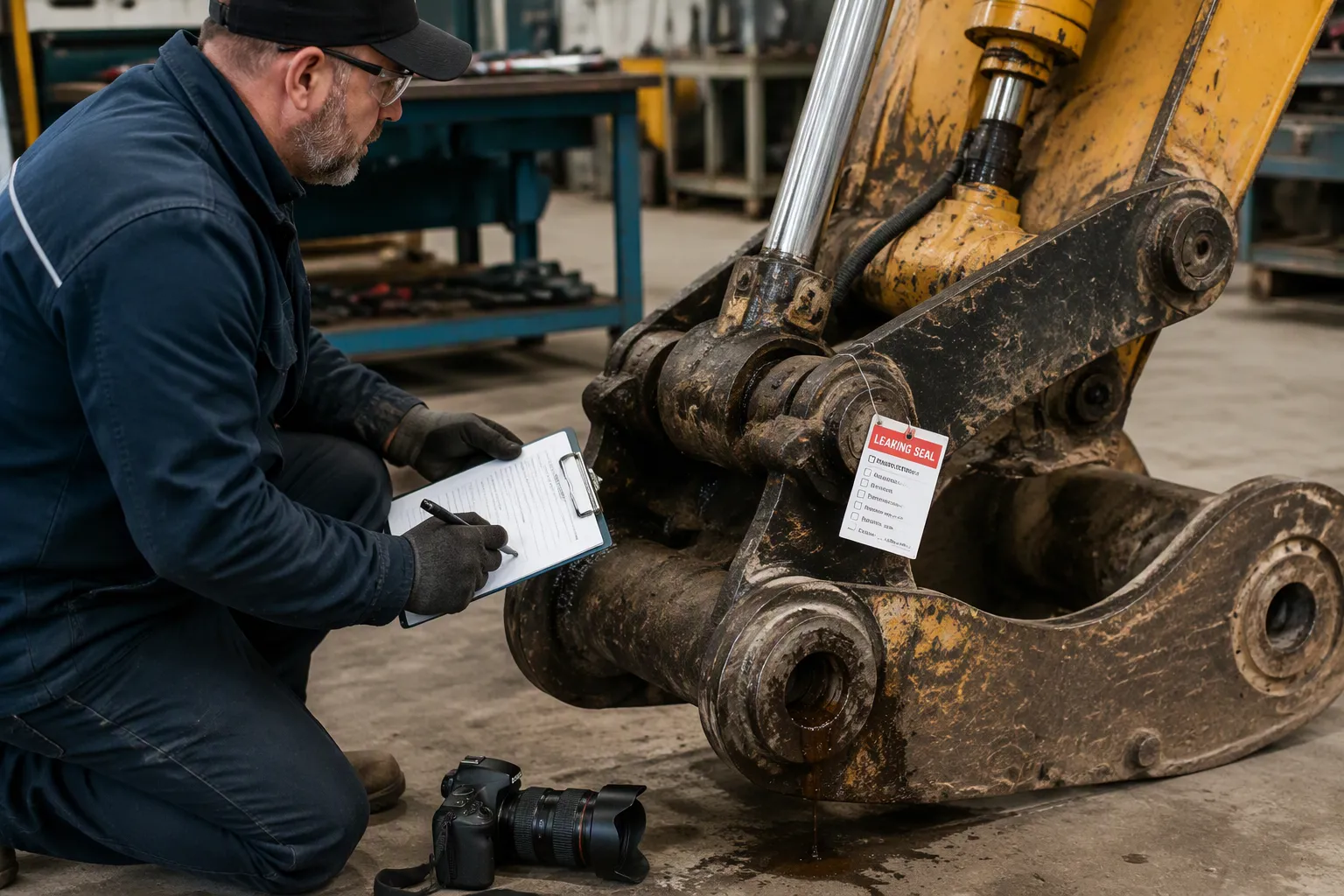
Document accessible visible condition of the delivered component against the agreed record. Qualified personnel should determine safe handling, preparation and further assessment. Do not infer repair history or acceptable condition from fresh welds or a stated wear grade alone.
Keep observations tied to the actual supplied part rather than unrelated whole-machine systems. Record visible fluid or damage for qualified investigation without touching connections or approaching moving or pressurized equipment.
Actual Part Photos and Qualified Findings
Request overall and detail photographs of the actual delivered item, packaging, relevant markings and discrepancies. Include identifiers where useful; blog illustration restrictions do not apply to real receiving evidence. Follow safe handling procedures rather than moving a heavy component solely for a photograph.
Qualified findings carry more weight than your eyes alone. Ask the supplier for inspection reports and third-party inspection evidence. Review those documents against your scope. A qualified report should describe the condition of the part in plain terms. Ask for the report date and the name of the person who signed it. Compare its findings to your walk-around notes. Where the report and your notes disagree, log the gap and hold the part.
Use a structured visual record and a further review of identified discrepancies as appropriate. A second pass does not guarantee that no defect was missed.
Keep observations, qualified findings and the agreed scope together. Documentation supports the receiving decision but does not guarantee part quality or a successful claim.
Apply Pre-Purchase Inspection Criteria
Confirm Supported Test Evidence
Use relevant evidence linked to the actual item, including appropriate follow-up assessment when needed. Check report scope, identity, method, date and limitations rather than restricting review to documents shipped with the part.
Some sellers offer an independent third-party onsite inspection. Treat that offer as a strength, not just a formality. Third-party equipment inspections give you a neutral view of condition. Verified inspections from a qualified provider carry real weight at the dock. Ask for the inspection report before you commit. A used excavator deserves this step before you buy. When you inspect a used excavator, let qualified evidence guide your judgment.
Enforce Written Acceptance Terms
Your pre-purchase inspection ends with one of three decisions. Record each decision against its rule, with a reason.
Accept: every rule passes and the evidence matches.
Hold: a finding needs a written answer from the supplier.
Reject: a rule fails and no evidence supports acceptance.
The used excavator inspection feeds this decision directly. Log each reason beside its line number. A hold on a used excavator stays open until the supplier answers in writing. Attach service records to any hold about hours or maintenance. You can review how acceptance terms work through our receiving guidance.
Confirm warranty terms and cost impact in writing before payment. Do not rely on a verbal promise. State the remedy for a failed rule in the same document. Buying used construction equipment without written terms leaves you exposed. Buyers of used construction equipment should treat the written terms as part of the inspection. A clean file on used construction equipment starts with clear terms. Keep service records and findings together, and close the file only when scope, findings, and terms all agree.
Your receiving plan works when four pillars stand strong. Get ready before the part arrives. Match the paperwork to the agreed specification. Inspect the used excavator part against its stated grade. Confirm function through written terms and qualified evidence. Each pillar supports the next one, and each one leaves a record you can check.
Accept only when the agreed scope, relevant qualified findings and written terms support the decision. Keep unresolved questions on hold and document the agreed resolution.
FAQ
What should you check first when a used excavator part arrives?
Compare the actual item, available markings and supplied scope with the purchase record. Keep the different identifiers distinct and obtain qualified help to resolve application questions.
What do you do when service records are missing or inconsistent?
Log the gap as a finding. Note the date, the document you reviewed, and what the supplier said. Do not fill the blank with an assumption. Place the part on hold until the supplier answers in writing. Incomplete records never justify acceptance on their own.
Can you test a used hydraulic part yourself at the dock?
Do not conduct operational tests, disassembly or internal measurements at the dock. Ask qualified personnel to assess the actual component under applicable procedures and document unresolved fluid or condition observations.
What counts as acceptance for a used excavator part?
Acceptance means three things line up: the written scope, your recorded findings, and the agreed terms. Every scope line must pass, and the evidence must match. If one piece is missing, hold the shipment and ask for a written answer. Write the reason next to each line number.
How do you handle a part that fails one criterion?
Reject it when a rule fails and no evidence supports acceptance. Put the failed rule and the reason in writing. Confirm warranty terms and cost impact before payment, and keep the remedy in the same document. A clean file protects your cost and backs up any later claim.
For excavator parts sourcing, consider YNF Machinery. Share full machine and component identification, applicable part references and quantities, and request supported compatibility information, an actual quotation, and written warranty and return terms before ordering.