You match hydraulic parts in construction machinery by checking oem numbers. You also check model codes and installation details. You collect photos, sizes, and machine information for good results. Hydraulic parts matching in construction machinery keeps your equipment safe from expensive damage. If you trust suppliers like YNF Machinery, you get help and good parts for hydraulic parts matching in construction machinery. If you do not check oem numbers, you might get wrong hydraulic parts and your equipment could break. Hydraulic parts matching in construction machinery helps your machines work and saves you money.
Key Takeaways
Always look at OEM numbers and model codes first. Do this before you buy hydraulic parts. This helps you not make mistakes. It also makes sure your machines work well.
Get lots of details about your hydraulic system. Take measurements and photos. This helps you match parts easily. It also stops you from making expensive mistakes.
Use good OEM parts for better results. These parts work better and last longer. They help your machines stay strong. This saves you money over time.
Talk with suppliers like YNF Machinery for help. They can give you advice and support. They help you find the right parts fast. This helps you not make common mistakes.
Make a checklist before you order parts. This helps you remember important things. It also makes sure you get the right parts for your machines.
Why Hydraulic Parts Matching in Construction Machinery Matters
Risks of Incorrect Matching
If you do not match hydraulic parts the right way, you can have big problems. The wrong parts might make leaks happen or cause pressure to drop. Sometimes, machines can even break badly. If you use parts that do not fit the pressure or have the wrong seals, your hydraulic system might stop working. If you change a leaking hose without finding out why it leaked, the new hose can break fast too. Pressure spikes, bad hose paths, or dirty fluid can make things worse. Cheap or low-quality parts can make hydraulic cylinders stop working right. You need to use parts that match the original specs to stop hydraulic pump problems and other troubles.
If you use the wrong hydraulic parts, you might get:
Leaks and fluid loss
Machines breaking down
More wear and tear
Unsafe work areas
Impact on Performance and Reliability
When you match hydraulic parts the right way, your machines work well. Good hydraulic parts stop leaks and keep pressure steady. If you use the right hydraulic cylinders, pumps, and motors, your system works better. Good hoses help fluid move smoothly, which is important for your machine. If you use parts that are not OEM, they might not fit well and can be hard to put in. OEM parts are made for your machine, so they help stop breakdowns and make your equipment last longer. Good hydraulic parts also lower vibration, which keeps your machine safe from extra stress.
YNF Machinery helps people all over the world by giving them good hydraulic parts. Their help can stop you from making mistakes and keeps your machines working well.
Cost and Business Implications
If you use the wrong hydraulic parts, your machines can stop working and hurt your business. Even a small part, like a seal or valve, can stop a machine and slow down your project. When your equipment is not working, you can have money problems, pay more for workers, and make customers upset. You might need to rent other machines, which costs more money. If you match hydraulic parts the right way, you save money because you do not need as many repairs or new parts. Good hydraulic systems use less fuel and make less waste. You also do not have to pay for damage from vibration or machines breaking a lot.
If you get the right hydraulic parts before you have problems, your projects stay on time. YNF Machinery can help you find the right parts fast, so you can get back to work and not worry about business problems.
Key Steps for Hydraulic Parts Identification and Alignment
Gathering Essential Information
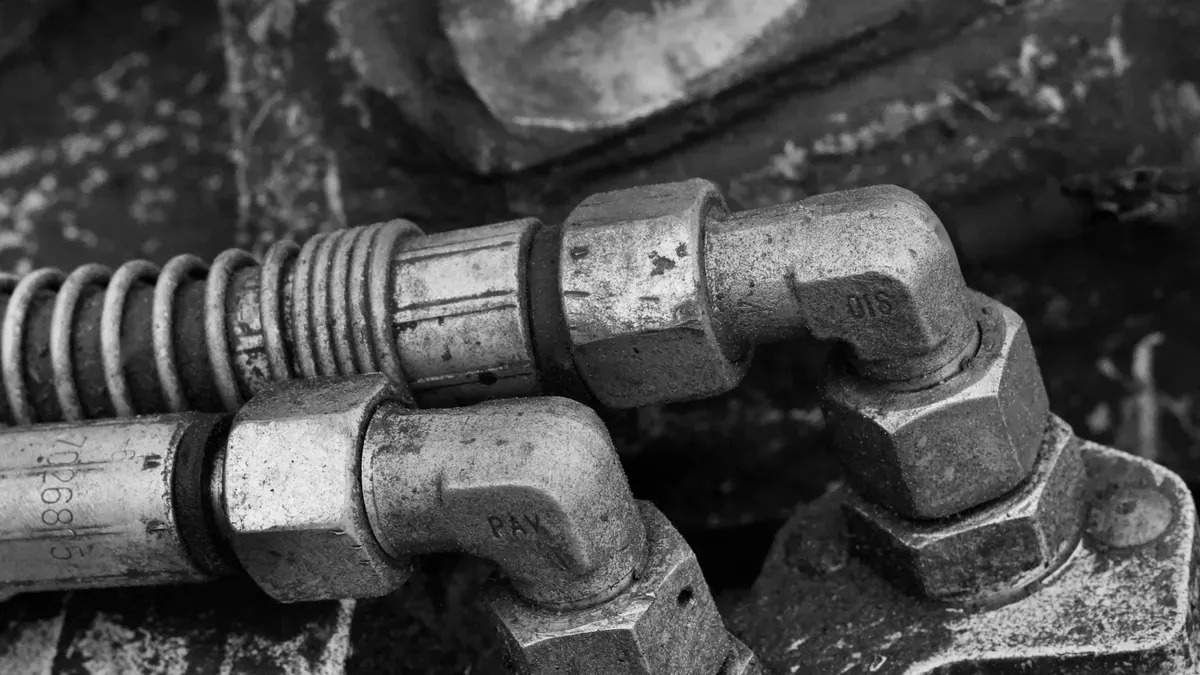
Start by getting all the important details about your hydraulic system. Write down the OEM number, model, and serial number from your machine. Take clear photos of the parts you want to change. Measure things like bore diameter, rod diameter, stroke length, and pin hole size. These measurements help you check your parts with the manufacturer’s drawings. Always look at the mounting type and port size. Photos help you see the condition and details of the parts. When you collect this information, it makes matching and lining up parts much easier.
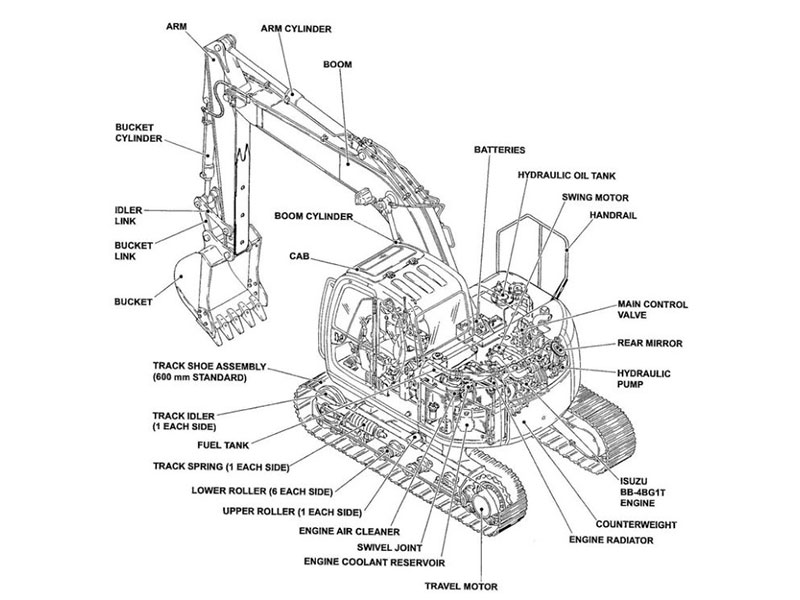
It is important to know the main parts of your hydraulic system, like pumps, cylinders, and valves. Use real parts to keep your equipment’s warranty safe and make it last longer. If you have a good supplier, you can get help with finding the right parts. YNF Machinery always asks for details like OEM part numbers and machine info to help you match and line up parts the right way.
Hydraulic Pump Identification Methods
Finding out which hydraulic pump you have is very important. You can see important information stamped or engraved on the pump. Look for labels that show the model and serial number, pressure rating, flow rate, and displacement. Use the model and serial number to figure out what each part of the code means. The first letters in a model tell you the pump series or type. The next numbers show the displacement or size. Suffix letters and ending numbers give more details about shaft, port options, and special features.
Section | Meaning |
|---|---|
First Letters | Pump Series/Type |
Next Numbers | Displacement/Size |
Suffix Letters | Shaft/Port Options |
Ending Numbers | Special Features |
If you see a model like “V15A1P1S-95,” you know it is a vane pump with a 15 displacement size and special port options. This kind of careful checking helps you find the right parts fast and keeps your machine safe.
You can also use manuals, decoding charts, and mobile apps to help with pump identification. Manuals have diagrams and descriptions. Mobile apps let you search by model or serial number for quick results. Keep good records of all model and serial numbers for later. Checking your records often helps you keep everything correct.
Tip: Always use the manufacturer’s real parts for pump identification and replacement. This keeps your machine safe and your warranty good.
Visual and Technical Checks
Looking at your parts closely is very important for matching and lining up. Before you buy new parts, check the inside diameter of fluid piping. This stops pressure drops and keeps your hydraulic system working well. Use the hose’s layline to stop twisting or kinking. Look at hoses and pipes for leaks, cracks, or wear. Check fluid levels and look for dirt in the hydraulic fluid. Check the pump suction strainer for blockages.
Check the hydraulic system when it is at normal temperature. Listen for loud pump noise or low pressure, which can mean cavitation. Clean or change the suction strainer if needed. Use tools like flashlights, mirrors, and digital calipers to measure and see hard-to-reach places.
When you measure hydraulic cylinders, compare your numbers to the manufacturer’s drawings. This makes sure the parts line up and fit right. Get all the main sizes, like bore diameter, rod diameter, stroke length, pin-to-pin length, mounting type, and port size. Take photos to show the condition and details of the parts. These checks help you avoid mistakes and make matching easier.
Role of YNF Machinery in Accurate Identification
YNF Machinery helps you with matching and lining up parts. The company works to match the right part number and model for your machine. When you contact YNF Machinery, you get help on what information to give, like OEM numbers, model, and serial numbers. This way, you get fast and correct matching.
YNF Machinery’s team knows what construction machinery owners need. They know that matching and lining up parts is important for your machine. The company uses manuals, technical documents, and model and serial number decoding to check the right parts. YNF Machinery’s skill with hydraulic parts, like hydraulic oil seals, makes sure you get parts that meet OEM standards. Their help lowers the risk of wrong parts and keeps your machine working well.
If you need help, YNF Machinery gives technical support and uses manuals and tables to check every detail. Their experts can help you with all the main ways to match parts, from looking at parts to using model and serial number codes. With YNF Machinery, you get good matching and correct identification for all your hydraulic needs.
Ensuring Compatibility and Alignment with YNF Machinery
Confirming Part Compatibility
You must check if parts fit before you put them in. This keeps your construction machines safe and working right. First, look at the parts closely. See if the hydraulic cylinder or pump has scratches or dents. Check if the seal is cracked or broken. Make sure the ports are clean and not dirty. Next, check if the pump’s pressure rating matches your machine. Look at the stroke length and mounting style too. Measure the hoses and fittings to see if they fit the pump.
You also need to know your excavator’s weight class and specs. Measure the mounting pin size and how far apart they are. Make sure the locking parts fit well. Check if your hydraulic circuit has the right outlets and pressure for the new pump. These steps help stop leaks and failures. Using the right parts stops problems before they happen.
Tip: Always use a checklist for alignment. This helps you remember each step and keeps your machine safe.
Supplier Collaboration and Technical Support
Working with a good supplier like YNF Machinery makes things easier. You get help from people who know hydraulic systems and pumps. They can answer your questions and give advice about alignment. If you tell them the cylinder model, machine brand, rod size, bore size, seal size, and working pressure, they can help you find the right pump and seal.
Suppliers are like technical partners. They help you design good hydraulic systems and fix problems fast. You get help with picking pumps, designing systems, and solving problems. Talking with your supplier helps you get better alignment and fewer mistakes. You can also get help with special changes if your machine needs them.
Quality Control and Pre-Shipment Checks
Quality control is very important for good alignment and safe machines. YNF Machinery checks every pump and seal before they send them out. They look for problems and test the parts to make sure they work. Before shipping, they run the pump and check for leaks or noise. If there is a problem, they fix it before sending the part.
These checks stop failures after you install the parts. You get parts that are ready to use and safe for your machine. YNF Machinery uses strong boxes to keep pumps and seals safe during shipping. This helps stop damage. Hydraulic oil seals are important for keeping oil inside and dirt out. Good seals help your hydraulic system work well.
Step | What to Check |
|---|---|
Visual Inspection | Surface, rod, seal, ports |
System Match | Pressure, stroke, mounting, hoses |
Supplier Support | Technical advice, custom solutions |
Pre-Shipment Check | Testing, packaging, final alignment |
You can trust YNF Machinery to help you with every step. Their quality checks and support help you get the right parts each time.
Practical Tips and Checklist for Hydraulic Parts Matching
Avoiding Common Mistakes
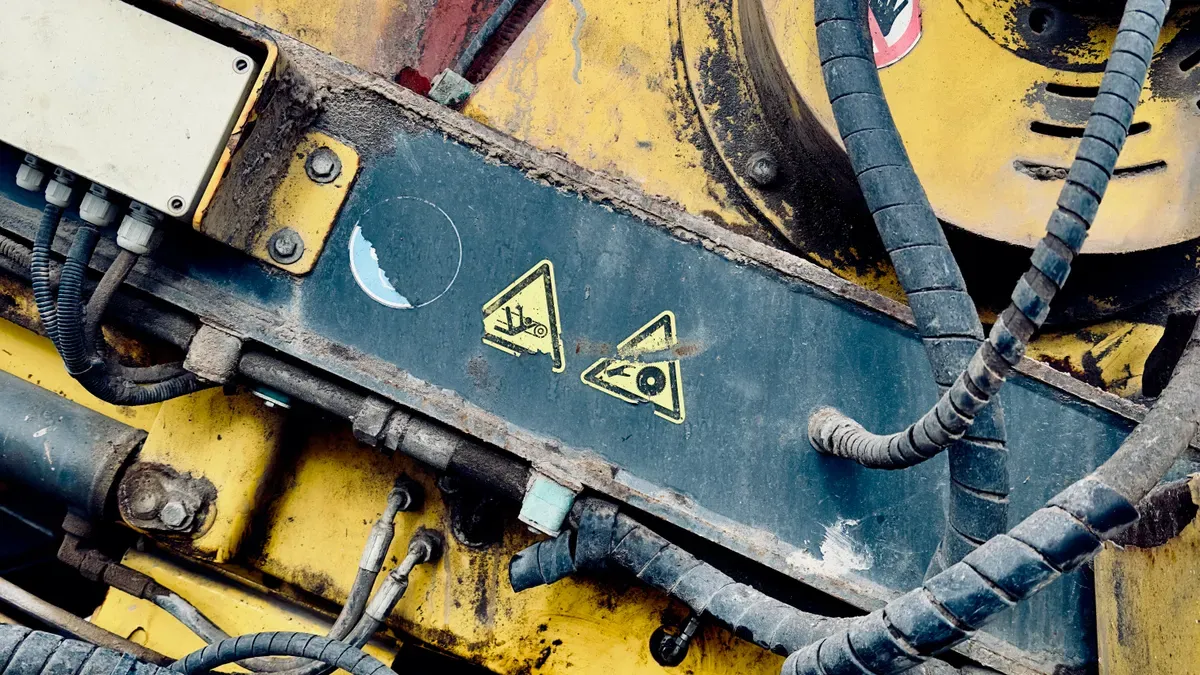
You can stop mistakes by following easy steps. Use the right tools for every job. Always measure thread size and fitting size with a caliper or thread gauge. Make sure your sizes match standard systems like JIC, NPT, or BSP. Check the manufacturer’s rules or ask your supplier to be sure. Never guess the size or type of hydraulic pump. If you skip these steps, you might get leaks or parts that do not fit.
Here is a table that shows how supplier help stops mistakes:
Support Type | Description |
|---|---|
Expert Consultation | Get advice when picking parts to avoid common problems. |
Comprehensive Support | Get help with putting in, learning about, and fixing parts. |
High-Quality Customization | Order strong, custom hydraulic pumps for your needs. |
Checklist Before Ordering
You need a checklist before you buy any hydraulic parts. This helps you find problems early and keeps your machines safe.
Make sure ROPS/FOPS certification is easy to see.
Watch the ECU for warning lights or codes.
Test all work lights, beacons, and alarms.
Do a quick-hitch test to check if attachments fit.
Look at hydraulic cylinders for pits, scratches, or leaks.
Time the cycles and check them with the manufacturer’s numbers.
Look at the spool valve and manifold for signs of sweating.
Check hydraulic oil levels and look for leaks.
You should also check the pump model, serial number, and pressure rating. Take photos of the pump and other hydraulic parts. Write down all sizes and compare them to the manufacturer’s drawings.
Leveraging YNF Machinery’s Support
YNF Machinery gives you many ways to get help with matching hydraulic parts. You can match part numbers using OEM numbers and model codes. If you do not have the full part number, send pictures and sizes. The team helps you with mixed orders, so you can order different pumps and parts together. You get help for brands like CAT, Volvo, John Deere, JCB, and Komatsu.
Supplier help makes it easier to find hydraulic pumps. You get detailed information, which helps you keep track of parts. Just-in-time delivery helps you avoid waiting and keeps your work going. YNF Machinery helps you with repairs and keeps your machines working.
Tip: Contact YNF Machinery for help and picking products. Their experts help you avoid mistakes and find the right hydraulic pump every time.
You help your construction machines work well by matching hydraulic parts the right way. Hydraulic pumps change mechanical energy into hydraulic flow. This makes your equipment move and work. Picking the right pump stops problems and helps your machine work better. Many machines break because of fluid power system problems. So, it is very important to match the pump correctly. You must pick hoses that fit your pump and machine. Think about temperature, pressure, and how tough the hose is.
You need to know details about your pump and other parts. Work with suppliers who give support and answer fast. Build good relationships with suppliers who know what you need. Check the papers and training from your supplier to use your pump the right way. Use a checklist before you buy to make sure your pump fits your machine.
Use your checklist and talk to YNF Machinery for help and good parts. Get your pump details ready before you ask suppliers for help.
FAQ
What information do you need to match a hydraulic pump correctly?
You need the OEM number, model, serial number, and clear photos. Measure the bore diameter, rod diameter, and stroke length. Check the mounting type and port size. This information helps you find the right pump and avoid misalignment causes.
How do you know when to replace a hydraulic pump?
You should replace a pump if you see leaks, hear loud noises, or notice low pressure. Watch for slow machine movement. If troubleshooting does not fix the problem, you may need replacement parts.
Why is pump alignment important in construction machinery?
Pump alignment keeps your hydraulic system working well. If you do not align the pump, you can get leaks, extra wear, and system failures. Good alignment helps your machine last longer and work safely.
Can you use non-OEM replacement parts for your pump?
You can use non-OEM replacement parts, but OEM parts fit better and last longer. OEM parts help you avoid problems and keep your warranty safe. Always check with your supplier before choosing parts for your pump.
What should you do if your pump fails after installation?
First, check your installation steps. Look for leaks, loose fittings, or wrong connections. Review your troubleshooting checklist. Contact your supplier for help. They can guide you on the next steps and help you get your pump working again.