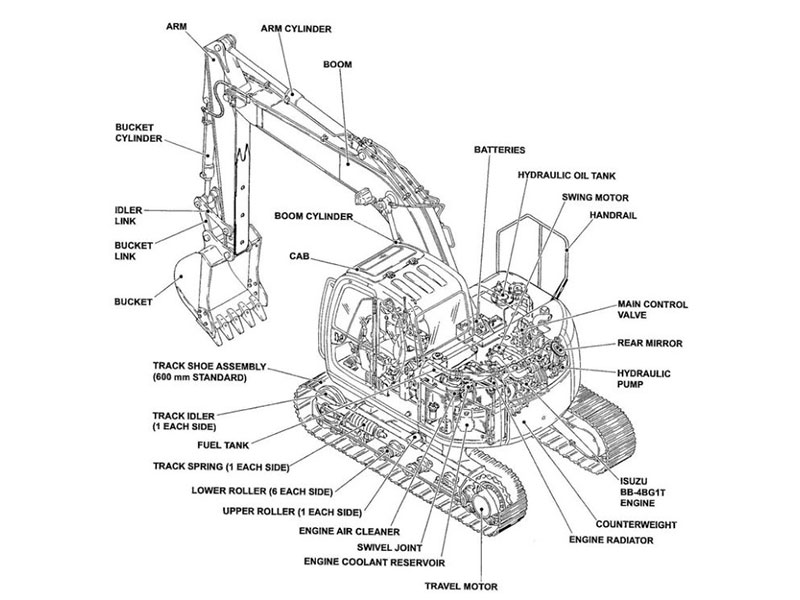
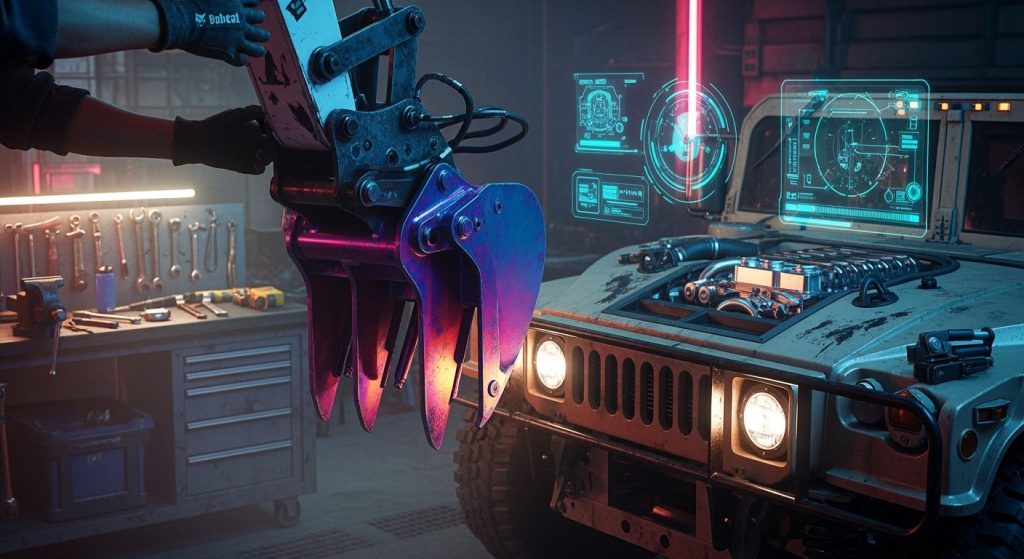
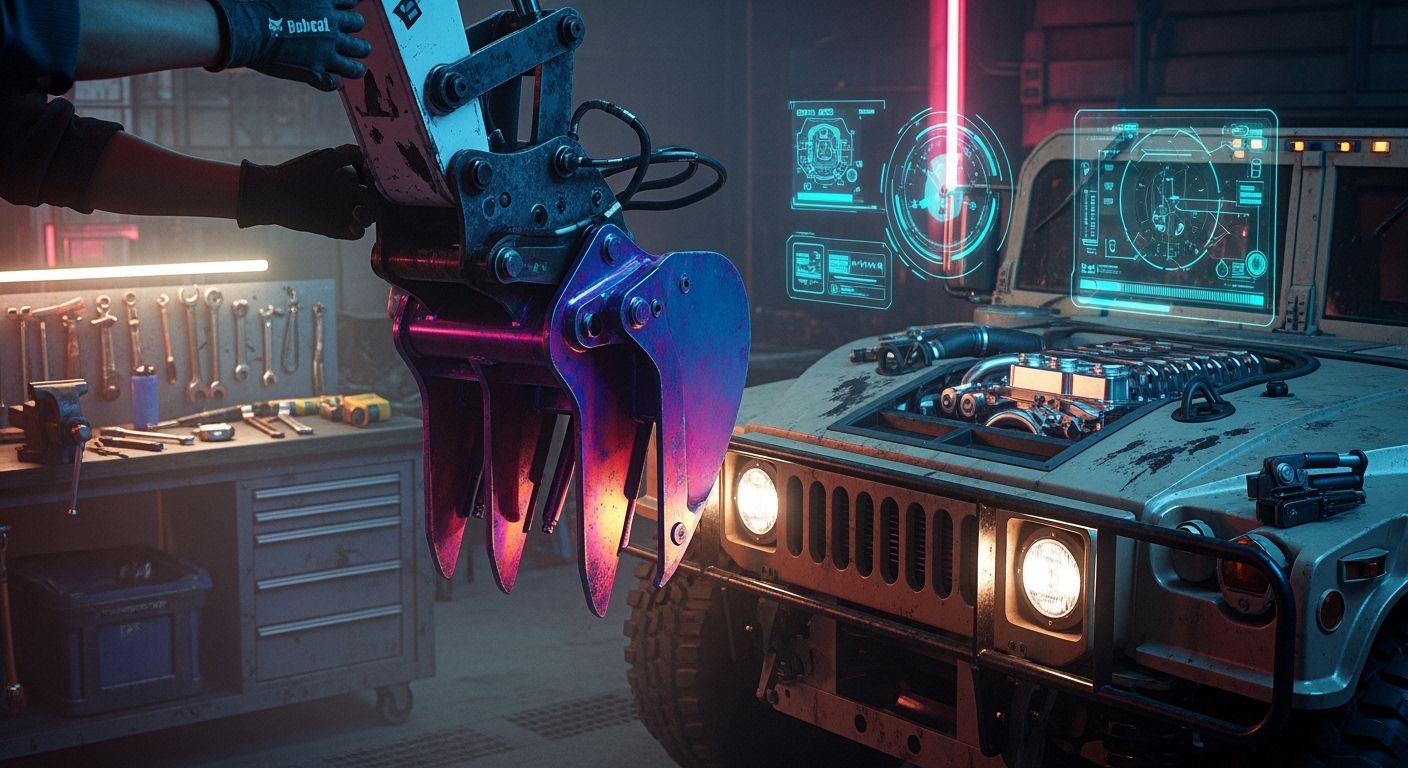
Military vehicles have special jobs on rough ground. You can upgrade a humvee fit with bobcat excavator parts with smart planning. Custom fluid systems and engine tweaks work great on a military hmmwv. Mechanics usually change extra army trucks for hard outdoor jobs. You need to compare military technical manuals and stock numbers with regular business codes. Finding extra military vehicles means you must match every part correctly. Normal military surplus trucks need exact detail checks for extra tools. YNF Machinery helps people worldwide match commercial excavator parts, engine pieces, and fluid connectors. You can change your hmmwv safely when you double-check all the details.
Key Takeaways
Strengthen the Humvee frame and check the axle weights before adding heavy Bobcat excavator parts.
Match the hydraulic flow speeds and set safety valves properly to shield system seals from strong pressure.
Use a DC-DC converter to change 24-volt military truck power into 12-volt power for excavator parts.
Read technical manuals and stock numbers carefully to pick matching adapter plates, fittings, and good parts.
Assessing Structural and Mechanical Compatibility
Evaluating Frame Stress and Weight Distribution
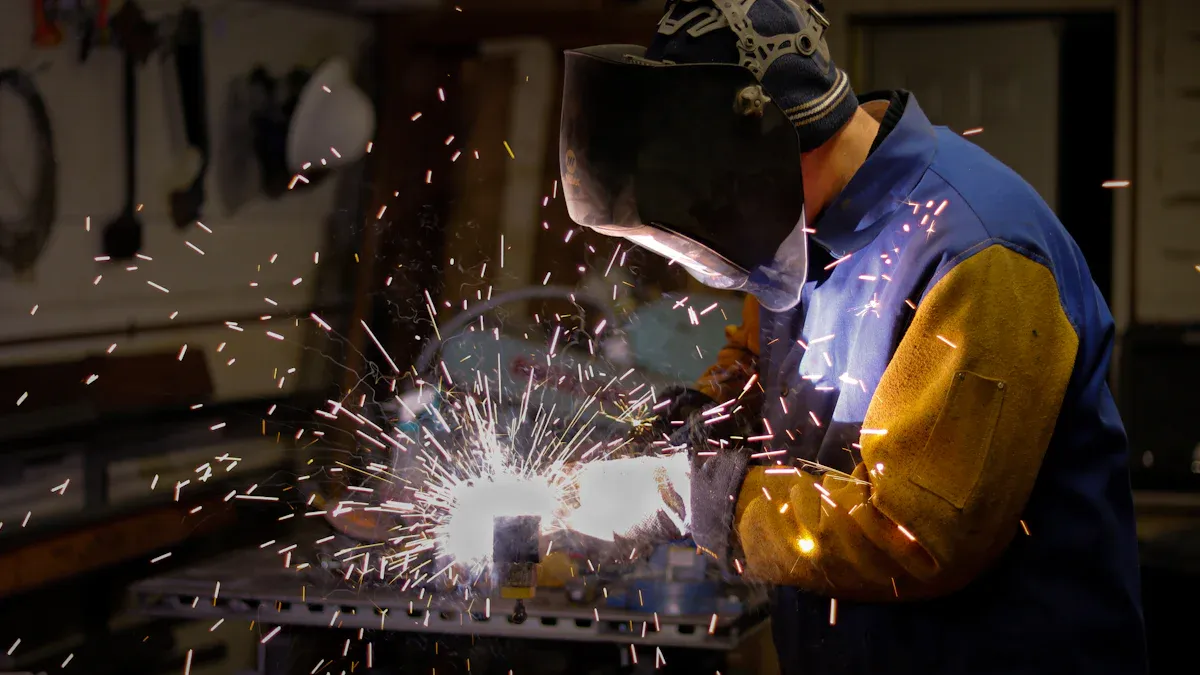
You must check frame strength carefully before adding heavy commercial attachments to a hmmwv. Standard military vehicles travel safely over rough ground because engineers built them for strict factory weight limits. Adding heavy excavator arms, pumps, or extra gear moves the center of gravity up and forward fast. This sudden movement puts heavy strain and dangerous stress on the main frame rails. Unchecked frame strain can cause severe structural failures during hard work.
You protect surplus army trucks from frame damage by calculating front and rear axle weights before installation starts. Keeping proper weight limits protects your hmmwv frame from heavy wear over time. Carrying heavy commercial loads causes frame twisting, sagging, or cracked welds during long field use. You can prevent structural damage by welding thick steel plates over high-stress frame areas. Good weight balance protects your suspension parts and keeps the vehicle safe on steep hills. Careless load planning shortens the working lifespan of your custom truck.
Measuring Bolt Patterns and Custom Mounting
You need exact measurements before attaching excavator mounting bases to a hmmwv frame. Commercial heavy equipment uses special bolt patterns and hole layouts that differ completely from standard military vehicles. You must measure hole center distances, plate thickness, and clearance depths using accurate measuring tools. Building strong steel brackets connects the different machine designs cleanly. Proper alignment stops bolts from snapping when hydraulic attachments push with heavy force.
Skilled builders cut custom steel adapter plates to match different bolt patterns exactly. Finding exact commercial replacement parts ensures a tight fit and stops parts from moving during heavy work. Mechanics modifying surplus army trucks must check all clearance space before finishing final welds. Installing strong hardware keeps the vehicle safe while your custom hmmwv finishes hard tasks. Double checking every mounting size prevents expensive delays during your custom build project.
Matching Hydraulic System Parameters
Comparing Flow Rates and Operating Pressures
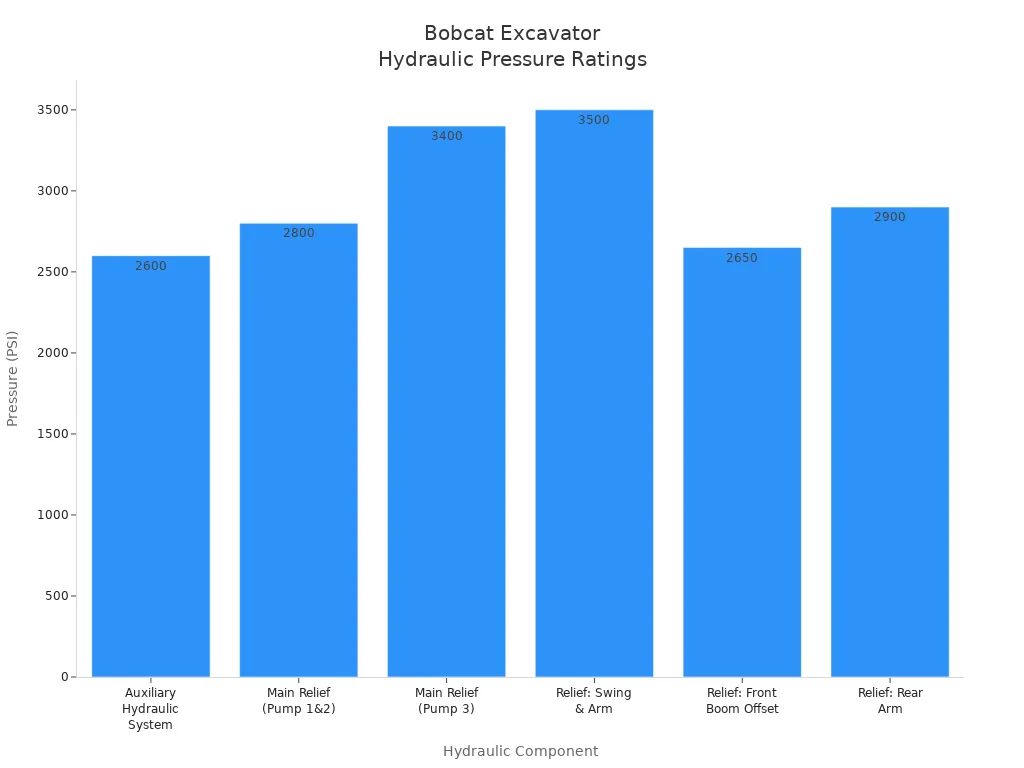
Customizing military vehicles takes exact fluid math. You must match the fluid power from your pump to the needs of your excavator parts. Standard humvee steering or extra pumps often give lower flow rates than real excavators. A 2000 Bobcat 334 excavator extra hydraulic system needs a standard flow rate of 16.4 GPM at 2600 PSI. Running commercial hydraulic motors on low fluid flow slows your working speeds by a lot. At the same time, too much fluid pressure creates big safety dangers for system seals. You must adjust pressure relief valves to match the exact working limits of each line.
Component / Circuit | Flow (GPM) | Pressure (PSI) | Notes |
|---|---|---|---|
Auxiliary Hydraulic System (Standard Flow) | 16.4 | 2600 | 2000 Bobcat 334 excavator. |
Main Relief (Pump Circuits 1 & 2) | N/A | 2800 | Travel motors, boom, dipper, bucket, auxiliary, boom offset. |
Main Relief (Pump Circuit 3) | N/A | 3400 | Blade, house, pilot pressure. |
Relief on Manifold Block (Swing & Arm, P3 & P2) | N/A | 3500 (3400-3550 range) | Swing and arm settings. |
Relief on Control Valve – Front Boom Offset (P1) | N/A | 2650 (2550-2700 range) | Front boom offset setting. |
Relief on Control Valve – Rear Arm (P3 & P2) | N/A | 2900 (2800-2950 range) | Rear arm setting. |
You need to set relief valves carefully across all working lines. Main relief lines set to 2800 PSI feed travel motors, boom, dipper, bucket, and extra tools. Line 3 main relief works at 3400 PSI to supply pilot pressure, house, and blade controls. Manifold block relief settings for swing and arm jobs call for 3500 PSI within a 3400 to 3550 PSI range. Control valve relief settings for front boom offset need 2650 PSI within a 2550 to 2700 PSI range. Rear arm jobs on the control valve need 2900 PSI within a 2800 to 2950 PSI range. Wrong fluid pressures pop hydraulic hoses or stop excavator arms from lifting heavy loads.
Identifying Thread Standards and Hose Fittings
Joining hydraulic lines between army and commercial gear takes proper fitting adapters. Mechanics must spot thread styles before tightening high-pressure hose joints.
Fitting Type | Governing Standard(s) | Seal Mechanism | Primary Industries / Notes |
|---|---|---|---|
JIC 37-degree Flare | SAE J514, ISO 8434-2 | Metal-to-metal (37° flare cone) | Non-aircraft military, heavy machinery. |
O-Ring Boss (ORB) | SAE J1453, ISO 8434-3 | O-ring between threads and wrench flats | High-vibration applications. |
O-Ring Face Seal (ORFS) | SAE J1453, ISO 8434-3 | Recessed O-ring on fitting face | High-pressure hydraulic systems. |
JIC fittings are also PROHIBITED in military aircraft and aerospace hydraulic systems but are perfectly fine for use in non-aircraft systems.
You can run JIC 37-degree flare fittings on non-aircraft ground trucks safely. JIC fittings match SAE J514 and ISO 8434-2 standards while using metal-to-metal seals on a 37-degree flare cone. Standard ORB fittings match SAE J1453 and ISO 8434-3 standards with an O-ring set between threads and wrench flats for shaky setups. Commercial excavator parts often use ORFS fittings, which hold a hidden O-ring on the fitting face to block fluid leaks under high pressure. You must fit top-quality adapter parts to link military and commercial gear smoothly. Picking proper hose fittings stops fluid leaks during hard field work on your humvee project. Checking every hydraulic hose joint ensures total trust when running commercial excavator parts on your customized humvee.
Resolving Electrical System Discrepancies
Converting 24V Humvee Power to 12V Systems
Standard army trucks use a 24V power setup. Most factory excavator parts run on 12V power instead. You must lower this electric output safely before plugging in fragile parts. An isolated DC-DC converter with a 9–36V range keeps your commercial add-ons safe from constant power shifts. Picking parts with 500VDC isolation protects your hmmwv wires from sudden electric shocks.
Specification | Value |
|---|---|
Product Name | LM2596 DC-DC Buck module |
Input Voltage Range | 3.2V ~ 40V |
Output Voltage Range | 1.25V ~ 35V |
Max Output Current | 3A |
Max Conversion Efficiency | 92% |
Operating Temperature | -45℃ to +85℃ |
Small sensor setups work well using simple buck modules with a 65 kHz frequency rate. Big power jobs need heavy-duty units like a Victron Energy Orion 24/12-70 DC-DC Converter 70 Amps. Hooking factory controls right into army power lines burns up inside parts fast.
Wiring Solenoids, Switches, and Controls
Good wiring keeps your truck from shorting out during tough work. You need to keep the new tool power lines away from the main engine supply. Adding a blocking diode with a 200A and 50V PIV minimum rating stops backward power flow. This extra step protects your modified hmmwv electrical setup during daily use.
Swap out high-current 12V parts for 24V-rated options.
Hook up 12V glow plugs in sets of two for normal 24V use.
Keep the 12V tool power on one battery post.
Put a strong blocking diode on the main power line.
Adding excavator parts calls for clean signals to move fluid valves smoothly. You should run every control switch through a safe relay box. Wiring each circuit right to the metal frame keeps your power steady. Adding good shock protectors lets your updated hmmwv run well in tough spots. Safe wiring work makes all commercial parts run great without burning up truck electronics.
Pre-Installation Checklist for Humvee Fit with Bobcat Excavator Parts
Run through a smart pre-setup list before adding Bobcat excavator parts to a humvee. Doing full checks stops pricey gear damage, keeps workers safe, and protects your hydraulic parts during long jobs. Good safety tests keep parts strong and prove every connected piece fits right.
Test-fit every custom adapter bracket to check hole lines and room on your hmmwv frame.
Check power levels at each wire step to turn 24V army lines into steady 12V juice.
Test hydraulic safety valves so line pressures match part specs before you turn things on.
Verifying NSNs and Technical Manuals
Changing military trucks means matching army repair books with civilian tool records. Mechanics must read guidebooks to check frame strength, mounting sizes, and hose space. You match specs fast by checking official stock codes against civilian part lists.
Search Method | Description | Relevance to Query |
|---|---|---|
Search By Commercial Part Number | A direct functionality within the ISO Group NSN database allowing searches using manufacturer-specific numbers. | Directly supports the method for cross-referencing commercial Bobcat part numbers with NSNs. |
Database Scope | Described as a comprehensive, up-to-date National Stock Number (NSN) Database. | Provides the authoritative context for the cross-referencing process. |
Other Search Options | Includes searches by NSN, NATO Stock Number, Military Part Number, etc. | Highlights that the ‘Commercial Part Number’ search is one of several dedicated functions. |
Checking technical manuals keeps you from making bad mistakes on custom military trucks. Finding correct parts guarantees right bolt layouts, matching fluid lines, and safe weight limits for your custom truck build.
Sourcing Reliable Excavator Engine Parts
Making a tough custom truck takes top-quality replacement parts. Adding heavy excavator gear to old army trucks strains engine parts, extra coolers, and fluid drives. You need strong engine pieces to stay ready for hard jobs in the dirt.
Full repair kits supply fresh pistons, cylinder walls, main bearings, and seals to bring back motor power. New engine kits stop oil leaks, burn fuel better, and give your truck extra pulling power. High-pressure fuel pumps send steady gas to keep motor power up during tough digging jobs. Electric switches control fluid valves cleanly while strong head gaskets stop bad oil leaks inside the engine. Good water pumps and fan blades keep the engine cool during hot work days.
Using dependable gear stops surprise breakdowns during important outdoor projects. Cheap parts cause long work delays, wear out drive shafts, and break metal frames. Quality fluid pumps, control switches, gaskets, and repair kits keep your custom hmmwv running strong. Picking good parts makes your machine last longer and helps you get more work done daily. Finishing a humvee fit with bobcat excavator parts turns a military hmmwv into a strong, useful work truck. You protect your truck money and keep working smoothly by following every check step.
Executing a successful humvee fit with bobcat excavator parts requires strict attention to core engineering rules. First, you must verify mechanical frame tolerances on your military truck. Next, you need to match hydraulic PSI and GPM values precisely. Converting 24V vehicle power to 12V safely protects fragile truck electronics. You must also cross-reference technical manuals against commercial numbers to select proper components. Sourcing high-grade parts guarantees maximum operational durability under tough field conditions. YNF Machinery supplies top-quality replacement components that keep your custom hmmwv working efficiently. Relying on YNF Machinery helps your modified hmmwv handle heavy job demands without unexpected breakdowns.
FAQ
Can you make modified surplus army trucks road legal?
You can make your military vehicle street legal by following state rules. Adding simple safety items like turn signals and mirrors gives you street-legal status. Checking local laws helps you get surplus army trucks ready for highway driving.
How do you start the hmmwv registration process?
Start your hmmwv registration by showing a bill of sale to the motor vehicle office. Clerks check dot requirements for lights and hydraulic safety. Meeting dot requirements speeds up your main hmmwv registration. This process lets you register surplus army trucks for road use.
What dot requirements apply to a humvee fit with bobcat excavator parts?
Adding heavy excavator tools changes the vehicle weight and size. You must follow dot requirements for axle loads and stopping power. A humvee fit with bobcat excavator parts needs careful safety tests. These tests ensure military surplus vehicles meet real dot requirements.
Do heavy modifications complicate hmmwv registration for surplus military vehicles?
Big custom upgrades can complicate your hmmwv registration. State inspectors check modified surplus military vehicles for highway safety. Finish your final hmmwv registration after passing all dot requirements. Clear paperwork keeps your modified surplus army trucks legal on public roads.