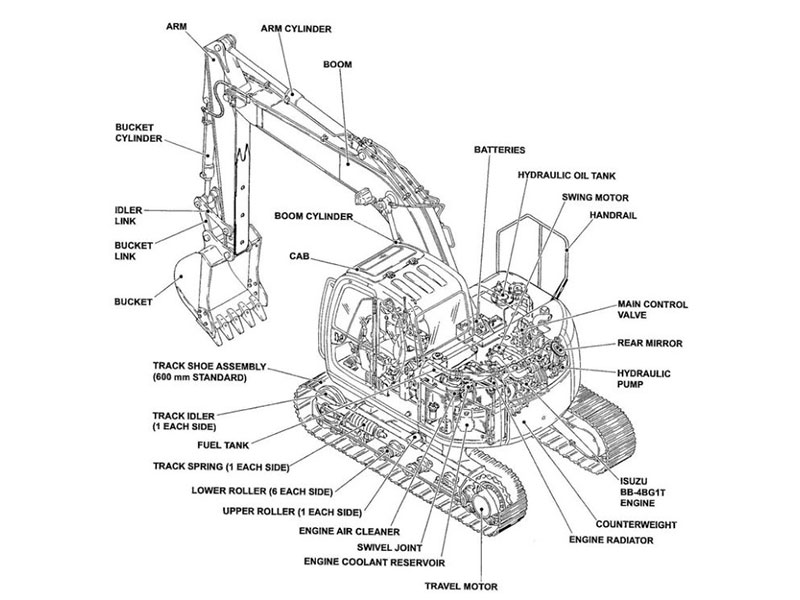
Excavators and skid steer loaders work in demanding conditions. Dirt, vibration, hydraulic pressure, and long operating hours gradually wear down their components. A practical maintenance routine helps you identify problems early and prepare the right replacement parts before a machine stops working.
This guide covers daily checks, common hydraulic and undercarriage issues, part identification, and purchasing preparation. Always use the maintenance intervals and specifications in your machine’s operation and service manuals.
Key Takeaways
- Check fluid levels, leaks, hoses, and visible damage before operating the machine.
- Keep the undercarriage clean and adjust track tension to the manufacturer’s specification.
- Record the machine model, serial number, and original part number before buying replacements.
- Inspect hydraulic seals, hoses, pins, and bushings when performance changes.
- Confirm the specifications, stock status, and dispatch time for critical parts.
Daily Checks for Excavators and Skid Steer Loaders
Fluids, Leaks, and Visual Inspection
Walk around the machine before each shift. Look for loose fasteners, damaged hoses, fluid leaks, worn electrical cables, and debris around the engine and cooling system. Check engine oil, coolant, and hydraulic fluid according to the machine manual. Inspect the fuel and water separator where fitted.
A low fluid level is a symptom that needs investigation. Find and address the cause before adding fluid and returning the machine to service. Use the fluid type and checking procedure specified by the manufacturer.
Tracks, Tires, and Undercarriage
Clean mud, stones, and packed debris from the undercarriage. On tracked machines, inspect track tension, rubber or steel track condition, rollers, idlers, and sprockets. Both excessive and insufficient track tension can accelerate wear. Measure and adjust it according to the procedure for your machine model.
For wheeled skid steer loaders, check tire condition and pressure against the manufacturer’s guidance. Look for cuts, uneven wear, and embedded objects. Record recurring wear patterns because they may indicate an alignment or operating problem.
Common Hydraulic Problems and Parts to Inspect
Hydraulic Hoses and Connections
Inspect hydraulic hoses for abrasion, cracks, swelling, leaks, and damaged fittings. A hose may also rub against a bracket or another moving part. Check its routing and clamps when replacing it. Before ordering, confirm its length, inside diameter, pressure rating, fitting type, and end orientation.
Hydraulic systems can retain pressure after shutdown. Follow the machine’s service procedure and use a qualified technician for inspection or replacement where appropriate. Never use your hand to search for a pressurized hydraulic leak.
Cylinder Seals and Rods
Oil around a cylinder rod may indicate a seal problem, but the rod surface and operating conditions should also be checked. Pitting or scoring can damage a new seal. Record the cylinder part number and dimensions before ordering a seal kit, since machines with similar model names may use different cylinders.
Seal life depends on pressure, temperature, contamination, installation, and use. Replace a leaking or damaged seal based on its condition and the machine’s service guidance rather than a universal number of months or operating hours.
Pumps, Motors, and Filters
Slow hydraulic response, unusual noise, overheating, and weak movement can have several causes, including low oil, contamination, filter restriction, air entry, or component wear. Diagnose the system before replacing a pump or motor. A fault code or symptom alone does not identify the failed part with certainty.
When sourcing a hydraulic pump, motor, or filter, provide the machine model and serial number along with the component nameplate or original part number. Confirm mounting details, ports, shaft specifications, and other application requirements.
Undercarriage and Wear Parts
Track Tension and Sprocket Wear
Inspect tracks for cuts, cracks, exposed cords, loose shoes, and abnormal wear. Look at sprocket teeth, rollers, and idlers as a connected system. A badly worn component can accelerate wear on newly installed parts. Use the machine manual’s measurement method and wear limits to decide when adjustment or replacement is needed.
Pins, Bushings, and Couplings
Check bucket linkage pins and bushings for excessive play and visible damage. Follow the lubrication points and intervals specified for the machine. When replacing a pin or bushing, confirm the original part number and measure the diameter, length, and mounting position if identification is uncertain.
Rubber couplings and engine mounts can also deteriorate through age, oil exposure, misalignment, and vibration. Inspect them for cracking, deformation, separation, and abnormal movement. A replacement must match the required dimensions and operating application.
Prepare Replacement Parts Before Maintenance
Identify the Part Precisely
Start with the machine’s full model and serial number. Find the original part number in the parts manual or on the removed component. If the number is unavailable, provide clear photos and measurements. For hydraulic assemblies, include the pump or motor nameplate. For couplings and rubber mounts, record the key dimensions and mounting details.
A part that looks similar may have a different shaft, spline, port, bolt pattern, or material specification. Confirm these details before placing an order.
Plan Stock for Regular Service
Filters, seals, hoses, belts, and other frequently replaced items may be worth keeping on hand when you operate several machines. Build your stock list from actual maintenance records and equipment applications. Confirm part numbers and quantities before buying in bulk.
For less common or expensive parts, ask the supplier to confirm availability and dispatch timing before scheduling the repair. Include freight and any required installation materials in your plan.
Use Maintenance Records and Machine Data
Record operating hours, inspection results, fluid changes, repairs, and the part numbers installed. A simple maintenance log helps your team recognize recurring failures and prepare parts for planned service.
If your machines provide fault codes or telematics data, use them to guide further inspection. Temperature trends, operating hours, and fault histories may help prioritize maintenance. Confirm the underlying cause through the appropriate diagnostic procedure before ordering a major component.
Safety During Inspection and Repair
Before working on equipment, park it on stable ground, lower attachments, shut down the engine, and follow the manufacturer’s isolation and pressure-release procedures. Support any raised component with approved equipment. Wear suitable eye, hand, and foot protection for the task.
Hydraulic pressure, stored mechanical energy, hot components, and unexpected movement can cause serious injury. Repairs involving these hazards should be carried out by trained personnel using the machine’s service instructions.
FAQ
How often should I check fluid levels?
Follow the schedule and procedure in the machine’s operation manual. A pre-shift visual inspection can also help identify leaks or unexpected changes in fluid level.
When should I replace an excavator cylinder seal?
Inspect the cylinder when you notice leakage or a change in performance. Check the rod and related components before replacing the seal. The replacement decision depends on condition and the manufacturer’s service guidance.
How do I know whether a track needs adjustment?
Measure track sag using the procedure for your exact machine model and compare it with the specified range. Inspect the track and related components for wear at the same time.
Can a fault code tell me which part to order?
A fault code identifies a system or condition that needs investigation. Use it with the service manual and diagnostic checks before deciding that a particular sensor, pump, valve, or other component has failed.
What information should I send when requesting a quotation?
Send the machine model, serial number, original part number, required quantity, and clear photos of the part or nameplate. Include dimensions when the part number is missing. For help checking excavator couplings, rubber mounts, hydraulic parts, seals, filters, and other excavator components, contact YNF Machinery.