
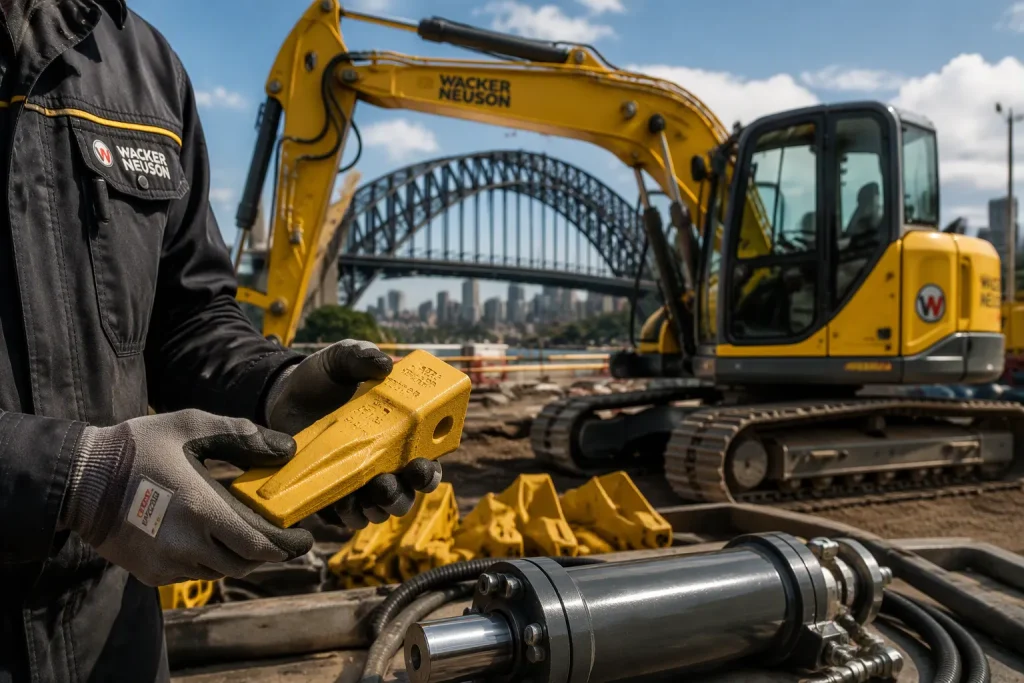
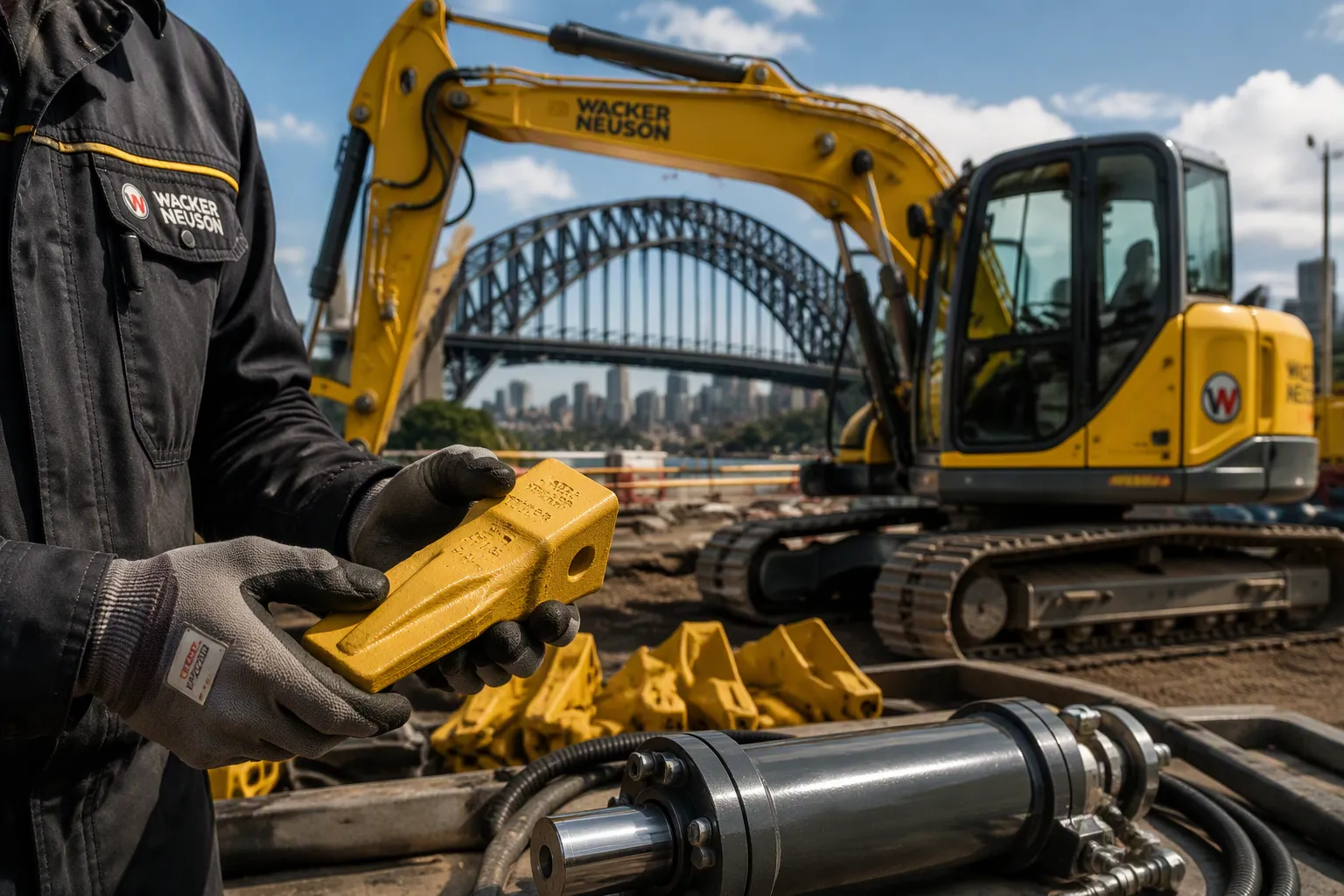
Yes, you can source wacker neuson excavator parts sydney if you weigh the trade-offs first. Two main paths exist: genuine OEM parts and aftermarket alternatives. Each path carries different strengths and risks. You need to understand fitment, cost, shipping, customs, warranty, and returns before you commit. These factors decide whether a cross-border order makes sense for your machine. A part that fits perfectly and ships smoothly can save you money. A part with unclear specs or weak return terms can cost you more than you save. The next section breaks down how genuine and aftermarket options compare.
Key Takeaways
Verify genuine-part provenance, application and the actual written warranty terms rather than assuming automatic fit or coverage.
Aftermarket price, availability and quality vary by the particular item and seller.
Always match the part number to your machine’s serial number.
Know the shipping, customs, and return rules before you buy.
For every machine age and component type, select parts with supported compatibility and appropriate performance evidence.
Genuine vs Aftermarket Parts
What Genuine Parts Are
Genuine parts are supplied under the equipment maker’s brand for specified applications. Confirm the applicable part number, provenance and any replacement conditions; the label alone does not resolve compatibility.
An authorized dealer can help identify and source supported genuine components. Verify actual availability, dispatch estimates and written coverage. Dealer sourcing does not automatically protect every warranty claim.
What Aftermarket Parts Are
Aftermarket parts come from third-party manufacturers. These companies reverse-engineer or independently make parts that fit the same use. Quality varies a lot across this group. Some aftermarket suppliers follow strict production controls and deliver parts that work close to OEM level. Others cut corners on material or heat treatment, and the part fails early.
The old idea that OEM is always better and aftermarket is always low-quality no longer holds. Many aftermarket brands now serve heavy equipment fleets with reliable parts. At the same time, not every genuine part is perfect, and not every aftermarket part is a risk. The real question is not which category wins. The real question is whether the specific part matches your machine’s needs and the seller’s written terms. That is what the next sections help you check.
Fitment and Identification
Make, Model, and Serial Number
Every parts search begins with three facts about your machine. You need the make, the model, and the serial number. Wacker Neuson makes excavators in different sizes. The same model name can mean different builds from different production runs. The serial number shows the parts system how your machine was built at the factory. Without it, a supplier can only guess.
Consult the applicable machine documentation to locate the identification plate and record all characters accurately. Include component identification where needed. Check the catalog’s applicability rather than assuming a lookup captures every later modification.
Part Numbers and Specs
A part number is the key to every order. Ask the supplier for the OEM part number that matches your machine’s serial number. Then check the specs tied to that number. Size, material, and mounting pattern all matter. A part can look right in a photo and still fail to seal, bolt up, or hold pressure.
Compare the quoted number against your old part when you can. Many parts have a stamped or cast number you can read directly. If the numbers don’t match, stop and ask why before you pay. Ask for the drawing or spec sheet for the part. Check that the dimensions and material grade fit your application. This step takes a few minutes. It stops a return shipment across the Pacific.
The Case for Genuine Parts
Verify Genuine Fitment and Coverage
Read the actual machine and replacement-part warranty terms and seek written clarification about the proposed repair where necessary. Neither the choice of a genuine part nor a cross-border purchase automatically determines coverage of a future claim.
Cost and Sourcing
Compare itemized quotations and confirmed delivery estimates for equivalent specifications and condition. Genuine status does not establish a universal price premium or longer lead time.
Ask who provides identification help, technical support and claims handling for the exact order. Keep the agreed terms and provenance information with the quotation.
The Case for Aftermarket Parts
Savings and Availability
Request the exact stock location, available quantity and dispatch commitment. Sydney inventory is not automatically closer to a US destination or faster than other sourcing locations. Compare realistic door-to-door delivery estimates.
Some aftermarket brands now build parts that match original specifications closely. They use similar material grades and hold comparable tolerances. These parts work well for many applications. The key is to judge the specific part, not the category. A carefully made replacement can perform like the genuine item. A careless one can fail early.
Quality and Warranty Risks
Quality levels differ across aftermarket suppliers. Some run tight production controls. Others cut corners on material or heat treatment. A listing may say a part fits. Trust that claim only after you compare the part number, dimensions, and material grade against the original part you removed.
Check the actual warranty and installation requirements for the machine and offered part. Do not assume aftermarket use automatically removes coverage, or that expired machine coverage makes condition and performance risk unimportant.
Agree written acceptance, coverage and return terms. A sample can support inspection before a bulk order, but qualified personnel should perform installation and any operational test under the applicable procedures.
Sourcing Wacker Neuson Excavator Parts Sydney
Local Availability and Shipping
When considering a Sydney quotation, verify the actual seller, stock location and offered item rather than assuming a local dealer network guarantees availability. Compare the complete purchasing arrangement with suitable US options.
Availability still varies by part type. Fast-moving items like filters, seals, and wear components often sit on local shelves. Slow-moving items like final drive internals or hydraulic control blocks may need a factory order. Ask the supplier to confirm stock before you pay. Ask for a dispatch date in writing. A part marked “in stock” may still sit in a warehouse across the country.
Obtain actual freight options, costs and transit estimates for the shipment. Agree who books transport and handles export and import formalities. If a delivery term is used, specify its named place and version, and confirm the allocation of costs, risk and responsibilities in writing.
Customs, Duties, and Returns
Before committing, confirm with the seller, freight provider and customs broker who will act as importer and handle the required documents and charges. Provide accurate part descriptions, origin and valuation information. Do not assume that the US buyer or Sydney seller automatically bears every responsibility.
Returns are the hardest part of a cross-border order. A part that fails to fit must travel back to Sydney. Return freight, import reversal, and restocking fees can eat the savings fast. Read the return window and the restocking terms before you order. Ask who pays return freight on a defective part. Ask who pays it on a wrong-part order. Get the answer in writing.
A clear written quote protects you more than a low verbal price.
Confirm the currency of the quote. Australian dollars and US dollars are not the same. Ask whether the quoted price includes freight, insurance, and export charges. Ask whether the supplier collects duty or leaves it to you. Then check the return policy one more time. A supplier with clear terms is easier to work with when a problem appears.
Cross-Border Quotation Checks
What a Quote Should Itemize
A quote for wacker neuson excavator parts sydney should show every cost before you pay. Do not take one price with no details. Ask for the part price, packing cost, shipping fee, and export handling fee. Each item should be listed on its own so you can compare quotes easily.
State the agreed delivery term, named place and version, and clarify the practical arrangements for freight, insurance and customs. Costs and transport risk can transfer at different points; do not rely on a vague warehouse-or-port example.
Request accurate item and origin information and confirm the documentation and valuation requirements with the customs broker. Resolve incomplete or inconsistent information before shipment.
Currency, Freight, and Duty
Currency changes the final price. A quote in Australian dollars looks different after you convert it to US dollars. Check the exchange rate on the day you plan to pay. Some suppliers lock a rate for a short time. Ask if the price stays firm or shifts with the market.
Freight estimates depend on weight and size. A small seal kit ships by courier. A hydraulic pump takes more room and costs more to ship. Get the freight quote in writing. Confirm if the price covers door-to-door delivery or only the airport leg. That difference can change your total cost.
Ask a customs broker to estimate applicable import costs using the actual component, classification, origin, valuation and shipping arrangements. Do not apply a generic duty rate or assume freight and insurance are always included in the duty calculation.
Compare a complete delivered-cost estimate that identifies included and excluded charges, taxes where applicable, brokerage, freight, insurance and payment or conversion fees. Confirm responsibilities and allowances for uncertain charges.
Choosing Genuine or Aftermarket
Machine Age and Criticality
Consider remaining machine service life, repair needs and the actual warranty terms. Machine age affects economics, but does not by itself decide genuine versus aftermarket suitability or remove the need for verification.
For components affecting pressure, motion or structural loads, require strong compatibility, condition and performance evidence from any source. The documentation actually supplied matters more than assuming one category always provides a stronger paper trail.
Evaluate the consequence of failure for each item. Bushings, hoses, wear components and visibility-related parts can still have important functional or safety requirements. Confirm the applicable specification rather than treating a broad category as non-critical.
Compare total repair cost and supported performance over the machine’s expected remaining use. Older equipment still needs suitable, safely installed parts. Neither category guarantees resale value or eliminates consequential damage.
Budget and Application
Budget decides how far you go. You should compare the full delivered cost, not just the price tag. Add freight, insurance, estimated duty, and currency conversion. A genuine part can still win when it prevents a week of downtime. An aftermarket part can win when the machine works lightly and the savings matter more.
Match each replacement to the specified duty and operating conditions. Occasional or light work does not justify a part that fails the required compatibility or safety criteria.
Assess how component failure could affect the machine and nearby personnel. Use appropriate verification and installation procedures even for small items; price should not replace functional and safety requirements.
Think about repair history too. A machine that already runs with replacement parts may have non-standard mounting points. Check the actual part you removed before ordering. Measure the old part against the quoted dimensions. This practice matters more with aftermarket parts, because their design may follow a different production run. A few minutes of measurement beats a cross-border return.
No category wins every case. The right choice depends on your machine’s age, the part’s role, and your tolerance for downtime. Confirm the part number against your serial number. Read the supplier’s terms. Then choose with clear eyes.
Tips for Buying Aftermarket Parts
Verify Compatibility and Brands
Begin with your machine’s serial number. The parts system needs it to find the right build range. Compare the OEM part number with the aftermarket listing. A matching number only works if the size and material grade also match.
Have qualified personnel collect necessary measurements using safe service procedures. Account for wear and modifications on the old component. Confirm mounting, functional specifications and supported cross-references instead of relying on a photo.
Check out the aftermarket brand before you buy. Look for a maker that shares spec sheets. A brand with a visible quality management system follows written processes. ISO 9001 certifies that system. It does not approve the part for your machine. Only your own fitment check can do that.
Look for brands that list material grades and tolerances in plain words. A brand that hides these details usually has a reason. Ask the supplier for a drawing or datasheet. Go to another option when they cannot give you one.
Check Seller Reputation and Returns
Verify the seller’s identity, relevant experience and accessible support process. A website contact form alone does not establish unreliability; assess the substance of the information and written terms.
Call or message before you order. Ask how long they have supplied Wacker Neuson excavator parts. Ask which models they stock most often. Their answers show their experience level.
Read the written warranty terms before you pay. Ask what the warranty covers and what it leaves out. Get the return window in writing. Ask who pays return freight for a defective part. Ask who pays for a wrong-part order. These terms decide your true cost.
A supplier with clear written terms protects you more than a low verbal price.
For a sample, agree inspection acceptance and return conditions before installation. Qualified personnel should follow the service procedures for fitting or testing. One sample’s performance does not guarantee the quality of every batch.
Compare genuine and aftermarket options using documented applicability, specifications, performance evidence, actual availability and written coverage. No category wins for every repair.
Shipping, customs, warranty rules, and returns matter the most. These four things can wipe out any savings. Check the part number against your serial number. Confirm every quote item before you pay.
A Sydney quotation can be considered when compatibility, delivered cost, transport and support arrangements are acceptable. Compare it with equivalent alternatives and resolve uncertainties before paying.
FAQ
How do I make sure a part fits my excavator?
Start with your machine’s make, model, and full serial number. Ask the supplier for the OEM part number that goes with that serial number. Compare the quoted size and material grade with the old part you took off. A photo by itself cannot prove fitment.
Does a cross-border order change my warranty?
A cross-border order does not by itself establish a change in coverage. Read the actual machine and part warranty terms, including territorial limits and claims arrangements, and seek written clarification for the proposed replacement.
Who pays return freight on a wrong part?
That depends on the supplier’s written terms. Ask before you order. Some suppliers cover return freight on defective parts. Others charge restocking fees or push return costs to you. Get the answer in writing. Return freight across the Pacific can wipe out your savings fast.
How do I estimate duty on wacker neuson excavator parts sydney?
Ask a customs broker for an estimate using the actual part classification, origin, valuation and shipment arrangements. Confirm required documents and charge responsibilities with the seller and freight provider before ordering.
Can I mix genuine and aftermarket parts on one machine?
Evaluate each proposed replacement against its applicable specification and installation requirements. Mixing part categories is not a shortcut around compatibility, performance or warranty-term checks.
For Wacker Neuson excavator parts sourcing, consider YNF Machinery. Provide full machine and component identification, applicable part numbers and quantities, and request supported compatibility information, a delivered quotation to your US address and written warranty and return terms before purchasing.



