Used excavator parts can lower repair costs, but a low price is useful only if the component fits the machine and its condition is understood. Before you buy, identify the excavator, confirm the part number, review the actual part, and record the fitment and return terms in writing. These checks help buyers in the United States avoid preventable delays and shipping costs.
Identify the machine and the part
Record the manufacturer, complete model designation, and full serial number from the machine identification plate. Photograph the plate in good light and copy every letter and digit carefully. A model name alone may not describe production changes, options, or regional configurations. Use the serial number with the model when checking parts information.
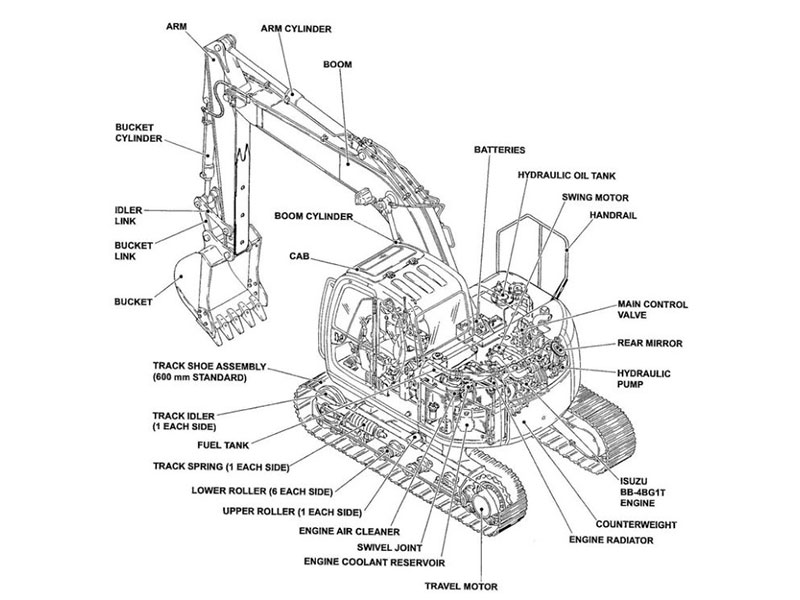
Identify the component by its name, position, and function. If the old part is available, photograph its label, casting marks, connectors, mounting face, and overall shape. Record every legible number exactly, including prefixes and suffixes. Some markings identify castings or batches rather than the orderable assembly, so do not assume that any visible number is the correct part number.
Verify the part number and fitment
Compare the part number with the applicable parts information for the machine’s model and serial range. Ask whether the number has been superseded and whether the replacement requires related hardware, seals, sensors, or configuration changes. A superseded number may have a valid replacement, but the relationship should be confirmed for the specific machine.
Check the details that matter for the component: mounting points, dimensions, shaft or spline specifications, electrical connectors, and hydraulic ports where applicable. Use documentation for the particular part rather than relying on appearance or a general model match. If measurements are needed, agree on reference points and units before comparing them.
Give the parts team the machine identifiers and clear photos, and request written confirmation that the offered part is intended for that configuration. If the part number, serial range, or measurements remain uncertain, pause the order until the mismatch is resolved. Do not rely on a verbal “it should fit.”
Review the part’s condition
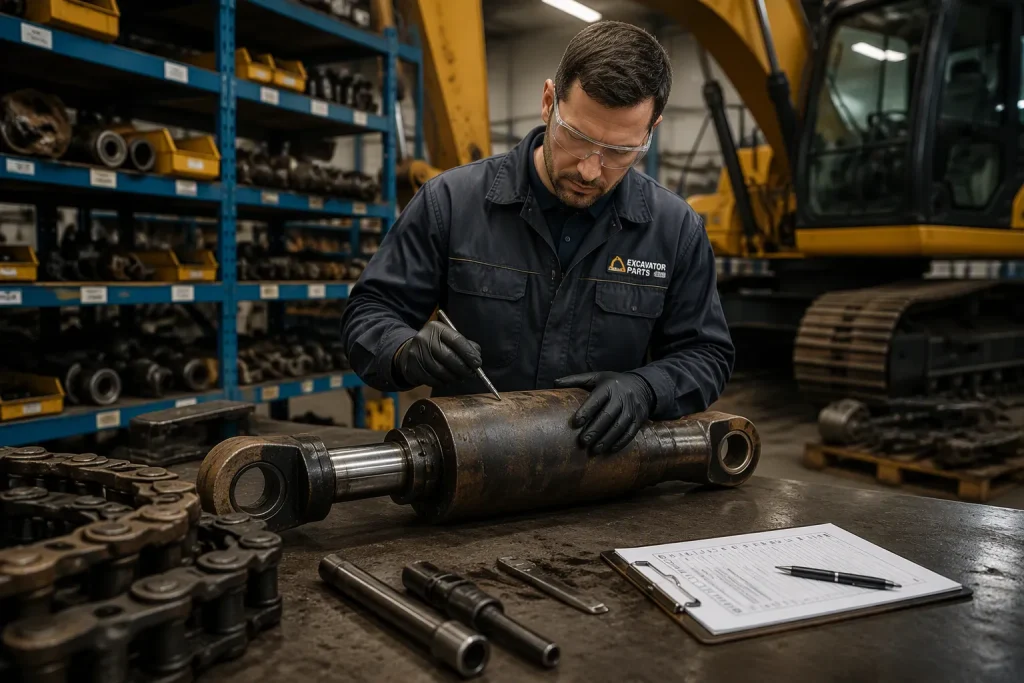
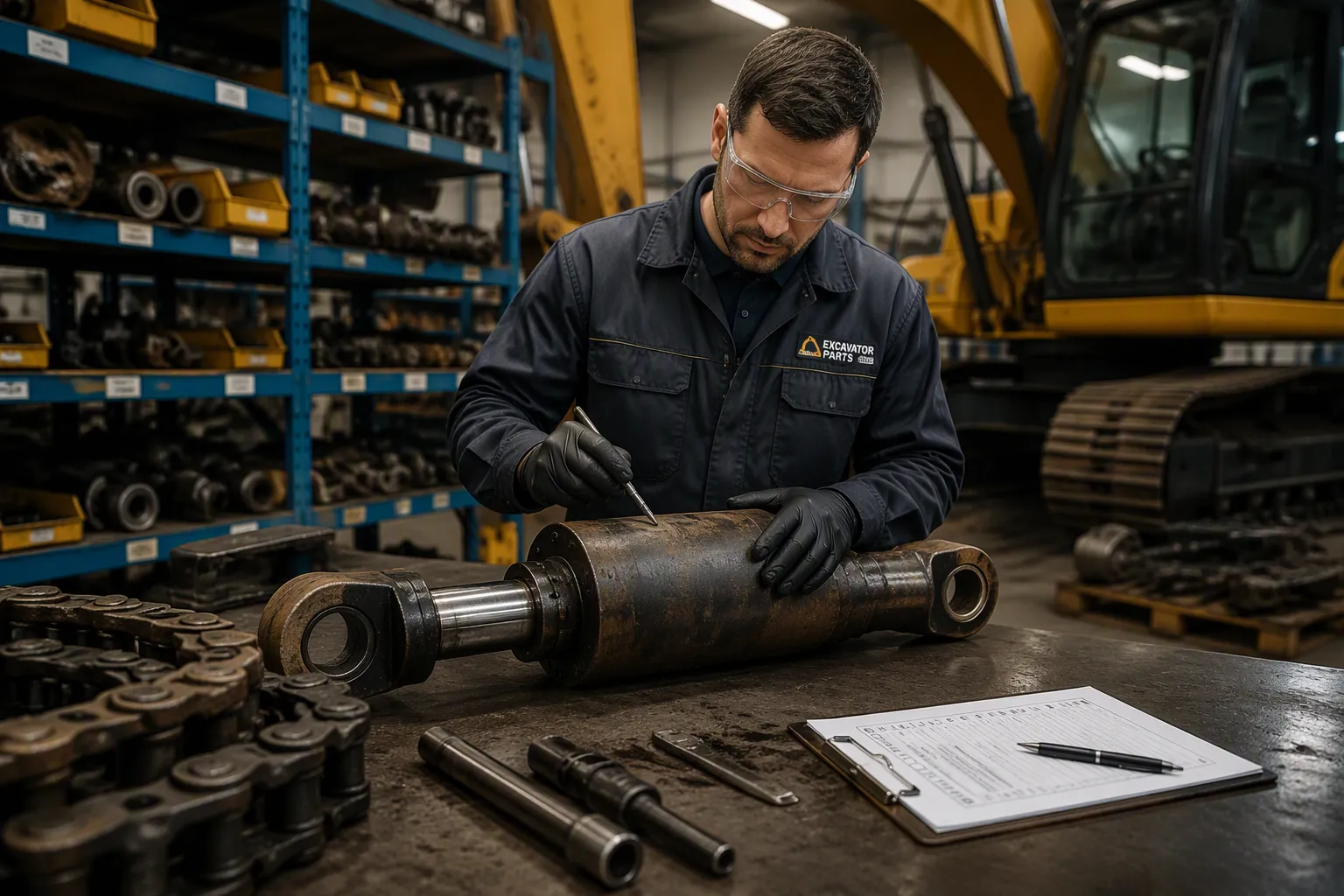
Request recent photographs of the actual component from several angles. Look for cracks, deformation, corrosion on working surfaces, damaged threads, worn mounting faces, missing connectors, and signs of leakage. Ask for close-ups of the areas that affect installation. A clean exterior does not establish the internal condition of an enclosed pump, motor, engine component, or other assembly.
Ask what inspection or testing was performed and request any available report. Confirm whether the item was removed from a working machine, repaired, or stored. Treat statements about operating condition as descriptions that should be supported by evidence, not as a guarantee. For a critical or high-value component, consider an independent inspection or suitable bench test before installation.
Check that the quote lists everything included. Brackets, sensors, harnesses, hoses, seals, fasteners, and other attachments can affect installation and cost. Compare the list with the photographs and ask about anything unclear.
Confirm purchase terms before payment
Ask for the condition description, fitment confirmation, included items, available inspection records, warranty coverage, return window, shipping method, freight responsibility, and expected delivery timing in writing. Keep the response with the order records. These details are especially useful when a heavy component arrives with damage or does not match the confirmed configuration.
Compare the total cost rather than the item price alone. Include freight, handling, inspection, installation, and any required related parts. Consider whether delivery timing fits the repair schedule. A lower price may not be the better value if fitment is uncertain or return terms are unclear.
Check the part when it arrives
Before installation, compare the received component with the confirmed part number, photos, and fitment details. Check mounting points, dimensions, connectors, and included hardware. Do not force a part into place or alter mounting features to make it fit. If the delivered item differs from the written confirmation, stop and resolve the discrepancy before installation or operation.
Follow the machine service information for installation, fluid cleanliness, torque values, and commissioning checks. The correct procedure depends on the component and machine configuration; use the relevant technical documentation or qualified service support.
Used excavator parts pre-purchase checklist
1) Record the machine make, model, and full serial number.
2) Photograph the part label, casting marks, connectors, and mounting points.
3) Confirm the part number and any replacement number for the machine’s serial range.
4) Compare relevant dimensions and connections using applicable documentation.
5) Review current photos, inspection records, and test information.
6) Get fitment, included items, condition, warranty, return, freight, and timing details in writing.
7) Compare the delivered part with the records before installation.
Frequently asked questions
What information should I provide when asking about a used excavator part?
Provide the manufacturer, complete model designation, full serial number, part number if readable, and clear photos of the component and its connections. Include the part’s location and function if you are unsure of its name.
Is the excavator model enough to confirm fitment?
It is a starting point, but the full serial number and component number may be needed to account for production or configuration differences. Confirm the application against the relevant parts information before ordering.
Can photographs prove that a used component works?
Photographs can show visible damage and identifying details, but they cannot prove the internal condition of every assembly. Ask what inspection or testing was performed and review supporting records when available.
What should I get in writing before paying?
Confirm the part number, machine fitment, condition, included items, available inspection information, warranty and return terms, freight, and expected delivery in writing. Keep the correspondence with your order records.
For help reviewing excavator part identifiers and fitment details, contact YNF Machinery.