A U.S. buyer considering used excavator parts listed in Quebec should verify the exact component before placing an order. A listing and a photograph can start the review, but they do not confirm machine fit, condition, included items, or delivery arrangements. Use the same checks for every part: identify the machine, match the part, review condition evidence, and record the order terms in writing. If an important detail is missing or unclear, pause and request it before proceeding.
Key Takeaways
Record the machine model and full serial number exactly as shown on its identification plate.
Compare the part number, markings, dimensions, and connection details with the component being replaced.
Request recent photographs and a written condition description for the actual part being offered.
Confirm what is included, how the part will be packaged, and where it will be delivered.
Keep fitment confirmations, inspection records, and order terms together for later reference.
Verify the Machine and Part Identity
Start with the machine identification plate. Record the manufacturer, complete model designation, and full serial number, including letters, hyphens, and suffixes. Take a clear photograph of the plate and keep the image with the order file. Plate locations vary by machine, so use the machine manual or model-specific information when you cannot locate it. Do not rely on a model name alone when a serial range or configuration may matter.
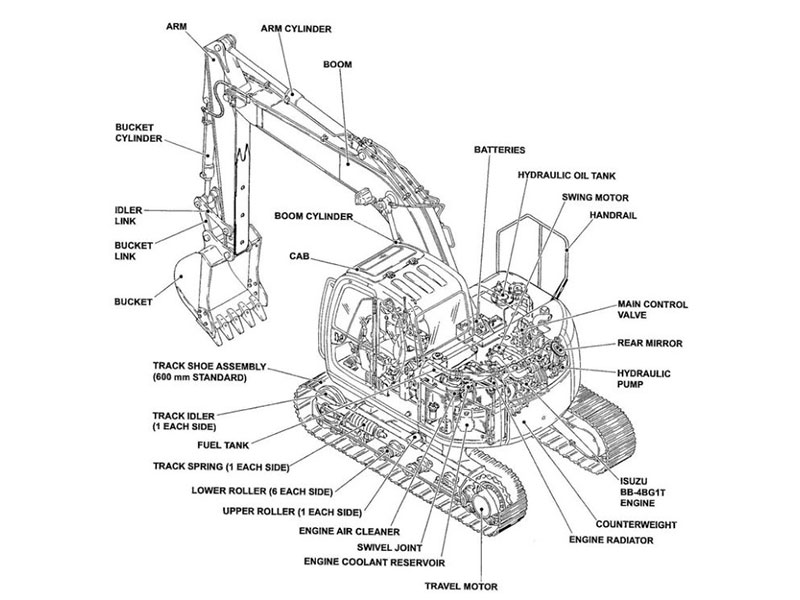
Next, identify the component by its function and position on the machine. Photograph the part currently installed, its label or stamped markings, connection points, mounting surfaces, and nearby components. A casting number may identify a housing or production batch rather than the orderable assembly. Ask for the complete part or assembly number and confirm what each number refers to before comparing it with a listing.
Check every character in the part number, including prefixes and revision marks. If a number has changed or appears to have been superseded, request documentation that connects the old and current numbers to the specific machine serial range. Treat an interchange or cross-reference as a candidate for review until relevant specifications and fitment evidence agree. Similar appearance is not enough to establish compatibility.
Match Fitment and Confirm What Is Included
Compare the offered part with the component being replaced. Depending on the part, relevant details may include overall dimensions, mounting-hole locations, shaft or spline features, connector type, port arrangement, handedness, or other specifications. Use the same measurement points on both components. If a measurement is critical, request a clear photo showing the measurement method or a drawing that identifies the dimension.
Ask the parts supplier to confirm in writing which machine model and serial number, part number, and revision were used for the fitment check. For an assembly, confirm whether the check applies to the complete assembly or only one component. Resolve differences between the quote, photographs, drawings, and marked part number before ordering. Do not assume that a part fits because another machine in the same model family uses a similar component.
Read the itemized list of what the price includes. A used assembly may be offered with or without brackets, sensors, harnesses, hoses, seals, fasteners, or other attached items. Compare the list with the photographs and ask for clarification when an item is cropped out or cannot be identified. If your installation requires a related component, confirm whether it is included or must be sourced separately.
Review Condition Evidence
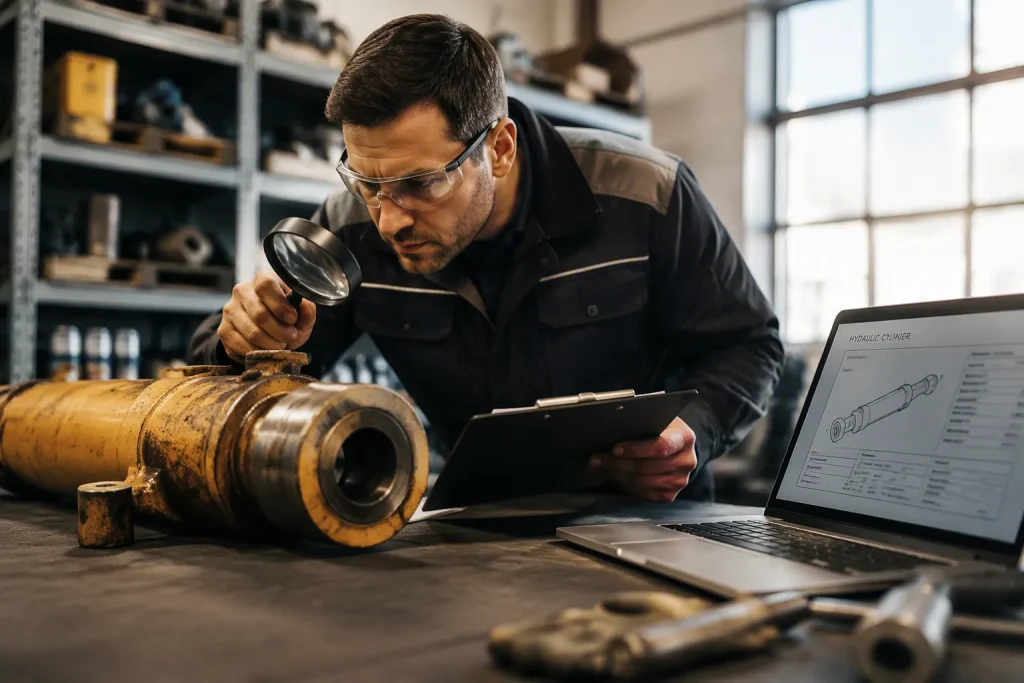
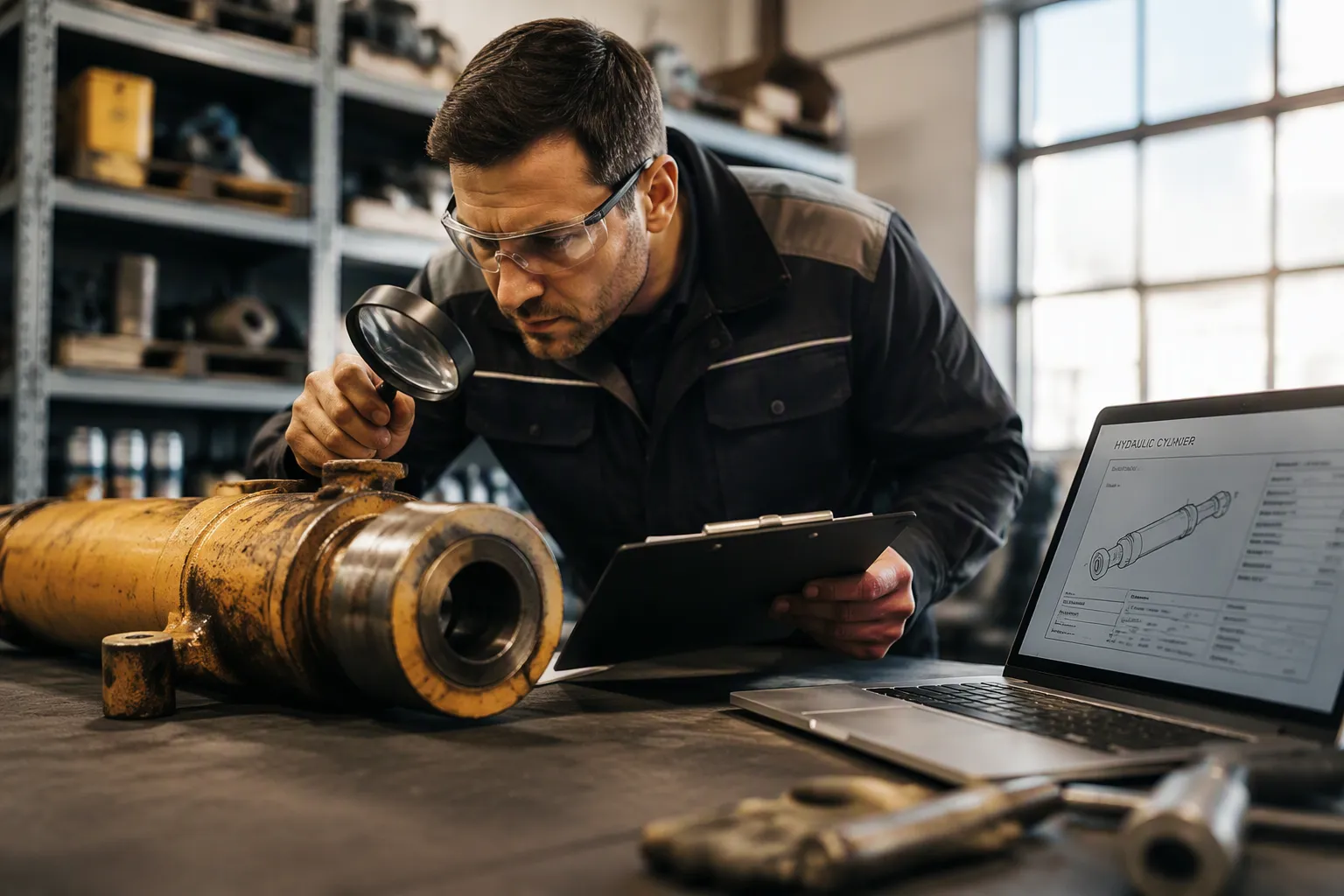
Request recent photographs of the actual part from several angles. Ask for close-ups of mounting faces, threads, connectors, sealing surfaces, visible wear, and any area described as repaired. The images should show the identifying marks as well as the full component, so you can connect the condition evidence to the item in the quote.
Ask what inspection was performed and when. If a report is available, check that it identifies the part, lists the observations, and corresponds to the photographs. For a component removed from a machine, ask what operating or repair history is known and which details are based on records versus visual inspection. A photograph can show visible condition, but it cannot establish every internal measurement or operating characteristic.
For a high-value or critical component, consider a qualified inspection or suitable test before installation. Ask what the proposed test can establish and what it cannot. Keep the results with the part number and order documents. Avoid treating a general condition label such as “good” or “tested” as a substitute for a specific report or an agreed acceptance criterion.
Put Order and Delivery Details in Writing
Before payment, compare the written quote with the item being offered. It should identify the part number, description, condition, quantity, included items, price, and any agreed inspection or fitment conditions. Confirm the stated warranty or return terms directly in the order documents, including the process and time window that apply. Do not rely on a verbal explanation when the written terms say something different.
For delivery to the United States, confirm the destination address or receiving point, the planned shipping method, the party arranging transport, the estimated dispatch and delivery window, and who is responsible for freight charges. Ask how the part will be protected and secured during transport. Request a photograph of the packed shipment and copies of the shipment documents relevant to your order. Have the supplier explain any document or delivery detail you do not understand before dispatch.
Keep a single record containing the machine identifiers, part number, fitment response, condition evidence, itemized quote, agreed terms, and delivery updates. When any document conflicts with the quoted part or your machine details, stop and resolve the discrepancy before proceeding. This makes it easier to review what was promised and what was actually supplied.
Frequently Asked Questions
What information should I send for a fitment check?
Provide the machine manufacturer, complete model designation, full serial number, and the part or assembly number. Add clear photographs of the identification plate, the installed component, its markings, and relevant connections or mounting points. Ask the supplier to state in writing which details were used for the check.
What if the used part has no readable number?
Do not identify it from appearance alone. Request additional photographs, assembly information, dimensions, and any available records that link the component to a machine or part number. If the identity and fitment cannot be established, pause the order until they can.
Are photos enough to confirm a used part’s condition?
Photos can help show visible wear, damage, or missing items, but they do not establish every internal condition. Ask what inspection or testing was performed and review any report that identifies the actual part. Arrange an appropriate independent inspection when the component or purchase warrants it.
For help checking excavator parts against your machine details, consider YNF Machinery. Share the model, serial number, and part number, and request written fitment confirmation and relevant condition information before ordering.