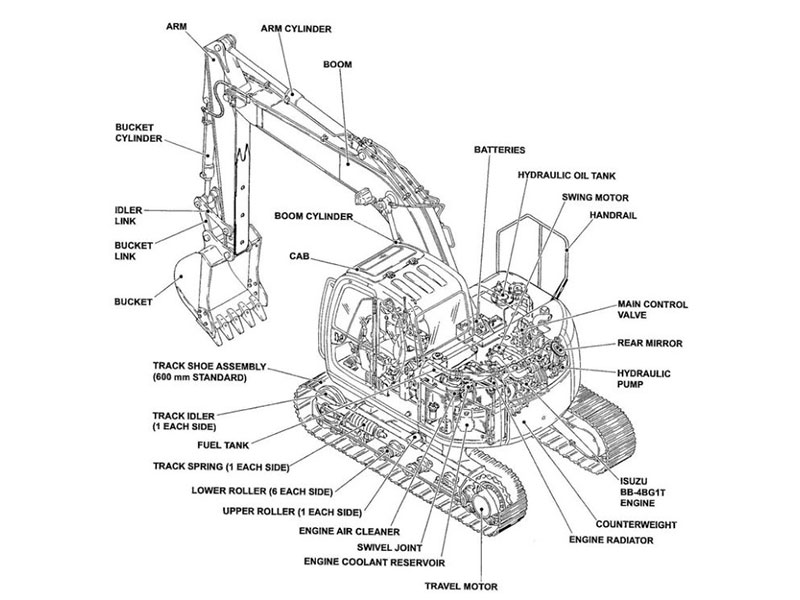
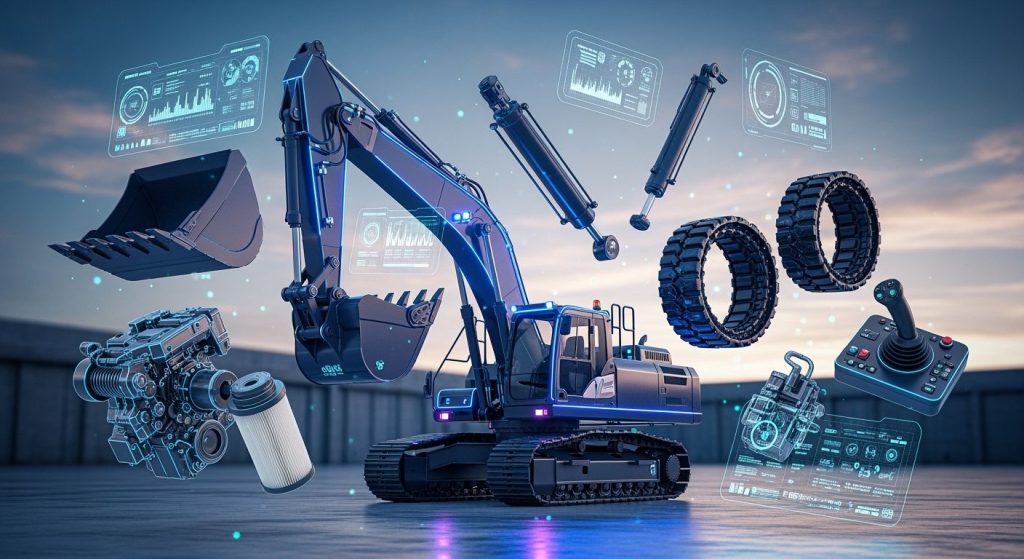
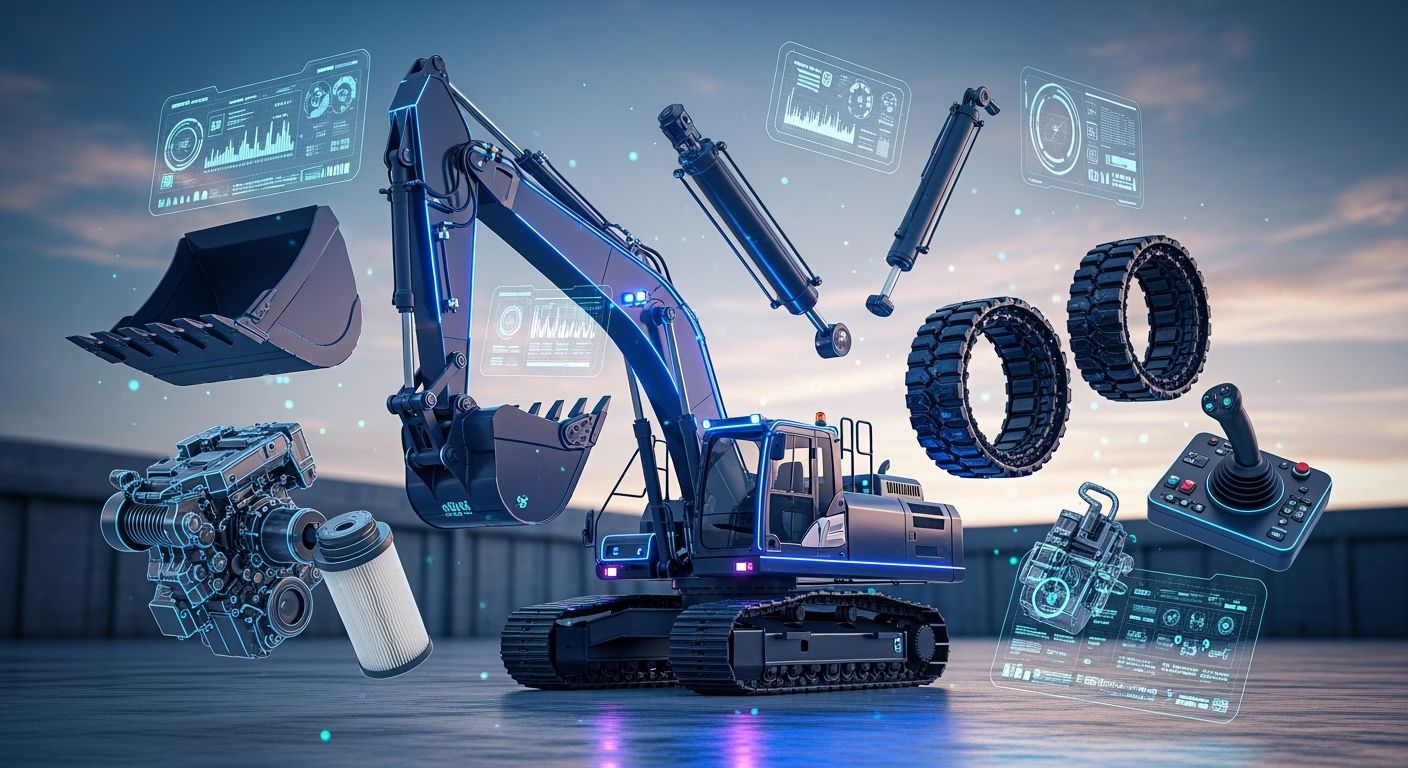
Every excavator has three main sections: the undercarriage, the upper house with its cab, and the front attachments. You need to check these key parts often to prevent unexpected breakdowns. Fast-wearing pieces require regular care so your machine keeps running without any problems. Large dirt-moving jobs made up nearly one-third of the replacement parts market in 2025. This fact proves that workers depend on strong parts for routine excavator upkeep. Good routine care stops heavily used parts from breaking down too soon. As a top worldwide seller, YNF Machinery provides dependable replacement options for all your equipment. You can easily buy vital excavators & parts from us anytime.
Key Takeaways
Excavators depend on three primary areas: the lower undercarriage, the top cabin, and front digging attachments.
Taking good care of your tracks and washing off mud every day prevents expensive frame damage and saves fuel.
Swapping the bucket teeth around every 200 hours helps them last up to 50 percent longer.
Clean hydraulic fluid and tough seals keep inner pumps safe from dirt and losing power.
Checking your machine for ten minutes every morning stops unexpected breakdowns and keeps workers safe.
Main Parts of an Excavator: Structural Assemblies

Undercarriage and Track System Components
The main parts of an excavator start with the bottom frame. You depend on the excavator undercarriage to hold up the total machine weight while driving over rough ground. Track shoes help your machine grip the dirt. Steel track rollers hold up the heavy track chain, while front idlers direct track motion and soak up heavy bumps. Drive sprockets catch the track links to push your equipment forward. Together, these vital frame parts offer needed grip and lower stability during heavy digging jobs.
Damage on a single undercarriage part can lower machine power, waste fuel, reduce safety, and shorten the life of nearby parts.
Normal wear on track shoes, rollers, or sprockets creates extra rubbing and makes driving harder. Your machine works much harder to travel, which burns up extra fuel. Good care for your excavator undercarriage stops quick wear on moving parts. Tracks that are pulled too tight put heavy pressure on bearings, causing fast part damage and frame cracks. Tracks that hang too loose cause shaking and fast wear on pins, bushings, and sprockets. Leftover dirt and mud on the track system scrape the metal like sand. This rough dirt creates weak spots that turn into frame cracks later on.
Track Type | Typical Service Life (Operating Hours) |
|---|---|
Rubber Tracks | 1,500–2,500 hours |
Steel Tracks | 3,000–5,000+ hours |
Picking rubber tracks or steel excavator tracks depends on the ground at your work site. The normal life for rubber excavator tracks is 1,200–1,600 working hours under specific digging depths and ground conditions. Rubber tracks give a smooth ride on paved roads, while steel tracks handle sharp rock grounds.
The House Deck, Engine, and Cab
The top body rests on a spinning swing bearing attached to the bottom frame. This upper house holds the diesel engine, main control valve, fuel tank, and counterweight. The diesel engine produces power to run strong hydraulic pumps. The heavy counterweight balances heavy front bucket loads to keep the machine steady when reaching out far. Taking care of standard excavator parts inside the house stops major frame damage and sudden job delays.
Cost Component | Price Range |
|---|---|
Swing Bearing Part | $1,000 – $5,000 |
Labor for Replacement | $2,000 – $4,000 |
Estimated Total Repair Cost | $3,000 – $9,000 |
Fixing a broken swing bearing costs a lot of money in parts and hard work. You can avoid expensive frame damage by checking grease points and frame welds on a regular basis.
The operator cab holds important machine controls, display screens, and main safety equipment. You steer movement using smooth hydraulic joysticks and foot pedals. Comfortable cabs built with wide glass windows and camera setups reduce dangerous hidden areas and stop bad posture. Modern air systems, noise-blocking walls, and soft seats protect workers from harsh weather while cutting down body shaking.
Operator comfort may not be something that’s top of mind when making business decisions, but uncomfortable operators become fatigued operators. Fatigue of any kind poses a workplace hazard, as well as reduced productivity.
Work losses from tired drivers cost business owners $1,200 to $3,100 per worker every year. Workers who constantly feel exhausted lose four point four times more work time than well-rested staff. Checking cab frames along with the main parts of an excavator keeps your workers safe and productive.
Front Attachments and Hydraulic Systems
Working Attachments: Boom, Stick, and Bucket
Excavators rely on strong front tools to move heavy earth around job sites. These key tools handle your biggest digging projects every day. A tough steel boom connects to the top frame and lifts dirt up or down. Next, the stick links this boom directly to the digging bucket. Together, the boom and stick place your bucket in the exact right spot to dig.
The hydraulic system must distribute fluid to multiple cylinders simultaneously, often with varying pressure and flow requirements. Sophisticated valve systems, including multi-spool control valves and load-sensing pumps, work together to ensure that each component of the arm receives the appropriate hydraulic power… Advanced flow management systems can prioritize certain functions based on the task at hand, further optimizing the arm’s efficiency and responsiveness.
Your metal bucket scoops right into hard ground to move dirt fast. You can tilt this bucket easily to collect, lift, or dump materials. Picking the right bucket shape boosts your overall speed and work output. Smooth controls for the boom, stick, and bucket keep your jobs running without delays.
Hydraulic Systems and Essential Parts of an Excavator
A healthy hydraulic system supplies power for every major machine motion. First, the main pump changes engine power into strong oil pressure. This hydraulic pump sends hot oil through strong flexible lines to reach motors. This pressure powers your side swing motors and bottom travel gears. Clean oil keeps all main parts of an excavator moving smoothly.
Cause of Failure | Percentage |
|---|---|
Fluid Contamination | 32% |
Material | Continuous Temperature Range |
|---|---|
NBR | -40°C to 125°C |
FKM | Up to 200°C |
PTFE | Up to 260°C |
YNF Machinery sells strong seal kits to stop oil leaks and hold pressure. Tough seals made from NBR, FKM, or PTFE handle high heat easily. Using top-tier repair kits extends your cylinder life from 800 up to 2,500 hours. These durable parts help key excavator pieces work well for a long time.
Critical High-Wear Excavator Parts to Replace
Ground Engaging Tools and Bucket Teeth
Your machine relies heavily on ground tools to break hard soil. A sharp bucket tooth absorbs huge force during digging jobs. You must track wear on these excavator parts to keep high digging power. Worn teeth reduce digging force and put extra stress on the boom frame.
Rotate bucket teeth at intervals matching roughly 50% of expected center-position tooth life. For most quarry operations, this means rotation every 200-300 operating hours.
Proper rotation stops uneven wear on your bucket setup. Follow this rotation process to extend tooth service life:
Move teeth from high-wear center spots to lower-wear outer spots for even wear.
Timing: Rotate at intervals equal to half of expected center tooth life, like every 200-300 operating hours.
Benefit: This habit extends average tooth life by 35-50% by stopping center tooth failure early.
Supporting Data: Sites using rotation plans reach nearly 900 tooth hours, compared to 400 hours without rotation.
In a busy rock quarry running two daily 10-hour shifts, tough teeth need replacement every 6-8 weeks with rotation. Those same teeth break every 3-4 weeks without rotation. Replacing dull bucket teeth protects the bucket lip during hard digging.
Filters, Belts, Hoses, and Hydraulic Seals
You must perform regular preventive care on engine filters, drive belts, and rubber hoses. Dirty fluid causes severe wear on internal parts of an excavator. Contaminated fluid damages cylinder rods and scrapes the main boom setup.
Condition | Recommended Filter Change Interval | Key Supporting Detail |
|---|---|---|
Typical/Moderate Contamination (Baseline) | Return filters: Every 500-1,000 operating hours | Applies to construction equipment like excavators under standard jobsite conditions. |
Extremely Dusty Environments | Intervals reduced by 50% or more from baseline | Specifically mentioned for equipment in quarrying operations, demolition sites, and dusty conditions, requiring more frequent changes. |
Dirty fluid ruins internal parts through a clear chain reaction:
The outer wiper seal on a cylinder rod fails, letting dirt enter the hydraulic system.
Rough dirt particles scrape and damage the cylinder rod surface as it moves around.
The rough, damaged rod surface quickly wears down the main rod seal behind the wiper.
Dirty fluid flows through lines, damaging other key parts like valve spools and pump internals.
This damage causes fluid leaks, lower hydraulic pressure, and reduced boom lifting power. This power loss lowers boom speed during daily jobs. Hard dirt causes poor seal action and chemical harm to rubber O-rings. Planned care stops sudden engine overheating and costly part failures. Swapping weak hoses stops severe pressure loss. You protect main excavator parts by checking fluid lines often. You protect high-wear parts of an excavator by doing daily routine checks. Good care restores machine power and keeps job sites moving forward. Sticking to routine care keeps your heavy equipment working safely every day.
Proactive Equipment Maintenance and Sourcing
Daily Inspection Routines for Excavators & Parts
You protect your equipment investment by committing to proactive preventive maintenance every morning. A complete daily maintenance routine usually takes 10 to 15 minutes before your shift starts. You start by examining the undercarriage and tracks for wear or damage. Proper preventive maintenance demands regular undercarriage maintenance to keep your machine balanced during digs. You should measure track sag, check rollers, and clear away dirt around your excavator tracks.
Your daily preventive maintenance checklist must focus on four key areas:
Track Inspection: Measure track sag and check sprockets, pads, and tracks for wear.
Hydraulic Health Check: Look for oil leaks, test smooth operation, and monitor fluid levels for optimal maintenance.
Working Attachment Check: Inspect bucket teeth, check pins, and verify all safety features on attachments.
Startup Test: Cycle hydraulic functions, observe panel gauges, and verify peak performance.
Catching minor leaks early keeps your preventive maintenance schedule effective. Damaged seals allow dirt into lines, which reduces operational efficiency over time. Proper preventive maintenance protects sensitive excavator components against sudden failures. Performing this maintenance routine every morning boosts overall excavator reliability.
Sourcing Reliable Components with YNF Machinery
Finding high-quality replacement options for excavators & parts directly affects your project timeline. Unplanned breakdown delays destroy job profit margins. Proper equipment maintenance requires dependable components. YNF Machinery serves as a trusted global partner with over 35 years of industry experience. We provide durable excavator parts for over 26 major machine brands. Our competitive pricing and low minimum order quantities help you stock necessary parts within your budget.
Fast global shipping support keeps your fleet working without long delays. Air freight delivers urgent orders in 5 to 10 days for critical site needs. Ocean freight safely ships heavy parts within 20 to 40 days at lower rates. Partnering with YNF Machinery simplifies preventive maintenance while restoring peak excavator working power. Consistent preventive maintenance coupled with quality component replacement increases working efficiency. Following strict preventive maintenance preserves your excavator fleet value. Ongoing system maintenance ensures long-term excavator productivity.
Understanding your machine’s main build helps you get the most work done. Regular tune-ups stop surprise machine breakdowns during tough digging tasks. Checking your machine often also saves heavily used parts from wearing out too soon. Smart owners use simple care habits to help their equipment last much longer. Good maintenance habits keep your entire fleet earning steady money every day.
You must have dependable parts to back up your basic daily care plans. YNF Machinery ships strong replacement options right to your work site. We offer top-grade Hydraulic Cylinder Seal Kits along with other key spares for your gear. Look over your equipment every morning to spot small oil leaks right away. Call YNF Machinery today to buy tough excavators & parts for your big projects.
FAQ
How often should you rotate bucket teeth on an excavator?
You should rotate your bucket teeth after every 200 to 300 hours of heavy digging work. Swapping the middle teeth with the outer ones helps them wear down evenly. Doing this quick task can make your teeth last up to 50 percent longer.
What materials work best for hydraulic cylinder seal kits?
Strong materials like NBR, FKM, and PTFE give you great toughness and protect against high heat. NBR works well in normal temperatures, but FKM and PTFE handle extreme heat up to 260°C. Using these good seals stops oil leaks and keeps strong hydraulic pressure in your machine.
How do you prevent premature excavator undercarriage wear?
Measure track tightness every morning and remove packed mud after finishing your work shift. Loose tracks quickly damage your pins and sprockets, but tight tracks put too much stress on bearings. Cleaning your tracks daily cuts down on rubbing and protects the metal frame from major damage.
Where can you source reliable replacement components?
You can buy durable excavators & parts right away from the team at YNF Machinery. YNF Machinery sells strong replacement parts built with more than 35 years of trusted experience. We supply tough parts for over 26 top machine brands with fast shipping worldwide and low minimum orders.