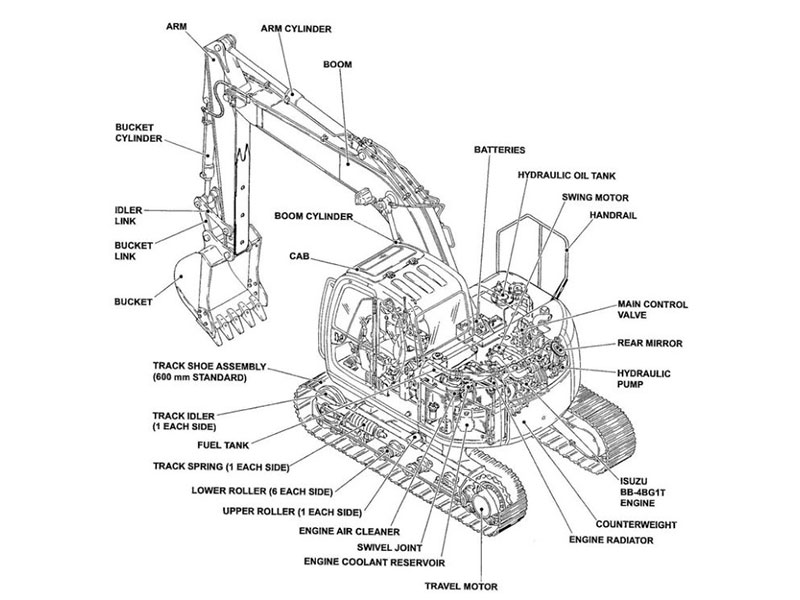
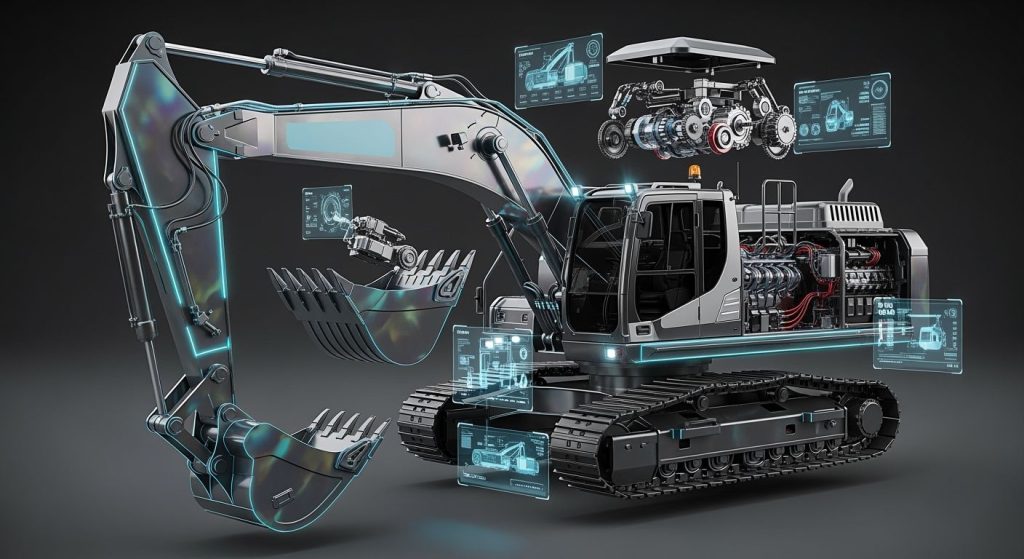
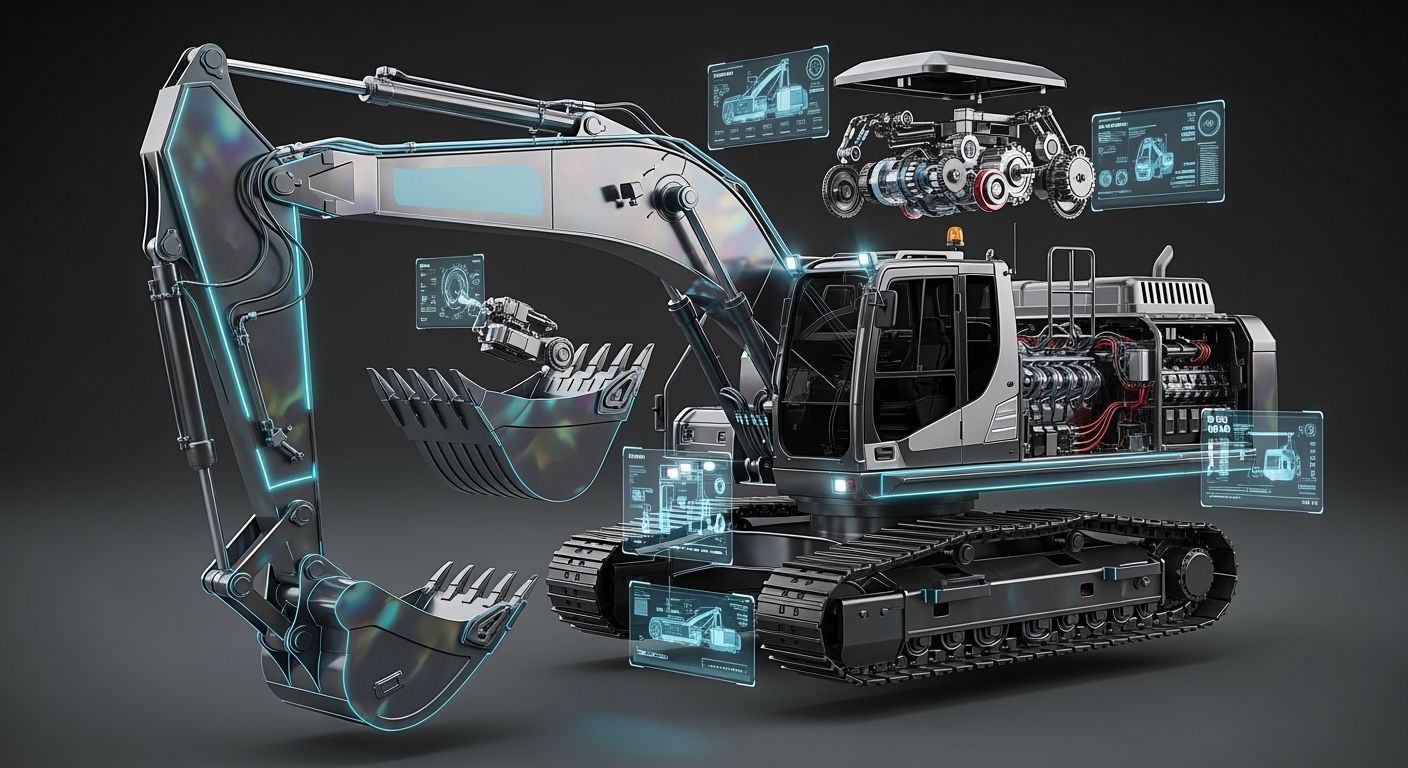
All modern excavators rely on three main building blocks: the undercarriage, the house, and the front attachments. You handle heavy jobs by using these core excavator parts properly. The undercarriage keeps the machine steady on rough, uneven ground. Meanwhile, the swing motor spins the house cab to create spinning power. Hydraulic pumps push pressurized fluid to move the boom, stick, and bucket. Looking at an excavator parts diagram helps you understand how an excavator works. You can easily learn the main excavator parts through daily practice. Fluid smoothly transfers power throughout all parts of an excavator. Knowing the name of excavator parts and their jobs helps you get more work done.
Key Takeaways
Excavators rely on three main parts to function: the undercarriage, the house, and front attachments.
The diesel engine provides power to hydraulic pumps that easily control the boom, stick, and bucket.
The top part spins completely on a rotating ring to move heavy soil fast.
Checking your equipment every day and fixing small issues keeps these heavy machines running smoothly and avoids costly repairs.
Understanding the Excavator Undercarriage Structure
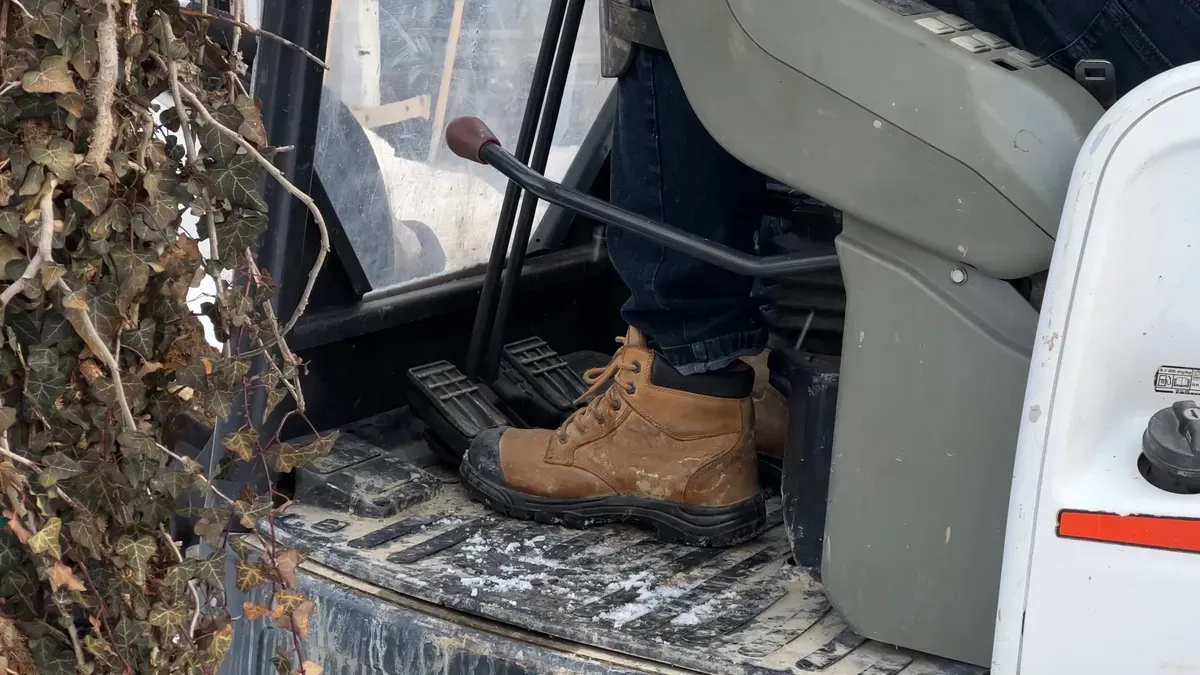
You rely on the excavator undercarriage to maintain balance and mobility during heavy lifting. This lower assembly carries the entire machine weight while navigating rough ground. The core structural layout spreads machine mass evenly across the working surface.
Undercarriage Design Type | Contact Area & Ground Pressure | Terrain Stability & Load Capacity |
|---|---|---|
Tracked Undercarriage | Large ground contact area disperses pressure, preventing the machine from sinking in soft or muddy ground. | Offers superior stability and higher weight capacity on uneven or harsh terrain. |
Wheeled Undercarriage | Smaller contact surface area results in higher localized pressure. | Lower stability under heavy loads and uneven ground, but optimized for speed on flat surfaces. |
Track Systems and Roller Assemblies
You can choose steel or rubber track options for your job site needs. Steel setups offer high structural rigidity. These steel links deliver uniform load transfer across difficult surfaces. Rubber systems flex under heavy loads, creating concentrated pressure directly beneath the support rollers.
Bottom rollers support machine weight along the lower track frame. Top carrier rollers guide the upper track loop back toward the drive end. These critical components prevent sagging and protect undercarriage parts against extreme mechanical wear.
Drive Sprockets, Idlers, and Motors
Hydraulic motors convert fluid energy into mechanical power to move your equipment. You can trace this power transfer through a simple step-by-step process:
Main pumps push strong fluid into hydraulic travel motors to start movement.
Fluid pressure quickly turns inside the motor to generate spinning motion.
Heavy gears slow down this fast spinning to boost total pushing force.
Strong metal shafts deliver high turning power straight to drive sprockets.
The rotating sprocket engages track chain links to drive excavator tracks forward or backward. At the front end, tensioning units push the front idler outward using internal grease cylinders. Internal springs absorb strong operational shocks to keep proper track tension. Dual flange idlers maintain proper track alignment and prevent your track from sliding off during sharp turns. Proper maintenance of these components keeps your machine working efficiently every day.
Key Parts of an Excavator House and Cab
You must learn the top main excavator parts to control your machine well. This upper platform acts as the central rotating base that holds all main machinery. The house sits right on top of the bottom frame. It holds main engines, gas tanks, inner system parts, and safe driver frames. Learning basic excavator parts and their jobs helps you operate big tools safely at work. Strong steel frames build a tough support base for the cab using long beams, side beams, and tall posts. A thin metal cover with extra panels attaches right to this main frame. You can reach inner engine parts easily using side access doors built into the outer house wall.
Slewing Ring and Swing Drive
A big swing bearing links the top house base to the bottom track frame. A strong hydraulic swing motor spins this big slewing ring to turn the cab in full circles. You use this smooth spinning move to shift heavy dirt and swing work items fast around your site. A big back counterweight made of iron or steel balances heavy loads to keep the machine steady during hard work. This spinning top section holds the driver cab and engine room while keeping track shakes away from you.
Safety Standard | Protective Structure Type | Machinery Application Criteria |
|---|---|---|
ISO 12117-2 | ROPS Roll-Over Frame | Hydraulic construction excavators exceeding 6 tonnes |
ISO 3471 | ROPS Roll-Over Design | Earth-moving or construction non-swing machinery |
ISO 8082-2 | ROPS Roll-Over System | Forestry swing-type machinery |
ISO 3449 | FOPS Falling Object Defense | Ride-on earth-moving machinery (Level 1 and Level 2) |
These safety frames use a single steel structure to protect your work spot. ISO 3470 safety tests check frame strength to save your life during bad flips or big falling rocks. You get a clear view of working tools while staying safe inside this strong steel cab.
Diesel Engine and Main Control Valve
The diesel engine works as the main power engine for the whole machine setup. It performs two big jobs during daily hard work. The engine sends drive power to track motors so you can move over rough ground. It also powers the main hydraulic pumps to move working front tools. The main control valve takes fluid from these pumps and sends power to each tool cylinder. This special valve unit sits among the most key parts of an excavator for directing power. The valve box controls oil paths, fluid pressure, and flow speeds for smooth work moves.
You can follow how the engine mixes output power with hydraulic systems in four easy steps:
Power Identification via Data Models: A simple data table matches engine power output with motor speed to find the right horsepower for changing work tasks.
Displacement Combination Querying: The system checks a data chart using needed horsepower to pick the best pump and motor size settings.
Throttle-Displacement Coordinated Control: The main controller adjusts gas flow and pump size automatically using real engine speeds and changing work loads.
Power Matching and Absorption: The hydraulic setup takes in engine power by changing pump sizes to stop engine stalls, prevent overloads, and save fuel energy.
Learning these main excavator parts helps you boost work speed and daily machine output. You can track machine feedback easily, move heavy tools with care, and protect inner parts from fast wear during daily jobs.
The Working Assembly and Front Attachments
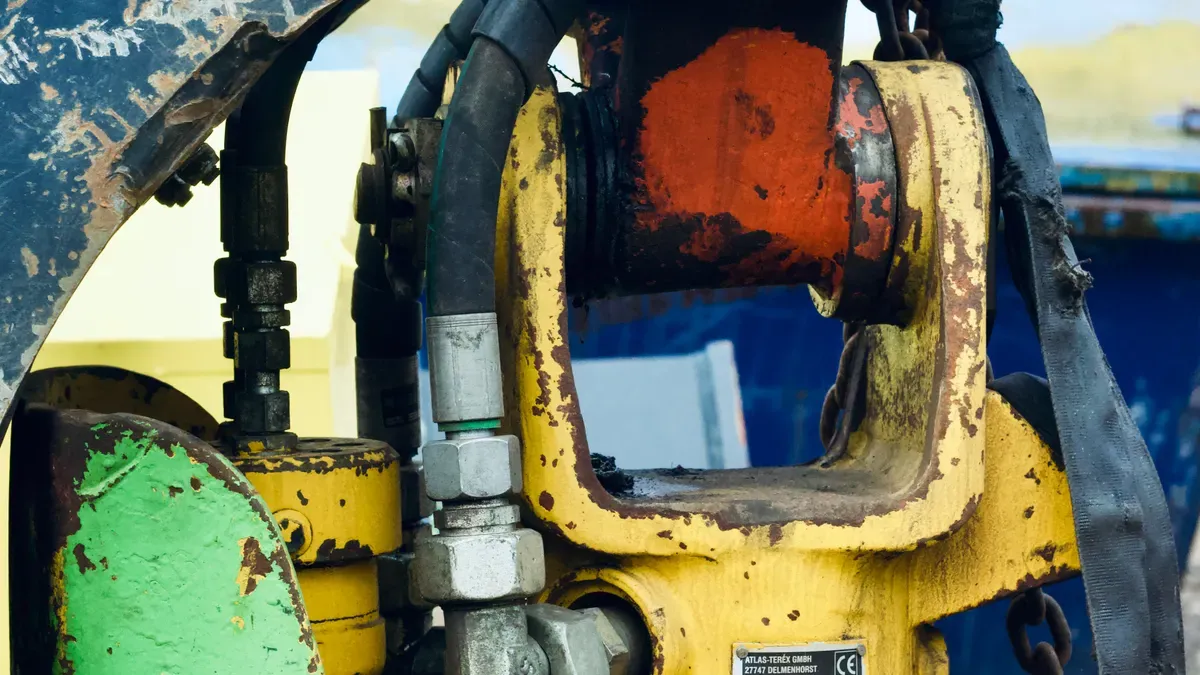
You control the main front structure to move earth with high accuracy. This heavy front assembly forms the principal digging mechanism on any job site. You rely on your excavator to handle heavy work every single day. Understanding the physical layout helps you master daily machine tasks quickly and safely.
Boom, Stick, and Cylinder Dynamics
The main structure balances hydraulic fluid pressure across three primary hydraulic cylinders. A confluence valve merges operating oil discharged from both primary left and right hydraulic pumps during simultaneous actuation of the boom, arm, and bucket. Unified supply channels distribute combined pump pressure evenly across all three actuators. Advanced control valves synchronize fluid delivery concurrently. This steady flow enables fluid arcing motions during tough digs. Load-sensing systems modify pressure allocation to each cylinder using real-time mechanical loads.
Digging Phase | Cylinder Involvement | Hydraulic Pressure Dynamics |
|---|---|---|
Active Soil Contact | Boom cylinder locks; Arm and Bucket cylinders work dynamically | Pressure continuously ramps up in arm and bucket cylinders to overcome increasing soil resistance |
Post-Digging & Lifting | Boom cylinder unlocks to perform lifting | Digging resistance drops; oil pressure inside arm and bucket cylinders decreases automatically |
You drive these important parts of an excavator to complete heavy trenching tasks. The excavator arm pushes into deep ground. Your excavator arm extends reach across wide trenches. Meanwhile, the bucket cylinder rotates the digging bucket to trap loose materials cleanly.
Name of Excavator Parts in Front Attachments
You use specific terms when identifying front excavator components. Knowing the standard name of excavator parts improves team communication on construction sites. Learning the name of excavator parts keeps your machine operating smoothly. Each item supports specific excavator parts functionality during continuous operation.
Boom: Big steel arm attached to the body that moves up and down with hydraulic cylinders.
Arm (Dipper Stick): Long metal piece linking the boom to the bucket that helps reach far out.
Bucket: Main scoop with sharp teeth that digs through dirt, rock, or hard ground easily.
Hydraulic Cylinders: Strong power rods that push and pull the boom, stick, and bucket parts.
Linkage (H Link): Heavy metal joint that holds tools tight and moves them smoothly together.
Ground Engaging Tools: Wear parts like teeth, blades, and side cutters attached to protect the bucket.
Excavator Couplers (Quick Couplers): Special locking tools that let drivers change front attachments quickly and safely.
You can customize the front assembly for specialized tasks. Standard attachments include grading tools, rock breakers, and clamshell shells. Modern machinery changes working ends fast with quick-change mechanisms. Every single part guides raw hydraulic force straight into the target ground.
You pull the stick cylinder to bring materials closer to the cabin. The main boom lifts heavy filled containers toward dump trucks. Ground engaging tools shield the main structure against direct rock friction. Sidecutters cut through tough earth to protect structural side walls. You inspect every pin location every morning. Proper greasing keeps these linkages moving smoothly during hard daily work.
Hydraulic Systems and Parts of an Excavator
You operate liquid power systems to drive heavy job site tools effectively. The engine transfers kinetic force straight into fluid pressure. High-pressure oil flows across continuous loops to power every mechanical movement.
Hydraulic Pumps and Fluid Flow
You rely on the excavator hydraulic system to supply continuous liquid power across all attachments. Main engine mechanical drives turn variable displacement axial piston pumps to move pressurized oil through strong steel lines. This circulating liquid delivers immense force directly to digging tools. You learn the working principle of an excavator by tracking this continuous liquid energy flow.
Variable displacement axial piston pumps regulate output fluid under changing job site loads:
Swash Plate Angle Adjustment: Main variable displacement axial piston pumps regulate fluid output by modifying the inclination angle of the swash plate.
Piston Stroke Modulation: Altering the swash plate’s tilt directly changes the stroke length of the reciprocating pistons inside the pump.
Displacement Control: Varying the stroke length increases or decreases the fluid volume displaced per revolution, enabling precise flow regulation tailored to system load variations and pressure control signals.
Electro-Hydraulic Controls and Valves
Modern machines use advanced electro-hydraulic valves to guide high-pressure fluid with high accuracy. Electric joysticks in the cab send fast signals straight to electronic control microprocessors. These controllers instantly route fluid through vital parts of an excavator during complex tasks. You manage fluid flow to different parts of an excavator by moving your joysticks with light finger pressure. Main control valves balance pressure across multiple hydraulic system loops simultaneously.
Pressure sensors track fluid resistance continuously to protect the hydraulic system against severe shock loads. These electronic control units change oil pathways automatically during heavy trenching operations. Proper daily maintenance ensures that essential parts of an excavator maintain steady movement under extreme ground resistance. Every operator command relies on these integrated parts so that your overall excavator hydraulic system works reliably.
Maintaining the Main Parts of an Excavator
You protect your machinery investment through active excavator parts maintenance. Daily care for high-wear parts of an excavator stops sudden delays during site jobs.
Ground Engaging Tools and Wear Management
Set up regular check schedules to shield your bucket and front attachments. Daily checkups safeguard key parts of an excavator from frame damage.
Daily Inspection Protocols: Walk around your machine daily to spot loose or missing teeth, worn hardware, and cracked edges.
Weekly Inspection Protocols: Check your gear weekly to measure tool wear, test bolt tightness, and inspect bucket blades for bent metal.
Replacement & Wear Limits: Swap or turn bucket teeth showing 50% to 70% wear to stop major drops in digging power.
Track tensioners and hydraulic seals also need ongoing attention. Correct track tension stops fast undercarriage wear. Good track alignment prevents tracks from slipping off. Clean seals shield inner moving parts. Following smart care routines helps your machine run longer every day.
Sourcing Strategy: OEM vs. Aftermarket
Picking the right excavator replacement parts affects your total gear care budget. Look at every option carefully when buying parts for your excavator.
Metric / Metric Type | OEM Components | Aftermarket Components |
|---|---|---|
Upfront Cost Reduction | Baseline price (Standard OEM cost) | 20% to 50% lower upfront price |
Specific Cost Examples | • Sprocket: $2,500 | • Sprocket: $1,500 |
Hidden / Additional Expenses | Standard installation timelines | • +15% to 20% in extra labor due to fitment issues |
Component Lifespan | ~2,500 operating hours | ~1,200 operating hours (fails ~1.5x faster) |
Overall ROI (5,000 Hours) | Higher ROI (Outperforms aftermarket by 10%–15%) | Lower ROI due to downtime and frequent replacements |
Calculate your cash returns over the working life of your equipment using four basic steps:
Determine Expected Lifetime Revenue: Guess total money earned by the machine while using this specific replacement piece.
Calculate Total Component Expenses: Add up part prices, lost work time costs, and repair labor bills together.
Compute Net Financial Gain: Subtract these total part costs from your overall earned income.
Evaluate ROI Percentage: Divide net earnings by initial part cost using this simple math equation: ROI = [(Total Revenue – Expenses) / Initial Part Cost] × 100.
Factory parts offer steady strength for your excavator. Quality excavator replacement parts give you the best long-term machine output.
You master daily excavator operation by learning how every main component functions. You improve your operational precision when you understand the synergy between the upper house and the lower undercarriage. Regular maintenance protects your machinery from sudden breakdowns. Inspecting each track and your hydraulic system seals keeps high-wear parts safe from damage. Early checks prevent catastrophic equipment failures on busy job sites.
Proper care boosts total machine uptime and extends working lifespan. You maintain track alignment to shield the frame against stress. You maximize your long-term equipment ROI through smart excavator maintenance. Understanding total component synergy keeps your fleet running efficiently every day.
FAQ
Where can you find technical information about machinery layouts?
You can study an excavator parts diagram online to learn excavator parts and their functions. System charts show parts of an excavator clearly. YNF Machinery provides expert support and quality excavator replacement parts for your fleet.
What roles do front components perform during digging?
The excavator arm extends your reach across deep trenches. Your bucket digs into soil and lifts heavy debris. Different types of excavators rely on these sturdy front components to handle tough earthmoving jobs.
How do you confirm specific component terms for lower drive systems?
You check manual listings to verify the exact name of excavator parts. Identifying your track assembly components prevents ordering errors. Trusted suppliers like YNF Machinery offer reliable components to keep your machinery running smoothly.
Why should you establish routine care schedules for your machine?
Performing daily maintenance protects parts of an excavator from early failure. Checking your track tension and bucket teeth preserves structural integrity. You also should learn the correct name of excavator parts to streamline your daily inspections.