Evaluate Volvo excavator aftermarket parts by confirming application, reviewing technical evidence, comparing actual offers, reading support terms and estimating ownership costs. Record the full machine and component identities and any modifications before assessing a candidate. Neither price nor a familiar model label proves compatibility.
Key Takeaways
Check your machine’s model, serial number, and part number before you buy any part.
Ask suppliers for written proof of quality, including specifications and test data.
Compare OEM and aftermarket parts using proven facts, not just price.
Before you buy, look at the supplier’s warranty terms and technical support.
Figure out the full cost over the life of the part, including downtime and how often you replace it.
Assess Machine Needs First
Confirm Machine Identity
Begin with the machine, not the part listing. Write down the model, the serial number range, and any setup changes or past modifications. A part that fits one build of a model may not fit another. Also confirm the component identity, because the same assembly can differ across production runs.
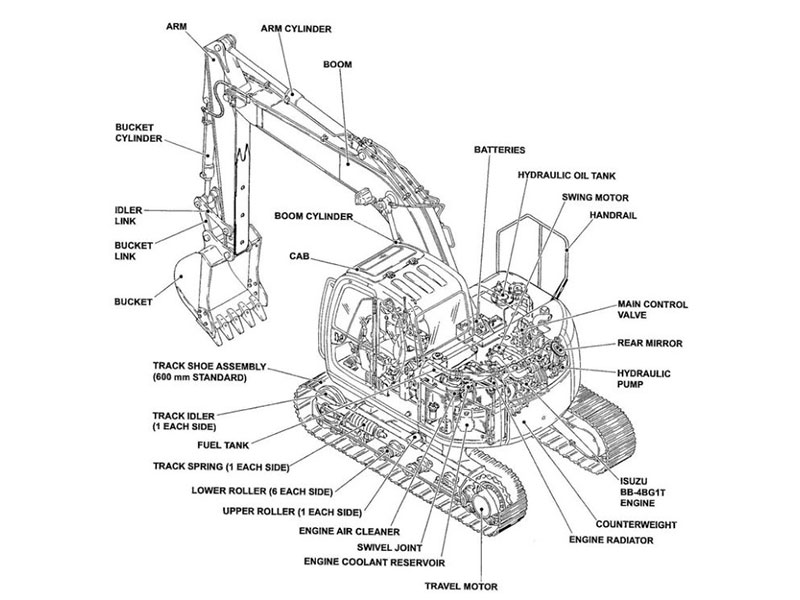
Next, learn how the callout number differs from the service number. The callout number is a reference on the parts diagram. The service number identifies the actual part you order. Both matter when you match a replacement, and a casting code is not automatically a service number. Check for conditional supersessions, where an earlier number is replaced under certain conditions. This step protects compatibility before you spend anything.
Define the Replacement Purpose
Define the repair objective using the applicable service information and a qualified assessment. Do not treat a temporary substitute or an advertised upgrade as acceptable without documented engineering suitability for the machine and its intended work.
Then open the applicable parts publication for your machine configuration. Use it as the reference for quantities and kit contents, and confirm what a kit includes versus what you must reuse. Consult the owner’s manual and the product packaging where relevant. Match every part against your specific application requirements, and treat proper selection as a documented process rather than a guess. Parts diagrams are not repair procedures, so plan the work separately.
Verify Specifications and Reliability
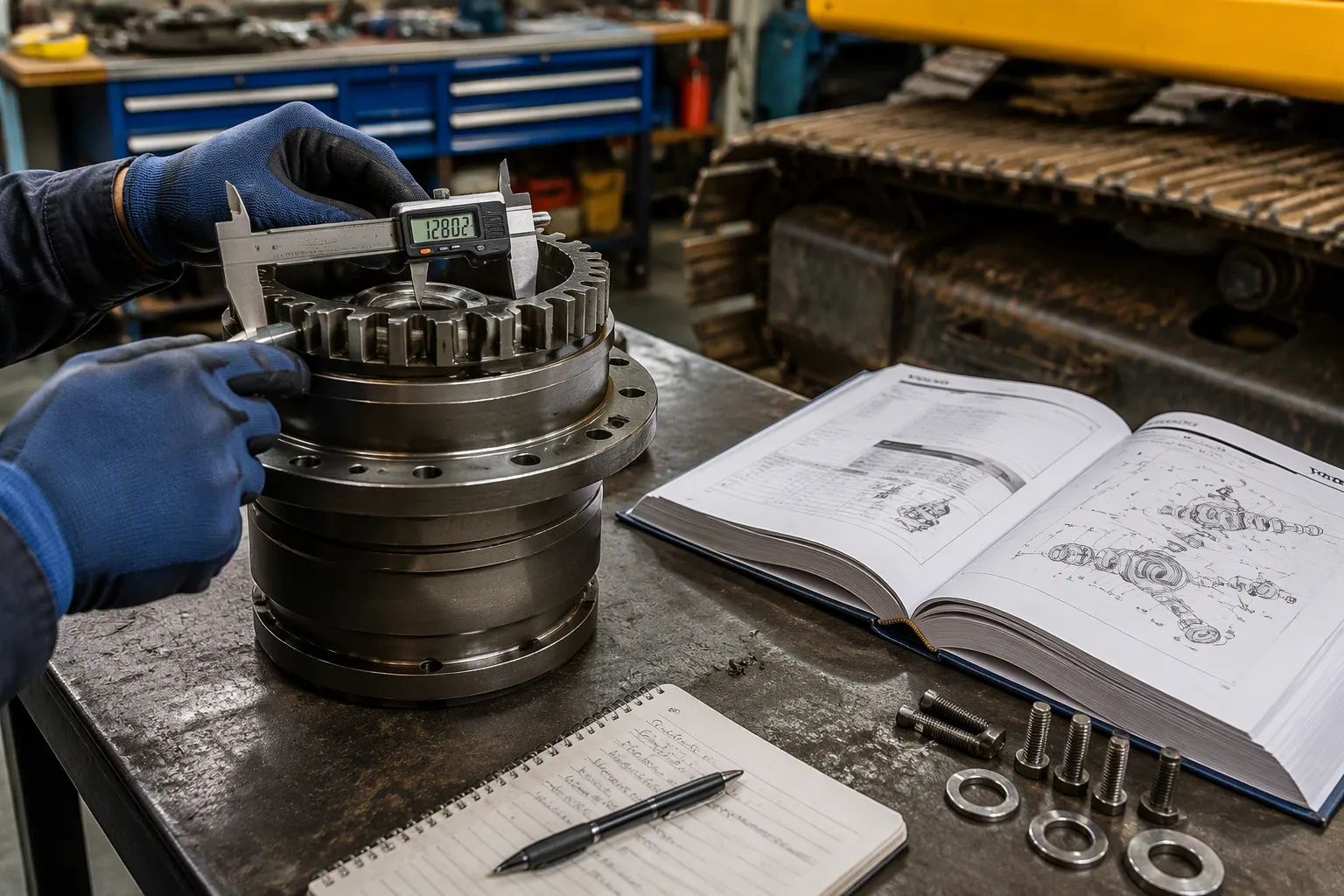
Check Compatibility and Kit Contents
Compare the proposed service reference, relevant dimensions and functional specifications with documentation that covers the actual machine and component. Confirm conditional replacements, kit contents, what must be reused and the quantity basis versus the selling unit. A matching label or visual resemblance is insufficient. Have any necessary inspection or measurement performed safely by a qualified technician under applicable service instructions.
Request relevant material, tolerance and test information, including the conditions and the product to which it applies. Evaluate suitability for the documented application and working environment; do not assume harsher work requires arbitrarily tighter tolerances. Supplier-level quality certification does not establish individual product fitment or test results.
Evaluate Aftermarket Final Drives
Final drives carry the machine’s travel load, so their specifications deserve close attention. Compare aftermarket final drives against your machine’s requirements and working environment. Check hydraulic motor compatibility, gear ratios, and mounting dimensions. Compare the rated torque and speed range to the machine’s travel demands. Ask how the unit handles the loads your job site produces. A mismatch here invites final drive failure and unplanned downtime. Use final drive selection as a documented comparison, not a guess based on price. Ask for the evidence behind each claim, and hold every offer to the same standard. Aftermarket final drives deserve the same scrutiny as any other component. Document the comparison of aftermarket final drives and keep it for the next order.
Compare rebuilt final drives with new offers using documented rebuild scope, condition, applicable testing, delivery and written warranty terms. Ask what was replaced and reused. Do not assume a rebuilt unit is cheaper, arrives sooner or performs like a new one.
Verified aftermarket parts can deliver solid performance when the evidence supports them. Unverified aftermarket parts put performance and reliability at risk. Performance claims mean little without proof. Strong reliability comes from documented checks, not labels. Reliability grows from repeatable evaluation, and reliability protects your uptime. Good performance follows the same discipline. Measure performance against the specification you confirmed. Compare aftermarket parts on evidence, not on price alone. Apply this standard to every volvo excavator aftermarket parts decision you make.
Compare Volvo Excavator Aftermarket Parts with OEM
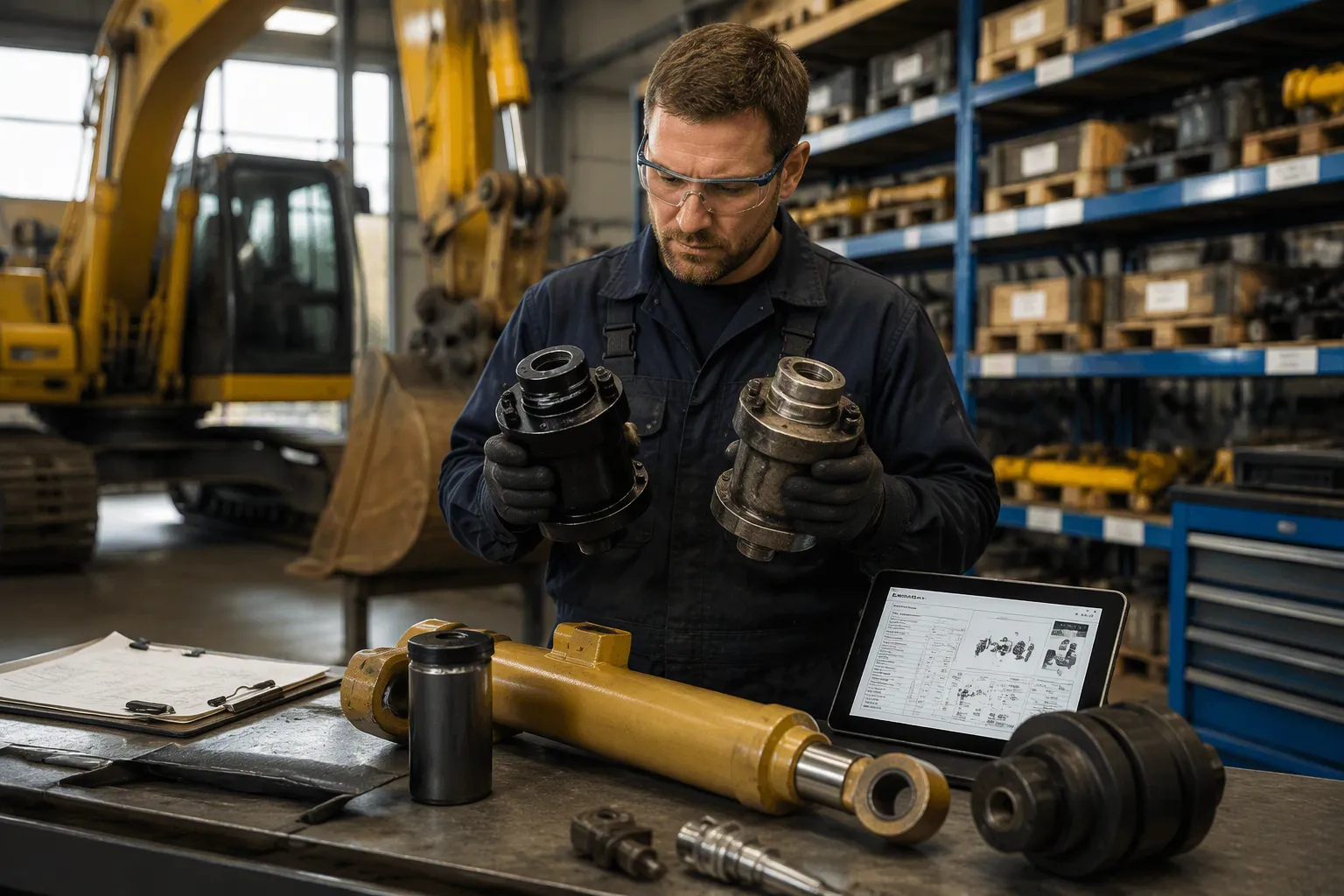
Where Each Option Fits Best
OEM and aftermarket describe sourcing categories, not a guarantee of fit, delivery or price. Verify applicability and written support terms for each actual offer. Use the scenarios below as questions to investigate rather than automatic buying recommendations.
Scenario | Evidence to Review |
|---|---|
Warranty-sensitive repair on a new machine | Read the applicable machine warranty and repair conditions; confirm part suitability. |
Urgent repair with a tight deadline | Compare confirmed stock, dispatch and delivery dates for compatible offers. |
Older machine with limited parts support | Check documented application, availability and condition across available options. |
High-hour machine facing a major component failure | Compare both on verified evidence |
A verified aftermarket part is a good match when its specifications fit your machine and the supplier documents them. Documented fit and support matter more than savings when a failure would stop a critical job or void a warranty. Base the comparison on verified specifications, not labels. A brand name alone proves nothing, and a low price alone proves nothing either. Check compatibility the same way for both options.
Weigh Cost, Condition, and Availability
Compare the quoted price, documented component condition, order scope and confirmed delivery for each offer. A rebuild description alone does not establish equivalence to a new unit.
Use actual quotations and recorded operating experience when available. Include freight, taxes, installation, return or core charges and downtime scenarios. Label uncertain service-life and downtime assumptions rather than presenting them as proven savings.
Ask what evidence supports claimed performance and apply the same compatibility checks to new, used and rebuilt offers. Record uncertainties before deciding. OEM and aftermarket are distinct sourcing descriptions; avoid ambiguous labels that combine them.
Evaluate Supplier Support and Warranty
Check Supplier Documentation
A good supplier makes the part easy to identify. Ask for the part number, the machine models it fits, and the serial number range it covers. A vague listing with a photo and a price tells you little. The supplier should confirm the part works with your model, serial number, and part number before you order. A supplier who hesitates or gives general answers is a risk.
Check that the supplied documentation is complete. You want material specifications, dimensions, and any test data the supplier has. Ask whether the paperwork matches the exact unit you will receive. Keep the confirmation in writing with your order record. This habit matters for every volvo excavator aftermarket parts purchase, because a written answer protects you later.
Read Warranty and Support Terms
Read the written warranty before ordering. Check coverage for parts, labor, freight and consequential damage, exclusions, claim procedures, inspection requirements, timing and the responsible party. Coverage varies; do not infer it from the sourcing category.
Ask what technical support is actually available and how to access it. Compare written terms against the repair requirements and potential downtime rather than assuming OEM or aftermarket options offer a particular price or warranty duration.
Plan for Long-Term Costs
Calculate Total Cost of Ownership
Estimate ownership cost from purchase and associated expenses plus expected maintenance, replacement and downtime costs over a stated period. Service life is an input to the estimate, not a cost to add directly. Use scenarios where evidence is limited.
Compare quotations using the same scope and assumptions. Record the evidence behind service-life estimates and separate confirmed charges from uncertain future costs. A lower purchase price does not establish lower ownership cost.
Plan Rebuilt and Future Replacements
For rebuilt components, request the rebuild scope, inspection and test records where applicable, reused components, core conditions and written warranty. Compare actual prices and delivery dates instead of assuming savings, faster availability or equivalence to new.
Plan future replacements around parts availability. A machine with steady support for rebuilt components faces fewer surprises. Keep an evaluation record for repeat purchases. Note the part number, the supplier, the confirmed specifications, and how the part performed. That record speeds up the next order and sharpens your judgment. Review it when you plan maintenance. Good performance in service proves the choice was right, and poor performance flags a supplier to avoid. Apply this discipline to every aftermarket parts decision, and your costs stay predictable.
Keep a purchase checklist: confirm machine and component needs, review relevant specifications, compare documented offers, read support terms and estimate costs with stated assumptions. Retain the application confirmation, quantity basis, selling unit and order scope for future reference.
FAQ
How do I confirm an aftermarket part fits my Volvo excavator?
Check four things together: the model, the serial number range, the part number, and the relevant specifications. Confirm any setup changes or past modifications on your machine. Ask the supplier to verify in writing that the part fits before you order. One matching number alone does not prove the part will fit.
What is the difference between a callout number and a service number?
The callout number is a reference on the parts diagram. The service number identifies the actual part you order. Both matter when you match a replacement. Remember that a casting code is not automatically a service number, and watch for conditional supersessions where an earlier number is replaced under certain conditions.
What technical evidence should I request from an aftermarket supplier?
Ask for material specifications, tolerances, and test data. Test data should describe the test conditions, not just a pass result. Request confirmation that the paperwork matches the exact unit you will receive. Treat quality management certification as a supplier-level credential, not proof of fitment or product test results.
How do I compare OEM and aftermarket parts fairly?
Compare both options on verified specifications, not labels. Weigh documented fit, support channels, price, component condition, and shipping timelines together. Choose OEM when documented fit and support are worth more than the savings. Choose a verified aftermarket part when its specifications match your machine and the supplier documents them.
What should I check in a warranty before I buy?
Read what the terms actually cover: the part itself, labor, shipping, or resulting damage. Ask how you file a claim, who inspects the failed part, and how long the process takes. Confirm when the warranty period starts and which conditions void it. Compare OEM and aftermarket terms on equal footing.
For Volvo excavator parts sourcing, consider YNF Machinery. Provide full machine and component identification, applicable part numbers and quantities, and request supported compatibility information, an actual quotation and written warranty and return terms before ordering.