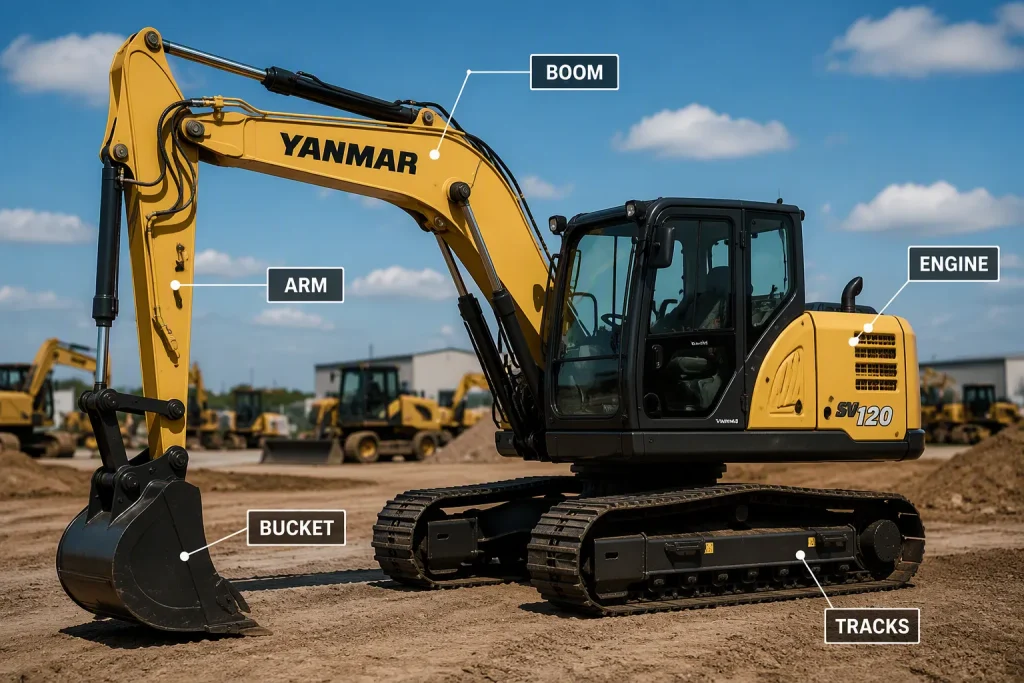
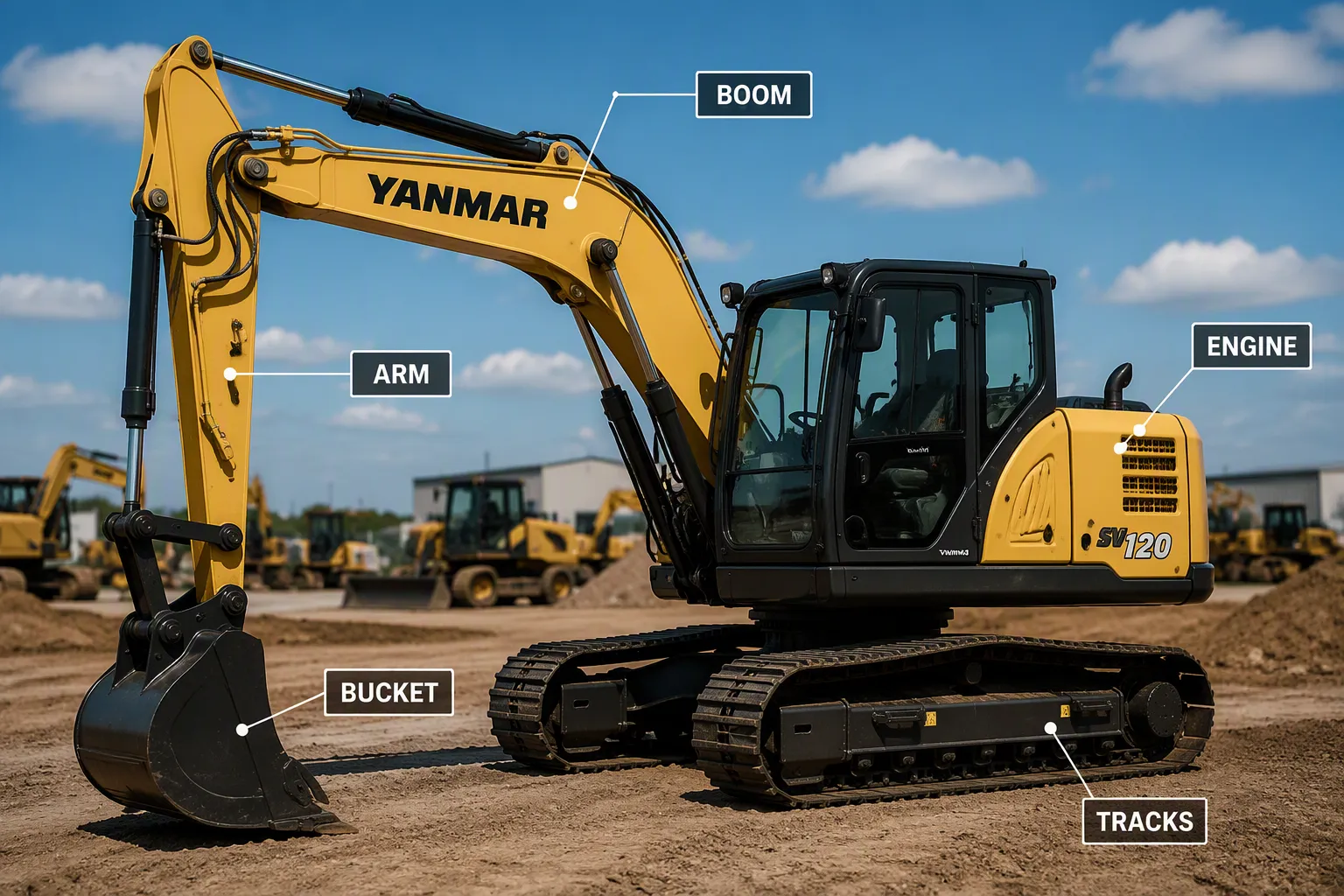
Operating a Yanmar excavator requires handling a complex machine. If you ignore its main parts, you can have costly downtime. Understanding the core components helps you stay safe and fix problems well. This guide gives a simple, no-nonsense breakdown of the machine’s parts. It starts from the ground up and helps operators, owners, and repair crews. You learn the main function of every major part and system. This knowledge is very important for daily work. It also helps you find the correct Yanmar excavator parts for sale. Using this understanding leads to more uptime and lower repair costs. A well-informed operator makes a big difference to your profits.
Key Takeaways
Learn your excavator’s key parts to avoid expensive breakdowns and stay safe.
Look at the undercarriage, tracks, and idlers often to prevent big repair costs.
Take care of the engine and hydraulic system as a team to get steady power and good performance.
Use the cab’s monitors and controls to spot problems early and work well.
Match attachments such as buckets and breakers to your machine’s specs for the best results.
Yanmar Excavator Parts for Sale: Undercarriage and Frame
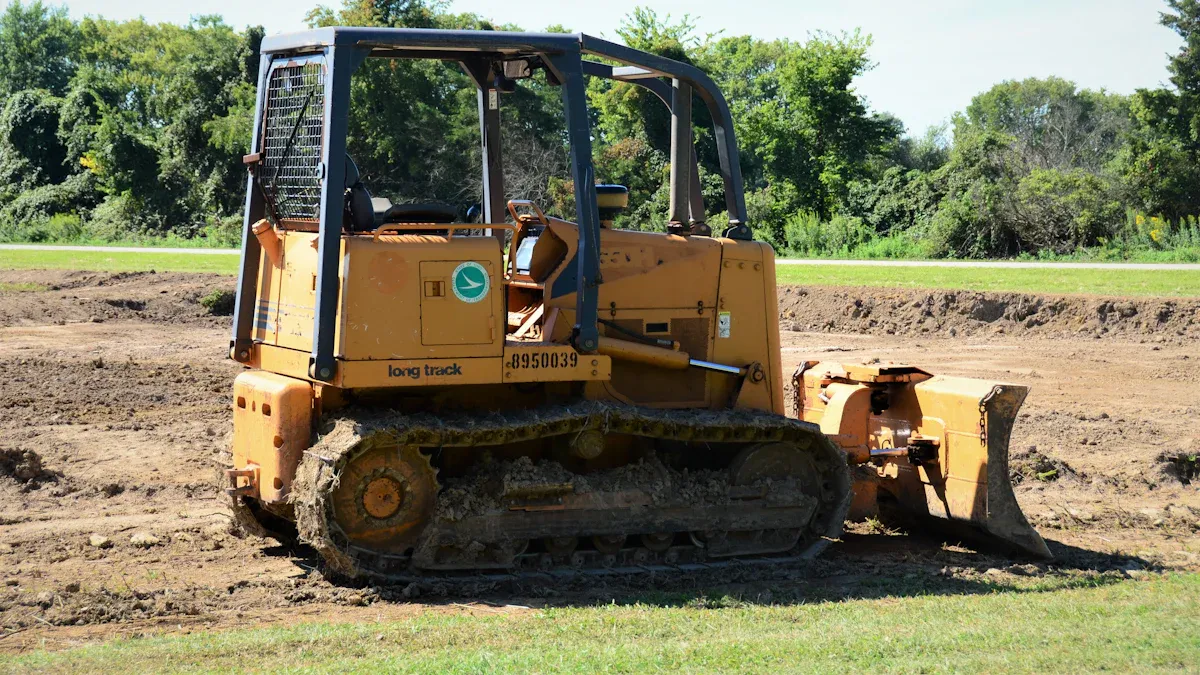
The undercarriage is the base of your excavator. This welded steel part holds the rubber tracks and links the machine to the ground. It keeps the machine steady while digging and lets it move around job sites. If the undercarriage is weak, every other part of the machine suffers. You need to know how each piece works together to keep your equipment running well.
Tracks, Sprockets, and Idlers
The tracks help your excavator grip loose soil, mud, and gravel. These rubber belts wrap around the undercarriage and spread the machine’s weight evenly. This stops the excavator from sinking into soft ground. The sprockets move the tracks forward and backward. They grab the track lugs and send power from the hydraulic motor to the ground. The idlers keep the tracks tight. They sit at the front of the undercarriage and keep the track straight as it turns.
The offset track layout on some Yanmar models changes how the track sits on the undercarriage. This design keeps the track steady and predictable, stopping it from “hunting” across the rollers. It directly reduces the shaking operators feel and cuts down side drift, unwanted noise, and early edge wear. This control matters most when you travel over rough ground or work on slopes.
Different Yanmar models have different undercarriage sizes. Here are two examples:
Specification | Compact Model | Larger Model |
|---|---|---|
Track gauge | 720–1050 mm (retracted to extended) | 1250 mm |
Minimum ground clearance | 175 mm | 325 mm |
Main Frame and Blade Structure
The main frame connects the undercarriage to the upper part of the excavator. This heavy steel piece absorbs the stress from digging and passes it safely to the tracks. The blade mounts to the front of the frame and does several jobs. You can use it to level surfaces, fill trenches, or keep the machine steady while working.
During a two-day test at a gravel plant, operators tried machines on steep slopes to check undercarriage power. The result was clear: Yanmar machines stood out with their design, good stability, and easy use. The machines showed strong grading ability and fine control, which are key for staying stable on slopes.
When you look for yanmar excavator parts for sale, check undercarriage parts first. Worn tracks or broken idlers affect every other function of the machine. Checking these parts often stops small problems from turning into big repairs. For dependable replacements, consider YNF Machinery for quality parts that fit your machine’s specs.
Excavator Power Systems: Engine and Hydraulic
The engine and hydraulic system work together as the machine’s power core. The engine creates raw power. The hydraulic system turns that power into precise movement. You need both working well to dig, lift, and move material. A failure in either part stops your work completely. Understanding these systems helps you spot problems early and keep your excavator running strong.
Diesel Engine and Cooling Components
The diesel engine acts as the heart of your excavator. It burns fuel to create rotational force. That force drives the hydraulic pumps, which then power every movement. Yanmar builds these engines to handle tough conditions. For example, the Yanmar 4TNV98 engine delivers a rated power output of 52.1 kW at 2500 rpm. This rating comes from the official Yanmar product page. That power level suits compact and mid-size machines well.
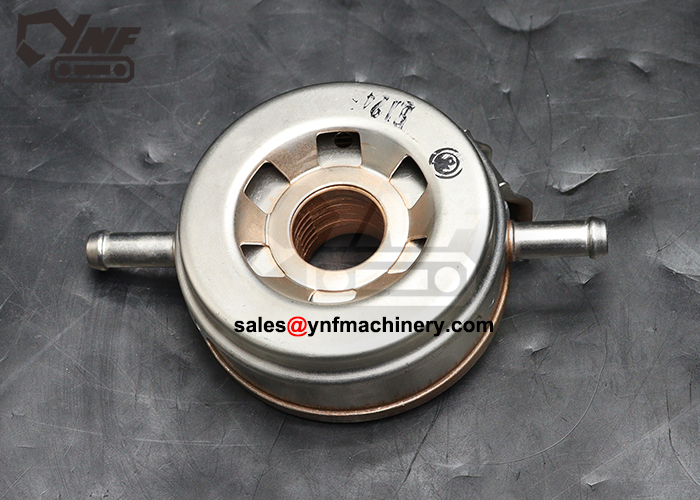
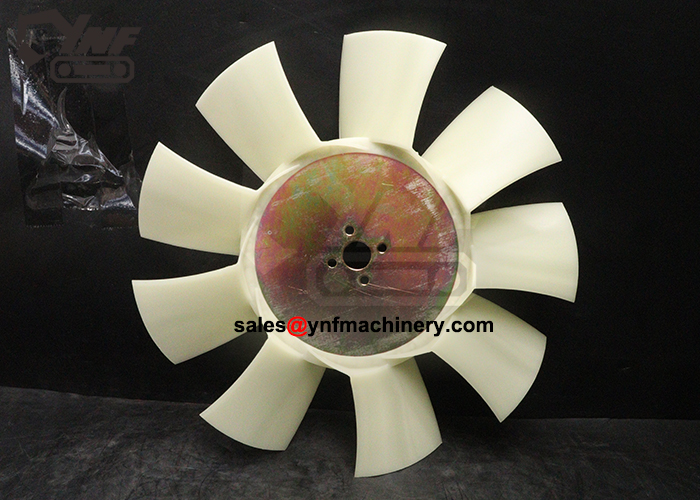
The cooling system keeps this engine from overheating. It moves coolant through the engine block and radiator. A fan pulls air across the radiator fins to release heat. You must check coolant levels daily. You should also clean the radiator fins regularly. Dust and debris block airflow quickly on job sites. An overheated engine can warp cylinder heads or seize pistons. Those repairs cost far more than routine maintenance.
The mini excavator engine runs at high speeds for long hours. This puts stress on belts, hoses, and gaskets. Inspect these parts each week. Look for cracks, leaks, or wear. Replace them before they fail. A broken belt stops your cooling fan. A leaking hose drops your coolant level. Both lead to overheating and major damage. When you search for yanmar excavator parts for sale, include cooling components in your list. A healthy cooling system extends your engine’s life significantly.
Hydraulic Pumps, Valves, and Cylinders
The hydraulic system converts engine power into mechanical force. It works through three main parts: pumps, valves, and cylinders. Each part has a specific job in the flow of power.
The hydraulic pump creates flow. It draws oil from the tank and pushes it through the system under pressure. The pump’s output determines how fast your attachments move. For instance, the Yanmar ViO55 excavator has a maximum operating flow of 21.8 GPM at 2,200 RPM. This flow rate gives you the speed needed for efficient digging cycles.
The valves direct that flow. They act as traffic controllers for the hydraulic oil. When you move a joystick, the valve opens a path for oil to reach a specific cylinder. It also controls the direction and speed of movement. Precision valves let you make fine adjustments. This control matters when you work near pipes or foundations.
The cylinders convert hydraulic pressure into linear force. Each cylinder contains a piston that moves when oil pushes against it. This movement extends or retracts the boom, arm, and bucket. The cylinder’s size determines its force output. Larger cylinders produce more pushing power.
Your excavator’s hydraulic system needs clean oil and filters. Contaminated oil damages pump internals quickly. Change hydraulic fluid on schedule. Replace filters at the same time. Check hoses for leaks or bulges. A small leak reduces pressure and slows your work. A burst hose causes sudden loss of control. Regular inspection prevents these dangerous failures.
The mini excavator engine and hydraulic system depend on each other completely. Engine problems reduce hydraulic power. Hydraulic problems strain the engine. You must maintain both systems together. When you need replacement parts, choose quality components that match your machine’s specifications. YNF Machinery offers reliable options for your maintenance needs.
Cab and Operator Controls
The cab serves as your command center. Every control, display, and adjustment affects how well you operate the machine. A comfortable, well-designed cab reduces fatigue and keeps you focused through long shifts. Understanding each control and feature helps you work efficiently and safely.
Joysticks, Pedals, and Monitors
The joysticks control the boom, arm, and bucket movements. You push them forward or pull them back to direct the attachment. The pedals control the track movement and blade functions. Each control responds to small inputs, giving you precise command over the machine.
The monitor displays critical information about your excavator’s health and performance. Through the SMARTASSIST Remote system, you see operational status, machine location, and current activity. The monitor shows error notifications with automatic detection of faulty locations. It also tracks maintenance schedules, including periodic inspection time lists and proposed maintenance tasks. When an anomaly occurs, the system checks the cause of failure and displays it for you. You can also view engine performance, heat levels, and other irregularities directly on the screen.
The monitor provides several key diagnostic functions:
Daily work report analysis based on input content
Maintenance information management with inspection items and execution status
Theft prevention alerts and anomaly detection for operating area or time violations
These features help you catch small problems before they become major repairs.
Cab Enclosure and Ergonomics
Your comfort directly affects your productivity. Yanmar designs the cab to reduce strain during long operating hours. The seat features pneumatic suspension that absorbs vibrations and shocks from rough terrain. An adjustable wrist rest positions your arms comfortably, reducing strain during repetitive movements. The ergonomic cabin layout also lowers noise levels, protecting your hearing and reducing fatigue.
Safety features protect you in every working condition. Yanmar excavators come standard with ROPS and FOPS structures, guarding you against rollovers and falling objects.
Yanmar excavators are equipped with ROPS (Roll-Over Protective Structure) and FOPS (Falling Object Protective Structure) as standard safety features, along with various warning systems.
The cab includes a rear-view camera with a wide LCD 7-inch screen that is waterproof and features night vision. Three mirrors give you excellent visibility around the machine. A roof window provides total visibility during loading and unloading. The FOPS 2 protection includes both front and top guards. Three safety valves with welded rings on the bucket link prevent sudden attachment drops. A removable battery cut-off switch and a standard travel alarm add extra layers of protection. A safety lock pin for the hydraulic quick coupler comes standard on ViO80 and SV100 models. SmartAssist Remote telematics also includes integrated theft protection, allowing you to set range or start time notifications.
A well-equipped cab keeps you safe, comfortable, and in control of your excavator. When you need replacement parts for your cab or any other system, YNF Machinery offers quality options that match your machine’s specifications.
Boom, Arm, and Attachments
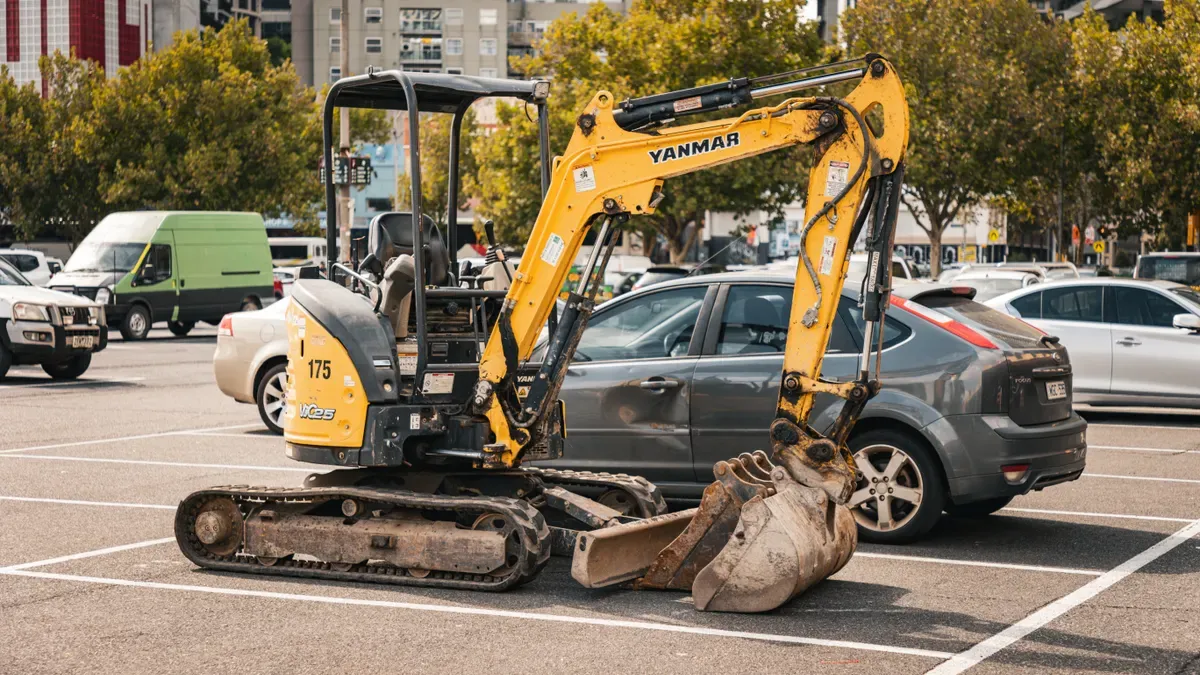
The boom and arm form the main structure of your excavator’s working arm. It connects to the machine frame and lifts up and down. The arm attaches to the boom and moves in and out. Together, these two parts control the reach and digging depth of your machine.
Boom and Arm Assembly
The boom structure mounts to the main frame. Two cylinders control its movement. One cylinder raises and lowers the boom. The other cylinder extends and retracts the arm. This setup gives you two independent axes of movement. You can position the attachment precisely with practice.
The length of the boom and arm determines your digging envelope. A longer boom gives you more reach but less lifting power. A shorter boom gives you more force but less reach. Yanmar offers different arm lengths for different models. The standard arm works for most jobs. The long arm option gives you extra depth for trenching or pond digging.
Your maximum digging depth depends on the boom and arm configuration. For the Yanmar SV100 compact excavator, you can reach a depth of 15 feet 9 inches, or approximately 4800 mm. This depth changes based on the blade position. With the blade lowered and a standard arm, you get a digging depth of 4570 mm. With the blade lowered and a long arm, you reach 4910 mm. The blade lifted reduces these numbers to 4290 mm and 4680 mm respectively. Adding a quick coupler changes the depth further. Without a quick coupler, the SV100 digs to 4290 mm. With a quick coupler, the depth increases to 4530 mm.
The boom and arm take heavy stress during digging. The steel must resist bending and twisting forces. Inspect these parts for cracks or damage regularly. Look at the pin connections and bushings. Worn pins cause loose movement and poor control. Grease the pivot points daily to reduce wear. A well-maintained boom and arm assembly lasts for thousands of hours.
Buckets, Breakers, and Grapples
The attachment at the end of the arm performs the actual work. Your choice of attachment changes what the excavator can do. Each attachment has a specific purpose.
The bucket is the most common attachment. You use it for digging, trenching, and loading material. Buckets come in different widths and capacities. A narrow bucket digs deep trenches. A wide bucket moves more material per cycle. Choose the right bucket size for your job. The bucket teeth wear down with use. Replace worn teeth to maintain digging efficiency. The tracks do not affect your work directly, but a stable undercarriage helps you dig effectively.
Hydraulic breakers break up concrete, rock, and asphalt. These attachments deliver powerful impact energy. You need to match the breaker to your excavator’s hydraulic flow. Yanmar offers several breaker models with different flow requirements. The smallest Yanmar breaker model requires 15 to 30 liters per minute. The largest model needs 80 to 110 liters per minute. The DMS 50 breaker requires 17 to 25 liters per minute. The DMS 980 breaker needs 100 to 130 liters per minute. Using a breaker with the wrong flow damages the attachment or the excavator. Check your machine’s output before choosing a breaker. Check the breaker’s tool bit regularly. A worn bit reduces breaking efficiency and puts extra stress on the attachment.
Grapples handle logs, debris, and irregular materials. These attachments have two clamping jaws that close around the load. The tracks and undercarriage provide stability for grapple work. The hydraulic system powers the opening and closing motion. You use grapples for demolition, forestry, and waste handling. You can also use grapples for sorting and loading recyclable materials.
Your excavator’s system powers all these attachments. The flow rate and pressure must match the attachment’s requirements. An attachment that demands too much flow slows down the machine. An attachment that demands too little flow does not work properly. Always check the specifications before buying a new attachment. The right match keeps your machine running efficiently and extends the life of both the attachment and the excavator.
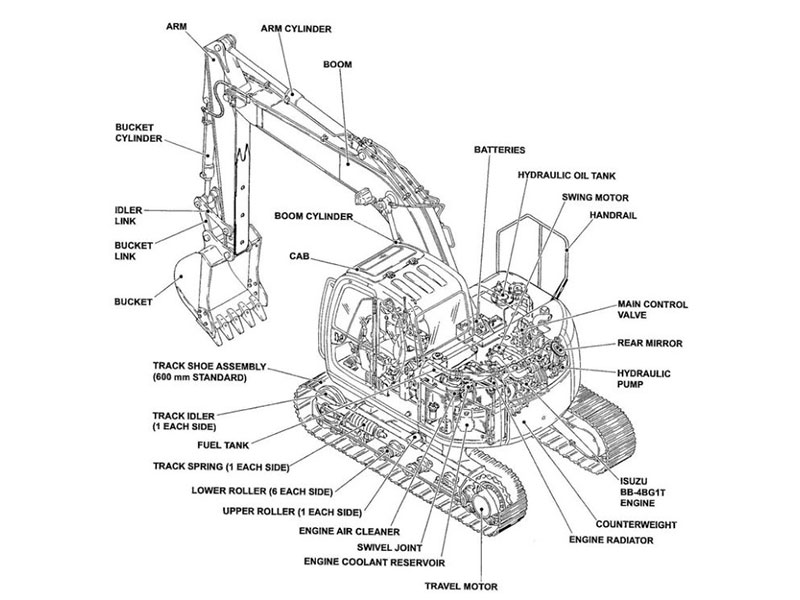
Your Yanmar excavator works as one integrated system. The tracks provide stability. The engine and hydraulic system deliver power. The cab gives you control. The boom and bucket perform the work. Each part depends on the others.
Understanding these excavator components helps you maximize efficiency. You can prevent costly downtime. You do not need to be a mechanic. Operators who know their excavator spot problems early. Your tracks need regular inspection. A worn track affects every operation.
Genuine Yanmar parts offer a 12-month warranty and full warranty support. Aftermarket parts often provide limited or no warranty. They may void your engine warranty. Choose genuine parts for safety and compatibility.
Apply this knowledge to your maintenance routines. Seek professional guidance when needed. For quality yanmar excavator parts for sale, consider YNF Machinery.
FAQ
How Often Should You Inspect the Tracks?
Check the tracks every morning before you start work. Look for cuts, cracks, or uneven wear on the rubber. Measure the sag between the front idler and the first roller. Proper tension stops early wear. Loose tracks can slip off the sprockets. Tight tracks strain the bearings and lower fuel efficiency.
What Happens When the Hydraulic System Overheats?
Overheating breaks down the hydraulic fluid’s lubricating properties. The oil becomes thin and cannot protect moving parts well. Pump wear speeds up quickly. Seals harden and crack under too much heat. You lose digging power and precision. Stop work right away if you see high temperature warnings. Let the machine cool down and check the cooling fins for blockages.
How Do You Choose the Right Bucket?
Match the bucket width to your trench or excavation needs. A narrow bucket digs deeper with less effort. A wide bucket moves more material per cycle. Think about the material type you handle. Dense clay needs a narrower bucket than loose gravel. Check the bucket’s capacity rating against your excavator’s lifting capacity. The wrong size lowers efficiency and strains the boom.
Why Does the Engine Need Daily Coolant Checks?
The engine makes intense heat during operation. Coolant carries that heat away to the radiator. Low coolant levels cause hot spots inside the engine block. These hot spots warp metal parts and crack gaskets. Check the coolant level every morning before you start. Top it off with the correct mixture. Inspect hoses for leaks or soft spots. A small leak today becomes a major repair tomorrow.
What Should You Do When the Monitor Shows an Error?
The monitor shows error codes with automatic fault detection. Read the code carefully and check the maintenance manual. Many errors relate to sensor readings or low fluid levels. Fix simple issues like refilling fluids first. For complex problems, contact a qualified technician. Do not keep operating with an active warning. Continuing work can cause severe damage to the excavator’s components.
For quality yanmar excavator parts for sale, consider YNF Machinery.