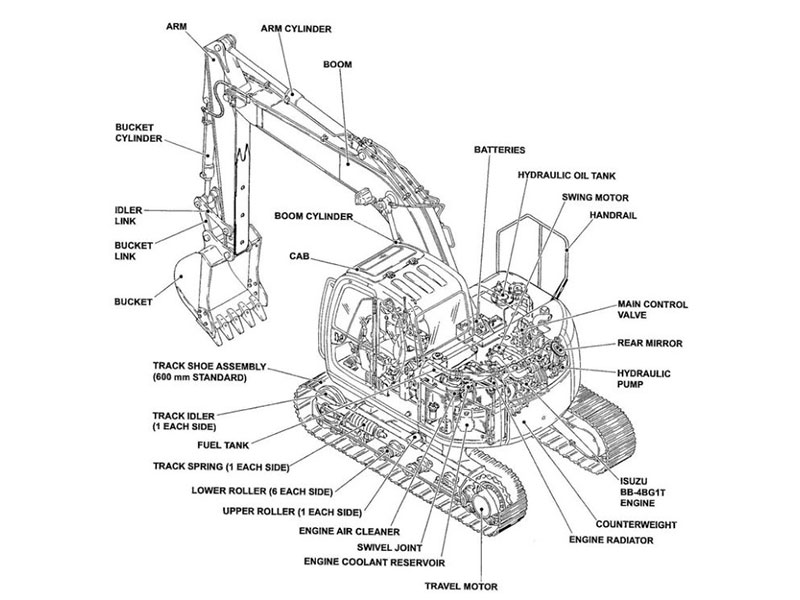
Fitment should be checked before you approve an order for excavator undercarriage parts. A quote can only be reviewed against the machine and part details it describes. When evaluating information from an undercarriage parts manufacturer, start with the machine identity, then compare the part reference, position, specifications, and written terms.
This guide provides a practical checklist for collecting those details. It does not replace the machine’s parts catalog or a fitment confirmation for the specific machine. If a reference or measurement is uncertain, note that uncertainty and ask for it to be resolved before approval.
Key Takeaways
Record the machine make, complete model designation, and serial number or PIN.
List the full part reference, description, quantity, and location on the machine.
Compare dimensions and specifications only when the measurement points and units are clear.
Ask what documentation supports the quoted description and any stated fitment range.
Put substitutions, assumptions, delivery scope, and applicable order terms in writing.
Start With Machine Identification
Make, Model, and Serial Number
Use the machine identification plate, parts catalog, or reliable service records to record the equipment make and full model designation. Include the machine serial number or product identification number (PIN) when available. A model name may cover more than one configuration, so a fitment check may need the serial or PIN as well. Copy the characters exactly; if part of the plate is unreadable, say which characters are uncertain rather than guessing.
For an engine component, provide the engine make, model, and engine serial number separately. An engine number identifies the engine, while the machine PIN identifies the excavator. Use the identifier that applies to the part being requested.
Configuration and Existing Changes
Describe the relevant assembly and any documented changes that may affect the requested component. If an existing part has a visible number or marking, identify where you found it and include a clear photo. Distinguish a marking read from a removed part from a catalog number or a prior invoice. An old number can help with research, but it should still be checked against the machine information and current parts documentation.
Identify the Part Precisely
Part Number and Description
Provide the complete catalog or part number, including letters, suffixes, or revision details. Include the full description from the parts catalog when available. Say whether the reference came from a catalog, a component marking, a drawing, or a previous order. If two references appear to describe similar items, do not assume they are interchangeable; ask how each reference relates to the machine and assembly.
Position and Quantity
Add the location on the machine when position matters: left or right, upper or lower, front or rear, or another catalog-specific position. State the quantity and unit for every line. Clarify whether the request is for one component, an assembly, a pair, or a set. If one request covers multiple machines, label each machine and associate its part list with the correct serial number or PIN.
Measurements and Photographs
Measurements should be traceable to clear points on the component. State the units and explain what points were measured. If the measurement is taken from a used part, label it as an observation rather than a new-part specification. A dimension should not be compared with a drawing or quoted value unless both describe the same measurement points and configuration.
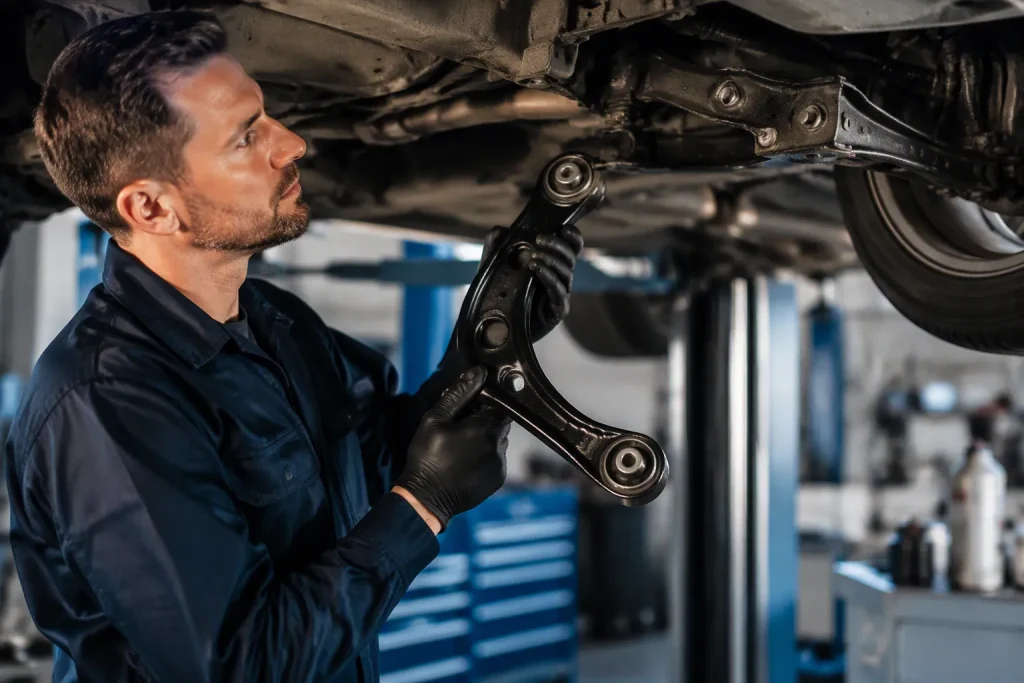
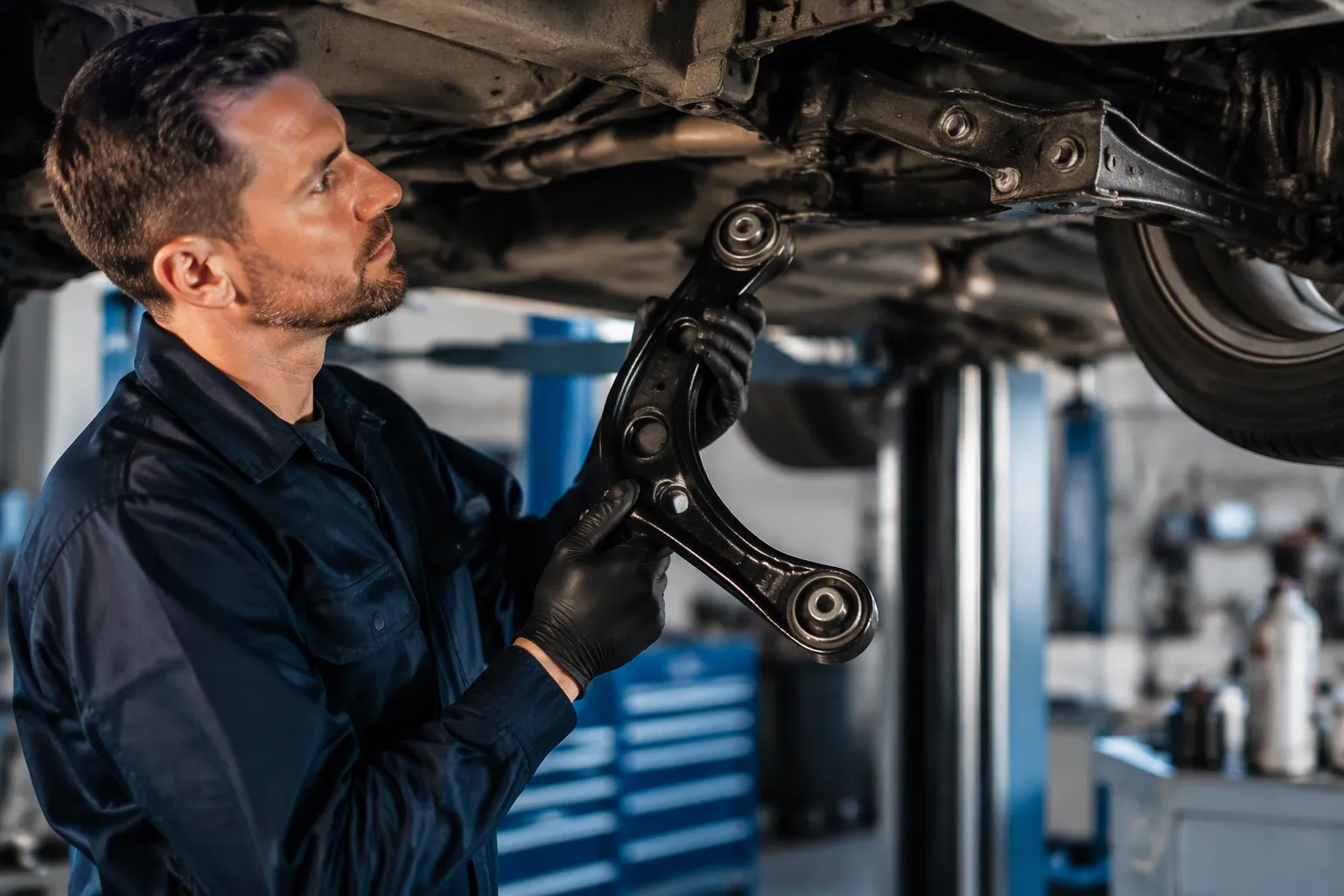
Photographs can show the complete part, mounting points, visible markings, and installation location. Use clear, well-lit images and avoid glare. Take photos from a safe position; do not remove guards or enter a hazardous area just to document a component. Photos and measurements support an identification check, but neither should replace the machine and catalog references needed to verify fitment.
Review Specifications and Documentation
Ask for the documentation that applies to the exact quoted part. Depending on the request, this might include a drawing, specification sheet, parts cross-reference, or inspection record. Check that the document identifies the same part number, revision, configuration, or scope as the quote. A general document or a statement about a product family may not address the specific item you plan to order.
If a material description, dimension, tolerance, or test result matters, ask that it be stated for the quoted part and supported by the applicable document. Do not treat a broad quality statement or a management-system certificate as proof of product-specific fitment or test results. Record any unanswered point and resolve it before approving the order.
Questions to Clarify Before Approval
Ask the manufacturer or supplier to identify the part number and description used for the quote. Confirm which machine model and serial range the fitment check covers and whether it relies on the information you provided. If a substitute number is proposed, ask for the relationship between the requested and substitute references to be explained in writing.
Clarify the quantity, unit, packaging, destination, estimated lead time, and any charges outside the line item. Request that any assumption or exception be listed beside the relevant part. If inspection documents or other records are part of the offer, identify which item or order they apply to. Review any warranty, return, or nonconformance terms in the actual written agreement instead of assuming they are included.
Keep the Fitment Decision in the Quote
Before approval, compare the quote line by line with your request. Check machine identifiers, part reference, position, quantity, specification, and delivery scope. Make sure any alternative or unresolved fitment point is visible in writing. If the documentation uses a different part reference or measurement basis, pause the comparison until the difference is clear.
A Simple Information Checklist
Machine make and complete model: [details]
Machine serial number or PIN: [number or note if unavailable]
Part name, full reference, and position: [details]
Quantity and unit: [amount]
Photos or measurements: [attached, with units and notes]
Documentation requested: [drawing, specification, or other record]
Ship-to destination and requested timing: [details]
Uncertain details or proposed substitutions: [list]
FAQ
Is the model name enough to confirm fitment?
Not in every case. Provide the serial number or PIN when available and check the applicable catalog range. Ask which machine configuration the written fitment statement covers.
Can a photo confirm that a part fits?
A photo can help identify the component and its markings, but it cannot establish compatibility on its own. Pair it with machine identifiers, a part reference, position, and the applicable documentation.
What if the number on an old part differs from the catalog?
Record both references and where each came from. Ask for the difference to be checked against the machine’s model and serial range before deciding which reference belongs in the order.
Which documents should I request?
Request the documentation relevant to the exact part and question, such as an applicable drawing, specification sheet, cross-reference, or inspection record. Check that the document identifies the quoted item and scope.
Conclusion
A fitment review is clearest when machine identifiers, complete part references, position, quantity, measurements, and supporting documents all describe the same configuration. Compare those details with the written quote and resolve assumptions before approval. For excavator undercarriage parts inquiries, contact YNF Machinery with your machine identification and part references.