
Buying used excavator spare parts can reduce repair costs, but only when the part matches the machine and its condition is understood. Start with the excavator’s identification plate and the component’s part number. Then confirm the fitment details, inspect the part, and agree on what is included before placing an order. A careful check can prevent delays caused by a part that looks right but does not fit.
Identify the excavator and the component
Record the manufacturer, full model designation, and complete serial number from the machine plate. Photograph the plate so the characters are readable, and check them against the machine records. A model name alone may not identify every production configuration. When a machine has been updated or repaired, its current configuration may also differ from its original build.
Identify the part by its name, location, and function. If the old component is available, photograph its label, casting marks, connectors, mounting face, and overall shape. Record any legible part number exactly, including prefixes and suffixes. Do not infer a part number from appearance or from a similar model listing.
Confirm part number and fitment
Use the manufacturer’s parts information or a knowledgeable parts team to check whether the number applies to the machine’s model and serial range. Ask whether the number has been superseded and whether the replacement requires associated hardware, seals, or configuration changes. A superseded number may be valid, but the relationship should be confirmed for the specific machine.
Compare important fitment details, such as mounting points, dimensions, shaft or spline specifications, electrical connectors, and hydraulic port arrangement where relevant. The details differ by component, so use the applicable parts documentation rather than assuming that a visually similar item is interchangeable. If measurements are needed, clarify which reference points to use and compare like for like.
Before buying, ask for written confirmation that the offered part is intended for the recorded machine configuration. Provide clear photos and identifiers, and keep the response with the order records. If the part number or serial range remains uncertain, pause the purchase until the mismatch is resolved.
Inspect condition and available records
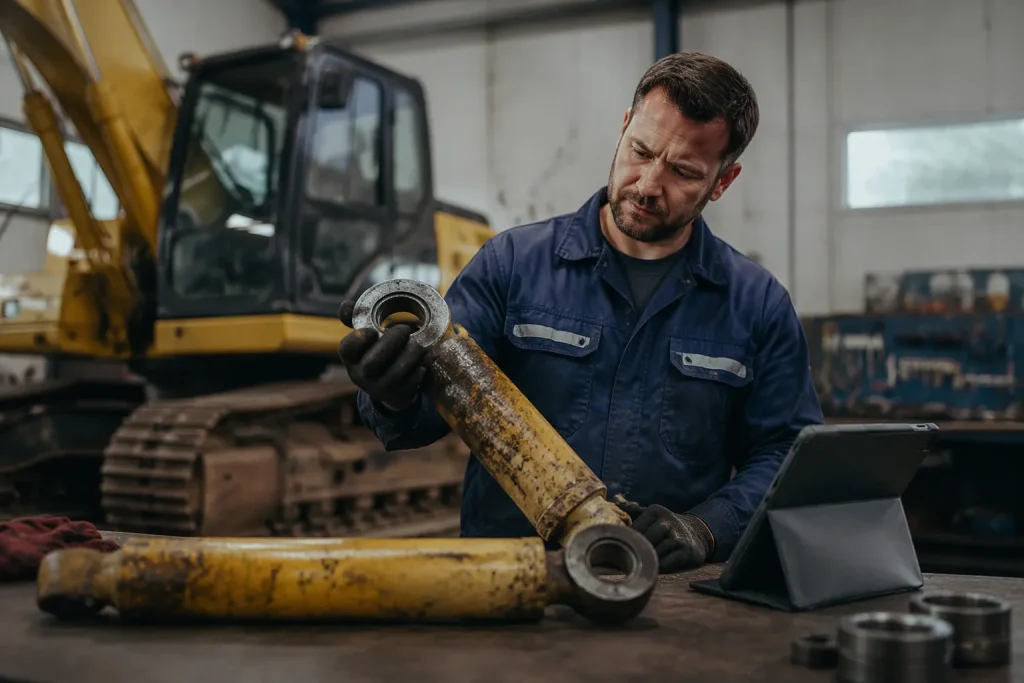
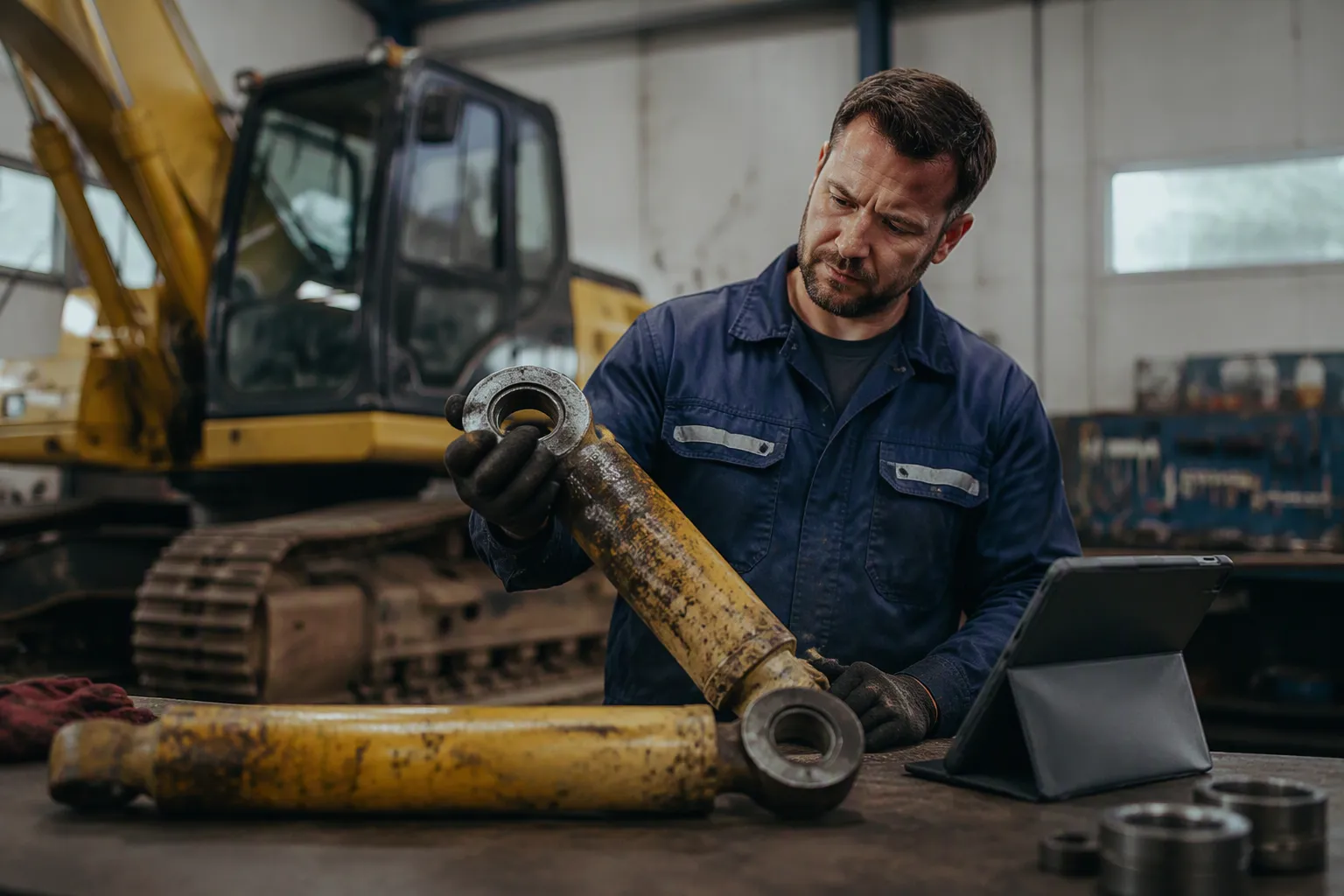
Request recent, well-lit photographs of the actual component from several angles. Look for cracks, deformation, corrosion on working surfaces, damaged threads, worn mounting faces, missing connectors, and signs of leakage. For assemblies, ask for close-ups of the areas that affect installation and operation. Photos help identify visible concerns, but they cannot establish the internal condition of a pump, motor, engine component, or other enclosed assembly.
Ask what testing or inspection was performed and request any available report. Confirm whether the part was removed from a working machine, repaired, or stored. A statement about operating condition should be supported by the records available; do not treat an unverified description as a performance guarantee. For critical or high-value components, consider an independent inspection or suitable bench test before installation.
Check that the offered item includes the parts shown or listed in the quote. Clarify whether brackets, sensors, hoses, seals, fasteners, or other attachments are included. Also ask about the condition standard, warranty coverage, return window, shipping method, and responsibility for return freight. Get these terms in writing before payment.
Compare the total cost and plan installation
Compare the complete cost rather than the item price alone. Include freight, handling, inspection, installation, and any required related parts. A lower-priced component may not be the better option if its fitment is uncertain or the return terms are unclear. Check the expected delivery timing against the repair schedule, especially when machine downtime is costly.
Before installation, compare the received part with the confirmed identifiers and the component removed from the excavator. Do not force a part into place or alter mounting features to make it fit. Follow the machine service information for installation, fluid cleanliness, torque values, and commissioning checks. If the part differs from the documented configuration, stop and resolve the discrepancy before operating the machine.
Used excavator spare parts checklist
Record the machine make, model, and full serial number.
– Photograph the part label, casting marks, connectors, and mounting points.
– Confirm the part number and any supersession for the machine’s serial range.
– Compare the relevant dimensions and connection details using applicable documentation.
– Review current photos, inspection records, and test information.
– Confirm included items, warranty, return terms, freight, and delivery timing in writing.
– Compare the delivered part with the records before installation.
Frequently asked questions
What information should I provide when asking about a used part?
Provide the excavator make, model, complete serial number, part number if readable, and clear photos of the old component and its connections. Include the location and function of the part when its name is uncertain.
Can I choose a used part by model name alone?
A model name is a useful starting point, but it may not capture serial-range changes or configuration differences. Confirm the part number and fitment against the machine’s complete identifiers before ordering.
What should I check in photos of a used component?
Review the actual item for visible cracks, deformation, corrosion, damaged threads, leakage, and missing features. Request close-ups of mounting surfaces and connections. Photos do not replace testing when internal condition matters.
What should be agreed before payment?
Confirm fitment, condition description, included items, available inspection or test records, warranty and return terms, freight, and expected delivery in writing. Keep the correspondence with the order documents.
For help checking excavator part details and fitment options, contact YNF Machinery.



