Used John Deere 120 excavator parts can be difficult to evaluate from a short description alone. The machine model is only one part of the fitment picture: the serial or PIN, installed configuration, exact component number, and any documented supersession may also matter. A clean-looking used component is not automatically serviceable, and a part described as suitable for a 120 should not be treated as confirmed compatible until the application is checked.
A careful review separates four questions: Is this the correct component? Is it the correct application? What can be established about its present condition? What exactly is included in the transaction? The checks below help organize those questions without relying on unsupported claims or assumptions.
Before moving forward, record the full machine designation and serial or PIN, identify the component number, and save the fitment information you used. Request current images of the actual item and any available inspection, repair, or test records. If a detail cannot be confirmed, note it as unknown and resolve it before ordering.
1. Identify the Machine and the Exact Component
Begin with the identification plate and the machine’s own records. Write down the complete model designation and serial or PIN exactly as shown. Do not shorten the number or assume a broad model family covers every configuration. If the plate is damaged or difficult to read, compare it with maintenance documents or other reliable machine records rather than guessing.
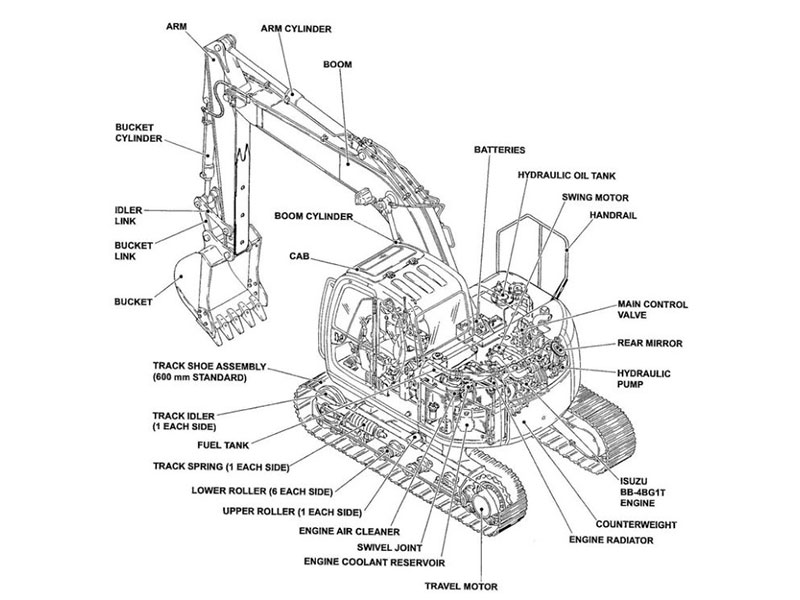
Next, identify the component you need to replace. Record its part number, any readable tag or casting marks, and the component’s location or function. A photograph of the removed item can help describe it, but shape alone does not establish an exact part number. Similar-looking assemblies can have different connections, mounting dimensions, electrical interfaces, or revisions.
Keep the machine identity and component identity together in your notes. A request that says only “John Deere 120 part” may leave too much room for misunderstanding. Include the exact component reference and clear images of the identification marks when asking for a fitment check.
2. Verify the Application Before Treating Fitment as Confirmed
Compare the component number with parts information that applies to the machine’s full model and serial range. Check whether the reference is current, whether a documented supersession exists, and whether any configuration notes apply. If the information is unclear, ask a qualified technical contact to explain the basis for the match. Record the source and the exact reference used so you can revisit it later.
Do not assume that parts interchange simply because they share a brand, model family, or similar appearance. A component may have changed across production or configuration updates. A number that appears on an online listing, handwritten note, or old invoice is a clue to investigate, not proof by itself. Where applicable documentation is missing, treat the fitment as unverified until the exact machine and component references are reconciled.
Confirm practical details as well: connection type, mounting points, included brackets or hardware, and whether the item is supplied as a complete assembly or as a component only. These checks help clarify what is being offered. They do not replace the application check based on the serial or PIN and exact component number.
3. Inspect the Actual Item and Request Useful Evidence
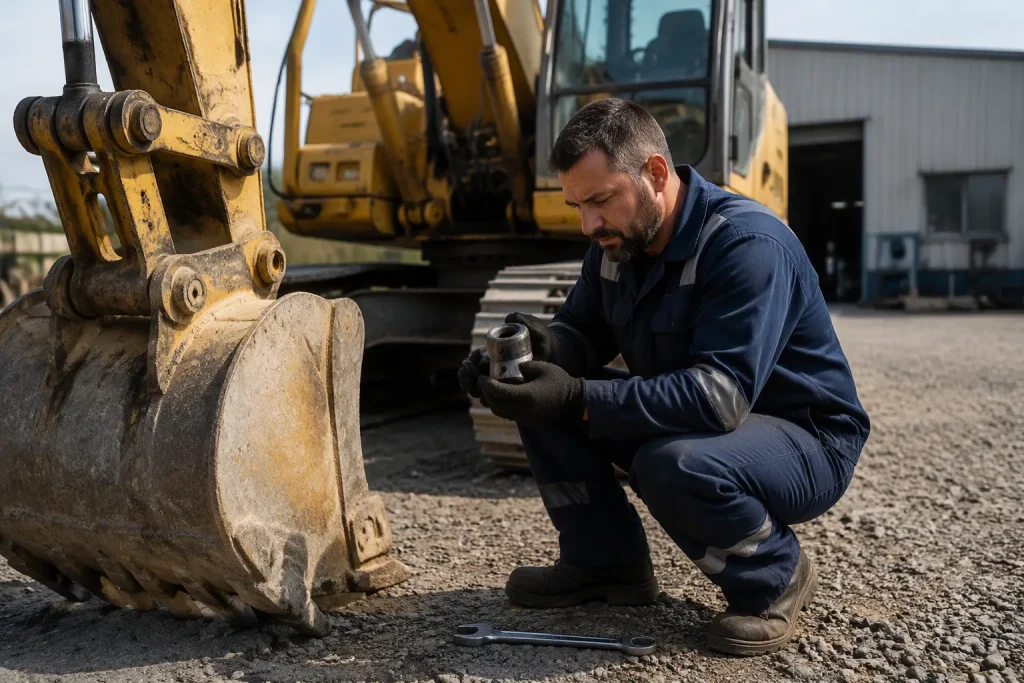
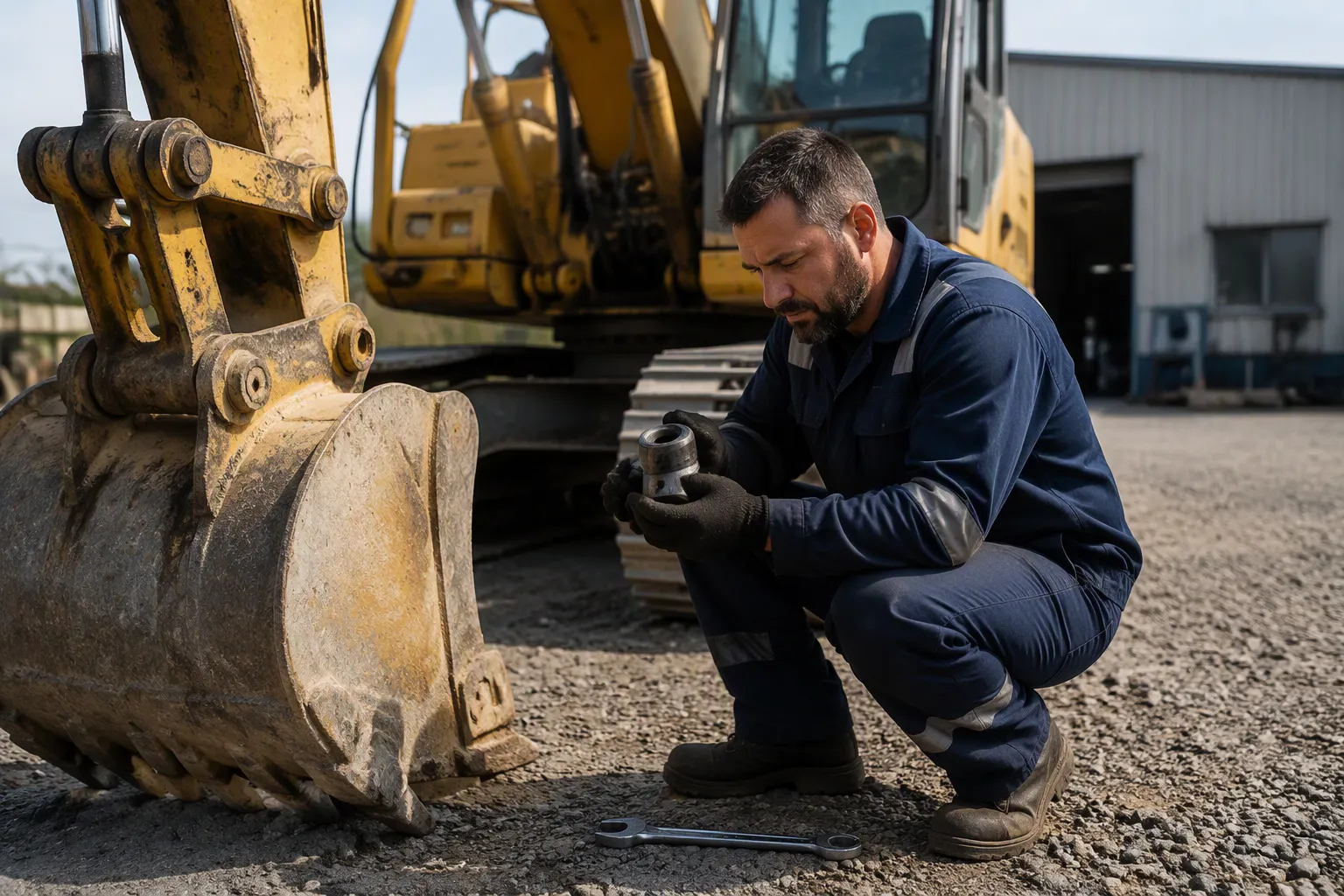
Ask for recent photos of the specific used component being offered, not a representative image. Useful views include the identification tag or marks, all mounting faces, ports and connectors, areas of visible damage, and any repair locations. If a part has moving surfaces or seals, ask for close views of accessible contact areas. The images can support a visual review, but they cannot show every internal condition or confirm how the component will perform after installation.
Inspection points depend on the part. For a hydraulic cylinder, visible rod condition, ports, mounting points, and signs of leakage may be relevant. For an electrical component, readable labels, connector condition, and any documented bench test may be more useful. For undercarriage items, inspect the applicable contact surfaces, mounting areas, and visible cracks or deformation. For castings or structural parts, look for damage and repairs in the areas that matter to the application. Follow the appropriate service or inspection procedure for the specific component.
Avoid using a single generic wear measurement as a pass-or-fail rule. Acceptable limits, measurement locations, and test methods vary by component and application. If measurements or test results are provided, ask what method was used, what equipment was used when relevant, and which specification the result was compared against. If the result cannot be tied to an applicable procedure, treat it as unverified information.
4. Review Records and Put the Transaction Details in Writing
Request available service, repair, storage, and inspection records for the component itself. A donor machine’s meter reading may help describe that machine, but it does not establish the operating history of each removed part. Likewise, a general statement that an item was tested does not explain what was tested or the result. Ask for component-specific evidence where a test is appropriate, and keep a copy with your purchasing records.
Before payment, make sure the written description identifies the exact item and part number, the machine application or fitment basis, the stated condition, and everything included. Clarify whether connectors, brackets, seals, fasteners, or related pieces are included when those details affect your installation plan. Confirm packaging, shipping arrangements, and any written warranty or return terms directly in the transaction documents. Do not rely on assumptions that are absent from the written agreement.
Keep unresolved questions visible. If the serial range, part number, condition, or included items remain uncertain, ask for clarification before the order is finalized. A short written record of the question and response can prevent later disagreement about what was represented.
FAQ
How do I check whether a used part fits my John Deere 120?
Use the complete machine model and serial or PIN together with the exact component number. Compare those details with parts information for the applicable range. Similar appearance or a general model description is not enough to confirm fitment.
What photos should I request?
Ask for recent images of the actual item, its identification marks, mounting faces, ports or connectors, and visible damage or repair areas. Photos support a visual review, but they do not prove internal condition or operating performance.
Do donor-machine hours prove how much a used component has been used?
No. The machine’s meter reading does not establish the service history of an individual removed component. Consider available part-specific records and appropriate inspection or test evidence.
What should the written order describe?
Include the exact item and part number, fitment basis, stated condition, included pieces, shipping arrangements, and any written warranty or return terms. Resolve unclear details before payment.
For help with replacement excavator components, consider YNF Machinery. Share the complete machine model, serial or PIN, and exact component number so the application can be reviewed.