
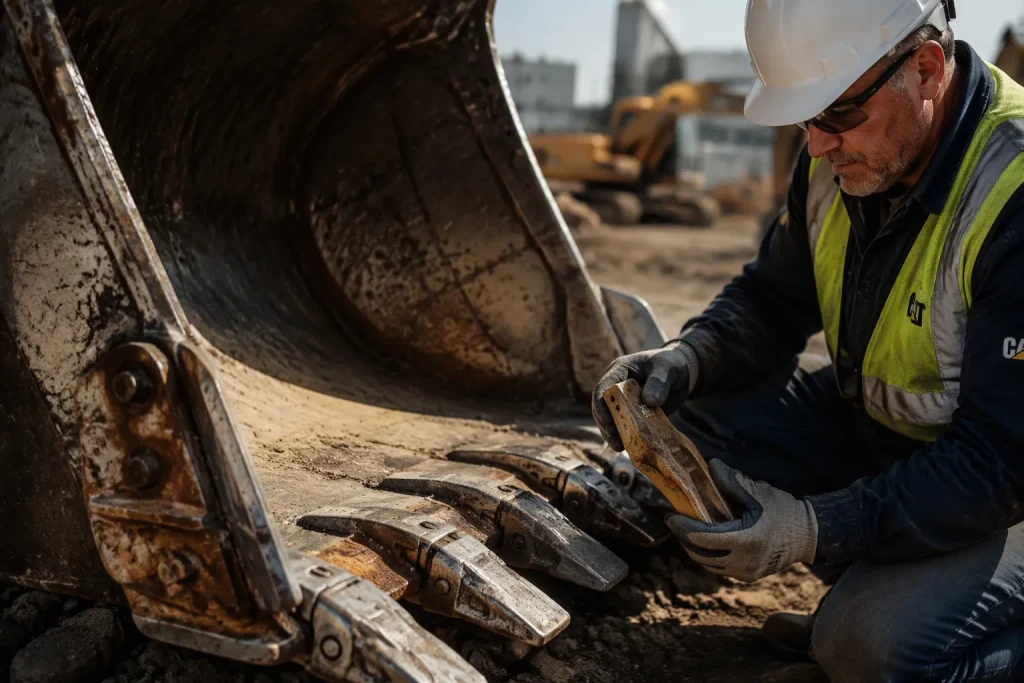
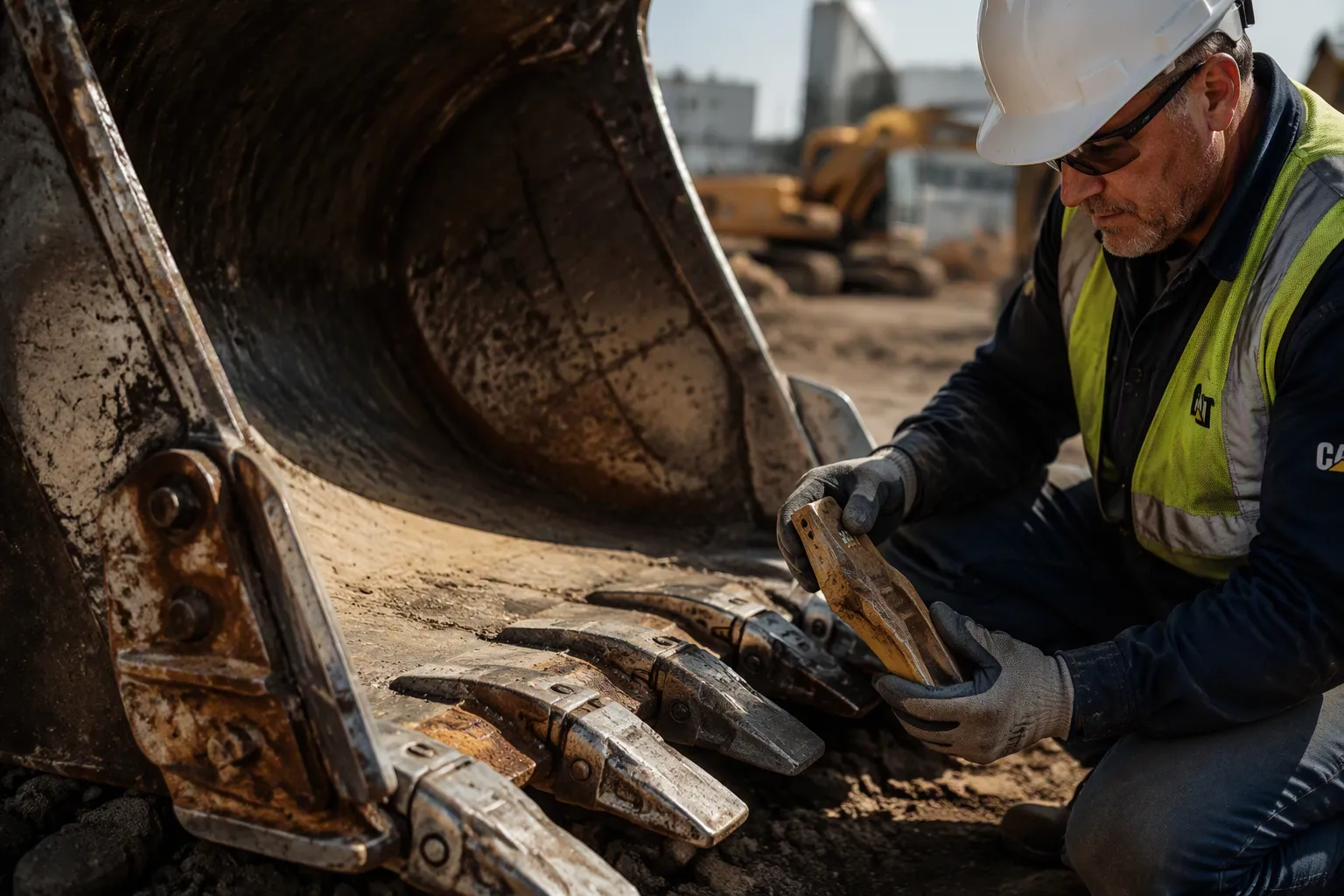
Excavator wear parts are pieces that take the damage from digging, loading, and moving. They protect the machine’s main body from harm. A good wear part for excavator keeps the excavator working steadily and prevents downtime, expensive repairs, and unsafe use. You will learn the common types, the warning signs of wear, and when to replace each one. Bucket wear parts like teeth and shrouds get hit the hardest. A worn excavator bucket loses bite and burns more fuel. Replacing a wear part for excavator on time protects the bucket shell and the undercarriage. These parts are cheap compared to the excavator they save.
Key Takeaways
Excavator wear parts keep the machine safe from harm while it digs and moves.
Swap out wear parts such as teeth and shrouds before they break to prevent expensive repairs.
Check wear parts often for signs of wear, like rounded teeth or cracked shrouds.
Getting the right replacement parts to fit properly helps them work well and last longer.
Keeping up with regular care and replacing parts on time keeps your excavator working well and safe.
Common Excavator Wear Parts
Every excavator relies on a set of sacrificial components that absorb punishment so the main structure does not have to. You will find these items grouped by where they work: the digging end and the rolling end.
Bucket Wear Parts and Ground-Engaging Tools
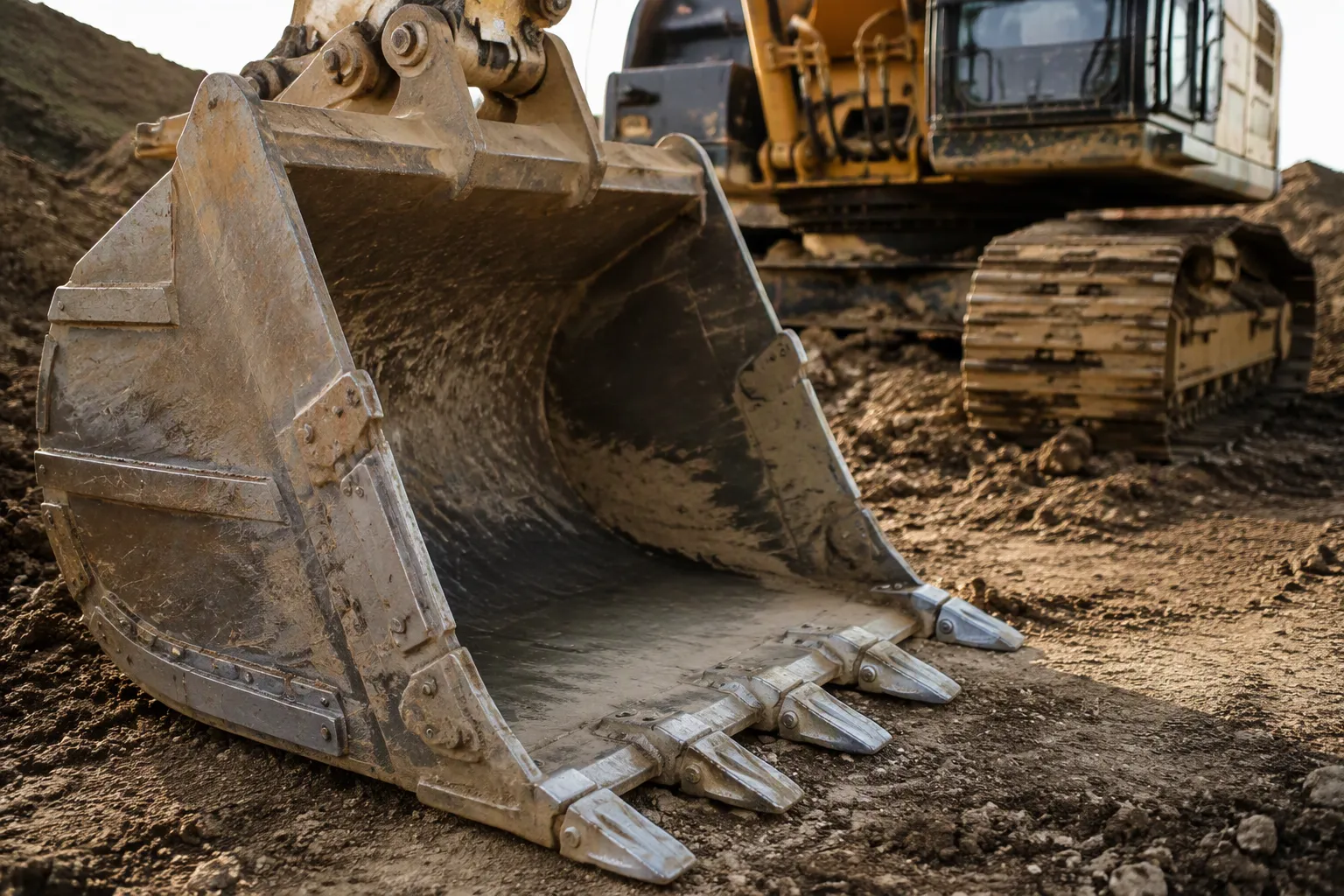
The excavator bucket takes the most direct abuse of any attachment. Its leading edge cuts, scrapes, and pries through rock, clay, and compacted soil all day. Several types of excavator bucket wear parts bolt or weld onto that edge to keep the shell intact.
Bucket teeth sit at the front of the digging edge. They break up hard ground and concentrate force into a small area. Sharp teeth let the excavator bucket penetrate faster and fill more completely. Dull teeth force the machine to work harder, which wastes fuel and slows the cycle. Most operators replace teeth long before the adapter behind them shows damage.
Cutting edges run along the lip between the teeth. They shave material and protect the base edge from abrasion. Shrouds cover high-wear zones on the outside of the bucket, especially the heel and the underside. These shrouds for excavator bucket wear protection act as a sacrificial layer. When they wear thin, you swap them out instead of rebuilding the bucket body.
Bucket side cutters guard the vertical sides of the excavator bucket. They also trim the trench wall as you dig. Wear strips, sometimes called wear plates, line the interior and exterior surfaces that drag against rock and gravel. Heel shrouds protect the curved back corner where the bucket scrapes along the ground. Together, these excavator bucket wear parts extend the life of the shell and keep the cutting geometry consistent.
Undercarriage and Structural Wear Parts
Tracked undercarriage components support and guide machine travel. Steel shoes, rubber tracks, rollers, idlers, sprockets and guards have different functions and wear criteria. Track arrangements vary by model; a steel shoe is not a rubber pad and neither provides a universal vibration reduction.
These excavator wear parts matter because the undercarriage is expensive to rebuild. A worn pad or guard is a cheap wear part for excavator owners to replace. A damaged roller or bent track frame is not.
Pins and bushings in boom, stick and bucket linkages can wear through movement and contamination. Their condition depends on duty, loading, lubrication and maintenance; replacement is not set by a universally predictable schedule.
Commonly replaced wear parts are available for leading manufacturers such as Case, CAT, Deere, Hitachi, Kobelco, Komatsu, Kubota, and Linkbelt. A reliable parts supplier stocks these items for many machine classes. Always confirm fitment against your machine identification and specifications before you order any excavator parts.
Why Excavator Wear Parts Matter
Protecting Base Steel and Core Components
Replaceable bucket wear protection helps limit abrasion of the underlying structure. Undercarriage and linkage components also perform load-bearing and guiding functions, so not every wear item is simply a sacrificial shield. Inspection does not guarantee that structural repairs will never be needed.
Inspect the protected structure as well as the wear parts. Damage or distortion requires appropriate assessment; a new tooth or wear plate does not correct an already damaged adapter, edge or linkage bore.
Reducing Downtime and Repair Costs
Effective wear-part management keeps your excavator bucket, blades, and attachments working longer. You plan replacements during scheduled service instead of reacting to a breakdown. That habit helps fleet managers cut downtime and control repair budgets. A machine that stays in the pit earns money. A machine in the shop does not.
Safety matters here too. Worn bucket teeth change how the excavator bites, so the operator fights the load. Loose shrouds can fly off under load. Worn track pads reduce traction on slopes. Each of these conditions raises risk for the operator and the crew. Routine checks catch wear and tear before it becomes a hazard. Track your excavator bucket wear parts by hours and by visual condition. This simple discipline delivers steady performance and fewer surprises.
Signs of Wear and Replacement Timing
Visual and Operational Warning Signs
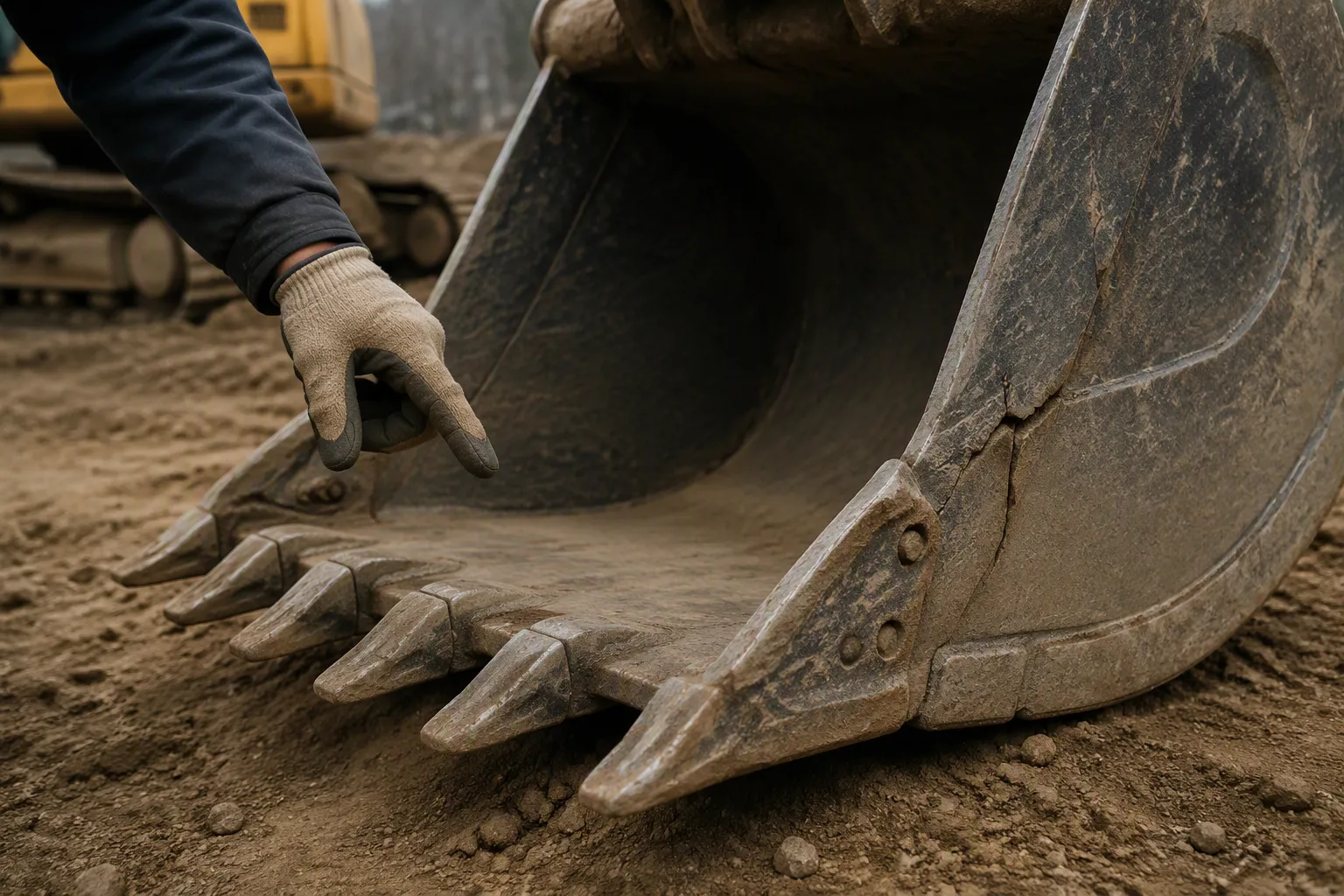
Inspect teeth and retention components under the applicable safe inspection procedure. Tooth profiles differ, so a sharp point is not a universal new-part requirement. Compare actual wear and damage with the system’s criteria.
Check the shrouds next. These guards sit on the heel and underside of the bucket. Small cracks grow fast under abrasion and impact. A cracked shroud can break loose and drop into the trench. Replace any shroud with a visible crack or a worn-through section.
Visually inspect the cutting edge for damage and measure the specified wear points safely. Avoid running an unprotected hand along potentially sharp metal.
Side-cutter geometry and wear limits vary by design. Compare the actual component with the applicable specification; there is no universal 1-to-2-inch extension beyond the shell.
The machine also talks to you. Listen for new vibration through the cab. Watch for poor penetration in hard ground. Check for uneven wear across the bucket wear parts. One side wearing faster points to a bent edge or a misaligned adapter. These excavator bucket wear parts cost little. The base steel they protect costs a great deal.
When to Replace Each Wear Part for Excavator
Timing depends on your ground conditions, not a fixed calendar. Abrasive rock eats teeth faster than soft loam. Track your hours and inspect often. The table below gives you a practical guide.
Wear Part | Replace When |
|---|---|
Bucket teeth | The applicable wear limit is reached, or damage or retention defects require replacement |
Cutting edge | The specified remaining dimensions or damage limits are reached |
Shrouds | Cracks appear or the guard wears thin |
Side cutters | The design-specific wear or damage limit is reached |
Wear strips | The specified remaining thickness or damage limit is reached, before underlying damage occurs |
Track pads | Grousers round off or pads crack |
One rule covers every item on that list. Replace the wear part for excavator before the base steel takes damage. A new set of bucket teeth protects the adapter. A fresh cutting edge protects the bucket lip. New shrouds protect the shell. Once the base metal wears, you face welding or a new excavator bucket.
Vibration, poor penetration and uneven wear can have several causes. Stop and investigate abnormal symptoms using the machine’s procedures. Have qualified personnel assess unresolved issues rather than assuming one symptom proves a particular part is worn.
Maintenance and Choosing Replacement Parts
Inspection and Maintenance Best Practices
Follow the manufacturer’s inspection schedule and increase checks where operating conditions warrant. Soft ground does not automatically justify weekly inspection, and hour-based maintenance requirements should not be disregarded.
During the prescribed walk-around, visually inspect teeth, adapters, retention components and wear protection. Record abnormal wear or damage. Secure the machine under the relevant service procedures before close inspection or measurements, and handle sharp edges safely.
These maintenance tips for excavator bucket wear parts help you avoid surprise stops. They protect the base steel. Once the shell wears away, you have to weld it instead of doing a quick swap. Undercarriage maintenance works the same way. Check track pads and rock guards during regular service. Worn grousers cut down traction on slopes. Loose guards let debris get to the rollers.
Matching Fitment to Your Excavator
Correct fitment starts with your machine identification and specifications. Use the serial number and original part number before you order. Compare the size, mounting style, and material to the old part. Bucket teeth must match the adapter system. Cutting edges must line up with the bolt holes on your excavator bucket. Even a small difference in pin size makes the part useless.
How to choose the right wear parts for your excavator comes down to the job and your budget. Aftermarket and OEM options are both out there. OEM designs carry the original specifications. Aftermarket suppliers may sell high-quality excavator wear parts at a different price. Compare written specifications, not brand claims. Confirm fitment against approved drawings. Order from a supplier who stocks excavator parts for your model. A part that fits correctly resists abrasion and works better than a loose near-match.
The right excavator bucket keeps cutting fast. The tracks keep rolling smooth. Plan replacements during service. That habit keeps your machine productive and your costs predictable.
Wear parts are a planned shield, not forever pieces. Swap these sacrificial layers before they fail to protect the base steel. You get longer equipment life, steadier cycles, and fewer surprise repairs.
Wait for failure, and you pay for damage. Replace early, and you protect the machine.
Make inspection part of your routine maintenance. Check the excavator bucket every shift. Track wear on the excavator bucket edges. Treat excavator wear parts as replaceable. Plan swaps on a schedule you trust. Steady care keeps the machine productive through its service life.
Keep component identification, inspection measurements and the applicable wear criteria with each maintenance record.
FAQ
What are excavator wear parts?
They are the sacrificial pieces on your machine that absorb digging, loading, and travel abuse. These parts include bucket teeth, cutting edges, shrouds, and track pads. Each one protects the base steel and core structure underneath. Replace them on time, and you avoid expensive repairs to the machine itself.
Which bucket wear parts wear out fastest?
Relative wear rates vary by material, tooth profile, duty and operation. Track each component’s actual condition against its specified criteria instead of assuming teeth always wear out first.
When should you replace bucket teeth and shrouds?
Use the relevant wear limits and inspect for cracks, looseness and retention damage. Address defects before continued operation and have qualified personnel assess uncertain condition.
How do you check undercarriage wear?
Walk around the machine each shift. Look at track pads for rounded grousers or cracks. Check rock guards for looseness. Listen for new vibration through the cab. Rising vibration often points to worn excavator parts in the rolling gear. Catch small problems early, and you avoid a major rebuild.
How do you pick the right replacement parts?
Identify the machine and actual attachment or tooth system, then confirm the applicable part numbers, dimensions and specifications. Compatibility is necessary, but abrasion resistance also depends on material, heat treatment and operating conditions.
For excavator wear parts sourcing, consider YNF Machinery. Share machine and attachment identification, applicable part numbers and quantities, and request compatibility confirmation, relevant specifications, an itemized quotation and written order terms before purchasing.



