
You need to think about heat levels, water pressure, chemical mix, and surface wear when choosing an oil seal for excavator parts. Picking the wrong material leads to major fluid leaks, lost seal shape, heat damage, and costly machine breakdowns.
Smart choices work as a helpful way to prevent future problems. Strong oil seals quickly handle heavy rubbing, sudden bumps, and fluid damage during tough digging jobs. You increase part lifespan and get the best work from your equipment in harsh work areas. Picking the correct oil seal for excavator parts guarantees a proper fit and steady system pressure. This easy care routine keeps grease from leaking out during every hard work day.
Key Takeaways
Nitrile rubber offers bendable, affordable sealing for regular hydraulic systems operating during typical working conditions.
Fluorocarbon rubber handles intense heat up to 200°C to stop the seal from hardening and leaking fluid.
Polyurethane seals can handle tough friction, sand scratches, and sudden pressure bursts up to 5,000 psi.
Smooth PTFE seals make less friction when rubbing against shiny metal rods during fast movements.
Fit seal materials to specific machine parts, system fluids, temperatures, and exact groove sizes.
Choosing the Right Oil Seal Materials for Heavy Excavators
Picking a strong oil seal material protects excavator hydraulics against steady pressure and sudden damage. Different oil seals keep fluid inside parts while keeping environmental dirt outside. Matching material features to real working conditions stops early breakdown.
Nitrile Rubber (NBR) and Fluorocarbon (FKM/Viton)
Standard rubber oil seals handle mineral oils well during daily excavator work. Nitrile offers good mechanical strength at low costs for basic hydraulic uses. You can select basic flexible rubber material for normal working conditions.
NBR oil seals can operate effectively within a temperature range of -40°C to 125°C while maintaining elasticity and sealing strength.
Fluorocarbon rubber gives extreme heat resistance during heavy digging tasks. You need FKM when system temperatures go above 135°C. This chemical mix resists hot mineral oils and synthetic fluids. Top fluorocarbon keeps its sealing shape up to 200°C. High heat stability stops lip hardening and fluid leaks.
Polyurethane (PU) and PTFE Options
Polyurethane provides high wear resistance inside heavy machinery joints. Dust, sand, and fine dirt ruin basic surfaces over time. Strong PU mixes resist heavy rubbing, shock loads, and mechanical wear. You protect piston rods from scratches by choosing the right oil seal. Metal cased oil seals with tough lips keep a tight grip on turning shafts. These strong metal bodies boost moving performance in tough construction areas.
Low-friction PTFE composite seals work great during fast straight movements. You select PTFE when fast shaft speeds need quick moving action. Standard seal designs support straight movement up to 0.5 m/s. Low-friction PTFE composite seals work safely up to 1.5 m/s. PTFE creates low sliding rubbing against smooth metal shaft parts. Knowing distinct types of oil seals helps you choose useful options for heavy machinery. Checking different types of oil seals lets you compare various material types for heavy equipment. Learning various oil seal types ensures you pick the right material for every job. You can easily give correct dynamic types to specific excavator joints. Proper material use keeps hydraulic system pressure safe and increases machine uptime across tough work sites.
How to Select Oil Seals Based on Operating Conditions
You must check physical forces and fluid chemistry before choosing seals for tough field work. Hard digging environments put severe physical stress on smaller machine parts.
Thermal Limits and Chemical Compatibility
Extreme working temperatures directly affect the solid shape of every seal material. High heat makes basic rubber parts harden, crack, and shrink over time. Cold weather makes basic material brittle during constant motion. You must match your temperature needs with standard material limits:
Material Type | Maximum Continuous Operating Temperature |
|---|---|
EPDM | 150°C (302°F) |
FFKM | 300°C (572°F) |
Standard synthetic hydraulic fluids can break down flexible rubber parts over time. Certain harsh liquids, amines, and acids destroy lower-grade polyurethane mixes. Picking fluorocarbon or perfluoroelastomer materials stops parts from swelling during chemical contact. This smart pairing keeps a tight seal against hot fluids across every moving machine job.
Pressure Spikes and Wear Resistance
Hydraulic systems create sudden pressure spikes during heavy digging work. Uncontrolled pressure buildup pushes fluid past soft edges and ruins inner parts. Polyurethane rod seals safely handle still pressures up to 3,000 psi. Heavy-duty polyurethane piston seals manage active pressure spikes up to 5,000 psi. Strong polyurethane has high pulling strength up to 6,000 psi to keep working under heavy stress.
Constant engine shakes and sudden shocks create uneven physical strain on turning shafts. Shaft surface scratches or extra shaft wobble speeds up rough seal wear.
Constant shakes let dirt particles slip into inside pathways, causing lost pressure and early wear on key engine parts.
Entering dirt scrapes seal edges and makes system oil dirty. Strong metal inner rings keep the physical shape safe from heavy hitting loads. Tough metal outer cases keep moving seal edges lined up during hard shocks. Right choices save long-term sealing power and stop expensive machine downtime. Checking moving conditions helps workers compare different machine seal types easily. Standard heavy-duty oil seals shield main hydraulic parts from early wear.
Matching Oil Seal for Excavator Parts to Subassemblies
Hydraulic Cylinders and Main Pumps
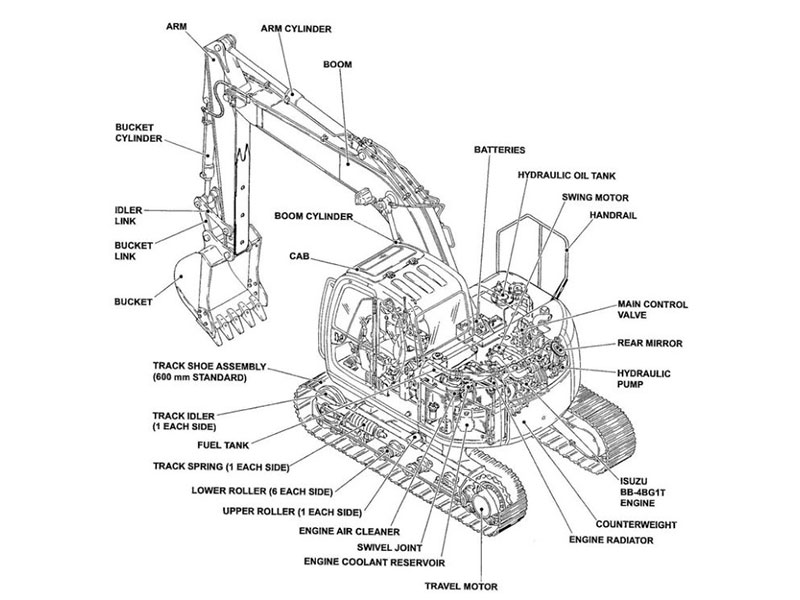
Select specific seals for individual hydraulic parts to ensure top performance. Boom, arm, and bucket cylinders face high friction and steady heavy loads. Put polyurethane wiper seals on these specific cylinders for protection. Polyurethane with Shore A hardness 93A provides great pressure and wear safety. Tough PU-U801 material handles sudden pressure jumps inside cylinder rods easily. Meanwhile, PU-U641 material resists very high hydraulic fluid heat levels. Polyurethane wipes dirt, mud, and water off moving metal rods well. This wiping action keeps inner hydraulic fluid completely clean and safe.
Main hydraulic pumps need strong heat protection and smooth sliding actions. Rotary drive shafts turn at fast speeds inside pump cases. Use fluorocarbon or PTFE shaft seals for main hydraulic pumps. PTFE creates super-low friction against fast-turning metal shafts. Fluorocarbon provides chemical safety against hot mineral fluid mixtures. These special seals stop internal fluid leaks and hold steady pressure during tough jobs.
Swing Motors and Track Adjusters
Swing motors need tough dynamic defense against constant turning shocks and shaking. Heavy-duty polyurethane mixed with nitrile rubber works best in rotating parts. Nitrile rubber offers initial stretch and tight still sealing around case joints. Strong polyurethane edges prevent tearing during fast direction changes. Choosing the right seal protects upper turning parts from expensive fluid leaks.
Track adjusters endure heavy pressure and dirt exposure under the machine frame. Grease cylinders push heavy tension springs under huge resting pressure loads. Use strong polyurethane seals with metal backup rings in track adjusters. Solid metal rings stop soft material from squeezing through narrow housing gaps. The right seal stops grease leaks under huge ground force. Correct material choices increase part life across every hard job site. Picking durable seals keeps inner fluid safe during extreme working stress.
YNF Hydraulic Oil Seals Selection Checklist
You should check exact mechanical details before ordering new replacement parts for your machines. Using a clear step-by-step checklist prevents quick part failure and costly liquid leaks on busy work sites.
Measure the exact housing groove diameter, shaft size, and seal width so everything fits together correctly.
Check your system fluid type to pick the right rubber or synthetic compound for your hydraulics.
Find your highest system pressure levels to choose proper rubber hardness and strong metal support rings.
Review lowest and highest working fluid temperatures to stop sealing edges from getting hard, cracking, or losing shape.
Identify motion styles, choosing between fast turning speeds inside pumps and heavy sliding cylinder movements.
Selecting the right oil seal for excavator parts shields big machines from continuous surface rub and inner fluid damage. You protect main hydraulic parts when you match rubber hardness and chemical safety to your actual work area. Every heavy application needs careful checking of sliding friction, system pressure, and heat levels. Proper checking steps remove sudden work delays during tough field jobs.
YNF Machinery makes part buying simple by providing quality oil seals built specifically for tough work areas. We offer full custom seal making services designed for your exact machine sizes and special shape needs. Our modern factories use strict quality testing to ensure steady work under hard hits and sudden pressure jumps.
Our technical support team helps machine operators pick the best materials for over 26 major excavator brands. We assist repair teams and buyers with checking hardness limits, fluid safety, and wear factors to make machines last longer. Contact YNF Machinery team members today to get tough oil seal parts for your heavy equipment fleet.
You protect heavy machinery by matching every dynamic physical parameter to the right material. Extreme operating heat demands fluorocarbon, while high pressure spikes require strong polyurethane. Low-friction PTFE supports rapid sliding movements inside hydraulic pump systems. Choosing the correct oil seal for excavator parts prevents early fluid contamination and stops system pressure losses.
Reliable sealing shields inner hydraulic subassemblies from fine dirt, extending component service life on tough work sites. Quality oil seals eliminate unexpected equipment downtime and lower overall fleet maintenance costs. You can consult YNF Machinery technical experts today to source durable, exact-fit hydraulic seals across 26 major excavator brands.
FAQ
Why should you choose polyurethane oil seals for hydraulic cylinders?
Polyurethane offers strong defense against continuous mechanical wear. This tough material handles quick pressure jumps up to 5,000 psi safely. It clears off harsh dirt and sand easily to keep sliding cylinder rods smooth.
Which seal material handles high operating temperatures best?
Fluorocarbon rubber works best inside very hot hydraulic systems. It operates safely up to 200°C without breaking down. The material keeps its original shape during extreme heat, stopping hard cracks and early fluid leaks.
How do you select the right types of oil seals for your equipment?
First, check your real working environment with great care. Look at liquid types, high pressure limits, turning speeds, and heat levels. Comparing these exact physical details helps you choose proper seals for specific machine parts.
What material works best for fast shaft speeds in hydraulic pumps?
PTFE composite seals excel during quick turning or straight sliding motions. This slick material lowers rubbing forces against polished metal shafts. It prevents extra heat build-up and holds internal fluid pressure steady at high speeds.
What are the main material types available for heavy machinery seals?
Popular choices are Nitrile Rubber, Fluorocarbon, Polyurethane, and PTFE. Each flexible material meets unique working needs based on bending ability, chemical protection, temperature limits, and surface durability.