You want your excavator to work well for a long time. You also want it to run smoothly and be safe. Taking care of steel parts is very important. If you skip easy maintenance steps, your machine can break down. It can even cause dangerous accidents. Doing things like cleaning, checking, and fixing parts helps a lot. You can find problems early and stop big costs. When you look for a reliable supply for steel excavator parts, remember this. A little work each day keeps your machine strong and safe.
Key Takeaways
-
Check steel excavator parts every day. Look for wear, cracks, or leaks early. This helps stop expensive repairs.
-
Clean and lubricate parts often. This lowers friction and stops rust. It helps your machine last longer.
-
Stick to a maintenance schedule for pins, bushings, bolts, and filters. This keeps your excavator working well and safe.
-
Use the correct attachments. Do not overload your excavator. This keeps it safe from extra damage.
-
Get good replacement parts. Follow what the manufacturer says. This keeps your excavator strong and reliable.
Regular Inspection and Preventive Maintenance
Keeping your excavator in top shape starts with regular inspection and preventive maintenance. You can spot early damage and fix small problems before they turn into big ones. This routine helps you avoid costly repairs and keeps your machine safe on the job.
Daily Checks for Wear and Damage
You should check your steel excavator parts every day. Look for signs of wear patterns and damage. Here’s what you need to watch for:
-
Check the undercarriage for damage or excessive wear on tracks and rollers.
-
Clean out any debris to stop buildup that can cause more wear.
-
Examine the bucket and attachments for cracks, wear, or other damage.
-
Make sure all attachments are tight and working right.
-
Watch for heavily worn or razor-thin flanges.
-
Notice flat spots on roller treads.
-
Look for visible cracks or repaired welds.
-
Check for oil leaks from seals.
-
Compare wear patterns between front and rear or inner and outer flanges. Uneven wear can mean you need to start monitoring alignment.
If you see any of these signs, take action right away. Quick fixes can save you from bigger problems later.
Inspecting Pins, Bushings, and Bolts
Pins, bushings, and bolts hold your excavator together. If they fail, your machine could stop working. You need to check these parts often. Here’s a simple table to help you remember when to inspect and maintain them:
|
Inspection Frequency |
Description |
|---|---|
|
1,500–2,000 hours |
Full inspection of bucket and boom pins. |
|
250–500 hours |
Inspect pins and bushings. |
|
Annually |
Replace critical joints to avoid unexpected failures. |
|
200–250 hours |
Check lubrication and re-grease pins and bushes. |
Don’t forget to check bolts and cap screws for tightness during each inspection. Loose bolts can lead to more wear and even accidents.
Monitoring for Cracks and Leaks
Cracks and leaks are warning signs. They often show up before a part breaks. You should look for cracks on steel parts, especially around welds and high-stress areas. Oil leaks from seals or hoses can mean trouble. If you spot leaks, fix them fast to keep your excavator running smoothly.
Regular inspection every 250 to 500 hours helps you catch problems early. Preventive maintenance like this keeps your machine strong and safe. You’ll also learn the normal wear patterns of your equipment, so you can spot changes right away.
Tip: Always keep a checklist for your daily and scheduled inspections. This helps you stay organized and makes sure you don’t miss anything important.
Regular Cleaning and Lubrication
Keeping your excavator in great shape starts with regular cleaning. You want to remove mud, dirt, and debris from all steel parts and attachments. If you let grime sit, it can cause scratches and speed up wear. You also want to prevent build-up that can hide damage or make moving parts stick.
Cleaning Steel Parts and Attachments
You have a few good options for cleaning your excavator. Here are some of the most effective methods:
-
Use a water cannon or pressure washer to blast away mud and debris. Warm or hot water works even better for tough grime.
-
Try ultrasonic cleaning for small steel parts. This method uses sound waves to shake loose dirt and grease.
-
Spray the machine with a water cannon to remove large chunks of debris.
-
Use industrial-strength detergents to break down oily spots and stubborn dirt.
Tip: Make regular cleaning part of your daily routine. It helps you spot problems early and keeps your machine looking sharp.
Greasing and Lubricating Moving Parts
You need to grease and oil all moving parts often. Proper lubrication cuts down on friction and keeps everything running smoothly. If you skip this step, metal parts can rub together and wear out fast. In fact, not greasing your excavator is the number one cause of early wear. When you keep up with routine care, you help your pins and bushes last up to 50% longer. That means less downtime and fewer repairs.
Preventing Rust and Corrosion
Steel parts can rust if you don’t protect them. After cleaning, always dry the surfaces and apply the right lubricants. These oils form a shield that keeps moisture away from the metal. Sticking to a strict maintenance and lubrication schedule is the best way to stop rust and keep your excavator in top condition.
Note: Never pour used oil or grease on the ground. Old fluids can pollute water, harm plants, and hurt animals. Always dispose of them safely.
Excavator Bucket Maintenance
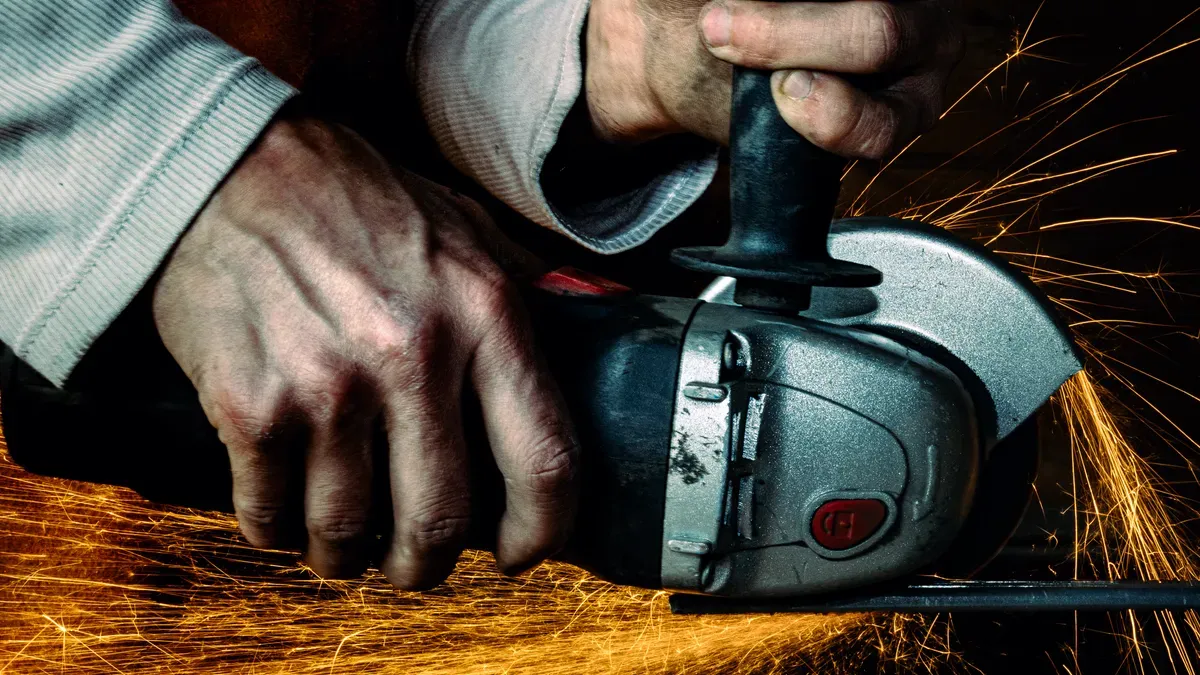
Taking care of your bucket is a big part of excavator bucket maintenance. Buckets face tough conditions every day. You need to check them often and fix problems before they get worse. This keeps your excavator working hard and safe.
Replacing Teeth and Cutting Edges
You should look at your bucket teeth and cutting edges at the start of each shift. Check again during the day, especially if you work in tough conditions. If you see cracks, chips, or the teeth look worn down, plan a timely replacement. Do not wait until the bucket itself gets damaged. Change or rotate the cutting edges before wear reaches the main bucket. This saves you money on bigger repairs. Always keep extra teeth and parts nearby. This way, you can do a timely replacement and keep your excavator running. Watch for stress fractures and check the alignment of the teeth. Good alignment helps your bucket dig better and last longer.
-
Inspect bucket teeth and edges for cracks or chips.
-
Replace or rotate cutting edges before wear reaches the bucket.
-
Keep spare teeth and accessories ready for quick replacement.
-
Check for alignment issues during each inspection.
Protecting Buckets from Weather
Buckets work outside in all kinds of weather. Steel buckets can get weak in cold weather because steel turns brittle. When the temperature drops, your bucket may crack more easily under stress. Humidity also matters. If you store your bucket in a place with high humidity, rust can form fast. Use a dry, covered spot for storage. You can also use covers to protect your bucket from rain and snow. Here’s a quick look at how humidity affects your bucket:
|
Relative Humidity (RH) |
Risk Level |
Concerns |
|---|---|---|
|
Below 50% RH |
Low |
Minimal corrosion risk, best for storage |
|
60-70% RH |
Moderate |
Surface rust may start if air does not move |
|
70-85% RH |
High |
Fast corrosion, especially on bare steel |
If you work in tough conditions, check your bucket for cracks after cold nights. Store your bucket right to keep it strong.
Using Attachments Properly
You want your excavator to last. Always use the right attachment for the job. Never go over the load limit. Overloading can break your bucket or even tip your excavator. This puts you and others at risk. Too much weight can also mess up the alignment of your bucket and other parts. That means more repairs and higher costs. Stick to the rated load. Check the alignment of your attachments before you start. If you see any problems, fix them before you work. This keeps your excavator safe and ready for tough conditions.
Tip: Using the right attachment and checking alignment helps your bucket last longer and keeps your team safe.
Excavator Undercarriage Parts Care
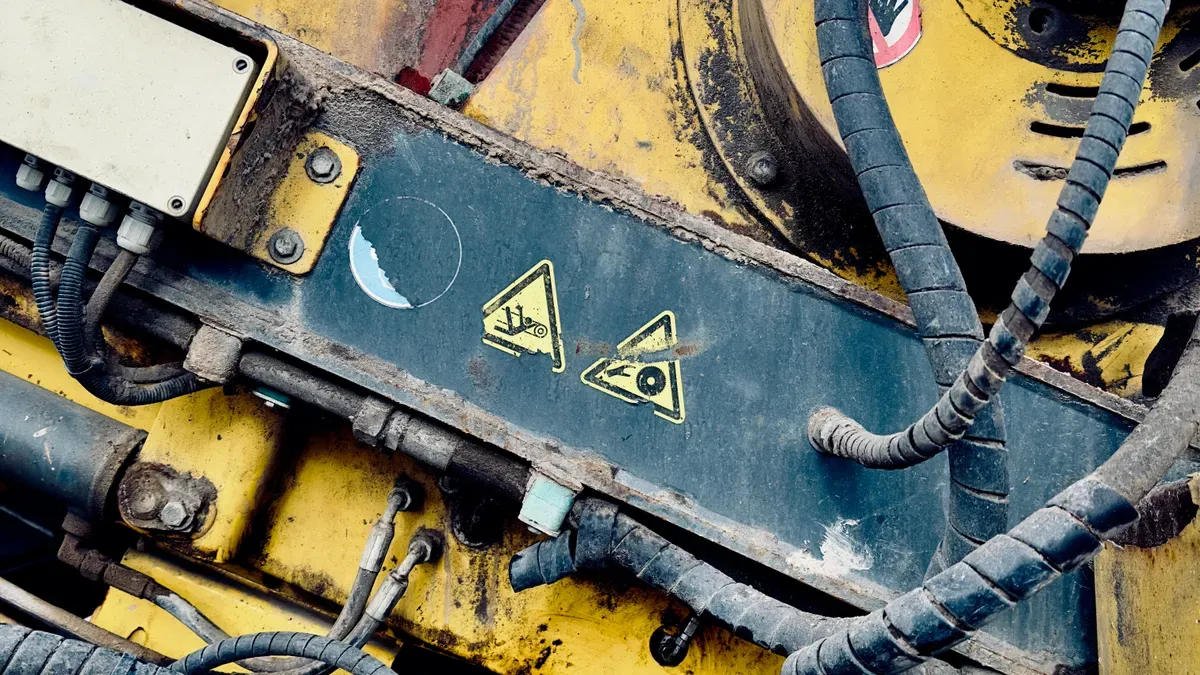
If you take care of your excavator undercarriage parts, your machine lasts longer. You also save money on repairs. If you forget this area, your parts wear out faster. You might have more breakdowns. Here are some ways to keep your excavator undercarriage parts working well.
Cleaning the Undercarriage
You need to clean your excavator undercarriage parts every day. Mud, rocks, and sand can stick to the undercarriage. These things can cause damage if you leave them. Use a shovel or scraper to remove big pieces. For tough dirt, use a pressure washer. If you see grease or oil, use a special cleaner. Stiff brushes help you scrub hard spots. Rinse everything with water when you finish. In places with lots of clay, spray the undercarriage with diesel fuel or sealant. This stops mud from sticking. Always clean at the end of your workday. This keeps your excavator undercarriage parts free from bad debris. It also helps you find problems early.
Inspecting Tracks and Rollers
You should check your tracks and rollers often. If you let dirt build up, it can change track tension. This makes your excavator undercarriage parts wear out faster. Here is a table to help you remember when to check:
|
Inspection Frequency |
Description |
|---|---|
|
Daily |
Look for leaks, cracks, and debris before you start work. |
|
Weekly/Biweekly |
Clean the undercarriage and check roller flanges and track tension closely. |
|
Monthly/Operating Hours |
Measure and check temperature, especially if you work in tough conditions. |
Always watch your track tension. If the tracks are too loose, they can slip off. If the tracks are too tight, your excavator undercarriage parts wear out faster. Adjust the tension to fit your work site.
Checking for Debris and Damage
Mud, rocks, sand, and other rough stuff can hide in your excavator undercarriage parts. These things can grind down metal and rubber. Mud and debris stuck in the track frame can ruin your excavator undercarriage parts over time. Take out all debris before it causes problems. Look for dents, cracks, or missing parts. If you see damage, fix it right away. Keeping your excavator undercarriage parts clean and checking track tension often helps you avoid big repairs.
Tip: Make cleaning and checking track tension something you do every day. Your excavator undercarriage parts will last longer. You will also have fewer problems at work.
Fluid and Filter Maintenance
You want your excavator to run smoothly every day. Good maintenance starts with a daily check of fluids. This simple habit helps you spot problems before they get big. You should look at coolant, hydraulic fluid, and engine oil levels before you start your machine. Low fluids can cause overheating, poor performance, or even engine damage. If you keep up with these checks, you help your steel excavator parts last longer.
Checking Hydraulic Fluid and Oil Levels
You need to check hydraulic fluid and oil levels every day. Use the dipstick or sight glass to see if the fluids are at the right mark. If you see low levels, top them up right away. Clean fluid keeps your excavator running strong. Dirty or low oil can lead to more wear and tear. Make this part of your regular maintenance routine. It only takes a few minutes, but it can save you hours of repair time later.
Tip: Always check fluids when the machine is cool and parked on level ground. This gives you the most accurate reading.
Inspecting Hoses and Seals
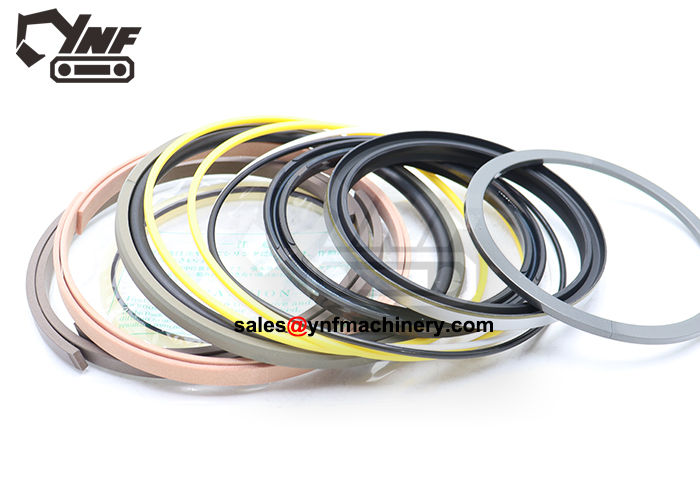
You should look at hoses and seals during every maintenance check. These parts keep fluids inside your excavator. If you see leaks, cracks, or bulges, fix them fast. Leaks can cause big problems for steel parts. Here’s what can happen if you ignore damaged hoses or seals:
-
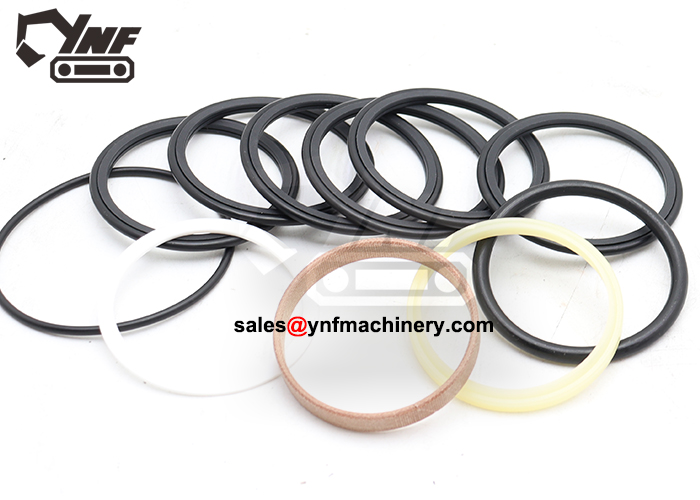
Seals stop fluid and gas leaks. If they break, you can lose pressure and even face engine failure.
-
Hoses move fuel and hydraulic fluid. If they get damaged, your excavator can overheat or misfire.
-
Leaks make your machine less safe and can lead to costly repairs.
Protecting seals is key to keeping your excavator safe and strong. Always replace worn or damaged seals right away.
Replacing Filters Regularly
Filters keep dirt and debris out of your fluids. You need to change them on a set schedule. Here’s a quick guide to help you remember when to replace each filter:
|
Filter Type |
Recommended Replacement Frequency |
|---|---|
|
Hydraulic Filters |
Every 500–1,000 operating hours; some as early as 250 hours |
|
Engine Oil Filters |
Every 250-500 operating hours or at least once a year |
|
Cabin Air Filters |
Every 1,000 to 2,000 operating hours or at least once per year |
If you use your excavator in tough conditions, you may need to change filters more often. Always follow the manufacturer’s guidelines for maintenance. Clean filters help your fluids stay pure and your steel parts last longer.
Note: Write down every filter change in your maintenance log. This helps you track when the next replacement is due.
You can keep your excavator working hard with regular maintenance. Daily checks, careful inspection of hoses and seals, and timely filter changes make a big difference.
Supply for Steel Excavator Parts and Quality
You want your excavator to last and work its best. The supply for steel excavator parts plays a big role in this. If you pick the right parts, you get better performance and fewer problems. Let’s look at how you can make smart choices for your machine.
Sourcing Genuine Replacement Parts
When you need new parts, you face a choice. You can buy genuine OEM parts or go for aftermarket options. Genuine parts match your machine’s specs and give you peace of mind. Aftermarket parts can be cheaper, but their quality changes from one brand to another. Here’s a quick look at the differences:
|
Aspect |
Genuine OEM Parts |
Aftermarket Parts |
|---|---|---|
|
Quality |
Made to the same standards as your original parts. |
Quality can change a lot depending on the maker. |
|
Compatibility |
Always fits and works right. |
May not fit well or work as expected. |
|
Warranty |
Comes with a strong warranty and support. |
Warranty depends on the company, often not as good. |
|
Price |
Costs more, but you know what you get. |
Usually cheaper, but you might risk performance. |
If you choose aftermarket parts, make sure you buy from a trusted supplier for steel excavator parts. This helps you avoid problems with fit and performance.
Tip: YNF Machinery is known for reliable supply for steel excavator parts. They focus on quality and help you keep your machine running strong.
Following Manufacturer Guidelines
You should always follow the rules set by your machine’s maker. These guidelines tell you what materials, sizes, and load limits to use. Good supply for steel excavator parts means picking parts that match these rules. Here’s why it matters:
-
Parts made from strong materials last longer and break less.
-
The right size and shape means easy installation and smooth work.
-
Tested parts handle heavy loads without failing.
-
Quality parts resist wear, so you save money over time.
If you skip these steps, you might see more breakdowns and higher costs.
Scheduling Maintenance Intervals
You need a plan for when to check and replace parts. Stick to the schedule in your manual. Use only the fluids and filters your maker suggests. If you use the wrong fluid, you can wear out steel parts faster, lose your warranty, or even damage your hydraulic system. The right supply for steel excavator parts and fluids keeps your machine safe from overheating, rust, and poor performance.
Set reminders for each maintenance task. Write down every change in a logbook. This helps you stay on track and keeps your excavator in top shape.
Safe Operation and Maintenance Practices
You want your excavator to last a long time. You also want everyone to stay safe. Good habits and regular checks help you reach this goal. When you follow the right steps, you protect your machine and your team.
Operator Training and Best Practices
You must get training before using the controls. Training teaches you how to use steel parts safely. You also learn the rules in your operation and maintenance manual. Here is what good training covers:
|
Focus Area |
Description |
|---|---|
|
Safe Operation |
Learn safe habits, pre-shift checks, and OSHA rules. |
|
Mastering the Working Zone |
Understand balance, lifting limits, and how to read load charts. |
|
Hands-on Evaluation |
Show your skills with real machines and pre-start inspections. |
Always read your operation and maintenance manual before a new job. This helps you remember important steps. It also keeps you ready for anything.
Avoiding Overloading and Misuse
Never make your excavator do more than it should. Too much weight can hurt the hydraulic system, undercarriage, and steel parts. Here is what can happen if you ignore the limits:
-
Parts wear out faster, so you need more repairs.
-
The machine can tip over if you lift too much. This is dangerous for you and others.
-
Hard jobs, like breaking rocks, can make your equipment wear out sooner.
Follow the load charts in your operation and maintenance manual. If you use your excavator the right way, you avoid accidents. Your machine will also last longer.
Documenting Maintenance for Safety
You need to keep records of every check and repair. This helps you stay safe and follow the rules. Here is how good records help:
|
Source |
Key Point |
|---|---|
|
Comprehensive Guide to Heavy Machinery Risk Management |
Keep records of all checks and repairs for compliance and future needs. |
|
Staying Safe Around Heavy Machinery |
Do regular safety reviews and update training. Review incident reports to meet safety rules. |
|
12 Essential Safety Tips for Heavy Equipment Operations |
Log every inspection and repair. This keeps your machine ready and safe. |
Keep your operation and maintenance manual close by. It tells you when to check parts and how to write down your work. OSHA says you must keep inspection records for audits. Signed pre-operation records show a trained operator checked the machine. Good records help you find problems early. They also prove you follow safety rules.
Tip: Use a checklist or an app to track your maintenance. This makes it easy to find records when you need them.
If you take care of your steel excavator parts often, they last longer. They also work better and help keep your team safe. You can find small problems early and fix them. This means you do not need big repairs and you save money. Checking and oiling parts often can cut down on machine stops by 30%. It can also lower emergency repair costs by up to 80%. Here is what you get:
|
Benefit |
Impact |
|---|---|
|
Less downtime |
+30% |
|
Lower repair costs |
Up to 80% saved |
|
Longer equipment life |
More value for your money |
|
Better safety records |
Fewer accidents |
Try to use these tips every day. Always read your manual and buy parts from good suppliers. Your excavator will work well for you!
FAQ
How often should you inspect steel excavator parts for damage?
You should check your steel excavator parts every day. Look for signs of damage like cracks, dents, or leaks. If you spot damage early, you can fix it before it gets worse.
What causes the most damage to excavator buckets?
Heavy loads, rough digging, and hitting rocks cause the most damage. Weather can also lead to damage, especially rust. If you use the wrong attachment, you risk more damage. Always follow the load limits.
How can you prevent damage from rust and corrosion?
Clean steel parts often. Dry them after washing. Apply the right lubricant to stop moisture from causing damage. Store your excavator in a dry place. If you see rust, fix the damage right away.
What should you do if you find damage during maintenance?
Stop using the machine. Check how bad the damage is. Replace or repair the damaged part. If you need new parts, YNF Machinery offers reliable supply. Fixing damage quickly keeps your excavator safe.
Why is it important to track damage and repairs?
Keeping records helps you spot patterns of damage. You can plan repairs and avoid surprise breakdowns. If you track damage, you save money and keep your machine running longer.