You can stop equipment downtime by planning the delivery schedule for excavator parts to ensure they arrive before issues occur. In construction, every hour your excavator is not working means you lose money and miss deadlines. Industry data shows most excavators work 320 to 440 hours before breaking down, and fixing them can take up to 9.8 hours. Acting fast keeps your machines running.
Key Takeaways
Keep important excavator parts like filters, hydraulic systems, and undercarriage parts ready. This helps stop downtime and lets you fix things fast.
Use digital tools and automatic reorder systems to watch your inventory. Restock parts when needed so you do not wait for maintenance.
Stick to a preventive maintenance schedule. Do regular inspections and train operators. This makes your excavator last longer and stops surprise breakdowns.
Identify Critical Excavator Parts
Common Wear Parts to Stock
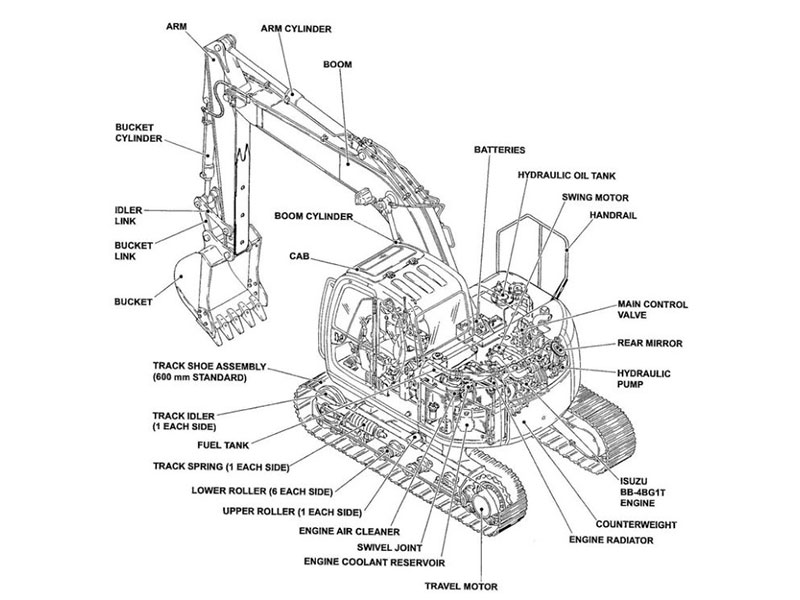
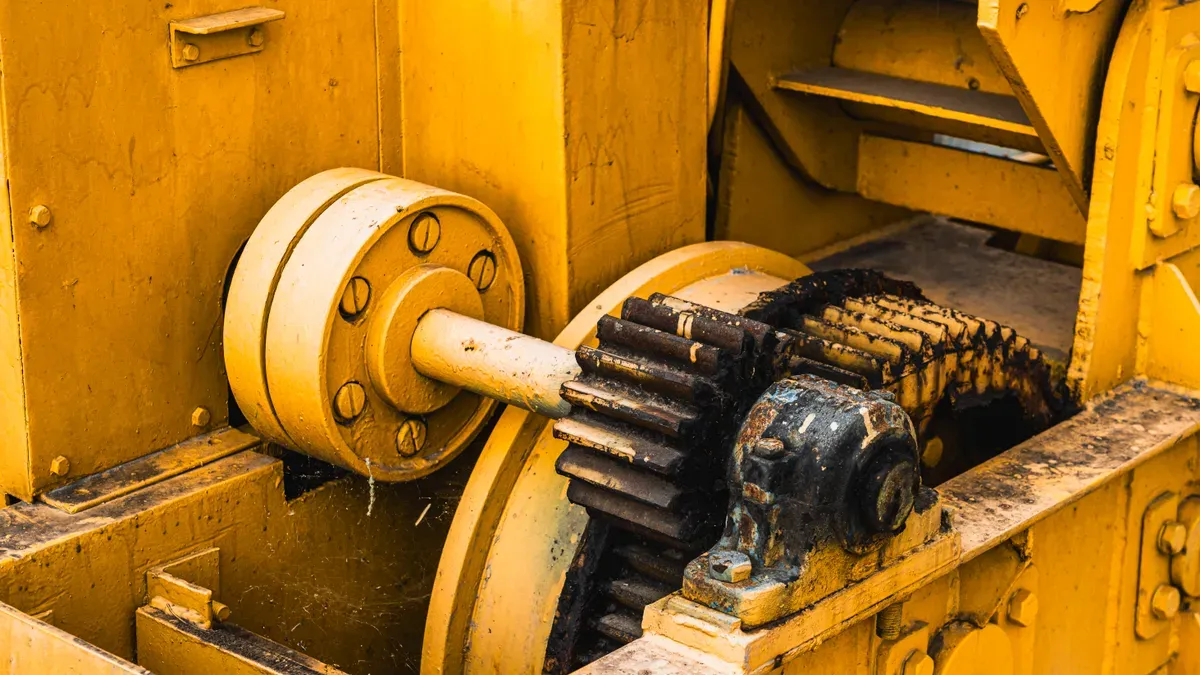
You should have the right excavator spare parts ready. This helps you avoid waiting during construction. Some parts break down faster than others. If you keep these parts, you can fix things fast. Your excavator will keep working.
Filters
Hydraulic systems
Undercarriage parts
Cabs
Swing gear boxes
Swing motors
Tip: Having filters, seals, and gaskets in stock stops sudden problems. Change these parts often so your machine works well.
Here is a table that shows which excavator spare parts can stop your work the most:
Excavator Parts | Likelihood of Causing Downtime |
|---|---|
Air Filters | High |
Hydraulic Filters | High |
Belts | Moderate |
Seals | Moderate |
Hoses | Moderate |
Bucket Teeth | Moderate |
Oil Filters | Moderate |
Prioritizing Parts for Downtime Prevention
You can stop downtime if you focus on the most important parts. Start by following the manufacturer’s rules for taking care of your machine. Change your plan if you use your excavator a lot. Check old breakdowns to see if there are patterns. Use technology to watch your equipment and get reminders for maintenance.
Put the most expensive equipment first if downtime costs more.
Make a list of your machines and start with excavators.
Give the most important equipment attention before other tools.
Note: Checking your machines often and using good parts means fewer breakdowns. Teach your team and keep spare parts close so you can fix things quickly.
Organize and Track Parts Inventory
Inventory Storage Best Practices
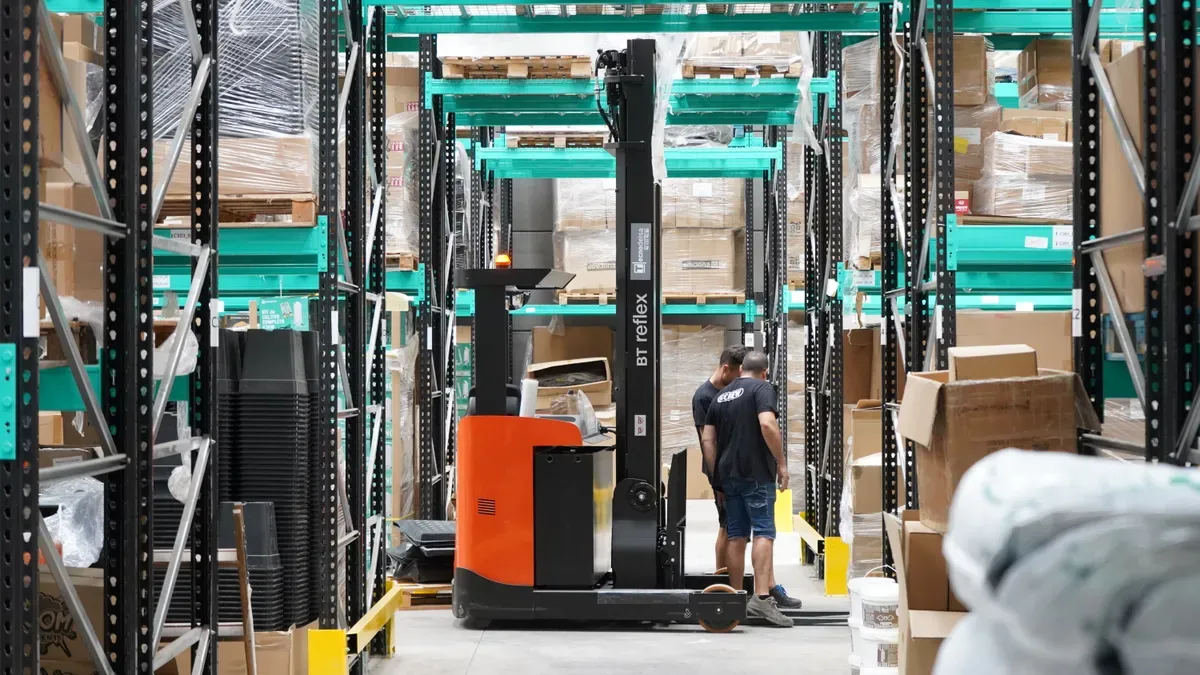
You can keep your excavator working by keeping parts organized. First, check each machine for broken or weak parts. Clean all parts before you put them away. Take off dirt, grease, and plants to stop rust. Put oil on moving parts to keep water out. Fix or swap out any parts that look old before storing them. This helps you see what you have and makes sure parts are ready.
Follow these steps for the best results:
Check machines and parts often.
Clean and dry everything before putting it away.
Oil and grease parts that move.
Fix or change weak parts before storing.
When you set up your storage, label shelves and bins. Put the parts you use most in easy spots. Use tracking tags to help you find things fast. This makes it easy to see what you have and track parts.
Using Digital Catalogs and Logs
Digital tools help you track your parts better. You can use digital lists to see what you have right now. These tools show what you need and what you must order. Tracking systems with barcodes or RFID help you find parts quickly. Real-time alerts tell you when to order more, so you never run out.
Feature | Benefit |
|---|---|
Real-Time Inventory Monitoring | Lets you track stock levels easily |
Automated Reordering | Stops you from running out of parts |
Centralized Information Access | Helps you find the right part |
Barcode/RFID Integration | Makes tracking parts simple |
Spare Parts Availability Alerts | Reminds you to restock parts on time |
Digital checks and logs help you track repairs and care. Using digital lists cuts down on downtime. You can use your machines more and keep warranties good. Real-time tracking also helps you see what you have and makes your job easier.
Note: Sites using digital checks finish 25-35% more inspections in 90 days. This means better fuel use, fewer surprise repairs, and higher resale value.
Optimize Delivery Schedule for Excavator Parts
Setting Up Automated Reorder Points
You can keep your excavator working by using automated reorder points. This system watches your parts and orders more before you run out. You will not have to wait for new parts. This means less downtime for your machine. Automated reorder points look at how fast you use parts. They order more when you need them. The system also changes safety stock if your needs change. When you are low on parts, it makes a purchase order right away.
Here is how automated reorder points help you:
Orders get made right when you need them.
The system picks the best amount to order.
Safety stock changes if you use more or less.
Purchase orders are made as soon as you need them.
The results of using automated reorder points are easy to see:
Impact | Statistic |
|---|---|
Stockout Reduction | Over 40% |
Inventory Cost Reduction | Exceeding 20% |
Carrying Cost Minimization | Up to 35% |
These tools help you keep your delivery schedule on track. You will not have to stop work because you are waiting for parts.
Working with Reliable Suppliers
You need good suppliers to keep your parts coming on time. Good suppliers help you avoid waiting and keep your machine working. Look for suppliers who know your brand and have lots of parts. They should offer both new and rebuilt parts. Good suppliers check every part before sending it. They use strong boxes to ship parts. If you need parts from other countries, they can ship them too. They also help you take care of your machine.
You should check how well your supplier does their job. Look at how often they fill orders, deliver on time, and send perfect orders. Check if they have backorders. These numbers show if your supplier is good or causes delays. Top companies use real-time dashboards to watch these numbers. This helps you find problems early and keep your excavator working.
Tip: YNF Machinery is a great supplier for excavator parts. They ship fast, have many parts, and give strong support. Picking a good partner like YNF Machinery helps you get parts on time and keeps your equipment working in construction.
You can make friends with local suppliers to get parts faster. Make sure your paperwork is right and talk clearly to keep your delivery schedule on time.
Implement Preventive Maintenance
Scheduling Regular Inspections
You can make your excavator last longer by checking it often. Daily inspections help you find problems early. This stops your machine from breaking down and costing money. Many big companies check their machines every day. They look for leaks, low fluids, or worn parts. This habit can stop big failures by 65%. You should check hydraulic fluid, engine oil, and undercarriage wear. These checks keep your excavator safe and working.
A mining company got good results with preventive maintenance:
Equipment breakdowns went down by 22% in one year.
Equipment was available 12% more often.
Maintenance costs dropped by 18% because they had fewer emergency repairs and better parts.
You can use alerts to remind your team about inspections. These alerts help you stick to your maintenance plan.
Creating a Maintenance Calendar
A maintenance calendar helps you plan all your tasks. You can set up jobs for each day, week, or month. This keeps your excavator in good shape and stops downtime. Alerts can remind you about important jobs so you never miss them.
Here is a sample maintenance calendar for excavator fleets:
Maintenance Interval | Tasks |
|---|---|
Daily (Pre-shift) | Check hydraulic fluid, engine oil, coolant levels; visual inspection for leaks; track tension; grease points |
Every 50 Hours | Clean radiator and oil cooler; check air filter; inspect hydraulic hoses; verify track adjustment |
Every 250 Hours | Change engine oil and filters; inspect air filter (replace if needed); check coolant condition |
Every 500 Hours | Replace hydraulic filters; service cooling system; comprehensive undercarriage inspection |
Every 1,000 Hours | Replace hydraulic fluid; inspect swing bearing; complete electrical system check |
Every 2,000 Hours | Major service including all fluids, filters, and comprehensive component inspection |
If you follow a calendar, your excavator stays ready for work. You will not have surprise breakdowns.
Use Predictive Maintenance Tools
Leveraging Telematics for Equipment Downtime Reduction
Telematics can help you stop your excavator from breaking down. It collects live data from your machine. This data shows when your excavator needs care. You do not have to guess or use a calendar. You can plan repairs before something goes wrong. This keeps your machine healthy and stops surprise problems.
“You cannot get rid of downtime because you still need to do maintenance. But telematics lets managers pick the best time for repairs so downtime does not hurt as much.” — Case Construction’s Ted Polzer
Telematics systems watch engine hours, fluid levels, and error codes. You get alerts when something changes. You can fix small issues before they turn into big ones. A study found that predictive maintenance can cut costs by up to 31%. It can also lower downtime by as much as 50%. Your excavator works longer and you save money.
Telematics helps you do predictive maintenance by checking equipment health and performance.
It lets you plan repairs based on real engine hours.
Small problems get fixed early so big failures do not happen.
Monitoring Equipment Health
You must check important signs to keep your excavator working well. Performance monitoring uses sensors to track these signs. Sensors measure vibration, temperature, pressure, and sound. They help you find problems before your machine stops.
Metric | Description |
|---|---|
Fuel consumption | Measures gallons per hour. Spikes mean something is wrong. |
Utilization rate | Compares time used to time available. Shows how well you use your machine. |
Production output | Tracks volume and quality over time. Finds good and bad equipment. |
Downtime | Watches hours not working. Shows how failures change your schedule. |
Maintenance | Logs repair time and cost for each machine. Finds which models work best. |
Studies show AI-powered predictive maintenance can guess failures with up to 94% accuracy. Companies using these tools see a 30-50% drop in surprise downtime. Continuous checks lead to a 62% drop in equipment downtime. You can stop expensive repairs and keep your excavator working well.
Train Operators and Staff
Maintenance Routines and Best Practices
Your excavator lasts longer if you train your operators well. Training usually takes 8 to 12 hours at first. Operators learn how to check the machine and follow safety rules. They also learn how to find problems early. Hands-on practice with inspection tools helps them feel sure of themselves. Using digital tools also helps them learn. Most operators get good at these tasks in two or three weeks if they practice a lot. You should update training every six months so everyone remembers what to do.
Many companies use OSHA 10 and OSHA 30 Outreach programs for safety. These programs teach workers about hazards and how to stay safe. Excavation and trenching certificates show workers how to work with soil and use safety systems. Competent person courses teach supervisors how to lead excavation jobs. In New York, site safety training has a special class for excavation. The Excavator Training Program teaches skills, safety, and care to help workers do better.
Regular training helps your staff stay up-to-date. This means fewer mistakes and better work when handling parts.
Communication for Parts Requests
Clear talking between operators and maintenance teams keeps your excavator working. You set rules so everyone knows what to do. Share plans and schedules in meetings so each team knows what is needed. Celebrate when the group does a good job to build teamwork. Let operations staff join maintenance training so they know how to ask for parts and help with repairs.
Here are the best ways to ask for parts:
Give each team member a clear job.
Have meetings often to check schedules.
Thank both teams for their hard work.
Teach operations staff about maintenance jobs.
Good talking and training help you stop delays and keep your excavator ready for work.
Review and Improve Downtime Processes
Analyzing Past Downtime Events
You can cut downtime by learning from old breakdowns. Root cause analysis finds the real reason machines stop. It looks deeper than just fixing what you see. This method finds problems behind 42% of downtime cases. You should track downtime carefully. Sometimes, what you think happened is not what really happened. The difference can be as much as 50%. Digital inspection forms and CMMS systems help you record downtime. You can add timestamps, photos, reason codes, and tags for how bad the problem is. These tools send data to a CMMS. The system turns downtime tracking into real-time information. It can guess when failures might happen and start preventive steps. You can have regular warehouse meetings to check how things are done and talk about ways to get better. Use system data to see how often parts move in and out, how long they stay, and what the environment is like. This helps you make your warehouse layout and management better.
Step | Recommendation |
|---|---|
1 | Have warehouse meetings often to check how things are done and talk about ways to get better. |
2 | Use system data to see how often parts move in and out, how long they stay, and what the environment is like. Make your warehouse layout and management better. |
3 | Train warehouse workers often so all jobs and system steps are done right. |
4 | Set up a feedback system to quickly collect problems found during work and keep making warehouse management better. |
5 | Make a plan to count inventory regularly, like once a month. Check system data with what is really in the warehouse and fix any mistakes fast. |
Adjusting Schedules and Supplier Agreements
You can stop expensive downtime by changing delivery times and supplier deals. Match hauling schedules with your project plans so you do not wait to load or unload. Clear talking between haulers and contractors stops delays. Make dirt-hauling schedules fit project phases so materials come when needed. Better maintenance steps remove slowdowns and extra work. You use resources better with good scheduling. Automated alerts help you fix problems faster. Standard steps make sure maintenance is always good. Picking reliable suppliers like YNF Machinery helps parts arrive on time and cuts downtime.
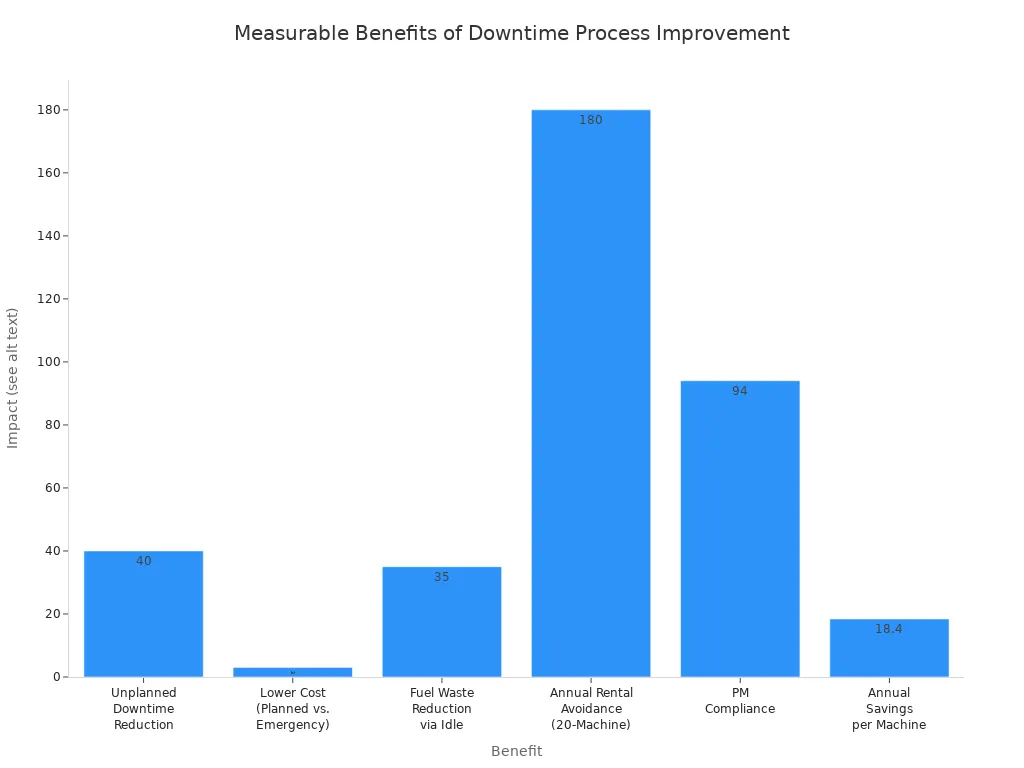
Benefit | Measurable Impact |
|---|---|
Unplanned Downtime Reduction | 40% |
Lower Cost (Planned vs. Emergency Repair) | 3–5x lower |
Fuel Waste Reduction via Idle Management | 35–42% |
Annual Rental Avoidance (20-Machine Fleet) | $180K |
PM Compliance | 94% (vs. 71% industry avg) |
Annual Savings per Machine | $18,400 |
You can get these benefits by checking downtime steps often. This means fewer breakdowns, lower emergency repair costs, and better excavator work. You avoid surprise downtime and save money every year.
You can keep your excavator working and save money if you plan early. Many companies had less downtime by using good parts, checking machines often, and using smart systems. The table below shows how these steps help you save money and make your machine last longer. Pick trusted suppliers like YNF Machinery for parts you can count on.
Companies got better results by:
Using good spare parts and checking machines often
Using smart systems to watch machines in real time
Evidence Type | Details |
|---|---|
Annual Savings per Excavator | $8,000–$12,000 |
Implementation Costs | $2,000–$3,000 |
ROI | 300-400% |
Payback Period | 6-9 months |
Lifespan Extension | 40% |
Resale Value Increase | Much higher than if you do not use these steps |
Keep making your process better and act early to get the best results.
FAQ
How often should you check your excavator parts inventory?
Check your parts every week. This helps you find missing parts fast. Your excavator will be ready to work.
What is the best way to order excavator parts quickly?
Use automated reorder points and digital catalogs. These tools help you order parts quickly. You will not have to wait for parts.
Which supplier offers reliable excavator parts delivery?
YNF Machinery ships parts fast and gives strong support. They have many parts you can pick from. You can trust them to keep your excavator working.