Regularly checking your excavator’s components is essential for optimal performance. Worn parts account for 28% of hydraulic issues, while poor maintenance contributes to another 10%. Using high-quality components, such as Excavator Engine Parts from YNF Machinery, ensures longer-lasting parts and enhances your machine’s efficiency and reliability. YNF Machinery is a trusted provider with a comprehensive list of excavator parts to meet your needs. Whether you’re a beginner or an experienced operator, you can protect your excavator and prevent costly issues by choosing reliable, top-quality parts.
Key Takeaways
Look at your excavator every day to find early signs of wear, like leaks, odd sounds, or damage you can see.
Use tools such as ultrasonic testing and thermal imaging to find hidden problems in rollers, tracks, and other parts.
Stick to a strict maintenance plan, including changing oil and replacing parts, to help your excavator last longer.
Change worn parts right away to stop expensive repairs and cut down on lost work time, so everything runs well.
Pick good replacement parts, like ones from YNF Machinery, to make your excavator work better and be more reliable.
How to spot worn excavator parts
Keeping your excavator working well starts with finding problems early. You can stop sudden breakdowns and expensive fixes by checking your machine step by step. Here’s how you look for damage and keep your excavator running.
Listen for strange sounds
Begin by listening when your excavator is working. Strange sounds can mean something is wrong. If you hear a whining hydraulic pump, it could mean low fluid or worn parts. Clanging noises might show loose track parts or worn pins and bushings. Grinding sounds often mean bearings or gears are worn. Knocking or clicking noises can come from worn plungers or cylinders. Squeaking or grinding can happen if there is not enough oil. If you hear turbulence and noise, valve plates may be broken and messing up fluid flow. These sounds are early signs of undercarriage problems and can cause failure if ignored.
Look for leaks
Leaks are a common warning sign when you check your excavator. Look for wet spots or puddles near hoses, fittings, and cylinders. Broken seals let dirt and dust in, which wears out parts faster. An open reservoir lets in dirt, causing more wear and possible breakdowns. Cylinder failures usually happen from worn parts or rust, showing bad damage. Always check for leaks every day to stop hydraulic system failure.
Type of Leak | What It Means |
|---|---|
Damaged seals | Dirt and dust get in, causing more wear |
Open reservoir | Lets in dirt, causing big problems |
Cylinder failures | Worn parts or rust, showing bad damage |
Watch for performance problems
Notice how your excavator moves and works. If it moves unevenly, rollers may be misaligned or worn. If it works slowly, sprockets or track frames may be damaged. If it has less power, tracks or idlers may be broken. Too much shaking means rollers are worn or not lined up right. Grinding or clicking noises can come from broken sprockets or track parts. If the track slips while digging or moving, sprockets may be worn, track tension may be wrong, or tracks may be misaligned. These problems are early signs of undercarriage issues and can cause failure if not fixed.
Movement Problem | Possible Cause | What To Do |
|---|---|---|
Uneven Movement | Misaligned or worn rollers | Check and replace bad rollers |
Slow Operation | Worn sprockets or broken frames | Replace sprockets, check track tension |
Less Power | Broken tracks or idlers | Inspect and replace if needed |
Vibration or Noise Problem | Possible Cause | What To Do |
|---|---|---|
Too Much Vibration | Worn or misaligned rollers | Fix or replace rollers |
Grinding or Clicking Noise | Broken sprockets or track parts | Replace sprockets, check for cracks |
Check for visible damage
Looking closely helps you find problems before they get worse. Look for cracks on the track surface, which can cause breakage and loss of grip. Uneven wear or thinning means the track will not last as long and will lose traction. Worn teeth, especially thin or chipped ones, make the track slip and lose grip. Cracks in the idler or frame can cause misalignment and frame failure. Always measure track wear to catch these problems early.
Damage Type | What To Look For | What Happens |
|---|---|---|
Cracking | Small or deep cracks on track surface | Track breaks, loses grip |
Excessive Wear | Uneven wear or thinning | Track lasts less, loses grip |
Worn Teeth | Teeth are thin or chipped | Slips, does not grip well |
Visible Cracks | Cracks in idler or frame | Misalignment, frame breaks |
Use special tools
Modern tools help you find hidden problems that you cannot see. Ultrasonic testing finds cracks and thickness changes in rollers, tracks, and sprockets. Thermal imaging shows overheating parts, like bearings and bushings, by showing hot spots. Vibration analysis checks for strange shaking in undercarriage parts, helping you find roller and idler problems before they get worse. These tools make maintenance easier and help you avoid expensive breakdowns.
Diagnostic Tool | What It Does | Where To Use It |
|---|---|---|
Ultrasonic Testing | Finds cracks and thickness changes | Rollers, tracks, sprockets |
Thermal Imaging | Shows overheating parts | Bearings, bushings |
Vibration Analysis | Checks vibration levels | Undercarriage parts |
Plan regular checks
You should follow a strict schedule to keep your excavator in good shape. Daily checks are important. Weekly checks help find problems that take time to show up. At 500 hours, change oil, fuel filters, and service belts. Change engine oil every 250 to 500 hours. Change hydraulic fluid and coolant every 1,000 to 2,000 hours. Following this schedule lowers the risk of breakdowns and makes your machine last longer.
Tyler Smith, Product Manager – Training at Volvo, says to follow the OEM service plan. This plan includes daily checks and maintenance at certain hours.
Why finding problems early matters
Finding wear and tear early saves money and keeps your excavator working longer. Daily maintenance can stop big failures. It lowers downtime and makes parts last longer. Good maintenance helps protect your profits.
Metric | Value |
|---|---|
Average yearly downtime cost | $180,000 per machine |
Failures caused by maintenance | 68% |
Fewer breakdowns with daily checks | 75% |
Lower repair costs | 45% |
Longer equipment life | 35% |
Profit margin change | $45,000-$85,000 per machine |
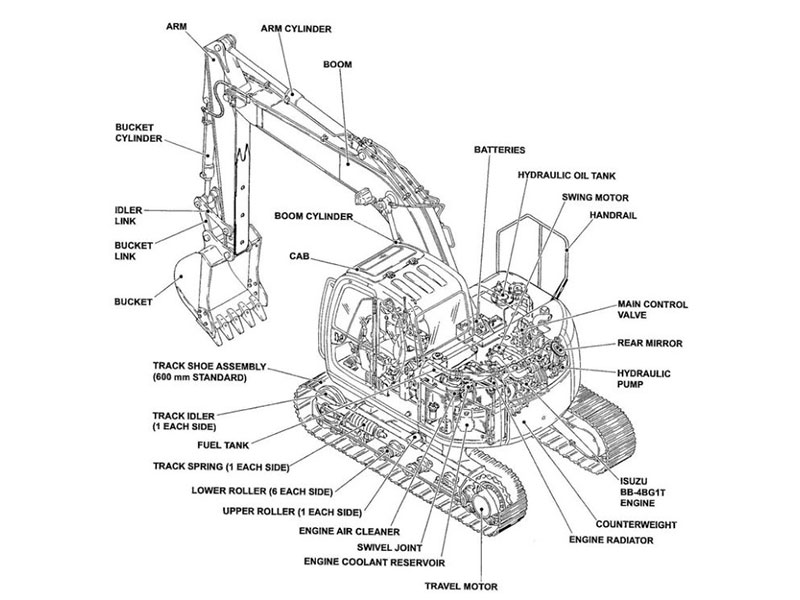
Use this list of excavator parts to help you check: engine parts, hydraulic components, undercarriage parts, pins, bushings, joints, gears, and rollers. Always look for wear and tear, especially in places that break easily like sprocket tooth wear, track tension problems, and roller and idler failures. YNF Machinery gives good support and a full list of excavator parts to help you keep your equipment working well. Regular maintenance and preventive routines help you avoid bad performance and expensive breakdowns.
List of excavator parts to check
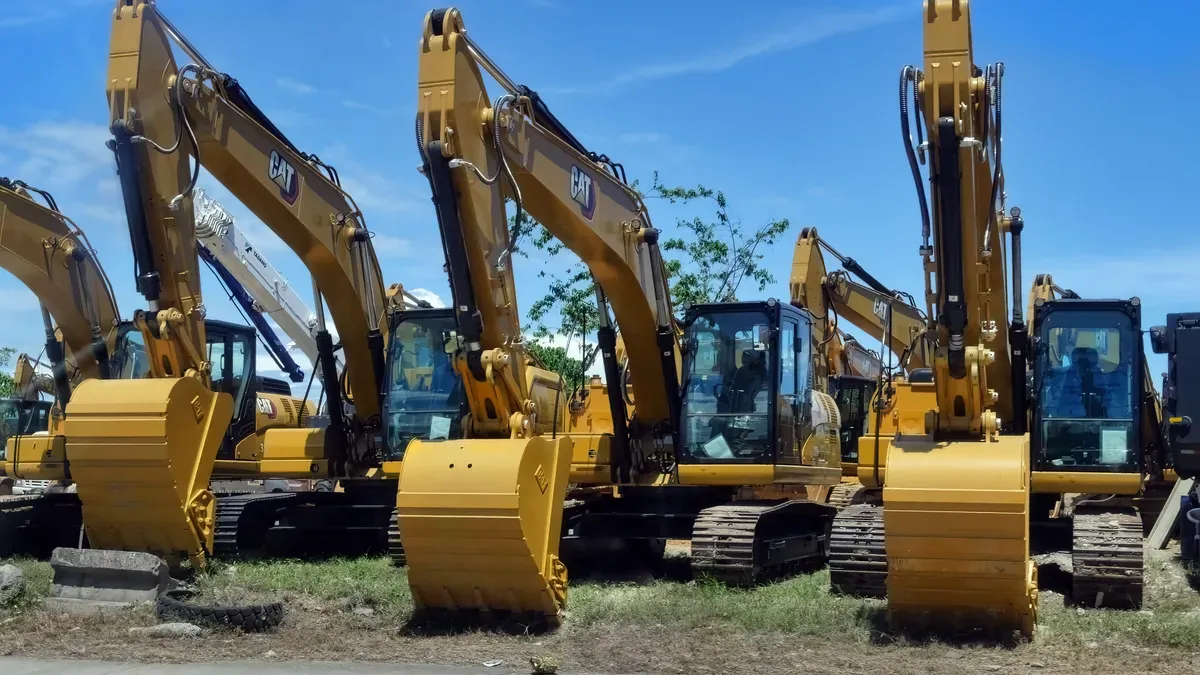
When you check your excavator, look at every part that works hard. Each part can get worn out, so you need to look closely and fix problems fast. Use this checklist to help you keep up with maintenance and make your machine last longer.
Engine parts (YNF Machinery Excavator Engine Parts)
Engine parts make your excavator move. Check pistons, cylinders, crankshafts, and bearings for cracks or leaks. Look for dirty fluids and signs of too much heat. Rubber mounts can get hard or swell from heat or leaks. If you see damage, change these parts with good ones from YNF Machinery. Their engine parts help stop breakdowns and keep your machine working well.
Failure Point | Description |
|---|---|
Environmental Exposure | Heat and ozone can make rubber crack and break. |
Fluid Contamination | Leaks can make mounts swell and get weak. |
Impact and Overload | Heavy loads can rip or break engine mounts. |
Hydraulic components
Hydraulic pumps, control valves, cylinders, hoses, and fittings need regular checks. Listen for odd sounds and look for leaks. If the machine moves slowly or jumps, parts may be worn. Check for overheating and low pressure. Change any bad parts right away to stop bigger problems.
Hydraulic pumps
Control valves
Hydraulic cylinders
Hoses
Fittings
Undercarriage parts
The undercarriage holds up your excavator and takes a lot of stress. Look at track links for cracks or missing pieces. Check rollers for a strange shape or leaks. Look at idlers for wear and listen for noise. Sprockets should not have hooked teeth. If the machine moves unevenly or slowly, the undercarriage may have problems. Change worn undercarriage parts fast to avoid big repairs.
Damage Type | What to Look For | Impact |
|---|---|---|
Cracking | Cracks on track surface | Track can break and lose grip |
Missing Links | Broken or missing track links | Less stable, works poorly |
Excessive Wear | Thin or uneven track surface | Track does not last long, less grip |
Oval Rollers | Rollers are not round | Uneven movement, wears out faster |
Worn Teeth | Thin or chipped sprocket teeth | Track slips, does not grab well |
Cracked Idlers | Cracks in idler or frame | Parts do not line up, frame can break |
Pins, bushings, and joints
Pins, bushings, and joints connect moving parts. Worn pins and bushings make the machine move loosely and make work harder. Loud clunks or uneven parts show wear. Oil these parts often and change them if you see movement at the joints. Good pins and bushings keep your excavator safe and working right.
Gears and rollers
Gears and rollers help the undercarriage move smoothly. Worn gears or rollers can hurt the undercarriage, cost more to fix, and even break the machine. Watch for dirt, stuck stuff, or loose parts. If you see wobbling or leaking seals, change the rollers right away. Checking often helps you stop downtime and keeps your excavator working.
Tip: YNF Machinery has many undercarriage parts, like track links, rollers, idlers, and sprockets. Their parts help you stop wear and make your machine last longer.
Why early detection is crucial
Preventing costly repairs
You can save lots of money by finding wear early. Checking your excavator often helps you find problems fast. If you see a worn track, you can change it before it breaks. This stops small problems from becoming big repairs. You do not have to pay for huge fixes and your machine keeps working. Regular checks help you find leaks, cracks, and thin spots in the track. You also stop dirt from getting into the undercarriage, which makes parts wear out faster. YNF Machinery has good parts that help you fix these problems quickly. You spend less on repairs and keep your excavator working well.
Reducing downtime
Downtime can cost you thousands of dollars every year. If your excavator stops because of a worn part, your project can slow down. Finding problems early helps you plan repairs before things break. You can pick the best time to do maintenance. This keeps your excavator working and your team busy. You do not have to wait for emergency parts. YNF Machinery sends parts fast, so you get them quickly. When you change worn parts early, your machine keeps moving and your business stays on track.
Changing worn parts early keeps downtime low.
Checking your machine often helps you stop surprise breakdowns.
Fixing wear before it gets bad stops big problems.
Extending equipment lifespan
Your excavator lasts longer when you change worn parts on time. A worn track can hurt the undercarriage and other parts. If you wait too long, you might need to change more than just the track. Checking for wear and doing maintenance protects your machine. You make sure your excavator works well for many years. YNF Machinery gives you good parts that help your machine last longer. You get more use from your equipment and spend less on new machines.
Tip: Always check and take care of your undercarriage and track. This easy habit can help your excavator last for years.
Benefit | How Early Detection Helps |
|---|---|
Lower repair costs | Fix small wear before it gets expensive |
Less downtime | Keep your excavator working |
Longer equipment lifespan | Protect the undercarriage and track |
YNF Machinery is a top supplier for excavator parts. You get good quality, fast help, and expert advice for all your maintenance needs.
What to do when you find worn parts
Immediate actions
Act quickly when you see worn parts on your excavator. First, stop the machine and mark the damaged spot. Clean the area so you can see the problem better. Check the track for cracks, leaks, or missing links. Look at the undercarriage for loose bolts or broken rollers. If oil leaks from a track roller, stop using the excavator until you fix it. Fast action stops more damage and keeps your machine safe.
Tip: Always keep a basic tool kit close by. You can tighten bolts or remove debris from the track and undercarriage right away.
Repair or replace decisions
You need to choose between repair or replacement. Small repairs, like tightening bolts or welding cracks, fix minor issues. If a track roller seal fails and oil leaks, replace it. Worn sprockets or idlers also need replacement. Check for signs of wear on the track and undercarriage. Deep cracks or missing parts mean you should replace them. Use this checklist:
Tighten loose bolts on the track or undercarriage.
Weld small cracks in the track frame if you can.
Replace rollers with broken seals.
Replace worn sprockets and idlers.
Replace track links with missing or broken pieces.
Replace bushings and pins if joints move.
Replace gears and rollers if you see wobbling or leaks.
YNF Machinery has reliable replacement parts for every repair job. Their inventory includes track, undercarriage, and engine parts. You get quality parts and fast delivery. Their technical team helps you pick the right replacement for your excavator.
Documenting issues
Write down every problem you find during checks and repairs. Record the date, place, and type of wear. Use a checklist to track repairs and replacements. Keep a log for each track, undercarriage, and engine part. This helps you plan future maintenance and replacements. Check your excavator’s manual for maintenance schedules. Make a routine and update it after each replacement. File your checklist so you can find it easily. Good records help you spot patterns and avoid downtime.
Note: Keeping records helps you find the cause of breakdowns and improve your maintenance plan.
Task | Action | Benefit |
|---|---|---|
Inspection | Record wear and damage | Find problems faster |
Maintenance | Log repair and replacement activities | Plan better |
Replacement | Update checklist after each replacement | Less downtime |
If you need replacement parts, pick YNF Machinery. Their experience, quality parts, and big inventory make them a great supplier for excavator replacement parts. You protect your machine and keep your maintenance on track.
Inspection tips for excavator owners
Create a checklist
A good checklist helps you find worn parts early. You should list every part, like the undercarriage, track, and engine. Start by checking your excavator every day. Look for leaks, loose bolts, and dirt on the undercarriage. Check the track for cracks, missing links, or uneven spots. Look at rollers, idlers, and sprockets for any damage. Open all covers and check for leaks or strange smells. Check the cab controls, mirrors, and lights too. Grease the needed spots when you see they are dry. Use a digital tool to keep track of your checks and repairs. This helps you spot problems and plan fixes.
Issue | Impact | Prevention through Checklist |
|---|---|---|
Emergency repair costs | 55% of maintenance budgets | Prevents reactive crisis response |
Equipment downtime | 30-40% of available hours | Reduces undetected failures |
Major failures | 50% cause secondary damage | Enables early detection |
Warranty claim denials | $75,000+ losses | Ensures proper documentation |
“Doing daily checks keeps your machine safe. It can also warn you early if something is wrong. If you see a loose bolt or fitting, you can fix it fast. This saves you money and time later.”
Train your team
You must teach your team to use the checklist and know each step. Show them how to look at the undercarriage and track for wear. Teach them to use simple tools and digital logs. Make sure everyone checks rollers, idlers, and other undercarriage parts. Training helps your team find problems early and keeps your excavator working. YNF Machinery gives help and advice for training and picking parts.
Teach operators to check the undercarriage and track every day.
Show how to find leaks, cracks, and loose parts.
Use digital tools to track all maintenance.
Go over the checklist together each week.
Set inspection schedules
Make a clear plan for all checks and repairs. Daily checks should cover the undercarriage, track, and moving parts. Weekly checks can be for deep cleaning and finding hidden damage. Plan oil changes, filter swaps, and full undercarriage checks by hours used. Use reminders to tell your team when to do maintenance. Regular checks lower the chance of breakdowns and help your excavator last longer.
Maintenance Frequency | Failure Rate | Operational Efficiency | Maintenance Cost |
|---|---|---|---|
Regular maintenance | Low | High | Moderate |
Delayed maintenance | High | Low | High |
YNF Machinery can help you make a good maintenance plan. They have quality parts for undercarriage and track needs. Their team helps you from inspection to repair.
You keep your excavator safe by doing regular maintenance. Checking often helps you find worn undercarriage parts early. Change broken parts with good ones from YNF Machinery. This keeps your excavator working well. Doing regular checks makes your undercarriage last longer and saves money on repairs. You get good parts, steady quality, and help from experts. Write down what you check, clean your machine, and follow your plan. YNF Machinery is the top choice for strong engine parts and undercarriage solutions.
Key Aspect | Importance |
|---|---|
Routine inspection | Stops big undercarriage problems |
Quality parts | Makes your excavator work better and longer |
FAQ
How often should you inspect your excavator?
You should check your excavator every day before you start work. Regular checks help you find problems early. This keeps your machine safe and working well.
What are the signs of defective excavator parts?
You may notice strange noises, leaks, or slow movement. These signs show you have defective excavator parts. Replace them quickly to avoid bigger problems.
Why does your excavator lose power?
Your excavator can lose power if engine parts or hydraulic components wear out. Dirty filters or low fluid levels also cause power loss. Check these parts often.
Where can you buy reliable excavator parts?
You can buy reliable excavator parts from YNF Machinery. They offer high-quality parts and expert support. This helps you keep your excavator running smoothly.
What should you do if your excavator breaks down on site?
Stop the excavator right away. Check for loose or broken parts. Write down what you find. Call your supplier for help. Quick action can prevent more damage.