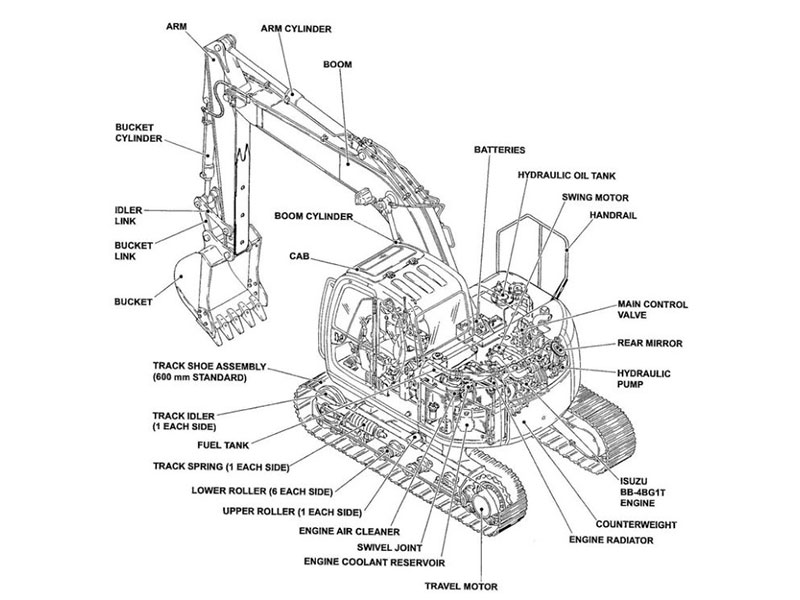
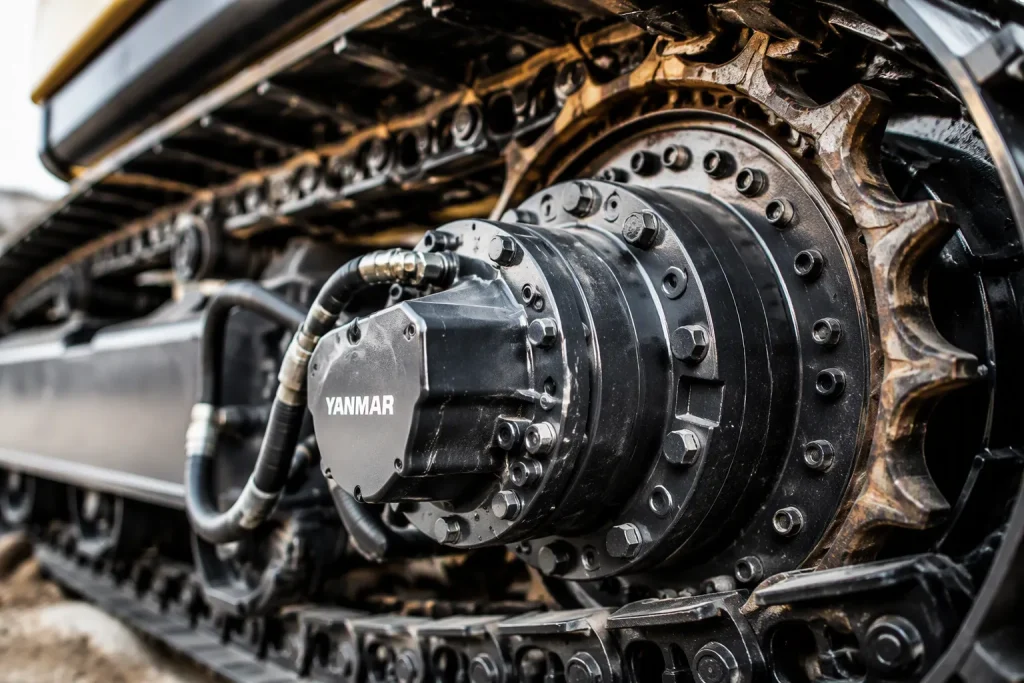
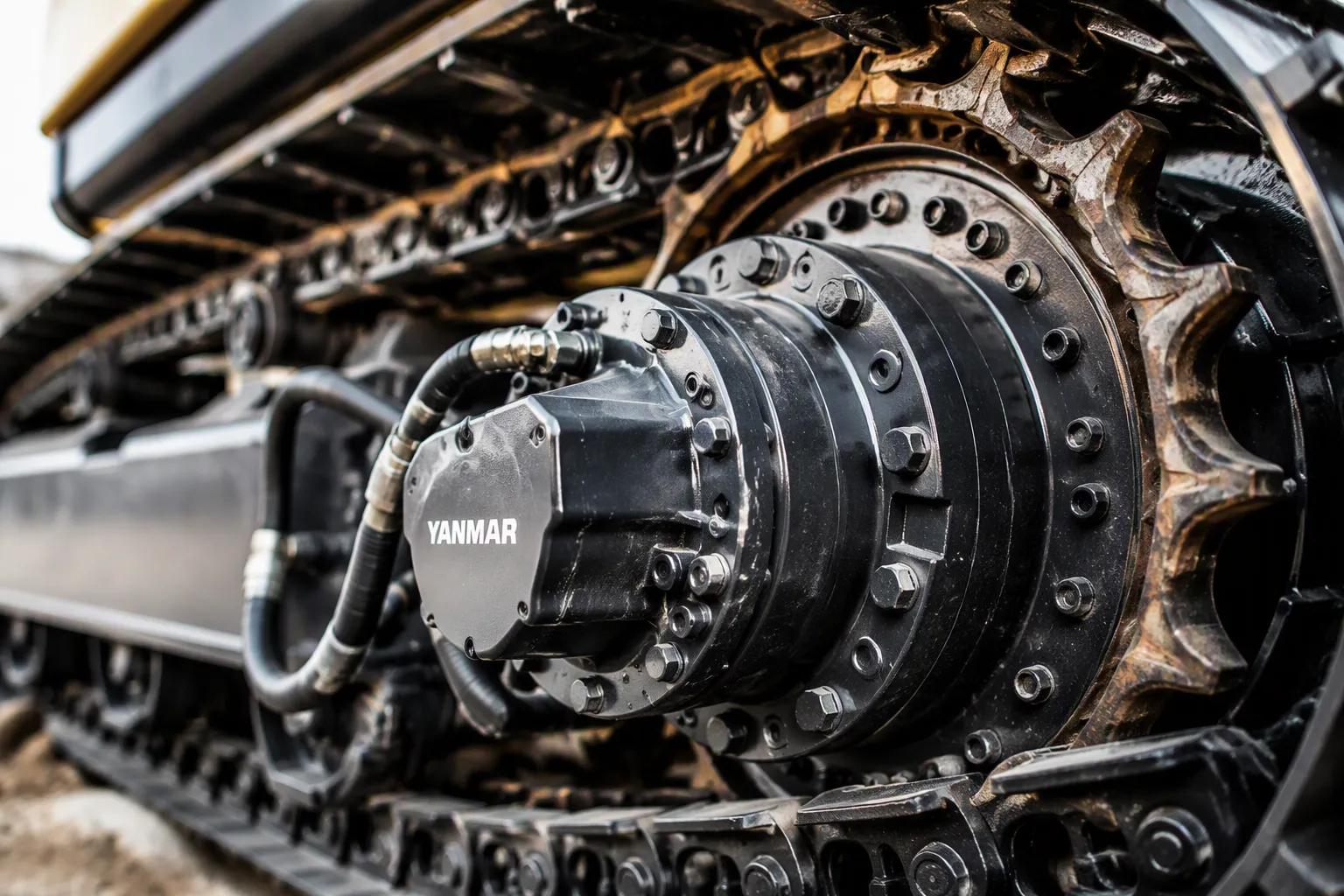
The final drive on your Yanmar excavator is a gear reduction unit. It changes hydraulic power from the main pump into mechanical torque. This torque moves the tracks. Without this part, your excavator cannot move. The unit slows down rotation speed while increasing force. This allows your excavator to handle heavy loads and rough ground well.
A healthy final drive affects how your machine works. It allows smooth turning and exact control. Working well also saves fuel. Ignoring this part causes stress and early wear. You will have costly downtime if it breaks. Knowing its job helps you protect your money. When you need to replace it, buy good Yanmar excavator final drive parts. This choice keeps your excavator reliable and makes it last longer.
Key Takeaways
The final drive changes hydraulic power into mechanical force that turns the tracks.
Taking care of the final drive on a regular basis saves fuel and helps avoid expensive repairs.
Listen for grinding or whining sounds to spot final drive issues before they get worse.
Always use real Yanmar final drive parts for a dependable fix.
Final Drive Definition and Core Function
What Is a Final Drive on a Yanmar Excavator?
A final drive on your Yanmar excavator is the gear reduction unit at each track. This assembly receives hydraulic energy from the main pump. It then transmits power to the tracks. Without this unit, your excavator cannot move at all.
The excavator final drive contains two main parts. The first part is the hydraulic motor. The second part is the gear reduction set. The hydraulic motor receives pressurized oil. The gear set then slows down the rotation speed. This slowing action multiplies torque significantly.
The final drive reduces rotational speed and multiplies torque, essential for moving heavy loads.
Gear reduction ratios typically range from 3:1 to 4.5:1, balancing speed and power for optimal control.
A higher ratio (like 4.5:1) boosts torque for better pulling power at low speeds, ideal for off-road vehicles and trucks. In tracked vehicles, multiple stages of gear reduction further increase rotational torque, ensuring the vehicle can push through dirt, rocks, and heavy loads without losing traction or control.
You can see these specifications in real final drive parts. A replacement excavator final drive for a Yanmar ViO55 weighs about 134.9 lb (61.179 kg). It arrives fully assembled with a sealed hydraulic motor and gear sections. The unit works on either side of your machine. The hose port connections match the original size and location.
Specification | Value |
|---|---|
Weight | 134.9 lb (61.179 kg) |
Dimensions | 2.01 cu ft (0.057 cu m) |
Assembly | Complete with sealed hydraulic motor and gear sections, filled with oil |
Side compatibility | Works on either side of excavator |
Hose port connections | Same size and location as original |
Condition | Brand new replacement (not used/rebuilt) |
A properly functioning final drive system ensures your excavator can turn its tracks and maneuver effectively. Good final drive parts allow smooth operation. The excavator final drive directly affects machine performance. Neglected units cause stress on other components. This leads to early wear and costly repairs. You can avoid these problems with consistent care.
How It Converts Hydraulic Power to Track Movement
The conversion process follows a clear sequence. First, the hydraulic pump sends pressurized oil to the travel motor. The travel motor converts this oil flow into rotational motion. The motor spins at a high speed but produces relatively low torque.
Next, the gear reduction set takes over. The gears reduce the motor’s rotation speed. They multiply the torque at the same time. This torque multiplication allows the machine to handle heavy loads. It also lets the machine operate on steep and uneven terrain.
The difference between a final drive vs travel motor matters for your understanding. The travel motor creates the original rotation. The excavator final drive contains the gear reduction that makes that rotation useful. You cannot replace one with the other. They work as a team.
The gear reduction happens in stages. Multiple gear sets work together. Each stage further reduces speed and increases torque. The final stage connects to the drive sprocket. The sprocket engages the track chain. The track then moves the entire machine. The excavator final drive handles this entire process smoothly.
Regular maintenance of this system keeps it working well. Check oil levels frequently. Look for leaks around the seals. Listen for grinding or whining noises. These steps protect your investment in your excavator parts. They also improve fuel efficiency. Proper lubrication reduces friction inside the gear set. This keeps operating temperatures lower.
The efficiency of the final drive system affects your operating costs. A well-maintained unit transfers power with minimal loss. A worn unit wastes hydraulic energy. This waste shows up as heat and reduced track power. High-quality final drive parts maintain good efficiency. Investing in reliable final drive parts keeps your machine running longer. You should choose OEM-grade final drive parts from a trusted supplier.
How the Final Drive Works
Hydraulic Motor and Gear Reduction System
Your Yanmar excavator uses two main parts inside the final drive assembly. The hydraulic motor gets pressurized oil from the main pump. This motor turns that oil flow into spinning motion. The gear reduction set then changes that spin into useful power for your tracks.
The hydraulic motor spins very fast. That speed alone gives only low torque. The gear reduction set fixes this issue. It makes the motor spin slower while boosting torque. Together, these parts give your excavator the pulling strength it needs. The gear reduction ratio usually falls between 3:1 and 4.5:1. A higher ratio gives more torque at slower speeds. This balance matters for how your machine performs on rough ground.
Step-by-Step Power Transmission
Power moves through your excavator final drive in a clear order. Knowing this process helps you find problems early.
The main pump sends pressurized hydraulic oil through hoses to the travel motor.
The travel motor changes that oil pressure into spinning motion on a shaft.
The spinning shaft goes into the gear reduction set.
Planetary gears lower the shaft speed step by step.
Each gear step adds more torque.
The last gear step connects to the drive sprocket.
The sprocket grabs the track chain and moves your excavator forward or backward.
This whole process happens in seconds. The final drive system keeps working while the machine runs. Every gear step needs proper lubrication. Good lubrication cuts down friction and heat buildup. This protection helps your excavator final drive last longer.
How well this system works affects your fuel use directly. A well-kept final drive system sends power with little loss. Worn gears waste hydraulic energy as heat. That waste lowers your machine’s efficiency and raises operating costs. Regular oil checks keep the system running well. Pay attention to odd noises while operating. Grinding sounds often point to gear wear. Finding problems early saves you from costly repairs. Your excavator relies on this power path for every move it makes. Keeping each part healthy ensures dependable operation on any job site.
Why the Excavator Final Drive Matters for Performance
Torque Multiplication and Maneuverability
The torque multiplication inside your excavator final drive directly shapes how well you work on every job. This gear reduction gives your excavator the strength to handle heavy loads. You can move dirt on steep slopes without losing power. Each track gets the right amount of power for the conditions.
The gear set changes high motor speed into usable pulling force. This force lets your excavator push through thick material. The excavator final drive sends torque to each track on its own. This independent control lets you spin one track forward and the other backward. Your machine turns in place without moving forward.
You get exact control around foundations and obstacles. The final drive system also keeps your machine steady on side slopes. Good torque balance stops your excavator from sliding sideways. Your work gets better because you can place the bucket exactly where needed.
Smooth power delivery supports good performance and efficiency. You burn less fuel when the gears run with low friction. Better efficiency means lower operating costs and better overall performance. Every drop of fuel goes toward moving the machine rather than fighting friction.
The mix of torque and control gives you smoother performance in all conditions. You finish more work in less time.
Benefits of a Well-Maintained Final Drive
A well‑maintained final drive gives you clear benefits on every project. Your track turning stays smooth and responsive at all times. You keep exact control in every direction you need to move. Better fuel efficiency comes from less friction inside the gear set. This efficiency keeps your daily costs low.
The positive effect extends to your machine performance. Your excavator final drive works hard during long operating hours. It carries heavy loads across rough ground every single day. High efficiency also means the unit uses less hydraulic power for the same work. This efficiency directly affects your fuel bill at the end of each week.
Regular maintenance protects this critical unit from stress and early wear. You avoid early damage to internal gears and seals. This protection leads to longer service life for your entire machine. You also face shorter downtime when problems stay small.
Consistent maintenance catches small issues before they grow. Small leaks or strange noises get fixed early. This approach boosts reliability on every project.
Your machine runs efficiently with fewer interruptions. The excavator final drive delivers efficient movement across the job site. Overall efficiency improves when the drive train stays in good shape. Operating efficiency increases when all parts run smoothly.
For Yanmar machines this unit faces extreme demands each day. Proper care ensures your excavator meets those demands without failure. The machine carries heavy loads across uneven terrain for hours at a time.
The final drive also affects your performance directly. When it works well your machine delivers great performance. Neglect causes component stress and leads to early wear. You end up with costly repairs and unplanned downtime.
Good efficiency depends on healthy gears and proper lubrication. Watching oil levels keeps this efficiency high. The final drive transfers power with little loss when well maintained.
These factors keep your machine running strong and improve your excavator performance for years. A quality excavator final drive gives you dependable service. The final drive system plays a key role in every movement your machine makes. Good performance depends on every part working together.
Maintaining and Replacing Your Final Drive
Essential Maintenance for a Long-Lasting Final Drive
Your excavator final drive needs regular care to work well. Start with daily walkaround checks. Look for oil leaks behind the sprocket. A leak there means a seal has failed. Check the gear oil level as your Yanmar manual says. Inspect the oil through the inspection plug. Dark, milky, or metallic-looking oil means heat damage or dirt got in. Change the oil on the manufacturer’s maintenance schedule.
Listen for warning sounds while you operate. Clicking or knocking at regular intervals suggests a chipped tooth inside the gear set. Vibration during travel points to uneven wear or bearing play. These sounds tell you something early. Catching problems now helps prevent costly repairs later.
Warning Sign | How to Detect It |
|---|---|
Clicking or knocking at regular intervals | Listen for distinct impact sounds during operation |
Vibration during travel | Feel for rough travel or one-sided vibration |
Loss of travel power | Watch for pulling to one side or sluggish starts |
Oil leaks behind sprocket | Visual check during daily walkaround |
Contaminated gear oil | Remove inspection plug and check color |
Track slippage and reduced power also signal trouble. Your machine may pull to one side. It may start slowly. These signs point to gear damage inside the final drive system. Regular maintenance catches these issues early. Good care keeps your excavator moving with good efficiency.
Choosing Yanmar Excavator Final Drive Parts
When replacement becomes necessary, choosing the right final drive matters. Use OEM-quality parts for your Yanmar excavator final drive parts. These final drive parts match the original fit and durability. Cheap alternatives often fail quickly. They cost you more in downtime.
Verify your machine’s model number before ordering. Check the serial number on your excavator. Confirm the part number matches your specific Yanmar model. The hose port connections must match the original size and location. A mismatched part will not install correctly.
Source your final drive parts from a reputable supplier. An authorized dealer knows the correct specifications. A trusted parts supplier can confirm compatibility. Ask about warranty coverage before purchase. Quality final drive parts come with proper documentation.
Investing in genuine Yanmar excavator final drive parts protects your equipment. These final drive parts maintain your machine’s efficiency. They keep your excavator working hard for years. Good excavator parts reduce your total operating costs. Your maintenance routine and part choices work together. Together they keep your final drive system running strong.
Your machine relies on its excavator final drive for every movement. This excavator final drive converts hydraulic power into useful track torque for your machine. Your excavator handles heavy loads on uneven terrain every day. Regular maintenance of your excavator final drive prevents costly breakdowns. Check your excavator final drive early for signs of failure. Look for leaks and odd noises during work. This excavator maintenance saves you from expensive downtime. Your excavator final drive performance directly affects overall efficiency. Good efficiency keeps your excavator operating at peak levels. You get more done in less time. Choose genuine excavator parts for any replacement. Quality parts protect your investment. A well-kept final drive ensures long-term excavator reliability and keeps you working.
FAQ
How Often Should You Check the Gear Oil in Your Excavator’s Final Drive?
Check the gear oil level every 250 hours. Change it after the first 500 hours. Then replace it every 1000 hours. Clean oil keeps your excavator running smoothly and prevents internal damage.
What Does a Failing Final Drive Sound Like on Your Excavator?
Listen for rhythmic clicking or knocking during travel. A grinding noise means internal gear damage. A whining sound points to low oil or bearing wear. Stop your excavator immediately if you hear these noises.
Why Does Your Excavator Pull to One Side When Traveling?
One final drive may have worn gears or low oil pressure. The track with more power moves faster. This pulls your excavator sideways. Check both gear oil levels in your excavator and inspect for leaks.
Can You Replace Only the Hydraulic Motor and Keep the Old Gear Set?
You can try, but inspect the gear set closely first. Worn gears damage a new motor quickly. Replace both parts together for best reliability. Your excavator needs balanced components for smooth operation.
How Does Track Tension Affect Your Excavator Final Drive Performance?
Loose tracks cause shock loads on the gear set. Tight tracks strain the bearings and seals. Set track sag to your manual’s specification. Proper tension protects your excavator final drive.