Salvage yards can be a source of used excavator parts, especially for older machines or components that are difficult to find new. The challenge is confirming that a used part fits your machine and remains in usable condition. This guide explains how to search, evaluate a seller, inspect a component, and compare the full cost before buying.
Key Takeaways
- Search using the machine model, serial number, original part number, and part description.
- Ask for photos of the actual component and details of the donor machine.
- Check condition, compatibility, warranty terms, and return procedures.
- Compare the part price together with freight, installation, and possible repair costs.
- Consider a new aftermarket replacement when the condition of a used part is uncertain.
Online Search for Wrecking Excavator Parts
Search Engines and Directories
Start with the full excavator model and the part name. Add the original part number if you have it. Search terms such as “used,” “salvage,” or “dismantled” can help narrow the results. For example, a search containing the model, serial range, and hydraulic pump part number is more useful than a broad search for “excavator pump.”
Listings may use different descriptions for the same component. Compare the part number, mounting points, dimensions, and photos rather than relying on a listing title alone. Ask whether the photos show the exact item being offered and whether it is still available.
Forums and Industry Contacts
Equipment owners, repair workshops, and mechanics may know where a dismantled machine or a particular used component is available. Treat these leads as a starting point. Independently check the seller and the part before making a purchase.
When requesting a part, provide the machine make, full model, serial number, original part number, and photos of the removed component. For a hydraulic or mechanical assembly, include the nameplate and relevant measurements. Clear information helps the seller identify a possible match.
Local and Offline Approaches
Local Listings and Trade Contacts
Local classified listings, equipment workshops, and industry publications may help you locate dismantled machines or used parts. A nearby seller can make inspection and collection easier, but proximity does not guarantee that a part is suitable.
Ask whether the seller has already removed the component. If it is still on the donor machine, request its model, serial number, operating hours if known, and the reason the machine was dismantled. Find out whether the part can be inspected or tested before shipment.
Word-of-Mouth Recommendations
Recommendations from mechanics and fleet managers can help you identify potential sources. Ask what they bought, whether the part matched the machine, and how the seller handled any issue after delivery. Their experience is useful, but you should still verify the specific item you intend to buy.
Evaluating and Contacting Salvage Yards
Seller and Inventory Checks
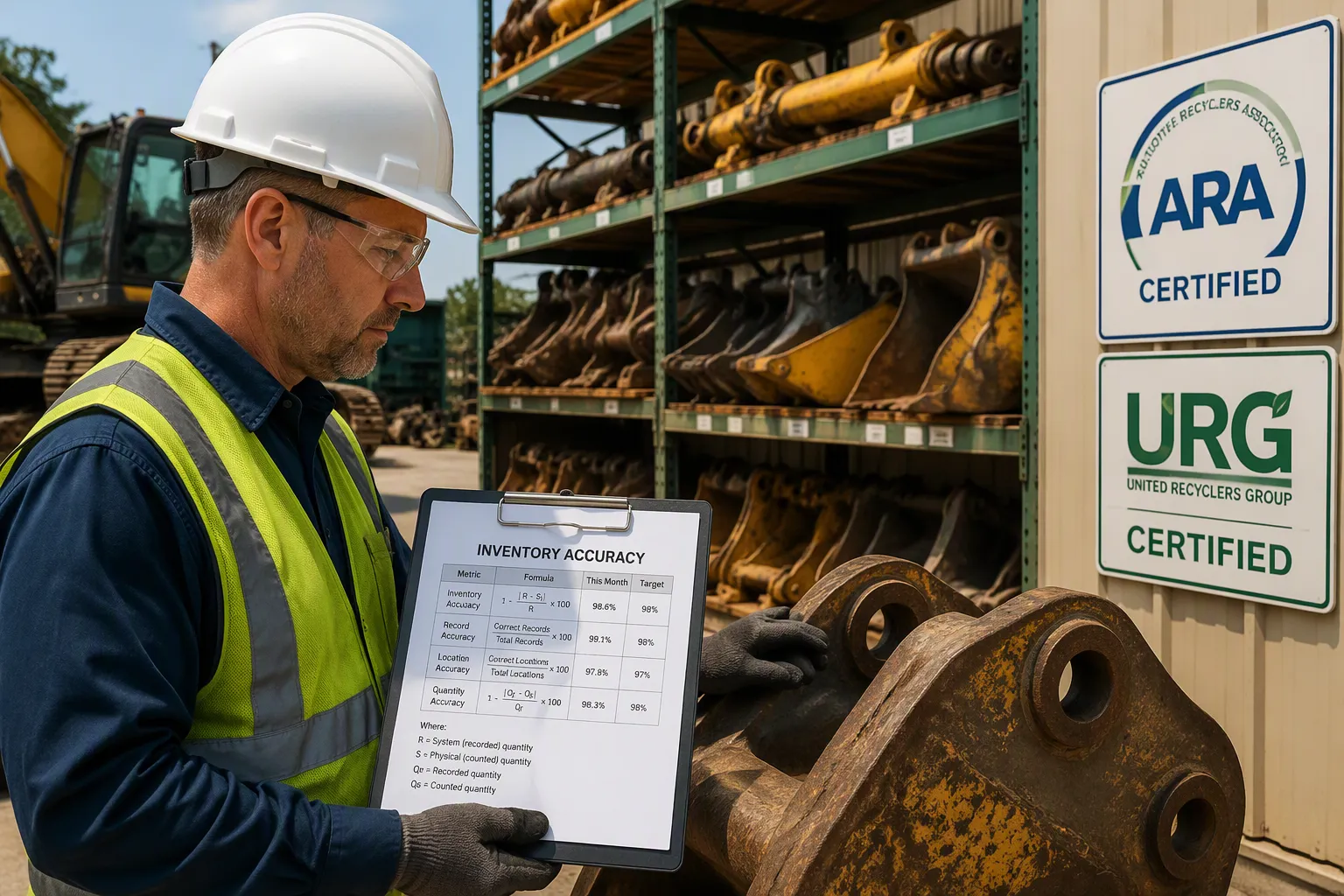
Before ordering, confirm the seller’s business details and ask whether the component is physically in stock. Request current photos showing the entire part, identification markings, mounting areas, and any visible wear. Stock photos alone cannot establish the condition of an individual used component.
Ask the seller to confirm the following details in writing:
- The original part number and any visible identification markings
- The donor machine’s model and serial number, if available
- The condition of the part and any known defects or repairs
- Whether the part was tested and what the test involved
- The included accessories, fittings, or mounting hardware
- The return window and warranty exclusions
A seller may not have every record for an older dismantled machine. Missing information increases uncertainty, so weigh that risk against the part’s price and the cost of installation.
Warranty and Price Comparison
Warranty terms for used parts vary. Some components are sold as-is; others have a limited test or return period. Ask what defects are covered, when the coverage begins, what evidence is needed for a claim, and who pays return freight. Get these terms in writing before payment.
Compare quotations for the same part number and stated condition. Include freight, import charges where applicable, and installation labor. A lower purchase price may offer poor value if the item has hidden damage or cannot be returned after testing.
Tips for Inspecting Used Excavator Parts
Confirm Fit Before Condition
Start with the machine model, serial number, and original part number. A component from a similar excavator may have different dimensions, connections, or operating specifications. Compare the used part with the removed component and consult the machine’s parts information when available.
For parts without a readable number, request measurements and clear photos from several angles. Depending on the component, check bolt spacing, shaft or bore diameter, spline count, port size, electrical connector, and overall dimensions. Do not approve an order based only on appearance.
Inspect Condition and Testing
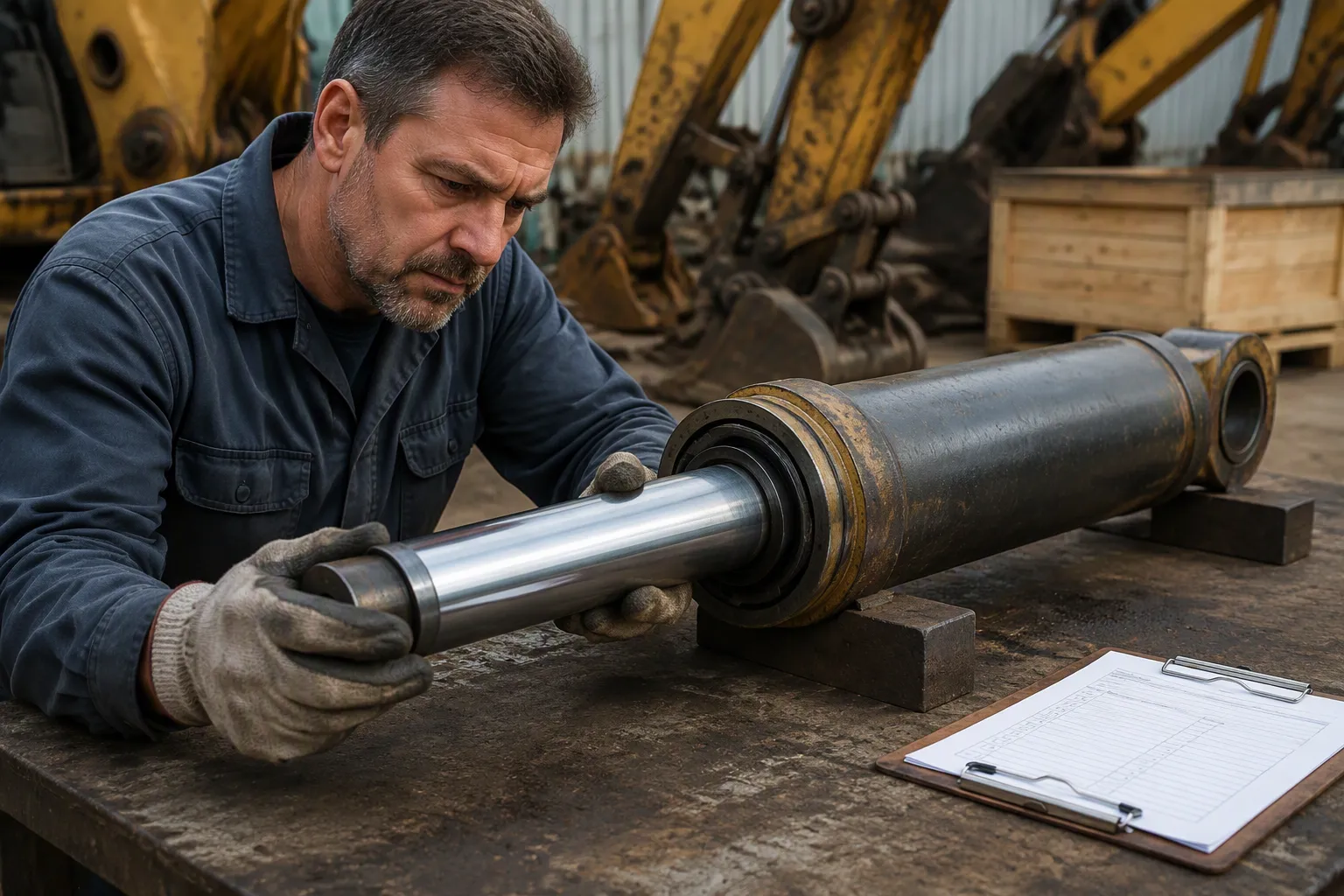
Look for cracks, corrosion, damaged threads, bent mounting points, oil leaks, and signs of previous repair. For a hydraulic cylinder, inspect the rod surface for scoring or pitting and ask whether the cylinder was tested for leakage. For a pump or motor, ask about the available test record and operating condition before removal. A visual inspection alone cannot reveal every internal fault.
| Component | What to Check | Why It Matters |
|---|---|---|
| Hydraulic cylinder | Rod surface, external leaks, mounting points, and test information | Damage or leakage may require further repair before installation. |
| Hydraulic pump or motor | Nameplate, ports, shaft details, contamination, and available test results | Internal wear may not be visible in photographs. |
| Undercarriage part | Wear profile, cracks, dimensions, and matching track specifications | Incorrect or heavily worn parts can accelerate wear elsewhere. |
| Electrical component | Part number, connector, voltage, and test status | Similar-looking components may have different electrical specifications. |
For a complete used machine, operational testing may reveal problems that cannot be seen during a static inspection. Follow the manufacturer’s operating and safety instructions and use a qualified technician where appropriate. A loose hydraulic cylinder rod should not be treated as a reliable way to assess pin and bushing wear.
Shipping and Finalizing the Order
Confirm the packed dimensions, weight, freight cost, dispatch estimate, and responsibility for transit damage before payment. Heavy components may need a crate or pallet. Ask for photos of the packed item and clarify how damage must be reported on delivery.
The written order should state the part number, quantity, condition, included items, price, shipping terms, and any warranty or return conditions. Inspect the package and component promptly after arrival, within the agreed claim period.
A used part can be a practical option when its identity and condition are sufficiently clear. If the available information is incomplete, compare the total cost and risk with a new aftermarket replacement. For help identifying a replacement by part number, machine model, photos, and dimensions, contact YNF Machinery.
FAQ
How do I find a salvage yard near me?
Search for your machine model and required part number together with “used” or “salvage.” Local repair workshops and equipment owners may also provide leads. Verify each seller and the exact component before buying.
What warranty should I expect on used excavator parts?
There is no standard warranty period for every used part. Ask whether the item is sold as-is or includes a test or return period. Obtain the coverage, exclusions, claim process, and return freight terms in writing.
How can I check whether a used part fits my excavator?
Match the original part number and applicable machine serial range. Compare key dimensions, mounting details, connections, and photos with the removed component. If information is missing, ask for additional measurements before ordering.
Can buying from a salvage yard save money?
It may reduce the initial part cost. Compare the full delivered price, inspection and installation costs, remaining service life, and return terms. A new aftermarket part may offer better value when the condition of a used component is uncertain.