
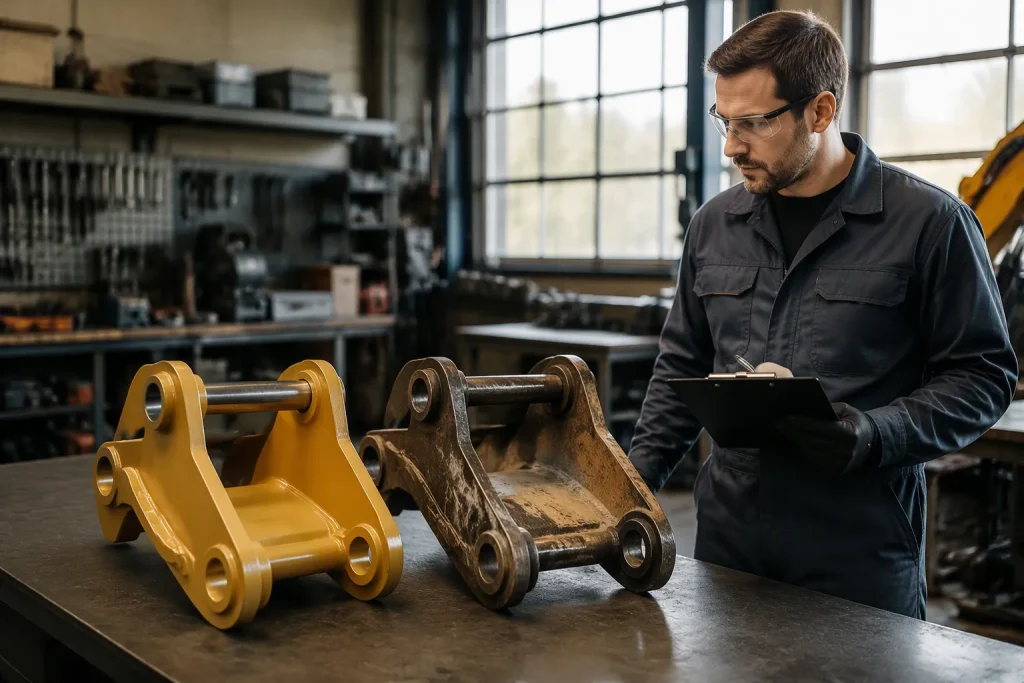
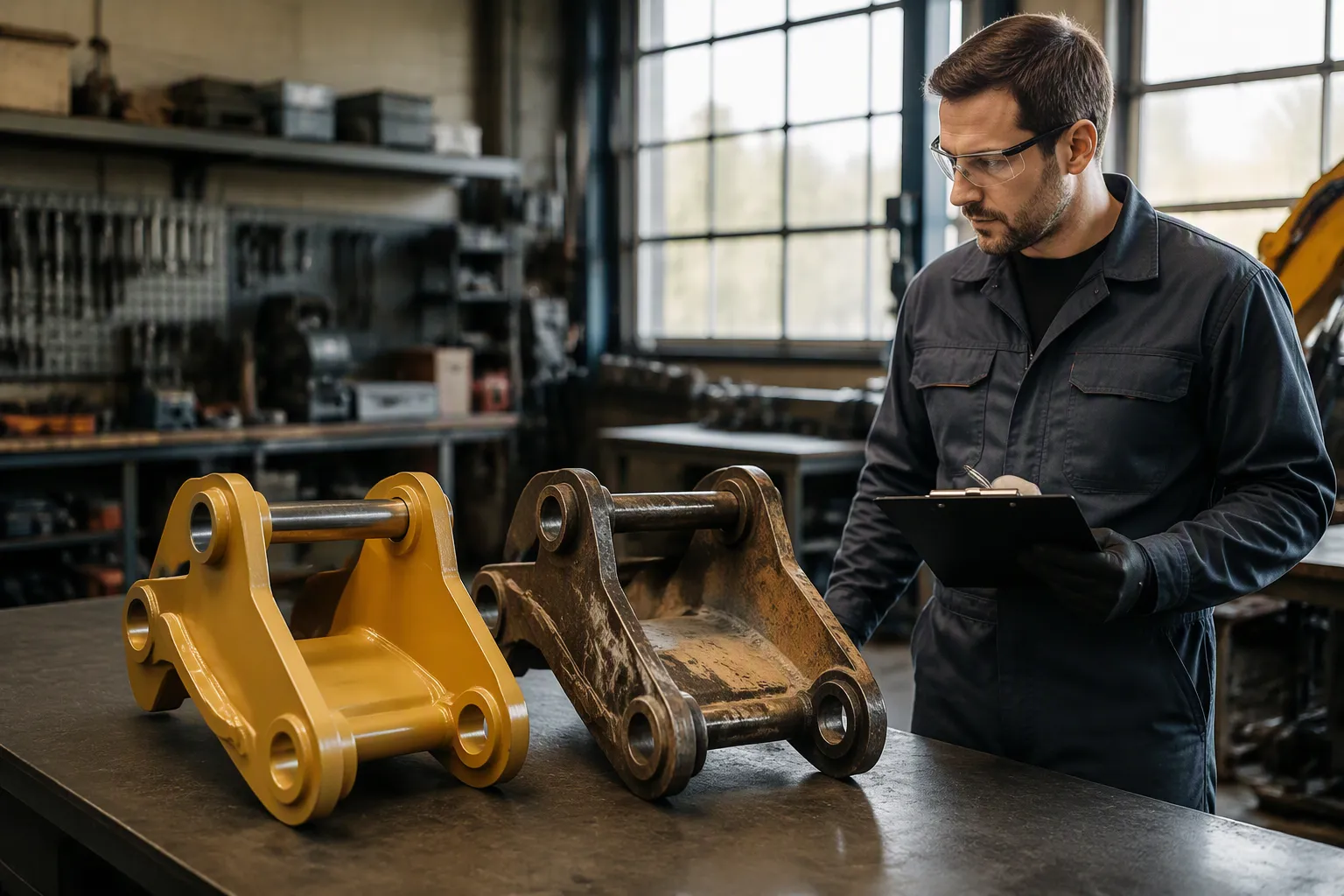
Match Volvo mini excavator parts using the complete machine model and serial number, applicable ordering number and relevant component identification. Do not assume similar model labels describe the same configuration or interchangeable parts.
Your work follows a clear path. Find your model and part number. Use official and aftermarket resources. Check compatibility before you buy. Choose a supplier with clear policies. This routine saves time, money, and downtime. Treat every spare parts purchase as a checking task, not a guess. Careful checks on your mini excavators prevent costly errors.
Key Takeaways
Before ordering parts, always check your machine’s model and serial number.
Look for the part number on the broken part, or check online catalogs.
Check that the part numbers match and review the specs to confirm it will fit.
Pick suppliers that have clear rules for warranties and returns.
Use aftermarket sources for parts that are no longer made or hard to find.
Identify Your Volvo Mini Excavator Parts Needs
Start by confirming which machine you have. The machine model and serial number are the best clues. Volvo makes many compact excavators that look alike. Without the serial number, your Volvo mini excavator parts order becomes a gamble.
Find Your Model and Serial Number
Locate the machine identification using its operator’s manual and record the full model and serial number. Confirm plate details against the records; do not assume a universal plate location or layout.
Most parts teams want to know the equipment make, model, and serial number or ESN. The serial numbers matter more because they identify the exact machine. The production year helps, but it is not always needed. Keep this information close by when you call.
Locate the Part Number
Record any printed or stamped marks, then verify which are ordering numbers rather than casting or other identifiers. Use the applicable machine or component catalog to establish the replacement number.
Without the OEM number, search by equipment make and type. Several online parts catalogs have menus called “Parts by Make” and “Parts by Equipment Type.” You can browse Volvo machines such as EC55, EC55B, ECR58, and ECR88. These tools help you find the right spare parts without knowing the exact part number. They also find spare parts for older model machines.
Confirm the ordering number, serial application, component identification and relevant specifications. A website search result does not itself prove fitment; request supported written compatibility confirmation before purchasing.
Use Official and Aftermarket Excavator Parts Resources
You now have the two keys to any correct order: your machine details and the part number. The next step is knowing where to look. There are two resource paths for Volvo mini excavator parts. One path is official. The other path is aftermarket. Each path has strengths. A smart buyer learns to use both.
Consult Volvo’s Official Parts Catalogs
Ask for the applicable catalog and assembly page for your exact machine and component identification. Match drawing callouts to ordering numbers and read all serial-range, revision and supersession notes.
When a part is no longer available through official channels, you must look elsewhere. That is where the aftermarket path begins.
One caution applies here. A catalog listing does not guarantee the part fits your exact machine. Production ranges and configurations change within the same model line. Always confirm the part number against your serial number before you order.
Cross-Reference Aftermarket Sources
For a discontinued item, ask what current replacement, aftermarket, used or rebuilt options are actually available. A supplier’s specialization does not establish stock or compatibility.
These suppliers use several methods to locate what you need:
They may check current listings; ask how the offered item’s origin and application are verified.
Used or surplus items may be available through salvage sources. Request the actual condition evidence, relevant tests and written terms; do not assume every item is tested or warranted.
They maintain supplier networks built over years of relationships. These networks help them track down dependable replacement components.
For a rebuilt unit, request repair scope, relevant test evidence and actual warranty terms. Do not assume near-new performance or lower cost.
For an aftermarket option, request the actual specifications and available quality evidence. Matching shape alone does not establish functional compatibility.
They engage in industry forums and social groups. Buyers and suppliers share leads, photos, and advice on locating obsolete parts.
Technical specifications help when the OEM number is unknown. Equipment make and type narrow the search. A supplier can match your machine to the correct reference or part name. This approach works well for obsolete parts with worn or missing labels.
Aftermarket parts are designed as direct replacements for specific OEM components. Compatibility still must be verified. Fitment can vary based on machine model, serial number, production range, configuration, and original part number. Never assume a part fits because the description sounds right.
If application remains uncertain, provide full identification and request clarification from the manufacturer, an authorized dealer or a qualified parts contact.
Photographs can support identification and document visible condition. They cannot prove internal condition or the cause of weak movement. Obtain qualified diagnosis before selecting a hydraulic, travel or structural replacement.
Verify Compatibility Before Buying
Checking fitment keeps your machine and your money safe. A spare part can look correct but still break. Small differences in pin size, hydraulic flow, or mounting shape can cause real harm. These checks take only minutes and help guide your spare parts buys.
Check Specifications and Fitment
Confirm the full mini excavator model, serial range and actual installed component. Use the applicable catalog and component specifications; a general machine specification page is not sufficient to establish part application.
Attachment fitment requires the applicable pin geometry, coupler arrangement, ratings and hydraulic requirements. Follow approved measurement and isolation procedures; hydraulic flow and pressure tests require qualified personnel and the actual service instructions. Do not apply a universal pin-size range.
Verify the actual coupler or attachment manufacturer’s approved compatibility and any required adapter. Equipment-brand relationships do not establish component interchangeability.
Common spare parts mistakes include:
Mistake | Explanation |
|---|---|
Assuming same brand guarantees fit | Serial numbers matter; pin geometry can differ across production years. |
Ignoring hydraulic flow requirements | Confirm the attachment’s actual flow and pressure requirements against the machine’s approved application |
Overlooking coupler standard differences | Verify manufacturer-approved coupler and attachment compatibility |
Buying by tonnage alone without measuring pins | Verify actual geometry and specifications using the approved measurement procedure |
Assuming generic certification proves suitability | Confirm the actual technical requirements and any applicable compliance through qualified advice |
Assuming cross-brand interchangeability | Equipment-brand relationships do not prove component interchangeability |
Use Tools and Expert Advice
Online tools give you a fast first check. Many suppliers let you search by part number. The search shows if a listing claims fitment. You still verify details yourself. Check the part number against your serial number. If that number is unclear, send your serial number and a description to a parts team. They identify the correct component and confirm whether the part fits.
Aftermarket parts need extra attention. Used or rebuilt parts need even more care. Always confirm the part and its fitment before installation. For a used or rebuilt part, request photos of wear patterns and mounting points. Describe symptoms like weak travel or slow boom movement. This narrows down the correct component.
Record the complete ordering number and supported application. Verify serial ranges, installed configuration and specifications before ordering; a price or listing claim does not prove fitment.
Source Spare Parts from Trusted Suppliers
Getting the right spare parts is only half the battle. The right excavator parts should come from a supplier you can rely on. A good supplier puts its warranty in writing.
Evaluate Warranties and Returns
Read the warranty before you order. A trustworthy supplier stands by its spare parts, and unwritten promises mean nothing.
Ask for the actual return window, exclusions, restocking fees, freight responsibility and any stated fitment remedy. Do not assume a universal return period or guarantee.
Ask whether the warranty applies to your machine and whether it transfers if you buy a used machine.
Ask for a quote and see how quickly they respond. Choose one clear contact person for each spare parts order.
Check References and Support Procedures
Ask how comparable orders and fitment or return inquiries are handled. References and feedback are supporting context, not proof of the offered item’s suitability.
Ask for relevant technical experience, actual availability and delivery estimates. Company age or network size does not guarantee that an obsolete part can be found quickly.
The official parts network is strongest for parts still in production. When a part is discontinued, dealers may no longer carry it. Salvage yards and supplier networks often stock obsolete parts.
Finding obsolete parts never gets easier, so ask for customer references. Aftermarket parts should list the OEM part number they replace. Use your part number and serial range to check fit.
Ask about import duties and customs paperwork before ordering across borders, and use a qualified broker to confirm current rules.
Retain the actual identification, compatibility confirmation and agreed order terms before paying.
You now have a clear plan for matching parts to your machine. Check your model and serial number first. Find the correct part number. Use official and aftermarket sources. Make sure the part fits before you buy. Pick a supplier with clear warranty and return rules. These steps save your time and your money.
Take extra time to check fitment. A few minutes of checking stops costly mistakes and long downtime. When you are not sure, ask a qualified professional or the manufacturer. They can confirm the right component for your machine.
Keep those records with the service history so later orders use the same verified identification basis.
FAQ
Where do I find my Volvo mini excavator serial number?
Use the machine’s operator manual to locate its identification plate and record the complete model and serial number. Also record separate component identification where relevant.
What if the part number is worn off?
Send your machine’s serial number and a short description to a parts team. They can find the correct part. When the OEM number is unknown, many teams search by equipment make and type. Their spare parts catalogs help match the right fit.
Can I trust aftermarket parts?
Assess the offered item’s supported application, required specifications and quality evidence. A cross-reference or visual match alone is insufficient. Used or rebuilt items also need relevant condition and test documentation.
Do Volvo and Hyundai parts interchange?
Do not infer interchangeability from equipment brands or corporate relationships. Confirm the actual ordering number, serial application, specifications and manufacturer-approved compatibility before purchase.
What should I do when the OEM part is discontinued?
Use aftermarket sources that focus on obsolete parts. Good suppliers keep networks of salvage yards and surplus dealers. They can find rare spare parts quickly. Cross-check the part number against your machine specs to confirm fitment before buying.
For Volvo excavator parts sourcing, consider YNF Machinery. Provide full machine and component identification, applicable part numbers and quantities, and request supported compatibility information, an actual quotation and written warranty and return terms before ordering.



