For contractors, to find a real xcmg excavator spare parts manufacturer, the buyer should always start by asking for official authorization documents. Next, carefully check factory credentials through independent audits of production capabilities. Then, compare pricing with industry norms; unusually low or high prices require caution. Finally, test communication and technical support to judge transparency. This complete article effectively turns a risky guessing game into a clear, verifiable process. The results of failure are severe: counterfeit parts cause equipment breakdowns, operator injuries, major project delays, and costly repairs. A reliable excavator needs authentic, carefully inspected components to ensure operator safety and long-term performance.
Key Takeaways
Always ask for XCMG authorization papers and check them directly with XCMG.
Inspect the factory and review its production processes and quality control records.
Check prices against normal market rates to find deals that are too low or too high.
Check how well the supplier talks with you and ask for samples before you place a big order.
Check reviews from other buyers to confirm trust and support.
The High Cost of Counterfeit Excavator Spare Parts
Safety Risks and Equipment Damage
Counterfeit excavator spare parts often look just like the real ones from the outside. The difference appears when they are put under stress. A fake hydraulic hose may burst when the excavator lifts a heavy load. A counterfeit bearing can lock up and send metal pieces through the engine. These failures put operators in serious danger. A sudden loss of hydraulic pressure can drop a boom without any warning. A failed brake part can send a machine rolling down a slope.
Genuine parts go through strict testing for pressure, heat, and wear. Companies like Caterpillar and Komatsu design their components to last thousands of hours in tough conditions. A real XCMG excavator spare parts manufacturer follows the same rules. Fake parts skip this testing. They use weaker metals and thinner seals. The result is a part that fails early and damages nearby components. One broken counterfeit part can destroy a whole engine assembly.
Financial Losses and Project Delays
The financial damage from counterfeit spare parts adds up quickly. A failed part forces the crew to stop work and order a replacement. Each day of downtime costs the contractor money through idle labor, rented equipment, and missed deadlines. Repeated repairs drain the maintenance budget. A cheap counterfeit part that fails three times costs much more than one quality part that lasts.
Project delays create a second wave of losses. Late completion can trigger contract penalties and hurt the company’s reputation. Clients remember which contractor finished on time. A single counterfeit excavator part can push a project back by weeks. Genuine parts protect the schedule and the bottom line. They deliver the reliability that keeps an excavator working day after day.
Verifying a Genuine XCMG Excavator Spare Parts Manufacturer
Checking XCMG Authorization and Certificates
A real xcmg excavator spare parts manufacturer shows clear proof of its official status. Buyers should ask the supplier for an XCMG authorization letter. This paper proves that XCMG accepts the company as a real partner. To check it, contact XCMG through its official global partner directory. A simple copy or a changed digital image means nothing. The supplier must be on XCMG’s own list of authorized dealers.
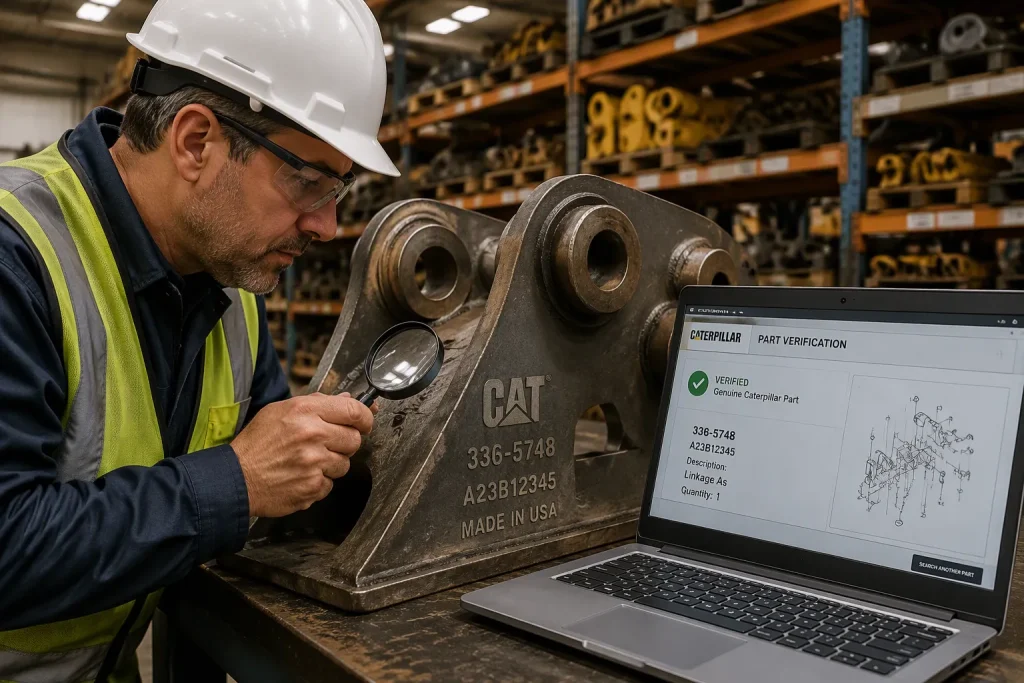
Quality certifications build more trust. A real supplier holds ISO 9001 for making heavy equipment parts. CE and RoHS marks also matter for buyers from other countries. The supplier should share business licenses, factory audit reports, and third-party quality testing papers. Material certifications for key parts and finished product inspection records complete the picture. Part numbers must match the ones in official XCMG catalogs. A “Verified Supplier” badge on a trade platform helps a bit, but direct confirmation from XCMG is the best proof.
Packaging tells a story too. Genuine parts come in XCMG-branded boxes with batch numbers, manufacturing dates, and installation guides in many languages. Blurry logos or missing paperwork signal a problem. A unique anti-counterfeit label with a scannable QR code lets buyers use XCMG’s official verification portal. This step confirms authenticity in seconds.
How to Match the Equipment Model and Part Numbers
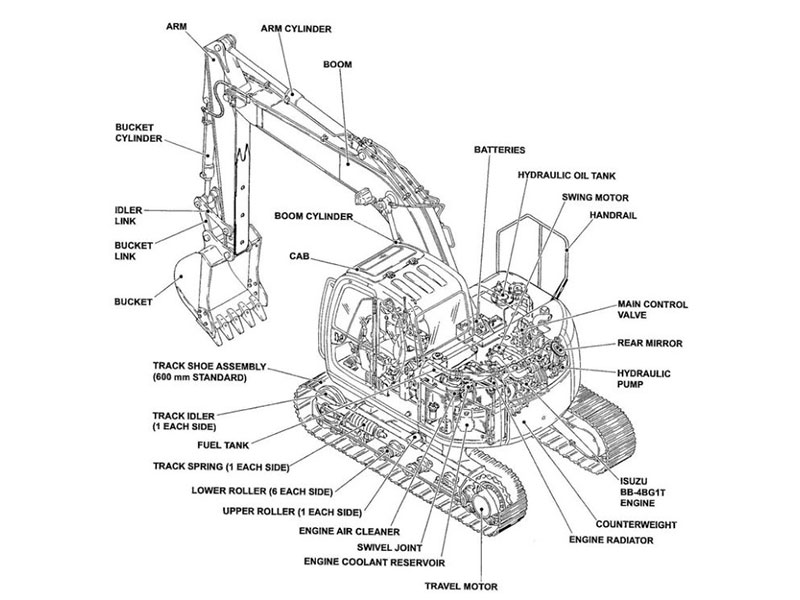
Each XCMG excavator model uses different part sizes. A part that fits one machine may break on another. Buyers must check the operator’s manual or the old part number before ordering. This practice ensures spare parts fit and prevents costly returns.
The XCMG Parts Model Code helps buyers match the model correctly. This code is 8 to 16 characters long and splits into three parts. A prefix shows the machine family, like “86” for the excavator series. A core numeric section tells the component type and size. For example, “01” means a rotary drive group, and “125” stands for displacement or flow rate. A suffix covers material or design version, like “08” for better sealing generation. Code 860112508 decodes as an excavator swing motor part. Technicians who learn this system make fewer ordering mistakes and keep maintenance running smoothly.
Buyers should also ask for tier documentation on the quote. The supplier must label each item as Genuine, OEM-Equivalent, or Aftermarket. This clarity helps with spare part selection and avoids model mix-ups. A reliable supplier gives clear details about part origin, specifications, and quality standards. Pre-shipment inspection photos for big parts offer final peace of mind. These photos confirm the part matches the order before payment. A serial number check against the official electronic parts catalog (EPC) by VIN or part number adds one more check. Photos alone cannot prove fit. The EPC is the main source for compatibility.
Watch for red flags during this process. Prices more than 30 percent below market, no original packaging, vague supply chain details, and poor welds or uneven markings all point to fake goods. Real parts meet ISO/TS tolerances. Fakes show early wear, misaligned bolt holes, or poor coatings. Ask for a test-fit warranty before agreeing to any order.
Auditing Manufacturing Capabilities and Spare Part Quality
What a Real Factory Audit Should Reveal
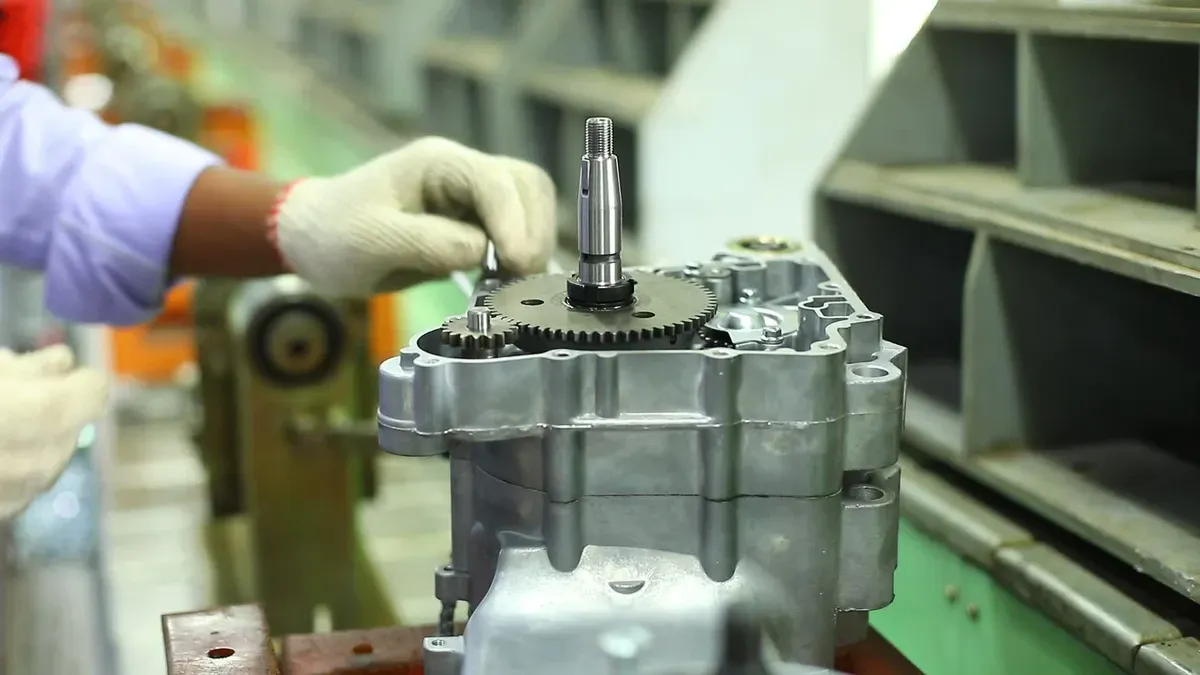
A careful factory audit tells a real XCMG excavator spare parts manufacturer apart from a plain reseller. The audit must look at every production stage, from raw material intake to final packaging. Website pictures mean nothing if the processes cannot be checked and written down.
Raw material screening comes first. The supplier tests incoming alloys against material certificates. Only materials that meet strict performance requirements move on to production. Casting or forging comes next, chosen based on component structure and stress profile. Standardized heat treatment then improves hardness and toughness.
Many machining steps keep dimensions the same across every batch. CNC centers work with high precision. In-process inspections catch deviations early. Final inspections check quality standards. A full-process quality management system covers procurement, forging, heat treatment, machining, and final inspection. High-precision equipment such as Coordinate Measuring Machines, hardness testers, metallographic microscopes, and wear testing devices supports these checks.
Key quality control procedures include:
CAD and simulation tools for design optimization before manufacturing.
CNC machining for precise dimensions and tight tolerances.
Non-Destructive Testing including ultrasonic, magnetic particle, and radiographic inspection to find hidden flaws.
Hydraulic testing on test benches to simulate operating conditions.
Fatigue testing to check durability under repeated loading.
The audit must also check batch traceability records. These include raw material sources, production parameters, heat treatment data, and inspection results. Complete traceability lets a buyer follow every step a part traveled. ISO quality management system certification confirms the plant follows international standards. Regular maintenance of an excavator requires steady part quality from verified sources.
Surface treatment processes such as phosphorization, cathodic electrodeposition, shot blasting, and painting ensure corrosion resistance. Controlled film thickness and adhesion tests guarantee quality assurance. Undercarriage assembly uses fixtures to keep parallelism within half a millimeter. Hydraulic system testing includes 24-hour pressure holding for leak-free operation. These details confirm consistent spare part quality.
The auditor should also ask for internal audit reports, calibration records for measurement equipment, and training certificates for machinists. These documents show whether the plant keeps its quality system strong all year. A real factory shows steady improvement based on engineering feedback and field usage data. This open way of working separates genuine OEM manufacturers from counterfeiters.
Assessing Production Scale and Technology
Production scale and technology directly affect whether a manufacturer delivers uniform excavator spare parts. Large factories invest in automation and precision equipment. Small workshops rely on manual processes that add variability. The scale of operations shows the manufacturer’s ability to handle large orders while keeping consistency for any excavator model.
Advanced manufacturing technologies used by top-tier suppliers provide a useful benchmark:
Supplier | Technology | How It Ensures Consistency |
|---|---|---|
Komatsu | Quality-control system, precision manufacturing | Reduces variability and failures |
Liebherr | High-end process, high-precision machining | Consistent performance of key components |
Hitachi | Hydraulic technology, remote monitoring | Stable operation through data-driven maintenance |
Caterpillar | Technology integration (engine, hydraulics, control) | Uniform equipment behavior |
Doosan | Automation and automatic control | Repeatable, consistent results |
A genuine OEM manufacturer applies similar technologies. CNC machining holds tolerances within microns. Robotic welding with NDT avoids defects. The factory keeps detailed records including material certificates, manufacturing parameters, and inspection results. These records prove part compatibility with original equipment manufacturer specifications. Excavator reliability depends on such precision.
Larger factories usually keep lower per-unit costs while investing in research and development. This investment improves part quality over time through better materials and designs. A reliable supplier offers OEM parts and aftermarket options that meet or exceed OEM standards. Excavator spare parts from reputable manufacturers undergo rigorous quality inspections to ensure consistent performance. Companies offering both genuine OEM parts and high-quality aftermarket alternatives give customers flexible choices without sacrificing reliability.
When assessing a manufacturer, check equipment age and maintenance schedules. Older machines produce less consistent results. Look for ISO 9001 certification. Fatigue testing and NDT capability signal a commitment to quality. These factors determine whether a manufacturer delivers reliable spare parts consistently.
Analyzing Pricing, MOQs, and Communication
Spotting Red Flags in Pricing and Minimum Order Quantities
Pricing tells you a lot about whether a supplier is honest. A price much lower than the market average points to cheap materials or fake goods. A price much higher than normal may mean the seller is adding hidden profits. Buyers should compare quotes with known benchmarks. For example, a real XCMG swing motor usually costs about $1,560 per unit for one to four pieces. The price drops a little to $1,550 per unit for orders of five or more. A wider range for travel and swing motors falls between US$600.00 and US$2,000.00 per piece, with a minimum order of just one piece. These numbers help buyers decide if a quote makes sense.
Quantity | Price per Unit |
|---|---|
1-4 pieces | $1,560 |
≥5 pieces | $1,550 |
Minimum order quantities show how confident a supplier is. A factory that asks for a huge MOQ may not be flexible. A fair MOQ shows the supplier trusts its quality and wants repeat business. Buyers should ask why the MOQ is set at that level. A clear answer builds trust.
The Transparency Test: Samples and Technical Support
Samples and technical support separate honest suppliers from risky ones. A real manufacturer offers samples for testing. The buyer can check dimensions, materials, and finish before placing a bulk order. A supplier who refuses samples is hiding something. Technical support matters too. Good suppliers answer questions about compatibility and installation. They provide part numbers, diagrams, and fitment guides. They also explain warranty coverage in simple terms.
After-sales support shows long-term commitment. A supplier who offers clear warranty terms and fast replies passes the transparency test. Buyers should ask about the warranty period and what it covers. They should also test response times before buying. A slow reply before a sale often means no help after a sale. Trusted suppliers welcome these questions. They know that quality and open communication win loyal customers.
Checking Market Reputation and References
Using Trade Platforms and Online Reviews Effectively
Trade platforms let buyers take a first look at a supplier’s track record. A real xcmg excavator spare parts manufacturer usually shows years of transaction history and steady ratings. Buyers should read reviews with a critical eye. Fake positive reviews share clear warning signs:
Overly positive language with no balanced details
Repetitive phrasing across multiple reviews
Generic content like “Great product!” without specifics
Reviewer profiles with new accounts or generic names
Timing spikes where many positive reviews appear at once
Unverified purchases without a “Verified Buyer” tag
Incentivized language mentioning discounts or rewards
Paid or bot-generated reviews that sound promotional
A supplier with a long history of honest feedback earns more trust than one with sudden praise. Buyers should also check how a supplier handles negative reviews. A professional response shows accountability.
The Power of Direct References from Other Buyers
Direct references carry more weight than any online rating. Buyers should ask a supplier for contacts of past customers. These references reveal how the supplier performs in real working conditions.
Ask for references from customers who operate the same excavator models. Reputation in your region often predicts delivery reliability and after-sales support.
Talking to other buyers in the construction industry uncovers details that reviews miss. A reference can confirm part compatibility, warranty handling, and after-sales support quality. Buyers should ask references about delivery times, part fit, and how the supplier resolved problems. A trusted suppliers list from industry peers often beats any platform badge.
YNF Machinery has served the global market for over 35 years with a strong reputation for quality and reliability. The company offers genuine and oem excavator spare parts options that meet or exceed oem standards. Buyers who check references before ordering excavator spare parts protect their projects from costly surprises. A supplier with verifiable references and a clean reputation deserves serious consideration.
Buyers can make a risky purchase into a safe one with a simple checklist:
Ask for XCMG authorization papers and check them directly.
Inspect factory tools, testing, and tracking records.
Compare prices with market averages.
Try out communication, samples, and warranty terms.
Check references from other construction buyers.
Finding a real manufacturer keeps workers and budgets safe. This choice is about trust and safety, not just a sale. Good parts keep an excavator running, and OEM options match or beat original standards. Use these steps on your next supplier search. Contact YNF Machinery for tested Excavator Engine Parts and reliable quality.
FAQ
How does a buyer confirm an XCMG authorization letter is real?
Reach out to XCMG directly using its official global partner directory. A scanned copy or edited image does not prove anything by itself. The supplier’s name must show up on XCMG’s own authorized list. This one check clears up most doubt before any money is paid.
What paperwork should come with a genuine spare part order?
Look for XCMG-branded packaging, batch numbers, manufacturing dates, and installation guides in many languages. Ask for material certificates, inspection records, and a tier label on the quote. Each item should say Genuine, OEM-Equivalent, or Aftermarket. Missing paperwork is a sign of risk.
Why does the part number matter more than the machine name?
Each excavator model uses different part sizes, so a part that fits one machine may fail on another. Buyers should check the operator’s manual or the old part number first. The XCMG Parts Model Code then confirms the right component family and size.
What price range suggests a quote is trustworthy?
A real XCMG swing motor usually costs about $1,560 per unit for one to four pieces, and a little less for larger orders. Travel and swing motors generally fall between US$600 and US$2,000 per piece. Quotes far outside that range need a closer look.
How can a buyer test a supplier before a bulk order?
Ask for a sample and check its dimensions, materials, and finish. Ask technical questions about compatibility and installation. Test response times before buying, since slow replies before a sale often mean no help after one. Clear warranty terms complete the test.