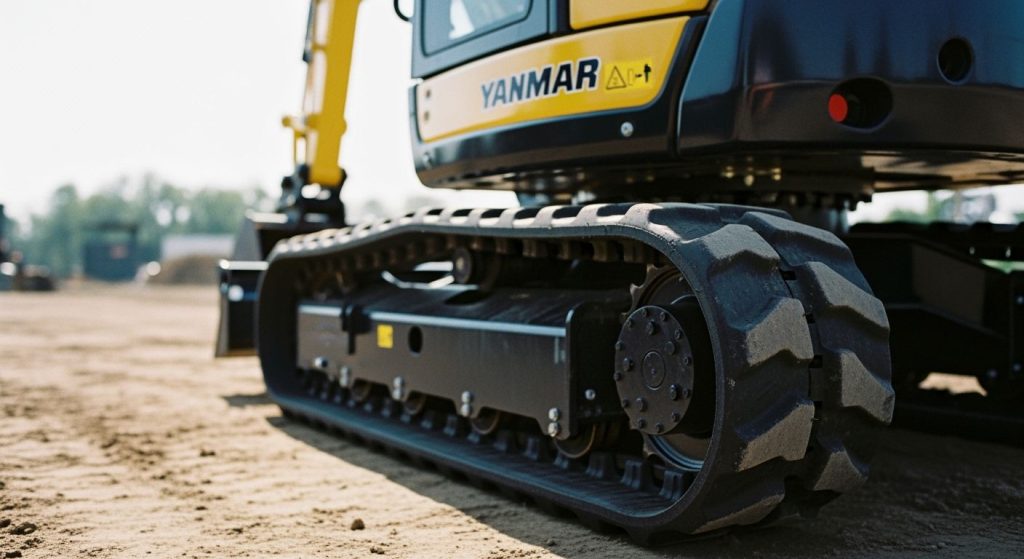
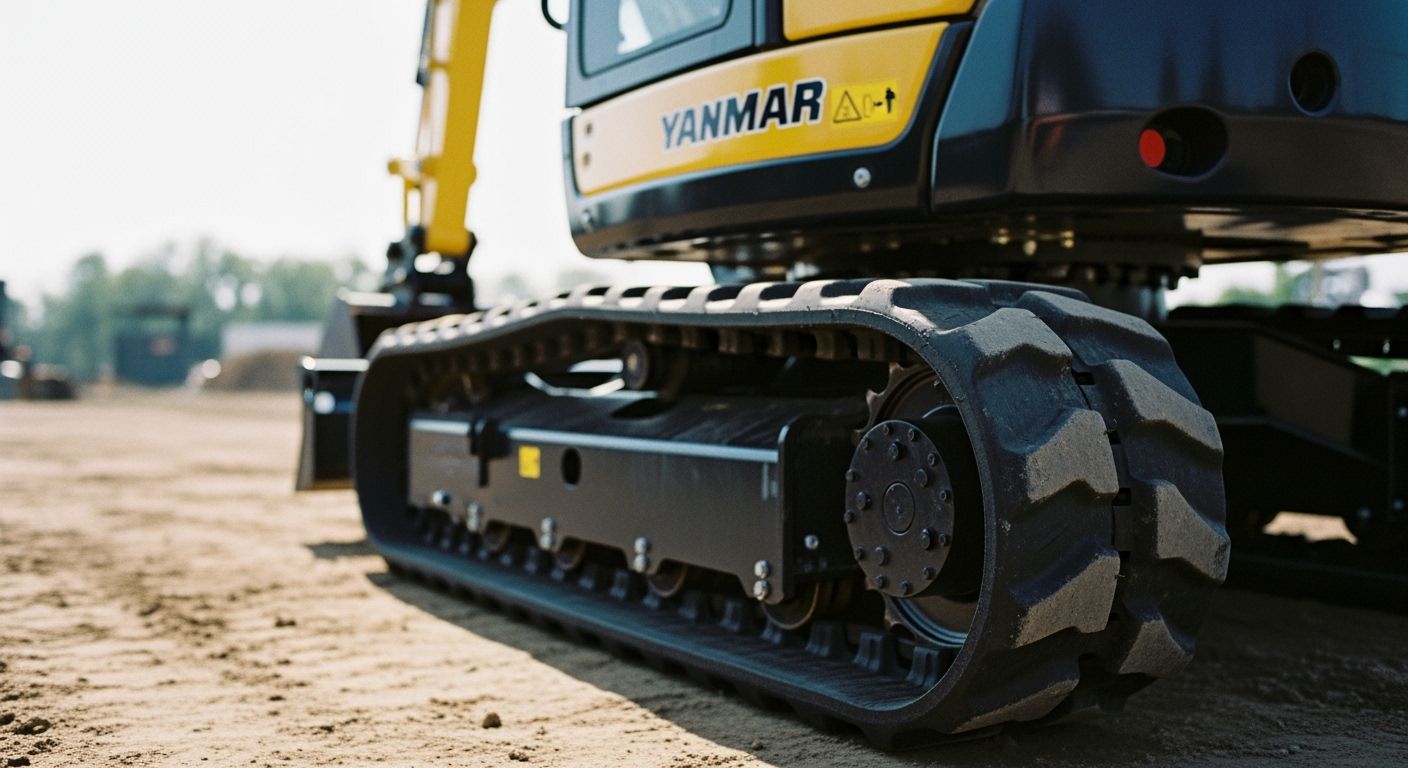
Choosing replacement rubber tracks for your Yanmar excavator needs careful thought. The right track size stops expensive slipping, reduces machine shaking, and improves overall work site efficiency. Picking the proper tracks relies on three main details: exact measurements (width, pitch, and links), suitable tread patterns, and strong inner steel cords. Matching these specifications protects your equipment drive system from extra wear. YNF Machinery offers over 35 years of industry experience to equipment owners. We supply high-quality undercarriage parts worldwide, helping contractors easily find yanmar excavator parts sydney and around the world. You can rely on our parts to keep your heavy machinery running smoothly.
Key Takeaways
Exact measurements of track width, pitch, and links ensure a correct fit and stop machine damage.
Stamped part numbers on the inside track surface help machine owners find the right replacement sizes quickly.
Choosing the right tread patterns for your ground conditions improves grip and cuts down on machine shaking.
Strong, unbroken steel cords and shaped steel links give excellent toughness to stop sudden track snaps.
Replacing rubber tracks in matching pairs stops uneven wear on the drive motors and undercarriage parts.
Key Factors in Sizing Replacement Rubber Tracks
You must measure your current undercarriage parts carefully before buying replacement rubber tracks. Accurate sizing ensures proper fit, smooth travel, and long machine life.
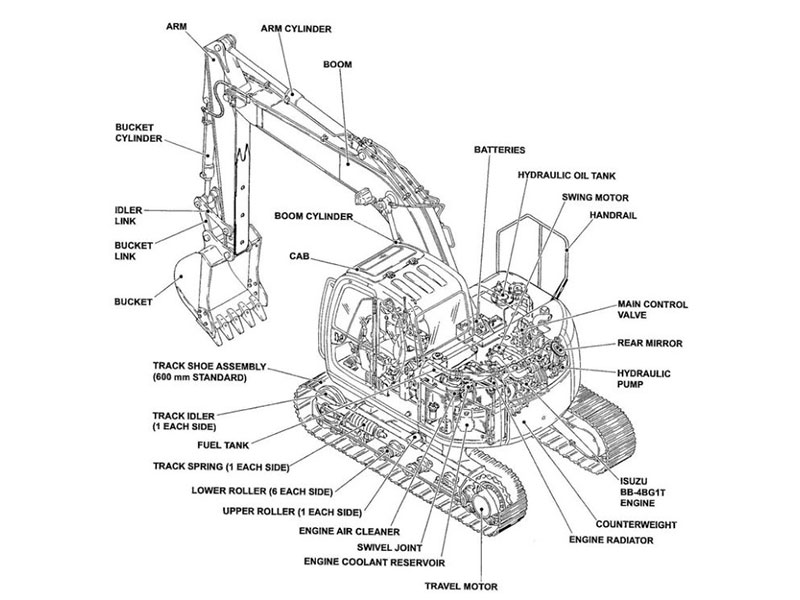
Measuring Track Width Pitch and Total Link Count
You can figure out track sizes by taking three main physical measurements. Use a flexible tape measure and write down these exact numbers across your equipment:
Width: Measured in millimetres (mm) across the outside edge of the track.
Pitch: Measured in millimetres (mm) as the distance from one link point to the next.
Links: The total count of drive links around the whole track loop.
Always double-check all measurements for accuracy. You should also refer to specific manufacturer guidelines for recommendations or tolerances.
Matching exact sizes is very important for keep your machine working safely every day. Picking the wrong track size quickly puts heavy strain on the drive system. For instance, wrong pitch measurements make drive sprockets align poorly with internal drive lugs. Track links will stick or climb onto sprocket teeth while moving. The wrong track length also changes how tight the system stays. Tracks that are too tight damage idler bearings, whilst loose tracks slip off rollers easily. The table below details the common operational risks associated with wrong sizing:
Incorrect Specification | Immediate Installation Problem | Common Consequence on Yanmar Excavators |
|---|---|---|
Pitch too small | Sprocket teeth misalign with bushings | Sprocket tooth damage and violent de-tracking |
Pitch too large | Track sits high on sprocket tooth faces | Rapid sprocket wear, bushing fatigue failure, and de-tracking |
Too few links | Track over-tensioned immediately | Premature failure of idler bearings, rollers, sprocket, and potential cord failure |
Too many links | Cannot reach correct tension | Repeated de-tracking and impact damage to rollers and sprocket |
Width too narrow | Reduced flotation; track fouls frame on turns | Frame damage and track edge damage |
Width too wide | Incorrect roller contact geometry | Uneven tread wear and frame damage |
Identifying Stamped Part Numbers on Yanmar Excavators
You can often find the precise sizing information stamped directly into the rubber. Manufacturers imprint part numbers into the inner rubber carcass during production. Look along the inner surface where the bottom rollers run. Clear away dirt, grease, and debris using a stiff wire brush to reveal these numbers clearly.
The stamped code usually displays the track width, pitch length, and total link count in numerical sequence. For example, a stamp might read 300×52.5×84. This code indicates a track width of 300 millimetres, a pitch of 52.5 millimetres, and a total of 84 metal drive links. Reading this stamped format simplifies choosing the right tracks for your machinery.
However, worn tracks sometimes lose these stamped markings over time. Severe rubber abrasion hides or removes the raised numbers entirely during rough site work. You must take physical measurements manually if the serial code becomes unreadable. Count every drive link individually around the entire loop. Comparing your manual physical measurements against standard industry format confirms complete specification accuracy. Matching these exact dimensions prevents track slipping, avoids premature sprocket wear, and protects your excavator during heavy site operations.
Choosing Replacement Rubber Tracks for Specific Terrains
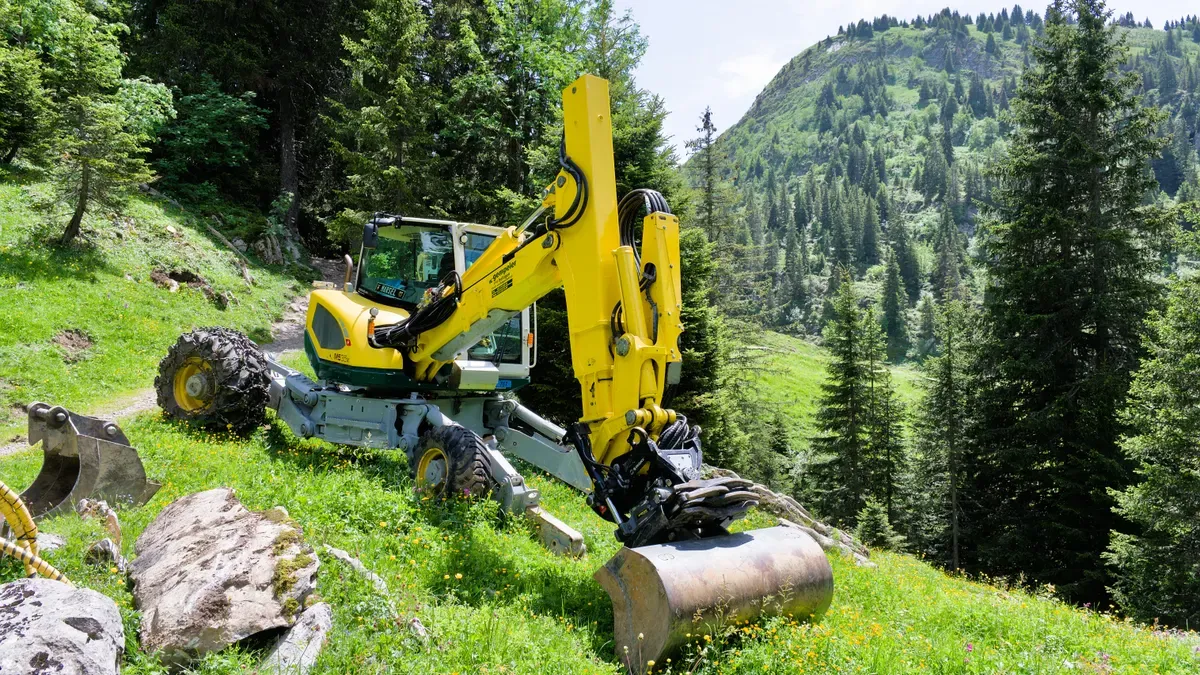
Your daily working environment directly dictates the optimal tread design for heavy machinery. Selecting replacement rubber tracks with the correct pattern maximises overall job site productivity. Operating on soft mud, deep clay, hard asphalt, or sensitive grass requires distinct tread features. Matching your tread geometry to primary ground conditions reduces structural wear on key equipment components, power drives, and frame assemblies.
Traction-Focused Tread Patterns for Soft Ground and Mud
Soft soil and deep mud demand aggressive tread profiles to maintain steady forward motion across harsh ground. You need strong traction to prevent dangerous slipping on loose or wet surfaces during demanding excavation projects on active construction sites.
Block Pattern: Features tall lugs measuring 30-45mm in height. These tall lugs penetrate deep wet clay easily to secure firm grip. Wide open voids allow packed mud to eject naturally as the rubber flexes during travel.
Straight Bar Pattern: Provides aggressive forward traction on soft ground. Wide spacing between parallel bars allows rapid material ejection to maintain continuous surface grip under heavy loads.
Zigzag Pattern: Maximises total sidewall length for an extremely strong bite on loose terrain. This directional layout offers superior self-cleaning ability in deep mud, standing water, and heavy snow.
C-Lug Pattern: Incorporates extra voids alongside enhanced sidewall gripping edges. It provides highly reliable traction on soft ground while maintaining adequate friction on paved surfaces.
Muddy environments create unique undercarriage maintenance challenges for your excavator. Wet clay often packs tightly between lower track rollers and drive lugs during heavy site work. This material accumulation increases effective tension across the whole undercarriage assembly. You must re-check track tension regularly after completing wet-weather operations. Maintaining proper operational tension prevents unnecessary strain on drive sprockets, bottom rollers, front idlers, and internal continuous steel cables.
Anti-Vibration Block Designs for Hard Surfaces and Turf
Hard urban surfaces like concrete and asphalt require alternative engineering solutions. Aggressive deep lugs generate intense shaking when travelling over flat ground. Excessive vibration causes severe operator fatigue and accelerates wear across sensitive undercarriage linkages. You need smoother, flatter tread profiles when operating on hard pavement, concrete slabs, or delicate manicured lawns.
Tread Pattern | Primary Surface Suitability | Key Performance Advantage |
|---|---|---|
Multi-Bar | Concrete, asphalt, hard dirt | Delivers smooth travel and minimises machine vibration |
Terrapin | Uneven hard surfaces, wet rock | Prevents rock damage while offering wet ground grip |
Lightning Bolt | Asphalt, dirt, soft mud | Delivers low ground disturbance with bi-directional flotation |
Standard block designs feature a broad surface contact area across the tread face. This flat profile distributes heavy machine weight evenly across hard pavement surfaces. Reduced vibration levels protect sensitive internal components from impact damage over long working hours. Choosing the right tracks ensures your machinery operates quietly, safely, and efficiently on paved city streets and urban jobsites.
Multi-bar and lightning bolt patterns also protect delicate turf grass from unsightly tracks. Turf preservation requires minimal ground disturbance during tight pivot turns on residential lawns. The bi-directional lightning bolt design allows smooth machine movement without tearing delicate topsoil. Multi-bar designs transition seamlessly between hard paved roads and loose soil patches without losing stability. Selecting these flatter tread profiles reduces ride harshness, protects ground surfaces, and extends overall track service life significantly.
Evaluating Construction and Material Quality
Internal structural design dictates how effectively your machinery endures tough job sites. You ought to assess inner building layers prior to purchasing durable rubber tracks.
Benefits of Continuous Steel Cords and Forged Links
Jointless steel cable systems wrap one uninterrupted metal wire tightly inside the track core. Cheaper old-style builds utilise joined or overlapping cable ends. Overlapping joins form fragile areas along the inner strap. Heavy pulling forces snap these connected spots easily under sudden pressure. Unbroken coiled wires spread tension uniformly across the complete carcass loop. This jointless build stops unexpected snaps whilst keeping your track neatly aligned.
Inner metal drive parts additionally shield your machinery during severe strain. Top-tier tracks use heat-treated forged steel links rather than fragile cast iron. Forged steel connectors withstand flexing and twisting during sharp pivots on rough ground. Producers wrap these iron cores within protective fabric sheets to hold steel cords straight. Additionally, modern short-pitch models grip each drive sprocket tooth. This steady tooth contact lowers movement shaking, decreases sprocket wear, and lengthens total undercarriage lifespan for your excavator.
Premium Rubber Blends with Anti-Vibration Layers
Outer rubber quality guards inner steel cables from pointed dangers. You ought to select tracks made using pure natural raw rubber mixtures rather than reprocessed rubber blends. Reused rubber includes rigid specks that cause inner splits over time. Pure rubber offers better bendability and stops deep surface cracking during freezing winter weather. A thick rubber body featuring deep lug bases measuring 25-30mm+ dampens heavy ground shocks whilst shielding inner steel bands from sharp stone punctures.
Chemical resistance preserves structural layers on tough work sites. Demolition areas expose machinery to hydraulic oil, diesel fuel, and engine lubricants. High-grade tracks use Nitrile Butadiene Rubber compounds to halt chemical degradation. Nitrile Butadiene Rubber stops the body from expanding or softening when touching liquid fuels. This compound reaches a toughness rating between Shore A 65 to 80 to prevent sharp concrete slices. Picking tough replacement rubber tracks guarantees long working life, easy travel comfort, and top site dependability.
Sourcing Yanmar Excavator Parts Sydney and Globally
You need dependable components to keep your machinery running smoothly every day. Getting top-grade undercarriage parts helps your excavator work efficiently on any job site. YNF Machinery serves equipment owners across Sydney, Australia, and worldwide with 35 years of industry experience. We supply precise components that meet tough manufacturing standards.
Comparing OEM Standards with YNF Machinery Solutions
You can save on maintenance costs while maintaining high working performance. YNF Machinery thoroughly tests all rubber tracks and undercarriage parts. Our detailed quality control inspections guarantee strong durability and machine safety at reasonable prices. You can quickly buy yanmar excavator parts sydney to keep your job on track.
The table below compares original factory parts against YNF Machinery global supply options:
Advantage Category | Factory Parts (Baseline) | YNF Machinery Global Sourcing Advantage |
|---|---|---|
Cost | High purchase costs strain repair budgets | Lowers upfront costs significantly |
Availability | Factory backorders cause severe project delays | Fast global shipping reduces machine downtime |
Quality | High factory precision at financial premium | High-quality parts match OEM performance |
Our production and trading skill lets us deliver parts that meet exact specifications. You reduce equipment expenses whilst obtaining reliable parts for your heavy machinery. You can source genuine quality yanmar excavator parts sydney through our swift supply network.
Cost Savings and Longevity of Matched Pair Replacement
You must always replace rubber tracks in balanced pairs. Swapping just one track causes uneven weight distribution across the excavator chassis. A fresh track pulls with greater force than the old track. This mismatch speeds up wear on bottom rollers, front idlers, and drive motors.
Fitting a matched pair keeps track tension equal on both sides. Equal tension extends drive motor life and stops expensive hydraulic failures. Machinery owners choosing yanmar excavator parts sydney can save up to half the cost of OEM parts. Buying matched pairs guards your long-term machinery investment. You keep the machine stable on rough ground while cutting hourly operating costs. You can easily order yanmar excavator parts sydney to shield your excavator now.
Selecting suitable replacement rubber tracks involves three key steps. You must record precise physical measurements, choose correct tread designs for your ground conditions, and select tracks featuring unbroken steel cables. These actions safeguard your excavator against unexpected failures and unnecessary damage.
YNF Machinery provides more than 35 years of international experience to reduce your running expenses. Our dependable parts guarantee fast shipping whether you require yanmar excavator parts sydney or international delivery. You preserve excellent site efficiency by using our long-lasting undercarriage components. Speak with the YNF Machinery technical sales advisers now or check our website to receive specialist guidance regarding your upcoming track change.
FAQ
How do you measure replacement rubber tracks accurately?
Track width is measured in millimetres across its outer edge. Next, calculate pitch length from one pin centre to the next between drive lugs. Lastly, count every drive link around the complete track loop. Check these three numbers against the stamped code on the inner surface.
Why should you choose continuous steel cords over jointed cables?
Continuous steel cords wrap a single unbroken wire inside the track core. Jointed cables have overlapping ends that form fragile weak spots. Unbroken wires spread heavy pulling forces evenly around the entire loop. This continuous design stops sudden snaps under pressure during hard digging jobs.
Should you replace both excavator rubber tracks at the same time?
Yes, you ought to replace your rubber tracks in matched pairs. Fitting one new track creates uneven weight balance across the chassis. Mismatched tracks place extra stress on drive motors, front idlers, and rollers, speeding up wear on vital undercarriage components.
How do you know when your Yanmar excavator tracks need replacing?
Check tracks for deep splits in the rubber, exposed steel cords, or missing drive lugs. Frequent track slipping and falling off also show severe wear. Worn tread patterns lower overall traction, showing you need new replacement rubber tracks straight away.