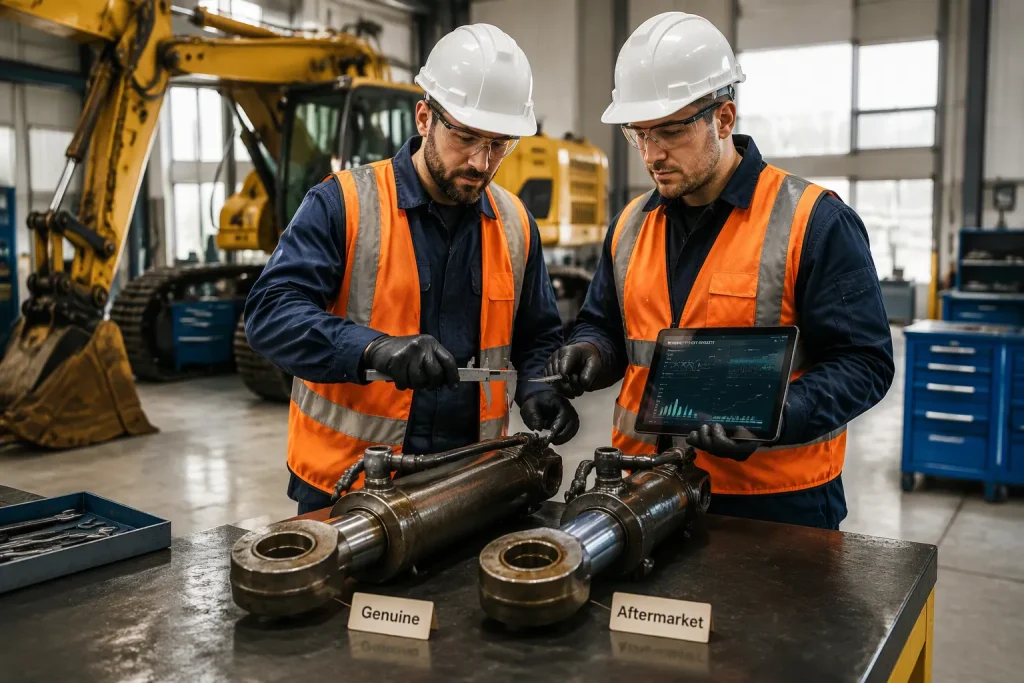
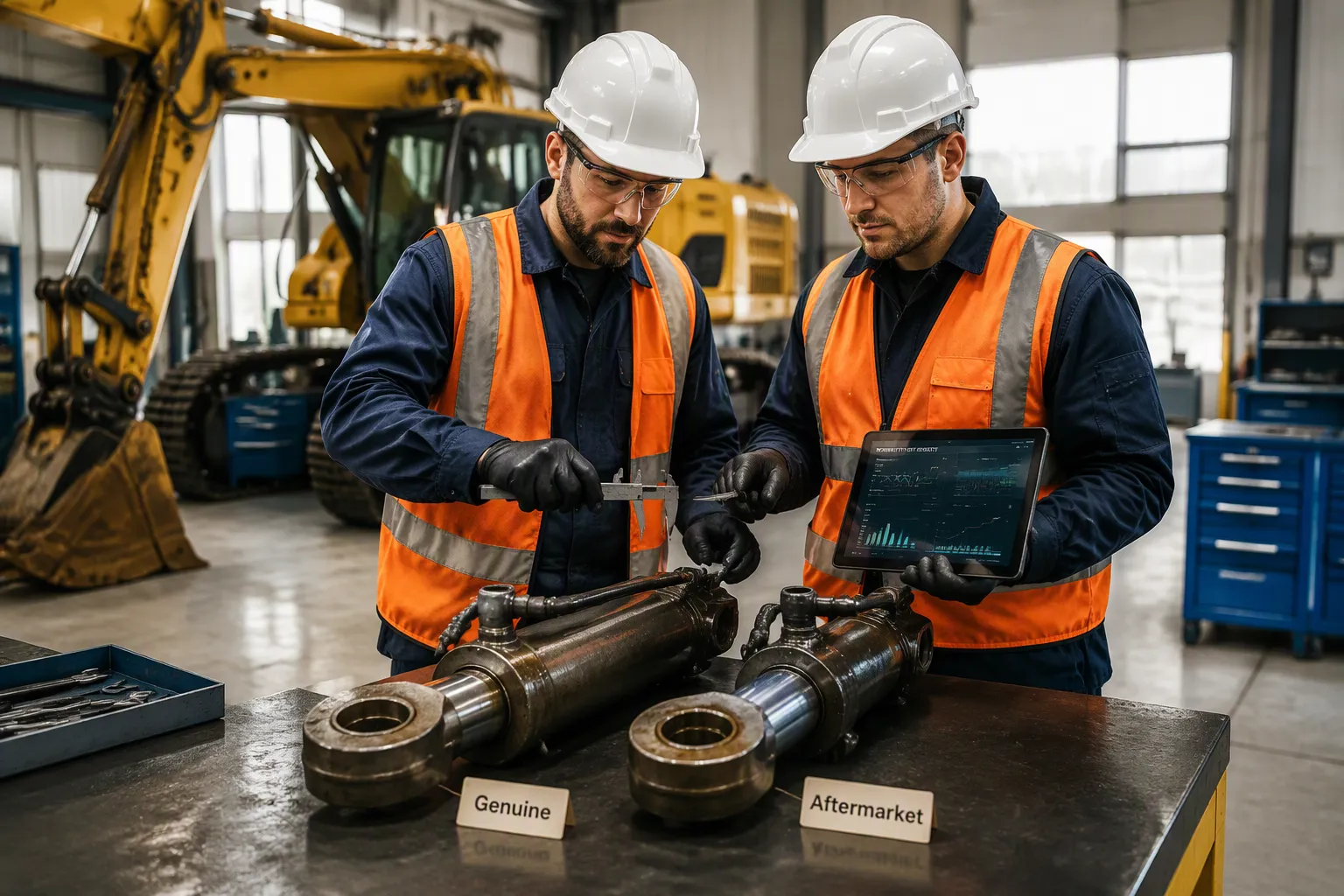
Genuine XCMG parts usually last longer than aftermarket parts. Genuine parts come straight from XCMG as original equipment maker components. Aftermarket parts are third-party options. This article gives an evidence-based comparison of lifespan, material quality, and excavator parts cost. The analysis helps readers decide when to pay more for OEM and when a good aftermarket option works well. For an excavator, performance depends on part quality and fit. Critical systems need OEM reliability. Non-critical xcmg excavator spare parts often accept aftermarket substitutes safely. Reputable suppliers offer durable alternatives at lower prices.
Key Takeaways
Real XCMG parts last around 2,500 hours. Aftermarket parts last between 750 and 2,000 hours, based on their quality.
Pick genuine OEM parts for important systems like engines and hydraulics. They give you dependable performance.
Pick good aftermarket parts for less important things like seals, belts, and dust boots. They cost less.
The full cost covers downtime and labor, not just the price you pay. Wise buyers pick part quality that fits the work.
Difference Between OEM and Aftermarket XCMG Parts
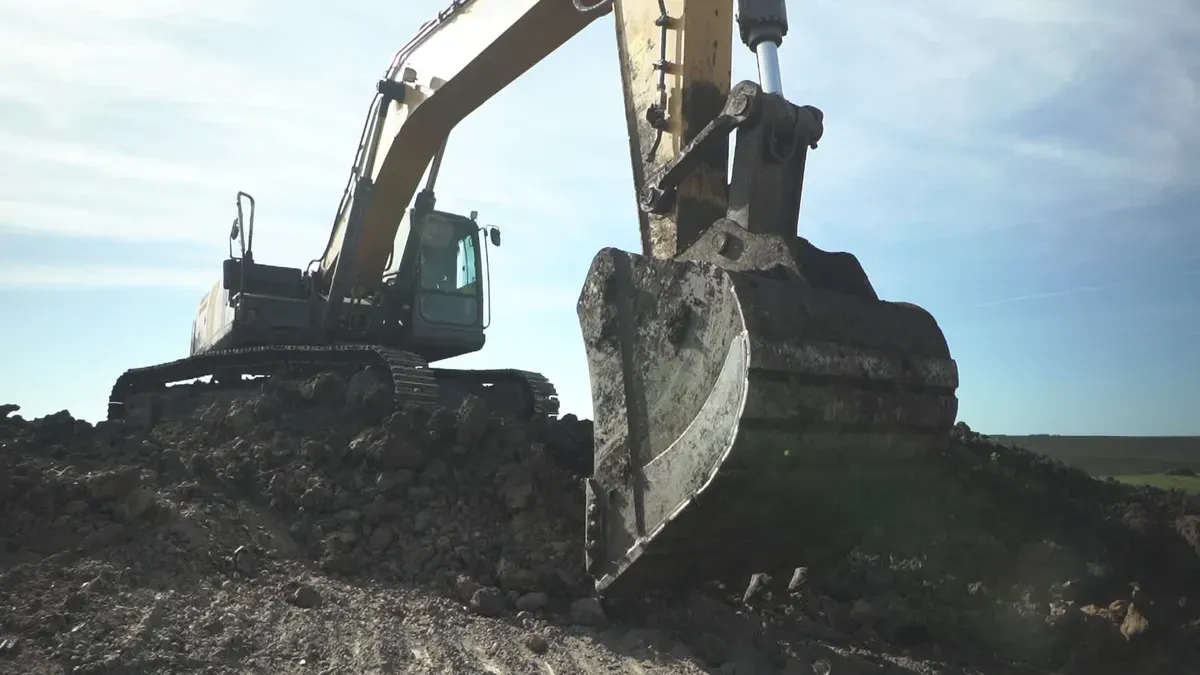
The difference between OEM and aftermarket depends on who makes the part and how strictly they control quality. OEM (original equipment manufacturer) parts come from XCMG or its approved factories. Aftermarket alternatives come from independent companies. Each option has its own pros and cons in fit, durability, and excavator parts cost.
What Are Genuine OEM Excavator Parts?
XCMG makes OEM excavator parts to exact engineering specifications. Every part must pass strict tolerances and quality control before it leaves the factory. Take the XCMG 310600286 link pin for the XE215C excavator. This OEM part uses heat-treated Alloy Steel 4140 with a 60 mm diameter held to plus or minus 0.1 mm. It reaches 35-40 HRC hardness, 850 MPa minimum tensile strength, and 650 MPa minimum yield strength. The surface is ground, polished, and black oxide coated.
OEM excavator parts also go through OEM-level testing before they are sold. These checks include hardness testing, fatigue testing, and impact resistance testing. Such tests ensure stable performance under heavy-duty working conditions. Buyers who choose OEM parts get predictable fit and documented reliability.
What Are Aftermarket Alternatives?
Aftermarket parts are third-party replacements. Quality varies a lot across this category. Some low-cost generic options cut corners on material and machining. Others, like the GQP brand, follow a GQP OEM Exact Match standard. That standard says qualifying products are designed to match OEM quality and may exceed applicable OEM performance standards in many applications.
High-quality aftermarket excavator parts give owners a practical path when budgets are tight. These new factory replacement excavator parts can serve non-critical positions well. However, the market also has counterfeit or substandard parts that fail early. Buyers must verify the supplier and ask for test documentation. A trusted aftermarket source removes much of that risk. The choice between OEM and aftermarket ultimately depends on the application and the required service life.
OEM vs. Aftermarket Lifespan Comparison
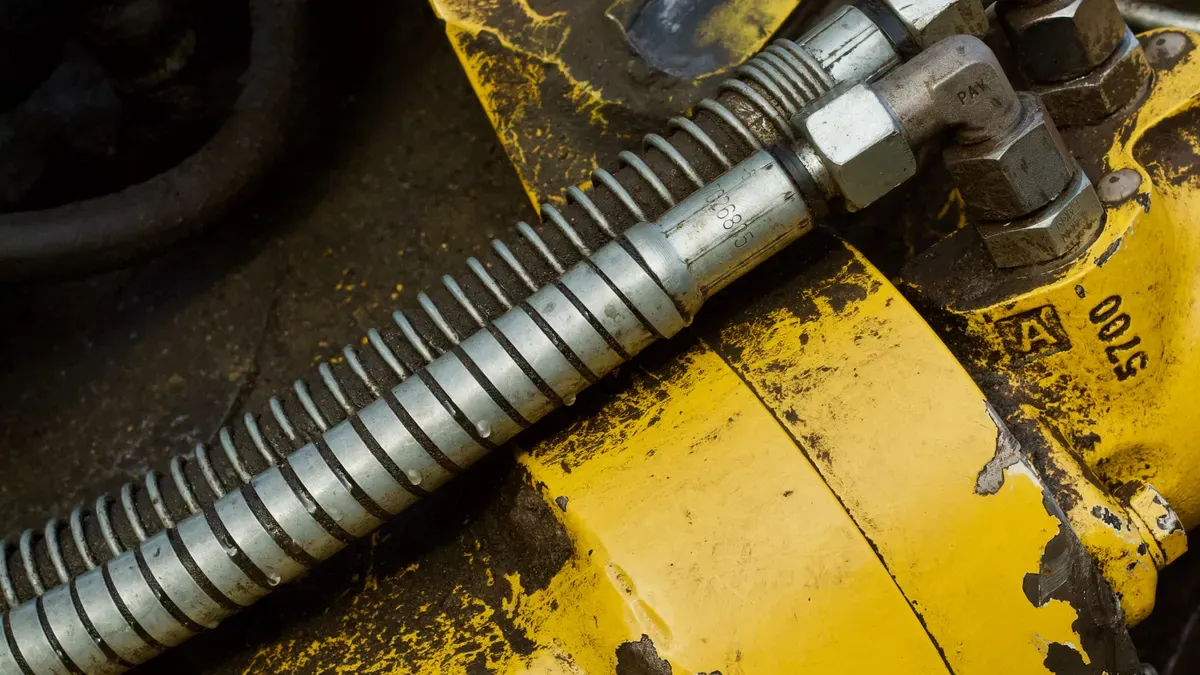
Lifespan is the clearest way to measure value for any replacement part. A direct comparison of OEM vs. aftermarket excavator parts shows a steady pattern. Genuine parts last longer on average. The gap depends on the quality tier of the aftermarket option.
Typical Lifespan of OEM Components
Genuine OEM excavator parts often provide extended service life before replacement. This longevity comes from strict material selection and tight manufacturing tolerances. The XCMG 310600286 link pin example shows this discipline. Alloy Steel 4140 with 35-40 HRC hardness resists wear far better than softer generic steel. OEM parts also undergo hardness, fatigue, and impact testing before sale. These tests catch weak batches early. Buyers get a predictable service window. That predictability matters most for machines running daily production schedules.
Factors Affecting Aftermarket Part Longevity
Aftermarket parts cover a wide quality range. High-quality aftermarket excavator parts usually offer substantial service life. Low-quality generic parts may fail prematurely. Three factors drive this spread.
Material quality ranks first. A part made from lower-grade steel or rubber wears faster under heat, pressure, and friction. Manufacturing precision ranks second. Loose tolerances cause poor fit, uneven loading, and early failure. Warranty coverage ranks third. A strong warranty signals that the supplier trusts its own product. A weak or missing warranty often signals the opposite.
The comparison between OEM and aftermarket parts also involves excavator parts cost. OEM parts carry a premium price. High-quality aftermarket parts cost less while delivering most of the lifespan. Low-quality parts cost least but fail soonest. That false economy raises total cost through downtime and repeat labor.
Reputable aftermarket excavator engine parts undergo rigorous inspections before shipment. These checks verify material grade, dimensions, and surface finish. The result is a balance of durability and value for non-critical applications. For engine overhaul kits, gaskets, injectors, and water pumps, this balance makes practical sense. The performance and reliability comparison favors OEM for critical systems. For secondary positions, a vetted aftermarket source closes most of the gap.
Buyers should also weigh performance and reliability data from their own fleet. Track hours at failure for each part type. This record reveals which positions tolerate aftermarket parts and which demand OEM. A simple log of install date, failure date, and operating hours gives real evidence. That evidence beats marketing claims from any side.
The difference between OEM and aftermarket ultimately shows up in hours, not labels. OEM parts win on lifespan. High-quality aftermarket parts win on cost per hour for many non-critical roles. Low-quality parts lose on both measures. Smart buyers match the part tier to the job. Critical systems justify the OEM premium. Secondary systems reward a careful aftermarket choice. This approach controls excavator parts cost without sacrificing uptime.
When Are XCMG Excavator Spare Parts Acceptable?
Not every part has to come from the factory. For xcmg excavator spare parts, the choice between oem vs. aftermarket depends on how much stress the part takes and how much safety risk is involved.
Non-Critical Components and Older Models
Non-critical parts deal with less stress and pose very little safety risk. Seals, rubber mounts, belts, dust boots, and floor mats are in this group. These parts wear out over time, but they seldom cause serious breakdowns. For these spots, good aftermarket options give acceptable performance and reliability for a much lower price. Many owners buy aftermarket excavator parts from certified suppliers to cut costs.
Older machines give another reason to use aftermarket parts. XCMG may stop making spare parts for models past a certain production run. Owners then must choose: find used oem parts with unknown wear, or buy new aftermarket parts with a known service life. A certified aftermarket replacement often gives better reliability than a used OEM component.
Quality Tier | Description | Recommended Use |
|---|---|---|
Genuine XCMG OEM | Made to exact specification, original packaging, highest reliability | Safety-critical and high-stress components |
OEM-Grade Replacement | Same or equivalent supplier, identical dimensions and performance | Routine electrical, fasteners, seals, wear parts |
Certified Aftermarket | Validated third-party parts for high-frequency consumables | Non-critical items, cost-effective |
This classification helps operators decide. Safety-critical systems get genuine oem excavator parts. Routine replacements can take oem-grade or certified aftermarket excavator parts.
Cost-Benefit Considerations
Excavator parts cost drives many decisions, but the purchase price alone does not tell the whole story. Total cost of ownership includes downtime, labor, and lost production. Buyers often compare oem excavator parts against aftermarket excavator parts. Genuine oem excavator parts have the highest price but also the longest warranty. A cheap part that fails early can cost more in the long run than a high-quality aftermarket part that lasts much longer.
The performance and reliability comparison between oem and aftermarket must include warranty coverage. Genuine oem parts come with a manufacturer warranty for defects. Quality aftermarket suppliers offer similar warranty coverage for non-critical parts. The decision weighs cost, performance, warranty, and roi together.
A simple roi calculation helps buyers decide. Estimate the expected lifespan of each choice. Divide the part price by the expected hours. Multiply by labor cost per hour for each replacement. For a seal on a ten-year-old XCMG XE215C, a certified aftermarket part gives a better roi.
The difference between oem and aftermarket gets smaller as machines get older. An owner running older models can standardize on quality aftermarket alternatives for non-critical positions. This strategy controls excavator parts cost while keeping acceptable performance and reliability.
Genuine XCMG parts usually last longer. Better materials and tighter tolerances explain why. But for non-critical roles, high-quality aftermarket parts still compare well. Trusted suppliers give acceptable performance at a lower price. For critical systems, spending more on OEM parts makes sense. For seals, mounts, and belts, quality aftermarket parts work fine. Buyers should think about each part’s role and budget. An roi calculation helps guide this choice. This approach controls excavator parts cost without risking uptime. Trusted suppliers offer reliable aftermarket excavator engine parts with competitive pricing and support. The oem and aftermarket decision comes down to the job each part does. Choose longevity for core systems. Use aftermarket savings where it is safe. Choosing a trusted source for aftermarket excavator spare parts is recommended.
FAQ
How long do genuine XCMG parts typically last?
Genuine XCMG parts often provide extended service life before they need to be replaced. This longevity comes from strict material selection and tight tolerances. Field data on hydraulic pumps, final drives, and engine internals supports this longevity. Buyers get predictable performance and reliable service windows for critical systems.
Do aftermarket XCMG parts last as long as OEM parts?
High-quality aftermarket parts usually offer substantial service life. Low-quality generic parts may fail prematurely. Material grade, manufacturing precision, and warranty coverage cause this spread. A trusted aftermarket supplier closes most of the gap for non-critical applications. The performance difference matters most in high-stress positions.
When should a buyer choose aftermarket over genuine XCMG parts?
Non-critical parts like seals, mounts, belts, and dust boots can safely use aftermarket substitutes. Older machines with discontinued OEM parts also benefit from quality aftermarket options. Critical systems like engines, hydraulics, and undercarriage need genuine OEM reliability. Buyers should match the part tier to the job and budget.
How does warranty coverage affect the OEM vs. aftermarket decision?
Genuine OEM parts come with a manufacturer warranty for defects. Quality aftermarket suppliers offer similar coverage for non-critical parts. A strong warranty shows the supplier trusts its product. A weak or missing warranty often shows the opposite. Buyers should weigh warranty terms alongside price and expected lifespan.
What factors determine the total cost of an excavator part?
Purchase price alone does not tell the whole story. Total cost includes downtime, labor, and lost production. A cheap part that fails early can cost more in total than a high-quality aftermarket part that lasts much longer. Buyers should calculate cost per hour and consider performance and reliability data from their own fleet.
Reputable suppliers supply reliable aftermarket excavator engine parts with competitive pricing and support. These products go through rigorous inspections before shipment. For non-critical roles, these suppliers offer a practical balance of durability and value.