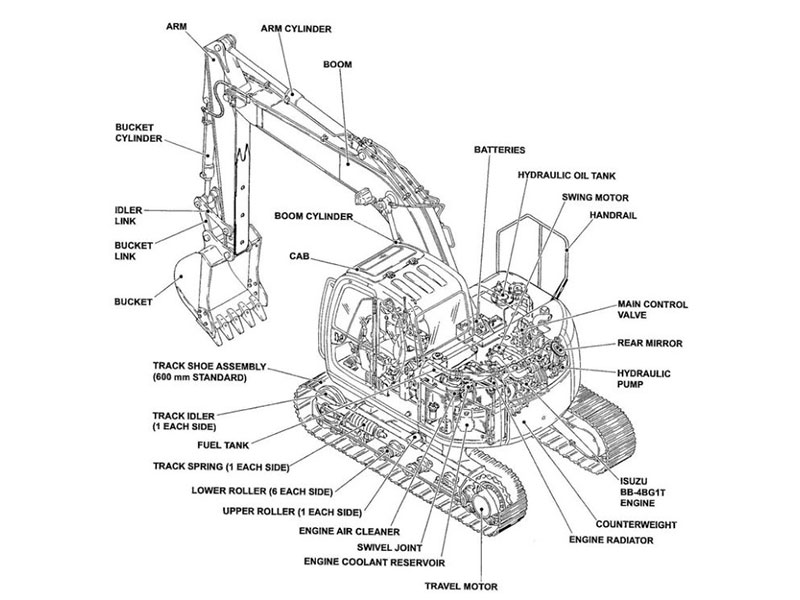
You depend on your Hitachi machine to do heavy work every single day. Taking good care of key zx240-3 excavator spare parts keeps your machine running safely on busy job sites. Focus your daily maintenance work on five main areas:
Hydraulic components
Undercarriage parts
Engine filtration
Bucket wear items
Electrical sensors
Unplanned job site downtime costs you precious project time and money. Regular care protects major assemblies like your main hydraulic pump and cylinders from severe internal damage. You also lower your total operating costs by replacing worn parts early. Skilled fleet mechanics and operators check these important areas daily to prevent costly machine breakdowns.
Key Takeaways
Check hydraulic filters and seals every day to stop costly pump damage and reduce fixing expenses.
Check and adjust track tension often to slow down wear on undercarriage sprockets, links, and idlers.
Empty the fuel water separator each morning to keep fuel injectors safe from rust and harm.
Often clean the primary air filters and radiator fins to prevent your engine from getting too hot and losing power.
Swap out old bucket teeth quickly to keep your digging power strong and guard the main bucket body from damage.
Look at wire harnesses and sensors every month to avoid unexpected power problems at work locations.
Hydraulic System Care & ZX240-3 Excavator Spare Parts
Clean hydraulic fluid keeps your machine running with strong power. Dirt inside the system quickly damages pumps, valves, and cylinders. You need to care for key zx240-3 excavator spare parts to protect your equipment on tough job sites.
Hydraulic Filter & Seal Maintenance
Return and Pilot Filter Intervals
Change your return and pilot filters at regular service times. New filters catch tiny dirt particles before pollution harms inner parts. Dirty oil leads to severe pressure drops across your whole hydraulic system.
Suction Strainer Cleaning
Clean the suction strainer inside the tank every time you change the oil. Trash stops fluid from flowing into the pump inlet. This blockage starves the main pump and causes harmful air bubbles inside the case.
The total lifetime running costs of heavy machinery can be two to three times more than its original price. Repairs are the second biggest expense after buying the machine, but good hydraulic care cuts this cost greatly.
YNF Machinery Hydraulic Cylinder Seal Kits
Boom, Arm, and Bucket Cylinder Inspections
Examine hydraulic cylinder seals on the boom, arm, and bucket every day. Broken seals cause oil leaks and lower operating pressure.
The Hitachi ZX240-3 excavator moves slowly and weakly, while also showing weak bucket power.
Check these cylinder joints often to fix working problems before they get worse.
Preventing Leaks with NBR and PTFE Seals
Stop pressure loss by selecting high-quality seal kits. YNF Machinery provides strong Hydraulic Cylinder Seal Kits made from NBR, FKM, and PTFE materials. These tough parts handle extreme system pressure and heavy shaking during daily work.
Component / Potential Cause | Description or Failure Impact |
|---|---|
Center Oil Seal | Center oil seal failure causes tracking power loss |
Distribution Valve | Oil seal failure in oil distribution causes slow response |
Main Control Valve | Check valve failure stops smooth hydraulic flow |
Main Pump and Valve Protection
Checking Seals and O-Rings
Check all outer seals and O-rings near the main control valve block. Damaged O-rings let fluid leak out under high working pressure. Swapping cheap seals early protects expensive main pump parts from breaking down completely.
Bleeding Air from Hydraulics
Remove trapped air from hydraulic lines after you swap out parts or filters. Air bubbles make the machine move jerkily and destroy hydraulic pumps through internal wear. Use correct air bleeding steps to keep your fluid lines completely solid. Changing hydraulic filters and seal kits on time stops main pump failure and cuts expensive repair downtime.
Undercarriage Component Maintenance
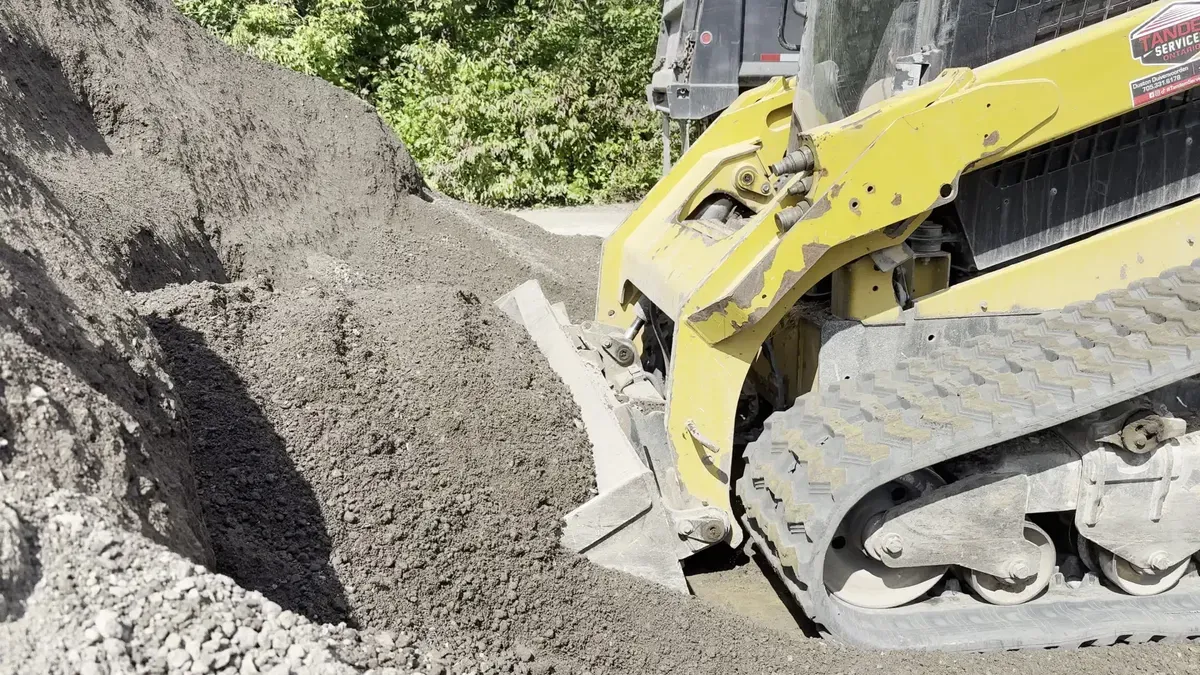
Your excavator undercarriage carries the full weight of your heavy machine. Regular care of steel tracks keeps your excavator moving smoothly across tough job sites.
Track Tension Adjustments
Measuring Track Sag
Proper track tension extends undercarriage service lifespan. Park your excavator on flat ground and lift one track frame using boom pressure. Measure the clearance distance between the track frame bottom and the top surface of the lower track shoe.
Adjust track sag based on your daily job site ground conditions. Muddy sites require extra sag allowance to prevent packed dirt from straining the drive system. Soft soil creates different strain levels compared to hard rock surfaces.
Grease Fitting Service
You adjust track tension by pumping heavy grease into the adjuster cylinder valve. Inject clean grease through the fitting to push the front idler forward and tighten the track chain.
Release grease slowly through the bleed valve to loosen tight tracks. Correct adjustment prevents severe mechanical stress across your lower machine parts.
“Tracks that are too loose… cause accelerated wear on drive components. Conversely, overtightened tracks place excessive strain on the entire undercarriage system, reducing component life…”
Roller and Idler Care
Inspecting Rollers for Leaks
Check top carrier rollers and bottom track rollers during daily machine walks. Look for fresh oil spots on roller shells and surrounding track frames. Clean off dried mud layers to spot hidden fluid seepage early.
Leaking oil signals broken internal face seals on your rollers. Failed seals allow abrasive dirt to enter roller bearings, which locks up the rollers completely during operation.
Front Idler Alignment
Inspect front idler wheels for abnormal flange wear patterns. Misaligned idlers push track chains off center during travel, which accelerates side load wear on drive components.
Adjust idler guide shims to maintain straight positioning inside track frames. Proper alignment stops track links from riding up against idler flanges during sharp machine turns.
Track Link and Shoe Inspection
Pin and Bushing Wear
Examine track link pins and bushings for wear pattern signs. Internal bushing wear increases overall track pitch length, which causes poor sprocket engagement. Turn worn bushings early to extend your track chain service life.
Improper track tensioning creates distinct wear mechanisms across undercarriage components:
Too Tight (Over-Tensioning): Increases friction and static load pressure. This accelerates wear on sprocket teeth, track bushings, track links, roller surfaces, idler bearings, and seals.
Too Loose (Under-Tensioning): Causes component slapping and impact from excessive play. This damages sprocket teeth, chips track bushings, and scallops roller flanges.
Track Bolt Torque Specs
Check track shoe bolts regularly using a heavy-duty torque wrench. Loose bolts allow track shoes to shift on link seating surfaces during heavy pivot turns.
Tighten loose mounting bolts immediately to prevent bolt hole elongation. Worn track link bolt holes force complete track chain replacement and raise your overall operating costs.
Engine Spare Parts & Filtration
Air Filtration Service
Primary Element Inspection
Check the main air filter every time you do regular maintenance. Too much dust stops clean air from flowing to the engine. Good airflow helps your machine burn fuel well when lifting heavy loads.
Change the filter right away if you notice thick dirt buildup. Broken seals let dangerous dust enter the engine cylinders. Clean air stops engine rings from wearing out fast and maintains strong power.
Pre-Cleaner Dust Removal
Clean out the pre-cleaner collection bowl often to keep the air system safe. Big dirt drops into this cup before touching the main filter. Emptying it daily keeps your primary filter from getting clogged in dusty areas.
Look at the rubber valve located at the bottom of the filter box. Pinch this valve to dump out trapped dirt and wet mud. An open valve lets the engine pull fresh air inside easily.
Fuel System Filtration
Draining Water Separators
Drain water from the separator every morning before starting your work. Water sinks to the bottom of the clear bowl under the diesel fuel. Opening the small valve lets trapped water drain out safely.
Genuine Fuel Filter Hitachi- Hydraulic Excavators 4724818 for Zx200-3 Zx240-3 Zx330-3 Zx350-3
Clean diesel keeps fuel injectors from rusting and breaking down quickly. Water in the system makes engines run poorly and ruins costly injection pumps. Draining the bowl daily keeps your machine running smooth on site.
Fuel Filter Replacement
Swap your fuel filters based on the schedule from the manufacturer. New filters trap tiny metal bits and rust coming from dirty fuel tanks. Fresh filters keep steady fuel pressure going through your engine lines.
Pump the fuel system after putting on new filters to push out air. Trapped air makes the engine hard to start and causes rough idling. Buying fresh zx240-3 excavator spare parts keeps fuel flowing smoothly.
Cooling and Oil Systems
Oil Filter Changes
Swap out engine oil and filters together during regular maintenance. Used oil sweeps harmful dirt away from vital motor bearings. Fresh filters guard important engine parts against heat from friction.
Attribute | Value |
|---|---|
Part Name | Hydraulic Oil Filter Element |
Primary Part Number | SY-2171 |
Cross-Reference Numbers | R010052, 4648651 |
Application | Hitachi Excavator Models ZX200-3, ZX210, ZX240, ZX240-3, ZX330-3 |
Critical Function | Filters solid impurities from hydraulic systems to protect pumps, valves, and motors from damage. |
Check the rubber seals closely before twisting new filters onto the motor. Tighten the filter housing by hand to make a good leak-proof seal. Correct installation keeps engine oil from leaking out.
Radiator Fin Cleaning
Clear out radiator fins using high-pressure air or a water hose. Dirt from job sites stops air from moving through the cooler. Good airflow keeps motor coolant at a safe operating temperature.
Blow compressed air from the inside of the radiator toward the outside. This method pushes dust back out the exact way it came in. Clean radiator fins stop your engine from getting too hot. Taking care of key zx240-3 excavator spare parts ensures your engine lasts a long time.
Bucket Wear Parts & GET Care
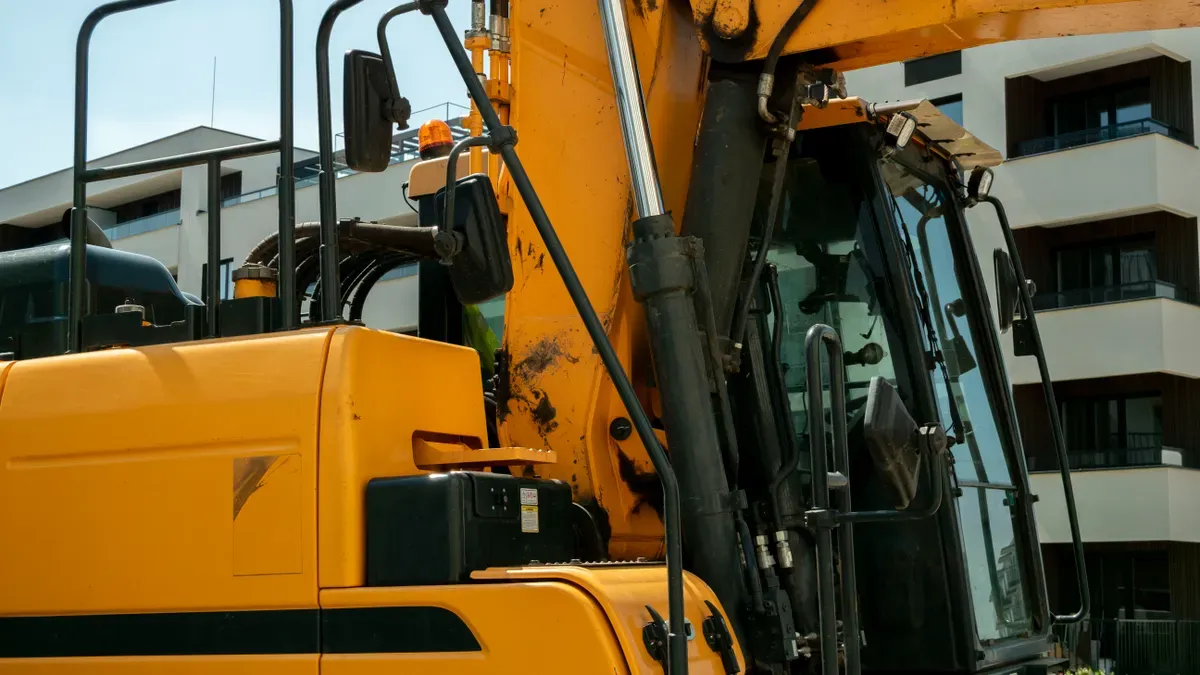
Ground engaging tools protect your excavator bucket from heavy impacts and harsh digging abrasion. You preserve structural bucket integrity by inspecting wear parts regularly. Daily maintenance prevents severe damage and keeps your job site moving smoothly.
Bucket Tooth and Adapter Service
Inspecting Retention Pins
Check bucket tooth retention pins every morning before operating your excavator. Loose pins allow tooth tips to fall off during digging operations. Lost teeth expose underlying adapters to rapid wear and severe structural damage.
Replace worn pin locks immediately. Damaged locking pins fail under heavy load impacts. Fresh retention pins hold teeth securely and prevent costly bucket repairs on busy job sites.
Timely Tooth Tip Replacement
Inspect tooth tips for extreme wear or uneven shapes daily. Blunted teeth reduce digging efficiency and increase engine fuel consumption. Dull tips force your hydraulic system to work much harder.
Swap out worn tooth tips before wear reaches the adapter nose. Sourcing reliable wear parts from YNF Machinery simplifies inventory stocking for contractors and equipment rental fleets. Timely replacement protects your main bucket structure from irreversible damage.
Side Cutters and Wear Plates
Side Cutter Bolt Tightness
Examine side cutter mounting bolts during your routine walkaround inspection. Loose bolts cause side cutters to shift and bend bucket side sheets during heavy work.
Tighten all loose bolts to correct torque levels promptly. Clean off packed dirt around bolt heads to inspect threads easily. Secure side cutters shield bucket side walls against abrasive soil friction.
Hardfacing Wear Plate Areas
Inspect bottom wear plates for severe thinning and cracks. Abrasive rocks rub against the metal and thin out base plates over time.
Apply hardface welding beads across high-abrasion zones before base metal wears through. Weld metal strips over critical wear areas to extend overall bucket service life. Regular hardfacing prevents expensive bucket shell replacements.
Pin and Bushing Lubrication
Daily Joint Grease Routine
Grease all bucket connection pins and bushings daily. Clean grease pushes out dirt particles and moisture from joint seals.
Pump fresh grease into fittings until clean lubricant emerges from joint edges. Daily greasing reduces friction heat and stops metal components from grinding together. Proper lubrication extends joint lifespan significantly.
Identifying Excessive Bushing Play
Test bucket joint looseness by resting the bucket flat on the ground. Move the arm gently while watching joint connections for excess movement.
Replace slop-heavy bushings before oval wear damages pin location holes. Excessive play causes precision loss and speeds up pin wear across your attachment connections.
Electrical Systems & Sourcing Spare Parts
Electrical parts direct your excavator moves and track vital machine health. Normal electrical care defends delicate controllers and keeps solid engine power.
Battery and Harness Checks
Terminal Cleaning and Voltage
Scrub crusty dirt off battery terminals with a wire brush each month. Loose or filthy clamps raise electrical resistance and stop your starter motor from turning easily.
Check battery power levels prior to starting your daily work. Strong double batteries hold good power readings during cold mornings. Charging systems need tight wire connections to push steady power back into your batteries.
Harness Routing and Insulation
Check main wire groups near shaking engine frames and hydraulic pump spots. Engine shaking grinds wire covers against sharp steel sides over time.
Tie down loose wire bundles with strong plastic wraps far from hot exhaust pipes. Whole rubber covers protect copper wires from short circuits and sudden blown fuses.
Sensor and Solenoid Care
Pressure Sensor Monitoring
Watch your screen panel for sensor error alerts during normal daily work. Broken sensors transfer wrong pressure data straight to the primary engine control computer.
Failure Type | Common Causes & Details |
|---|---|
Wiring Harness Issues | Damaged or corroded sensor connectors; frayed wires along pump routing paths |
Sensor Failure | Failed Engine Oil Pressure Sensor due to internal element degradation after 5,000+ operating hours |
Connector Issues | Corroded or loose pins at 3-pin connectors from moisture intrusion |
External Contamination | Hydraulic fluid leaks penetrating sensor housing seals |
Wipe grime off pressure sensor bases to prevent lost signals. Swapping bad sensors avoids wrong check warnings and keeps engine defense tools active.
Solenoid Valve Diagnostics
Check hydraulic solenoid valves if your tool attachments work slow. Power coils inside solenoids wear out under nonstop heat exposure on tough build sites.
Disconnect solenoid plugs and check steel pins for green rust or trapped water. Clean metal pins bring back smooth power signals from main control switches.
Sourcing Quality ZX240-3 Excavator Spare Parts
Benefits of YNF Machinery Components
Ordering good zx240-3 excavator spare parts guarantees exact fits and long working times. YNF Machinery builds solid electrical sensors, wire bundles, and backup switches that match precise factory sizes.
Factory-checked electric parts shield fragile excavator control boxes against bad power spikes. Finding proven zx240-3 excavator spare parts keeps your machine worth and stops sudden electronic breaks.
Fast Logistics and Low MOQs
YNF Machinery makes part buying simple using small minimum order amounts for small business owners. You store essential electric sensors and solenoids without locking up big cash in storage stocks.
Rapid world shipping options send key replacement pieces right to your active job spot. Fast part shipments cut costly machine pauses and keep your big projects moving on time.
You protect your machine by following daily and weekly checks carefully. Inspect hydraulic lines, track tension, engine filters, and bucket pins often. Replacing high-wear parts like hydraulic seal kits, fuel filters, and bucket teeth early stops costly main machine breakdowns. Good routine care cuts overall running costs and prevents unexpected work delays.
Protect your costly machinery today with tough zx240-3 excavator spare parts. Visit YNF Machinery (https://ynfmachinery.com/) to buy reliable, factory-tested replacement parts and Hydraulic Cylinder Seal Kits for your heavy equipment. Our quick delivery helps you keep your fleet working smoothly on every single job site.
FAQ
How often should you check the hydraulic cylinder seals on a ZX240-3?
Inspect the hydraulic cylinder seals on your boom, arm, and bucket every single day. Look around joint connections for fresh oil leaks and drops in pressure. Catching these problems early stops severe fluid leaks and keeps your main hydraulic pump safe from sudden internal damage.
What materials provide the best performance for hydraulic cylinder seal kits?
High-quality seal kits are made with durable NBR, FKM, and PTFE materials. These tough parts easily handle extreme system pressure, intense shaking, and heavy daily shock loads. They keep a tight seal against leaks while blocking rough job site dirt from entering your hydraulic parts.
Why should you drain the fuel water separator every morning?
Water sinks to the bottom of the clear separator bowl while the machine sits overnight. Draining this trapped water every morning stops harmful rust from forming inside your fuel injectors. Clean diesel protects your expensive injection pump and keeps the engine running smoothly under heavy loads.
How does incorrect track tension affect your excavator undercarriage?
Tracks that are too tight create extra friction, which speeds up wear on sprockets, links, and idlers. On the other hand, loose tracks cause parts to slap together and chip track bushings during travel. Setting the right track sag for your ground conditions helps your undercarriage last much longer.
When should you replace your bucket tooth tips and adapters?
Look over your bucket teeth every morning before you begin digging work. Swap out worn tooth tips before heavy scraping reaches the adapter nose. Changing these tips on time keeps your digging power high, saves fuel, and protects the main bucket structure from serious damage.
Why is air bleeding necessary after replacing hydraulic components?
Air trapped inside hydraulic lines makes your machine move in a jerky way while working. Under high pressure, those air bubbles can destroy internal hydraulic pumps through cavitation wear. Bleeding the air out after changing filters ensures smooth fluid flow and protects expensive pump parts.