You must choose the right komatsu pc130 parts to protect your excavator’s productivity. Smart equipment managers pick components by looking at three main things: job site ground conditions, steel quality details, and exact machine serial number checks.
Your undercarriage costs a lot of money to replace. Good parts usually last between 4,000 and 6,000 working hours in normal conditions. You protect your profits when you balance starting costs with long-lasting strength. Mechanics and owners need to check fitment details before swapping out worn track links, rollers, or idlers. Making the right choice prevents early wear and stops costly work delays.
Key Takeaways
Choose the right track shoe width for your ground type to keep your machine safe from harm.
Check the rollers, sprockets, and idlers frequently to prevent damage and help the tracks run without any trouble.
Select tough forged steel components with correct heat processing to endure heavy work hits.
Check your exact machine serial number with sellers to make sure you get the correct part.
Essential Komatsu PC130 Parts for Undercarriage
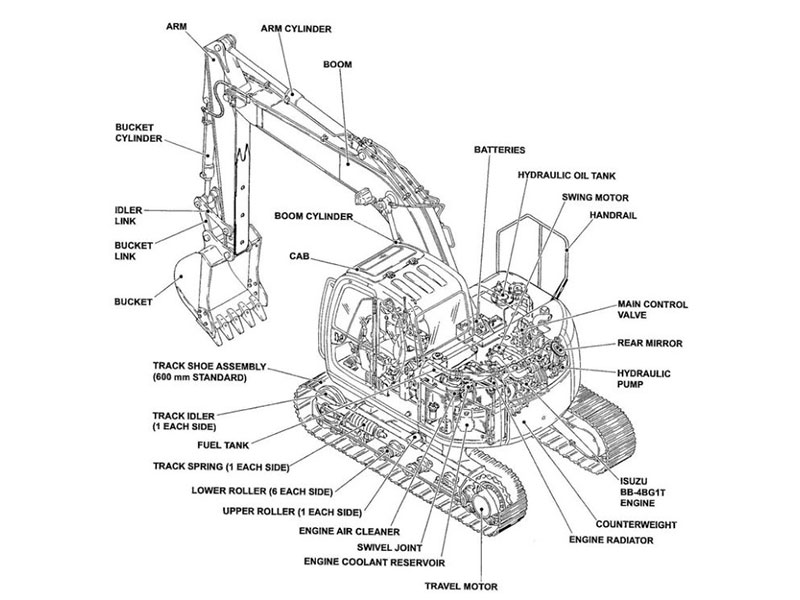
Your excavator relies on a strong base to handle heavy lifting and digging jobs. The undercarriage uses several moving pieces to carry heavy weight and guide total machine movement. Picking top-grade komatsu pc130 parts keeps your machine working hard and reduces long-term repair costs. You should check these parts often to catch wear early and maintain peak working power.
Track Chains and Grouser Shoes
Track chains connect the undercarriage system together and turn hydraulic energy into smooth motion. Strong steel links, pins, and bushings build the main chain core. These inner parts store sealed grease to stop inside friction and joint wear. Tough ground conditions place extra stress on every pin and bushing. Sandy and rocky dirt wears down metal parts across each link fast.
Track shoes bolt straight onto the chain links to give strong ground grip. You should pick shoe designs by looking carefully at your specific job site ground conditions. Normal digging tasks need steel shoes with raised metal ridges called grousers. These grousers grip soft ground to stop your machine from slipping. Soft city roads need rubber choices to protect asphalt or concrete roads.
Model differences change part size needs across various equipment builds. For instance, the PC130LC-11 long-undercarriage design uses a longer track frame length. This longer base puts more surface area on the ground. The extra track area boosts overall machine balance and raises lift power during deep trench digging. You can check the precise track shoe options for this long-undercarriage setup below:
Shoe Type | Metric Specification (Width) | Imperial Specification (Width) |
|---|---|---|
Triple Grouser Shoe | 700 mm | 28″ |
Rubber Roadliner Shoe | 500 mm | 20″ |
Matching shoe width to your main ground type prevents extra machine strain. Wider shoes work great in soft mud because they float easily over wet spots. Narrower shoes perform best on hard rock roads because they do not bend or warp.
Top and Bottom Track Rollers
Track rollers carry the massive heavy weight of your excavator while keeping track chains straight. Bottom track rollers sit right along the lower track frame. They spread machine weight evenly over the track chain as you move. These bottom parts absorb heavy shocks from rough ground. Internal seals hold in fresh grease and block out rough dirt, mud, and water.
Top track rollers attach to the upper frame area. Mechanics often name these parts carrier rollers. Top rollers hold up the upper track line to prevent loose track sag. Good top roller tension cuts down drag forces on the main drive sprockets.
Undercarriage parts usually last between 4,000 and 6,000 work hours. Rough dirt, sharp rocks, and bad track tension make parts wear out much faster. Worn rollers form flat spots along their outer metal shells. These flat spots throw track chains off line and cause shaking during movement. You need to shovel mud out of roller frames every day. Trapped dirt packs around shells and stops rollers from turning. Stuck rollers wear flat fast on one side. You protect your parts investment by swapping out stuck or leaking rollers right away.
Evaluating Front Idlers and Drive Sprockets
Sprocket Tooth Wear and Engagement
Drive sprockets send power from final drive motors right into the track chain. Sharp sprocket teeth show severe metal wear and bad track pitch matching. You should check tooth shape often during normal undercarriage reviews. Worn teeth make track bushings slip constantly while moving, which creates high drive strain.
Hooked sprocket teeth pull track chains unevenly and speed up inner bushing wear. You can measure sprocket wear easily by comparing tooth shapes to new factory settings. Pointed or hooked teeth mean you must replace parts right away. Choosing strong komatsu pc130 parts prevents sudden final drive strain and protects drive motor power on tough jobs.
Idler Alignment and Tension Assemblies
Front idlers lead track links smoothly onto roller frames while holding total system tension. The strong idler rim guides track chains to stop dangerous side slipping on hills. Inner tension springs absorb heavy shocks during tough digging work. You should check idler alignment often to protect bottom undercarriage parts from early breakdown.
Crooked idlers cause big frame problems across your whole track system. You can spot idler failure fast by watching for a few key warning signs:
Too much track sag or crooked track lines along lower frames
Strange grinding noises coming from undercarriage parts while moving
Clear surface cracks, damage, or heavy wear on metal idler rims
Crooked front idlers ruin main track steering and proper tension control. Strong side forces wear down idler rims and break inner oil seals. Broken rims lead right to crooked tracks and dangerous track slips. Uneven wear grows fast on bottom rollers when tracks run off center. Misaligned parts lower total machine output by reducing ground grip, balance, and working speed. You keep daily work moving by replacing ruined idler parts immediately.
Selecting Components Based on Operating Terrain
Your job site ground dictates exact undercarriage selection standards. Harsh conditions demand carefully matched component specs to stop quick wear. You must check ground softness and hit forces before buying new hardware.
Impact Standards for Rocky vs. Soft Soil
Soft ground needs wide track shoes to spread full machine weight over mud. Narrow track shoes sink deep into wet dirt and trap your machine. Wide shoes float easily over soft soil to keep steady digging motion.
Hard rock soil needs narrow track shoes instead. Rocky paths place high bending forces on wide steel shoe edges. Wide shoes push heavy forces against outer bolts when climbing sharp rocks. This force twists main track links and snaps shoe mounting bolts fast. Extra shoe width creates big stress that damages inside travel motor gearsets. You stop severe mechanical strain on final drives by picking the thinnest track shoe width that supports your flotation needs.
Forged steel parts handle high impact shocks much better than cheap cast iron options. Lower-grade cast options hold inner air pockets and weak metal grains. Heavy rock impacts break cast parts quickly. Forged steel takes intense pressure during making to remove inside voids and boost overall strength.
Steel Metallurgy and Heat Treatment
Proper heat treatment gives raw steel needed surface hardness and core flex. Sprocket teeth take a strict three-step hardening path to handle heavy chain contact:
Normalizing: Heating evenly to 850–900 °C to smooth the metal shape.
Quenching: Fast cooling (like oil cooling) to boost hardness to HRC 48–52.
Double Tempering: Heating to 580–620 °C over 2 hours to remove inner stress and raise toughness.
Sprocket base metal gets special quenching and tempering to reach HRC 50-55 hardness. Makers then use medium-frequency quenching to boost tooth surface impact resistance by 40%. This careful heating rule prevents tooth bending under heavy shock loads.
Certain undercarriage parts need custom steel alloys and heat steps to gain high wear defense:
Komatsu PC130 Undercarriage Component | Material | Primary Heat Treatment Process Sequence | Key Outcome / Property |
|---|---|---|---|
Track Roller (Wheel Body) | 50Mn Round Steel | 1. Quenching and Tempering | Ensures strength and wear resistance. |
Track Roller (Shaft) | 45 # Round Steel | 1. Quenching and Tempering | Surface hardness: HRC 52-60; Hardened layer depth: 3-6mm; Provides excellent comprehensive performance. |
Deep induction hardening places a deep shield over tough inner steel. High-frequency heat care forms a hardened layer depth of 3-6mm on solid steel shafts. This hard shell resists rough sand while the bendable core absorbs big hits. Picking top komatsu pc130 parts built with real metallurgical standards guarantees best strength on tough job sites.
Sourcing Quality Komatsu PC130 Parts via YNF Machinery
Fitment Verification and Serial Number Matching
You safeguard your equipment repair budget by double-checking component fit before making purchases. Engineering changes happen often across different manufacturing years. You must confirm precise machinery details with your supplier to guarantee smooth part installation.
You simplify your order process by sharing key machine details with technical experts.
Required Information for Verification | Purpose |
|---|---|
Machine Model (e.g., PC130-8) | Identifies the base excavator variant. |
Engine Model | Identifies the specific power unit installed. |
Engine Serial Number | Provides a unique identifier for the engine configuration. |
Machine Serial Number | Provides a unique identifier for the specific machine’s build. |
Old Part Number | Allows cross-referencing with the replacement part. |
Photos of the Original Part | Provides visual confirmation of the component to be replaced. |
For specific engine and track pieces, suppliers ask for extra confirmation steps:
“Please confirm the machine serial number and old rail part number before ordering.”
Our technical support team double-checks these details to verify fit before quote and shipment. This careful check stops costly shipping errors, unexpected fit issues, and wasteful site downtime.
Reliable Sourcing and Aftermarket Quality Assurance
YNF Machinery works as a trusted global supplier with over 35 years of excavator experience. You gain access to solid aftermarket choices across more than 26 machinery brands. The company offers great pricing without forcing big volume orders. Helpful low minimum order limits let you purchase exact part amounts for your repair jobs.
Every single part goes through strict factory testing and quality checks to ensure long working life. Finding reliable komatsu pc130 parts protects your undercarriage investment during tough digging tasks on hard job sites. You save money while keeping your high-value equipment running smoothly. Complete paperwork and fast shipping help ensure a simple, worry-free buying process.
You protect your excavator budget by following essential evaluation steps. First, evaluate your job site ground conditions. Next, verify your exact machine generation specs like the PC130LC-11. Then, measure component wear limits regularly. Finally, choose high-quality komatsu pc130 parts from a trusted source.
Partnering with YNF Machinery reduces costly machine downtime. Their expert team helps optimize your total cost of ownership across 26 machinery brands.
Follow this quick-reference purchasing checklist before buying replacement components:
Match track shoe width directly to working conditions for proper flotation.
Verify machine serial numbers to ensure exact fitment.
Inspect rollers and sprockets during planned maintenance cycles.
FAQ
How long do undercarriage components usually last?
Undercarriage parts usually last between 4,000 and 6,000 hours in normal working conditions. Rough dirt, sharp rocks, and bad track tightness make these parts wear out much faster. You should clean trapped dirt out of track frames daily to protect all moving parts.
How do you choose the right track shoe width?
Pick your track shoe width by looking at the ground conditions on your job site. Wide shoes give extra flotation in soft mud. Narrow shoes work best on hard rock paths because they resist bending and lower stress on final drives.
Why must you check your machine serial number before ordering?
Makers update machine designs over different production years and equipment builds. Checking your machine serial number ensures you get the exact right part fit. This quick step prevents costly shipping errors, installation problems, and expensive machine downtime.
What signs show severe drive sprocket wear?
Look at the sprocket teeth often during your regular maintenance checks. Pointed or hooked tooth shapes show that the metal is deeply worn down. Replacing damaged sprockets right away stops track chains from slipping and protects drive motors from extra stress.