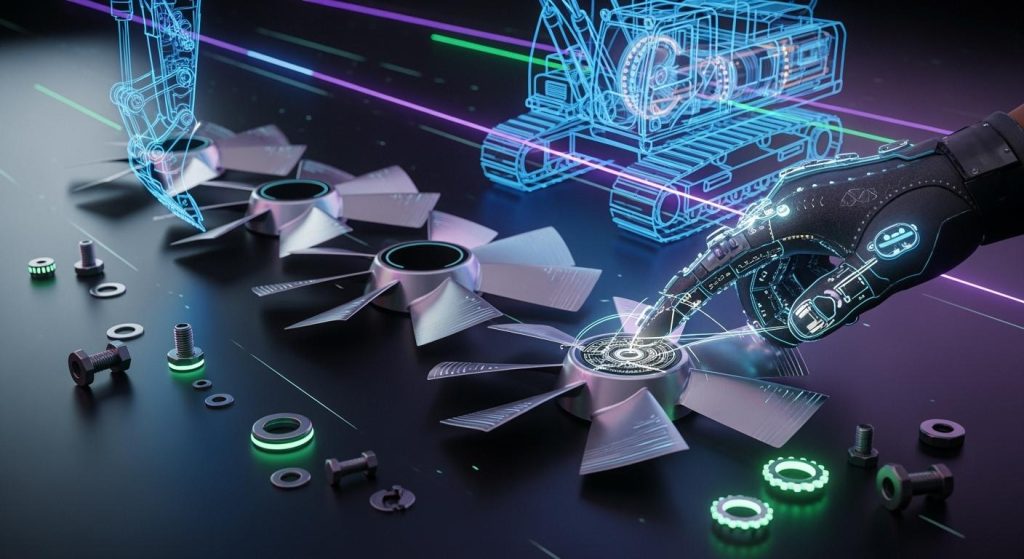
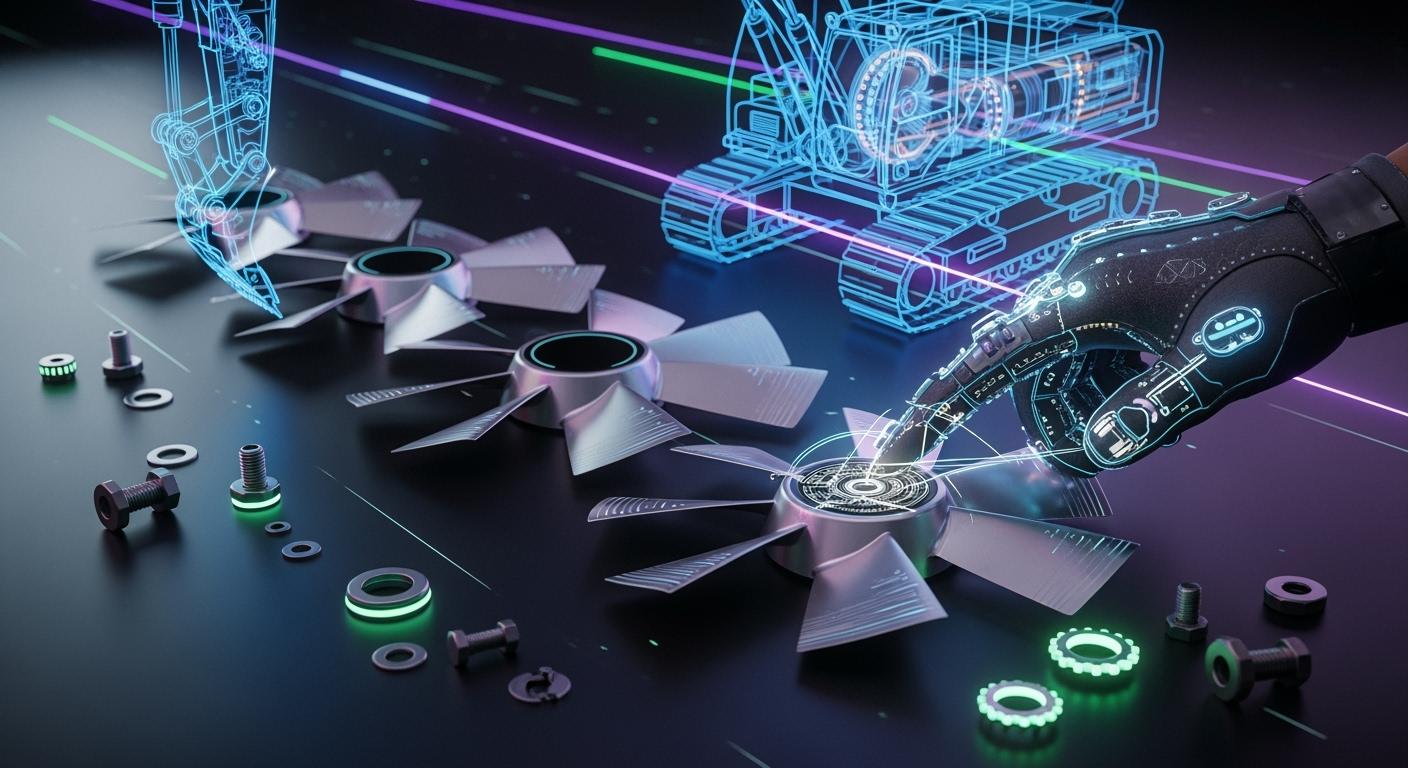
When you pick a fan blade for excavator parts, you should think about what helps your machine stay cool and work well. See if the fan fits your motor specs. If the size is wrong, it can make trouble. Notice the material and how the blades are shaped. These things change how long the fan lasts and how much air it moves. Find a supplier you can trust. Make sure the fan fits right, does not make much noise, and uses less energy when working.
Key Takeaways
Always make sure the fan blade fits your excavator’s motor. This helps stop overheating and other problems. – Pick fan blades made from strong stuff like ABS plastic, stainless steel, or aluminum alloy. These materials last long and work well. – Think about how many blades there are and their shape. Three or four blades move more air. Five to seven blades work better when there is high pressure. – Buy from a trusted supplier who gives a good warranty and support. This helps you get parts that last a long time. – Check and take care of your fan blades often. This stops damage and keeps your excavator working well.
Fan Blade Types & Materials

When you choose a fan blade for excavator parts, you need to look at both the material and the design. These factors decide how well your fan works and how long it lasts.
Material Choices
The material of a fan affects its strength, weight, and how it handles tough jobs. Here is a table to help you compare the most common materials:
Material | Benefit |
|---|---|
ABS Plastic | Stops breaking from hits |
Stainless Steel | Keeps away rust |
Aluminum Alloy | Strong but not heavy |
If you want a fan that can handle bumps and shocks, ABS plastic is a good choice. Stainless steel works well if you need to fight rust. Aluminum alloy gives you a strong fan without adding too much weight. You should always check the diameter of the fan and make sure the material matches your work needs.
Blade Number & Shape
The number and shape of blades change how your fan cools the engine. Here are some things to remember:
Three or four blades lower static pressure and move more air. This works best when there are not many blocks in the airflow.
Five to seven blades raise static pressure but move less air. This helps when your system needs high performance, like in heavy-duty cooling.
The best number of blades depends on your fan type, the diameter, and how much space you have.
The shape and curve of each blade also matter. Forward curved blades push a lot of air but do not work well with high pressure. Backward curved blades give you better control and work well when you need high static pressure. Radial blades are tough and can handle high resistance, but they may make more noise and use more energy.
If you pick the wrong blade shape or if something blocks the fan, cooling efficiency drops. Always check the diameter, blade shape, and fan type before you buy.
Fit & Compatibility for Excavator Parts
Choosing the right fit for your fan blade for excavator parts is one of the most important steps. If you pick a fan that does not match your engine, you risk overheating and poor performance. You need to check both the motor specs and the installation space before you buy.
Motor Specs & Measurements
You should always match the fan to your engine’s power, speed, and shaft size. If you use a fan that does not fit these specs, your engine can overheat. Overheating can cause serious problems:
Mismatched fan blades can lead to engine overheating.
Overheating can severely compromise machine performance and longevity.
Consequences include reduced power output, increased fuel consumption, and potential engine failure.
To avoid these issues, start by checking your engine’s motor power and speed. Make sure the fan’s diameter and pitch work with your engine’s RPM. You also need to measure the shaft size. If the shaft is too big or too small for the fan, you cannot install it safely.
You should also look at the mounting type. Excavator fan blades usually mount in two ways. Some fans attach directly to the shaft, which is common with electric or hydraulic motors. Others use a fan drive system. This system uses a pilot and bolt circle to connect the fan to the drive, which then connects to the shaft through a pulley. The mounting type affects how easy it is to install the fan and how well it works with your engine.
Mounting & Installation Space
Proper fit in the engine compartment is just as important as matching the motor specs. If the fan is too large or the mounting is wrong, you cannot install it. You should measure the space carefully before you buy.
Here are seven key measurements you need to check for a good fit:
Inlet flange dimension
Outlet flange dimension
Centerline height
Inlet flange face to the centerline of the housing
Outlet flange face to the centerline of the housing
Centerline of the inlet to the centerline of the outlet
The fan footprint
Tip: Use a tape measure and write down each number. Double-check your measurements before you order a new fan.
If you follow these steps, you can avoid common problems like poor airflow, vibration, or even damage to your engine. Always make sure the fan fits both the motor and the space in your engine compartment. This will help your excavator run smoothly and last longer.
Performance & Construction Efficiency
Airflow & Cooling
When you pick a fan blade for excavator parts, think about airflow and cooling. The right blade shape helps your machine stay cool and work well. Good blade shapes give more airflow and better cooling. This keeps your engine from overheating, even during hard jobs.
Do not use odd blade shapes. They can make the air move in a messy way and lower how well the fan works. Airfoil designs are best. They move air smoothly and cut down on drag. Blades with the right angle and curve give strong airflow and a high cfm rating. This helps your cooling system keep the engine safe.
Here is a table that shows how different things change efficiency:
Factor | Impact on Efficiency |
|---|---|
Blade Geometry | The best shape and angle help airflow and use less energy. |
Aerodynamics | CFD tests help make blade shapes better for airflow and pressure. |
Material Selection | Light materials like aluminum help fans work better and last longer. New materials can make fans even more efficient. |
Thermal Properties | Materials that move heat well help cool the engine faster and make the fan work better. |
Look for blades made from strong materials like anodized aluminum. These last longer and need less fixing. If you use a fan with a bad design, you get less airflow and weak cooling. This can hurt your engine and use more fuel.
Tip: Always check the cfm rating before you buy. A higher cfm rating means more airflow and better cooling.
Noise & Energy Use
Noise and energy use are important for construction machines. The fan and blade design can change how loud your machine is and how much energy it uses. If you want a quiet and efficient machine, pay attention to these things.
Fans make different sounds. Centrifugal fans make middle sounds, and axial fans make lower sounds. Blade shape also changes noise. Forward-curved blades are quiet at slow speeds but get loud when working hard. Backward-curved blades save energy but can make high sounds.
Here is a table that shows how different parts change noise and energy use:
Aspect | Influence on Noise Levels and Energy Use |
|---|---|
Fan Mounting | How you mount the fan can change noise and efficiency. Variable-speed drives help fans work better and stay quiet. |
Fan Speed Control | Controlling fan speed helps lower extra noise and saves energy. |
Debris Mitigation | Good fan design keeps out debris, helps cooling, and can lower noise. |
Blades with good aerodynamic design help lower noise. Blades that move air smoothly make less sound. Features like variable pitch and chord along the blade help control airflow and stop messy air. If you keep blade tips close to the shroud, you stop backflow noise. This also helps the fan use less energy because it does not have to work harder.
Always pick a fan blade for excavator parts that matches your cooling needs and fits your machine. The right fan gives strong airflow, good cooling, less noise, and better energy use. This helps your construction equipment work well and last longer.
Supplier Quality & Warranty
Trusted Sources
Pick a supplier with a good name when you buy a fan blade for excavator parts. A trusted supplier helps you avoid trouble and keeps your machine working. Use this table to see if a supplier is good:
Criteria | Description |
|---|---|
Track Record | Has happy customers and solves problems well. |
Industry Standing | Gets awards and joins trade groups. |
Warranty Coverage | Gives clear and fair warranty rules. |
Technical Assistance | Offers help fast when you need it. |
Returns and Replacements | Makes it easy to return wrong parts. |
Product Range | Sells many parts that meet or beat OEM rules. |
Look for suppliers who use strong materials and careful steps to make their parts. This helps the fan last longer and work better. For example, some suppliers use steel, cast iron, or alloy metals. These make the parts stronger and tougher. They also check their products often to make sure you get good quality.
YNF Machinery is a trusted place to get excavator fan blades. This supplier has a good history and sells many parts that meet high standards.
Warranty & Support
A good warranty helps you feel safe. Most makers give warranties for 12 to 24 months. Always ask about the warranty before you buy. A clear warranty means the supplier trusts their product.
Support is important, too. You want a supplier who helps you fix problems fast. Look for easy return and replacement rules. Good suppliers also answer your questions about the fan.
Top suppliers have quality programs to help your fan last longer. They use strong materials, careful steps, and check their work often. You get a fan that works well and stays strong.
Tip: Always read the warranty rules and ask about support before you buy. This helps you avoid problems and keeps your machine working well.
Installation & Maintenance
Best Practices
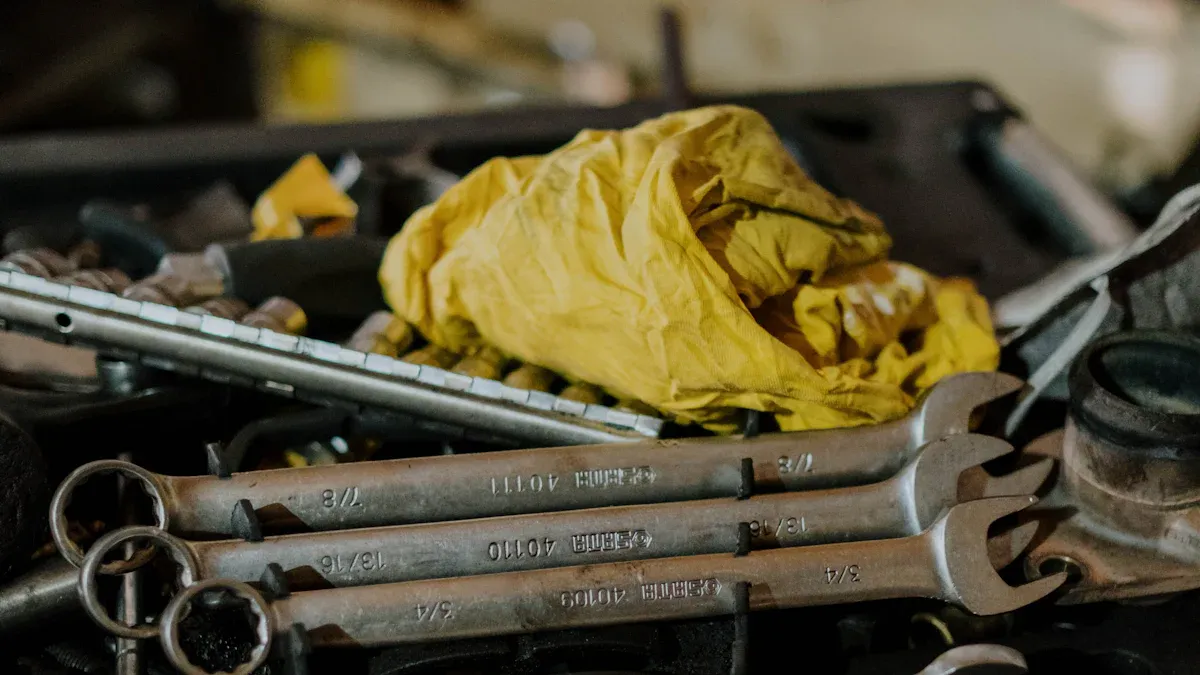
You want your excavator to work well and last a long time. Start by following best practices when you install a fan blade. Always read the manual before you begin. The manual gives you the right steps and safety tips. Clean the mounting area so dirt does not get in the way. Use the correct tools for the job. Tighten bolts to the recommended torque. If you use too much force, you can damage the blade or the shaft.
Check the alignment of the fan after you install it. The blade should spin freely without hitting other parts. If you see wobbling, stop and fix the problem. A well-aligned fan helps your engine stay cool and reduces wear. You should also inspect the shroud and guards. Make sure they do not block airflow.
Tip: If you have questions about installation, contact YNF Machinery for support. Their team can help you solve problems quickly.
Maintenance Tips
Regular maintenance keeps your fan working at its best. Inspect the blades every month. Look for cracks, chips, or bends. Clean off dust and debris with a soft brush. Dirt can slow down airflow and make the engine work harder.
Lubricate the bearings if your fan uses them. Use the grease recommended by the manufacturer. Check the bolts and fasteners. Tighten them if they feel loose. Replace damaged blades right away. Waiting can lead to bigger problems.
Here is a simple checklist for fan maintenance:
Inspect blades for damage.
Clean blades and shroud.
Lubricate bearings.
Check bolt tightness.
Replace worn parts.
A good maintenance routine helps your excavator run smoothly. You save money on repairs and avoid downtime. YNF Machinery offers support and quality parts to help you keep your equipment in top shape.
Common Mistakes to Avoid
When you buy excavator parts, try not to make mistakes. These mistakes can hurt your machine and cost you money. Learn what to look out for so your equipment stays safe and works well.
Ignoring Compatibility
You must match the fan blade to your motor and space. If you ignore this, your engine can get too hot and break. Many people forget to check the size, shaft, or mounting type. This can make the fan fit badly and work unsafely.
Not following the maker’s advice can cause big problems:
You might put too much stress on the fan blade.
The engine can get too hot, which is dangerous.
Parts can break, and your machine may stop working.
Always read your manual and measure before you buy. If you pick the wrong part, your excavator may not cool right. This can make your machine wear out faster.
Overlooking Quality
Some people buy cheap parts to save money. This can cause bigger problems later. A bad fan blade may not move air well. Even one poor blade can make more noise and mess up airflow. If you use many low-quality blades, your machine will get louder and cool less.
Here are some problems with bad or broken blades:
The engine may not cool enough, and the temperature can go up.
The motor can wear out faster because the fan cannot cool it.
Cracks or bends in the blade can lower airflow and make the engine hotter.
You may need to change parts more often to keep your machine working.
Tip: Always check your fan blades for damage. Replace them if you see cracks or bends. New blades help your engine stay cool and protect your equipment.
Picking the right fan blade and following the maker’s advice keeps your excavator safe and working well.
When you pick a fan for your excavator, remember these things: The fan must fit your motor and the space you have. Choose blades made from strong materials. The right blade shape helps your engine stay cool. Buy from suppliers like YNF Machinery because they give good quality and help.
Experts say the right fan can stop engine problems. It also helps air move better. Standards like ISO 9001 and ASME B5.54 show what makes a fan good. If you check the fit, how well it works, and the supplier’s rules, you save money and protect your machine.
Specification | Description |
|---|---|
ISO 9001 | Quality management systems |
ASME B5.54 | Fan blade tolerance |
Pick the right fan so your excavator works well.
FAQ
What size fan blade should you choose for your excavator?
You should measure the space in your engine compartment. Check your motor’s shaft size and power rating. Pick a fan blade that matches these numbers. This helps your engine stay cool and work well.
How often should you check or replace fan blades?
You should inspect your fan blades every month. Look for cracks, chips, or bends. Replace damaged blades right away. Regular checks help your excavator run longer and avoid engine problems.
Why does blade material matter for excavator fans?
Blade material affects strength, weight, and how long the fan lasts. Strong materials like aluminum or ABS plastic resist damage. Good materials help your fan move air better and last longer.
Can you install a fan blade by yourself?
You can install a fan blade if you follow the manual. Use the right tools and check the alignment. If you feel unsure, ask for help from YNF Machinery’s support team.
Where can you buy quality fan blades for excavators?
You can buy quality fan blades from YNF Machinery. They offer strong parts, good support, and clear warranty rules. You get reliable products that fit your machine.